How to Read a Building Like an Architect

Robin - November 11, 2025
Share

Every building tells a story, and learning to interpret these silent narratives opens a world of creativity and insight. Architectural literacy isn’t just for professionals—it empowers anyone to appreciate the layers of history, design, and purpose embedded in our built environment. Reading a building means observing its form, function, and details with a critical eye, much like an architect does. This guide will reveal how to decode styles, materials, and spatial cues, enriching your understanding of the spaces around you.

Observe the Building’s Form and Massing

Step 1: Observe the Building’s Form and Massing
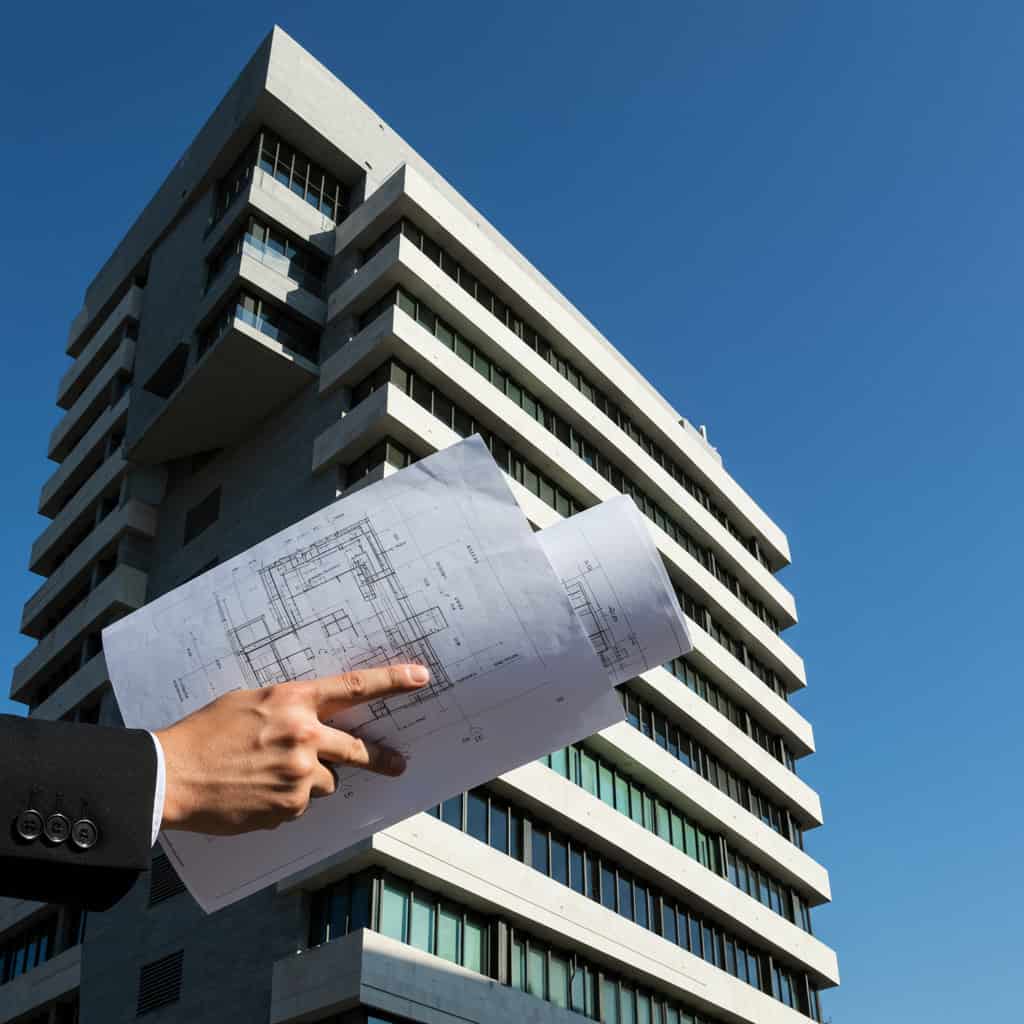
A striking building silhouette highlights bold architectural forms, offering a clear visual study of massing analysis. | Generated by Google Gemini

Begin your architectural analysis by stepping back and taking in the building’s overall shape—its form and massing. Notice the silhouette against the sky, the arrangement of volumes, and the interplay between solid walls and openings.

Architects use these elements to establish a building’s presence, balance, and harmony within its context. Ask yourself: Is the structure bold and monumental, or light and fragmented? First impressions matter, as they reveal the architect’s intentions at a glance. For deeper insights, explore ArchDaily’s guide to massing.

Analyze Materials and Construction Techniques

Step 2: Analyze Materials and Construction Techniques
A striking blend of classic brick facade and modern glass and steel, highlighting intricate construction details and craftsmanship. | Generated by Google Gemini

Look closely at the building’s surface to identify the materials used—brick, stone, concrete, glass, or steel each tell their own story. These materials hint at the building’s historical period, intended function, and architectural style.

For example, ornate stonework may suggest a historic or classical design, while exposed steel and glass often point to modernism. Understanding construction techniques, such as load-bearing walls or curtain wall systems, helps reveal how the structure stands and why it looks the way it does. For an in-depth exploration, visit Architectural Digest’s materials overview.

Study the Architectural Style and Historical Context

Step 3: Study the Architectural Style and Historical Context
Majestic gothic spires rise beside sleek modern glass towers, showcasing the dramatic contrast between historic and contemporary architecture. | Generated by Google Gemini

Observe the building’s details—window shapes, ornamentation, rooflines, and proportions—to identify its architectural style. Whether Gothic, Art Deco, Modernist, or Postmodern, each style reflects a specific era and set of cultural values.

Researching these visual cues or referencing architectural guides helps you place the building within a historical timeline, revealing its origins and significance. Style and context communicate much about a building’s identity, intended purpose, and the values of its creators. For a helpful primer on identifying styles, explore RIBA’s architectural styles guide.

Examine Scale, Proportion, and Rhythm

Step 4: Examine Scale, Proportion, and Rhythm
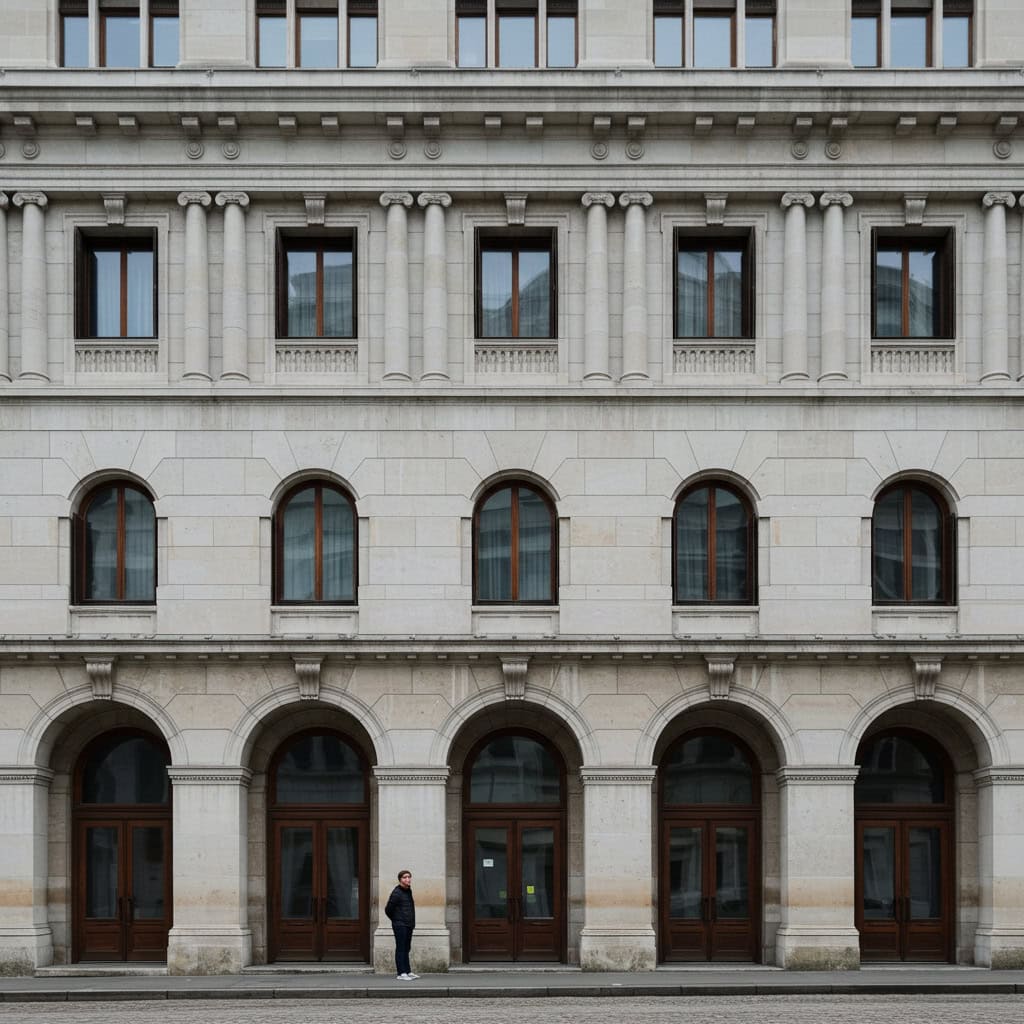
Rows of perfectly aligned windows create a rhythmic pattern across the facade, highlighting the building’s meticulous architectural proportions. | Generated by Google Gemini

Analyze how different elements—windows, doors, columns—relate to one another and to the whole structure. Scale refers to a building’s size relative to humans or its surroundings, while proportion is about the harmonious balance among its parts. Rhythm emerges through repetition or variation of features such as windows or arches, guiding the eye across the facade.

Architects skillfully manipulate these principles to evoke feelings of stability, grandeur, or dynamism. Observing these relationships deepens your understanding of both aesthetic intent and functional logic. For further reading, visit ArchDaily’s guide on scale and proportion.

Assess Function and Circulation

Step 5: Assess Function and Circulation
Analyzing entry points and pathways reveals how architectural design shapes function and user experience. | Generated by Google Gemini

Examine the building’s layout, main entry points, and visible pathways to deduce its intended use—whether residential, commercial, institutional, or cultural. Architects design with function in mind, carefully planning how people move through and interact with spaces.

Notice how corridors, staircases, and door placements facilitate or direct circulation, impacting comfort and efficiency. The flow of movement reveals much about the building’s priorities and user experience. For a deeper dive into spatial organization and circulation principles, explore ArchDaily’s article on organizing circulation.

Consider Site and Environment Relationships

Step 6: Consider Site and Environment Relationships
A thoughtfully designed building nestles into the landscape, its site plan reflecting harmonious, contextual architecture. | Generated by Google Gemini

Observe how the building connects with its site: Is it nestled into the landscape, raised above ground, or oriented for optimal sunlight and views? Architects thoughtfully respond to topography, climate, and neighboring structures, making design choices that enhance comfort, sustainability, and local identity.

Elements like green roofs, shaded facades, or native landscaping often indicate environmentally conscious design. These site-specific decisions shape the building’s sense of place and ecological footprint. To explore how architecture and environment intertwine, visit ArchDaily’s guide to site analysis.

Notice Details and Ornamentation

Step 7: Notice Details and Ornamentation
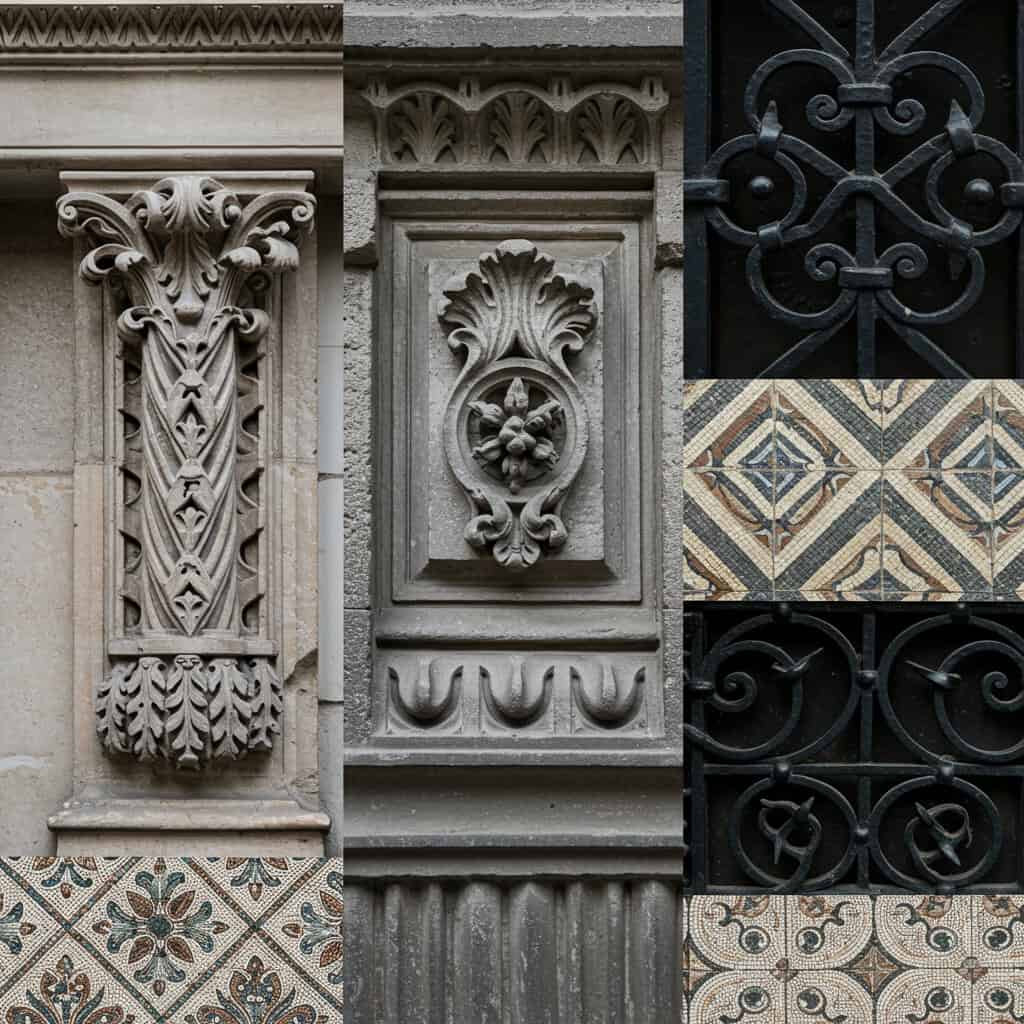
A grand, ornate door framed by intricate architectural molding stands out against a beautifully decorative facade. | Generated by Google Gemini

Take time to closely inspect the finer elements—door handles, moldings, carvings, tilework, or metalwork—that enrich a building’s character. These details often reveal the craftsmanship, technological advances, and stylistic trends of the period.

Ornamentation can serve as a signature of the architect’s vision or the building’s cultural identity, conveying symbolism or adding human scale. Sometimes, minimalist details speak as loudly as elaborate decorations. By studying these features, you gain a deeper appreciation for the thought and artistry involved. To learn more about architectural details, visit Architectural Digest’s article on ornamentation.

Interpret Symbolism and Meaning

Step 8: Interpret Symbolism and Meaning
A striking building showcases symbolic architecture, blending intricate cultural motifs into its thoughtfully meaningful and visually captivating design. | Generated by Google Gemini

Look beyond structure to discover motifs, symbols, or spatial arrangements that convey deeper messages. Architects often embed cultural, religious, or social narratives in their work—whether through recurring patterns, symbolic forms, or the orientation of spaces.

A building might reference local mythology, express civic pride, or foster spiritual reflection through its design choices. Recognizing these layers of meaning enriches your understanding of architecture as both art and communication. For examples of symbolism in architecture, explore ArchDaily’s article on symbolism.

Conclusion

Conclusion
A sketchbook lies open on a city bench, capturing the intricate details of surrounding urban architecture. | Generated by Google Gemini

Mastering the art of reading a building like an architect involves a blend of keen observation, thoughtful analysis, and open-minded interpretation. By examining form, materials, style, details, and symbolism, you can unlock the layers of meaning embedded in our built environment.

Applying these techniques not only enhances your appreciation for architecture, but also deepens your connection to the spaces you inhabit every day. Let curiosity guide your explorations—every building has a story to tell. For further inspiration and resources, visit ArchDaily’s Architecture 101 series.

Advertisement