10 Myths About Sustainable Living That Couldn’t Be Further from the Truth

Julie Ann - September 25, 2025
Share

Misconceptions about sustainable living are widespread, often leading individuals to feel overwhelmed or discouraged from making eco-friendly choices. These myths can create barriers, causing people to believe that sustainability is either unattainable or ineffective. By debunking common misunderstandings, we empower ourselves to make informed decisions and contribute to a healthier planet. Separating fact from fiction is essential for meaningful progress.


1. Sustainable Living Is Too Expensive

1. Sustainable Living Is Too Expensive
Image Source: Generated by Google Gemini

The notion that sustainability always comes with a higher price tag is misleading. Simple changes, such as switching to LED light bulbs, using public transportation, and shopping secondhand, can significantly reduce both expenses and environmental impact. Over time, these choices often pay for themselves through energy savings and lower consumption. AMany sustainable habits actually lead to substantial long-term savings, making eco-friendly living accessible for a range of budgets.

2. You Have to Go Off the Grid

2. You Have to Go Off the Grid
Image Source: Generated by Google Gemini

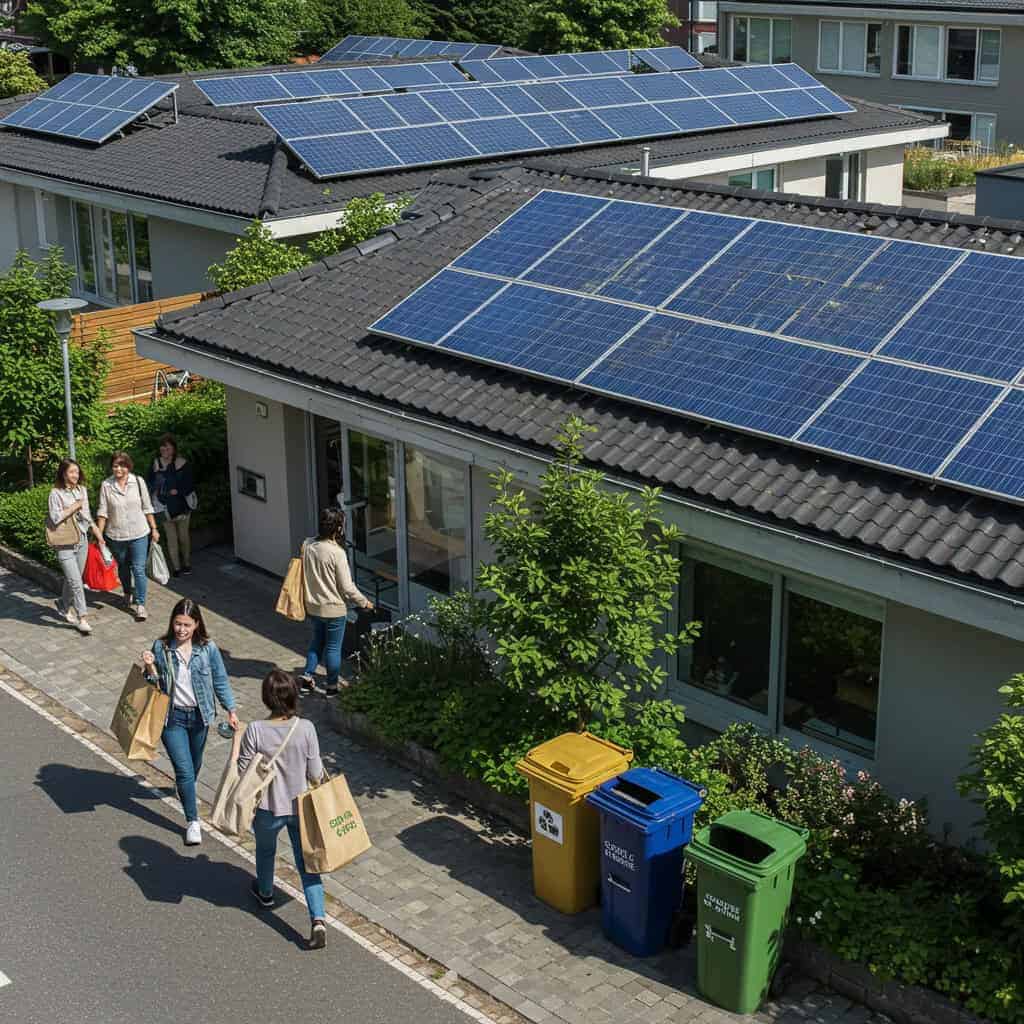
It’s a common misconception that sustainable living means abandoning modern conveniences or moving to remote locations. In reality, most people make meaningful environmental impacts by incorporating small, manageable changes into their routines—such as eating less meat, choosing reusable products, or minimizing food waste. You don’t have to live off the grid to be sustainable. Everyday actions, like recycling properly, are highly effective and accessible to everyone.

3. Sustainable Products Don’t Work as Well

3. Sustainable Products Don’t Work as Well
Image Source: Generated by Google Gemini

The belief that eco-friendly products are less effective is outdated. Advances in technology and materials mean that green cleaners, reusable water bottles, and bamboo toothbrushes now match or exceed the performance of traditional options. Many sustainable products undergo rigorous testing to ensure quality and effectiveness. High-performing sustainable products help consumers make choices that are both environmentally friendly and reliable in everyday use.

4. Sustainable Living Means Giving Up Comfort

4. Sustainable Living Means Giving Up Comfort
Image Source: Generated by Google Gemini

Adopting a sustainable lifestyle doesn’t mean sacrificing comfort or convenience. Technologies like smart thermostats and energy-efficient appliances allow you to enjoy a comfortable home while using less energy and saving money. These innovations maintain the ease and comfort of modern living without excess waste. Many certified appliances are specifically designed to deliver optimal comfort and performance, proving that sustainability and comfort can go hand in hand.

5. Only Big Changes Matter

5. Only Big Changes Matter
Image Source: Generated by Google Gemini

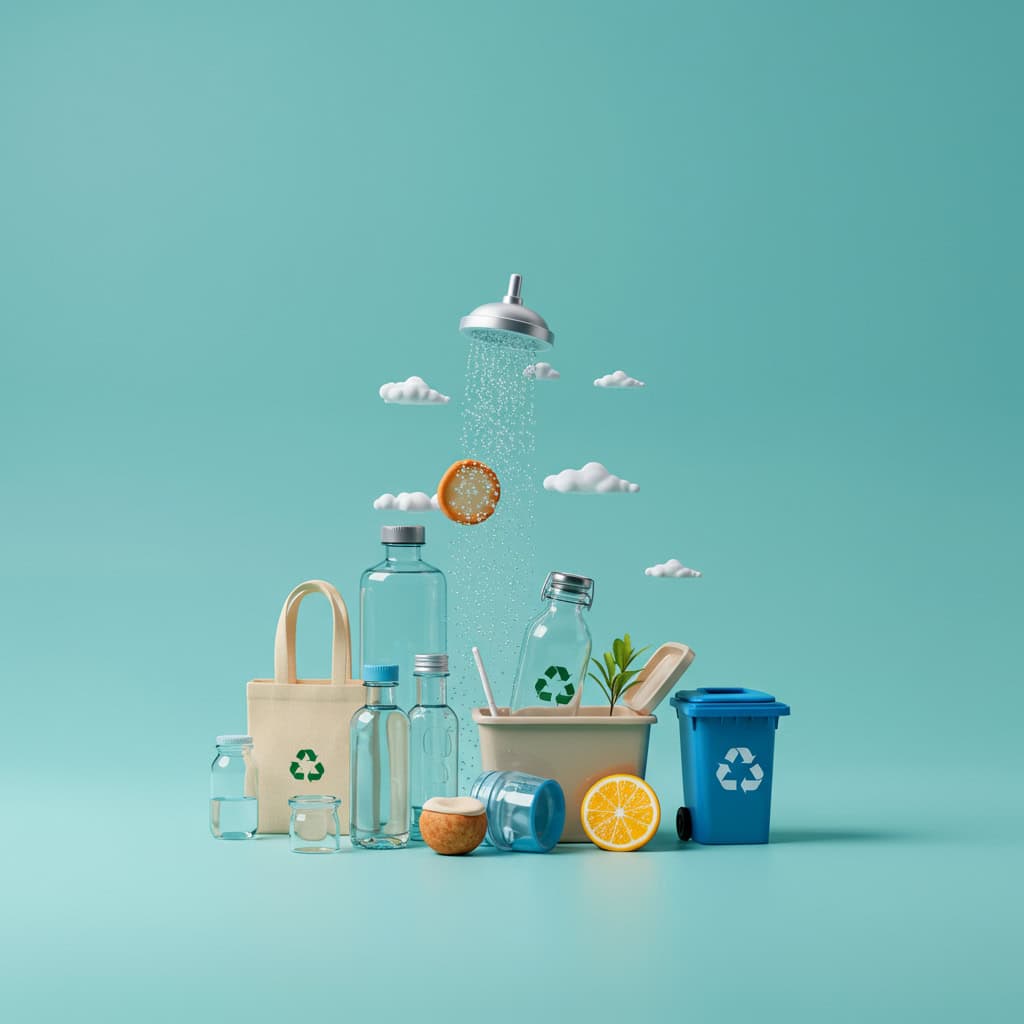
It’s a myth that only dramatic lifestyle shifts make a difference in sustainability. In reality, small, consistent actions—such as reducing plastic use, taking shorter showers, or bringing reusable bags—accumulate significant positive impact over time. Simple daily choices are powerful when multiplied across communities. Even modest efforts can drive substantial change, encouraging everyone to start with achievable steps toward a more sustainable future.

6. Sustainable Living Is Only About the Environment

6. Sustainable Living Is Only About the Environment
Image Source: Generated by Google Gemini

While environmental protection is a cornerstone of sustainability, true sustainable living also embraces social and economic dimensions. This means supporting fair labor practices, investing in local economies, and promoting equal opportunities for all. Sustainable choices can improve community well-being and foster a just society, not just a healthier planet.

7. One Person Can’t Make a Difference

7. One Person Can’t Make a Difference
Image Source: Generated by Google Gemini

The idea that individual actions don’t matter is simply untrue. When people collectively make sustainable choices—like reducing meat consumption or opting for reusable items—these small changes accumulate, influencing companies and markets. For example, the surge in demand for plant-based products has prompted major brands to expand their offerings. The power of collective individual action can drive large-scale transformations and inspire widespread adoption of sustainable practices.

8. Sustainable Living Is Only for Environmentalists

8. Sustainable Living Is Only for Environmentalists
Image Source: Generated by Google Gemini

Sustainable living isn’t exclusive to environmentalists; people from all walks of life embrace eco-friendly habits for many reasons, such as improved health, saving money, and building stronger communities. Support for sustainable practices spans a wide range of demographics and backgrounds. Americans’ interest in sustainability reflects diverse motivations, proving that anyone can contribute to a greener future regardless of their identity or profession.

9. Green Technology Is Always Better

9. Green Technology Is Always Better
Image Source: Generated by Google Gemini

Although green technology plays a crucial role in sustainability, it’s not a one-size-fits-all solution. In many cases, simple low-tech actions—like reducing energy consumption or reusing materials—are more impactful than adopting the latest gadget. Overreliance on technology can even overlook the importance of reducing resource use in the first place. Technology alone cannot resolve environmental crises; thoughtful lifestyle changes are often just as vital.

10. Sustainable Living Is Inconvenient

10. Sustainable Living Is Inconvenient
Image Source: Generated by Google Gemini

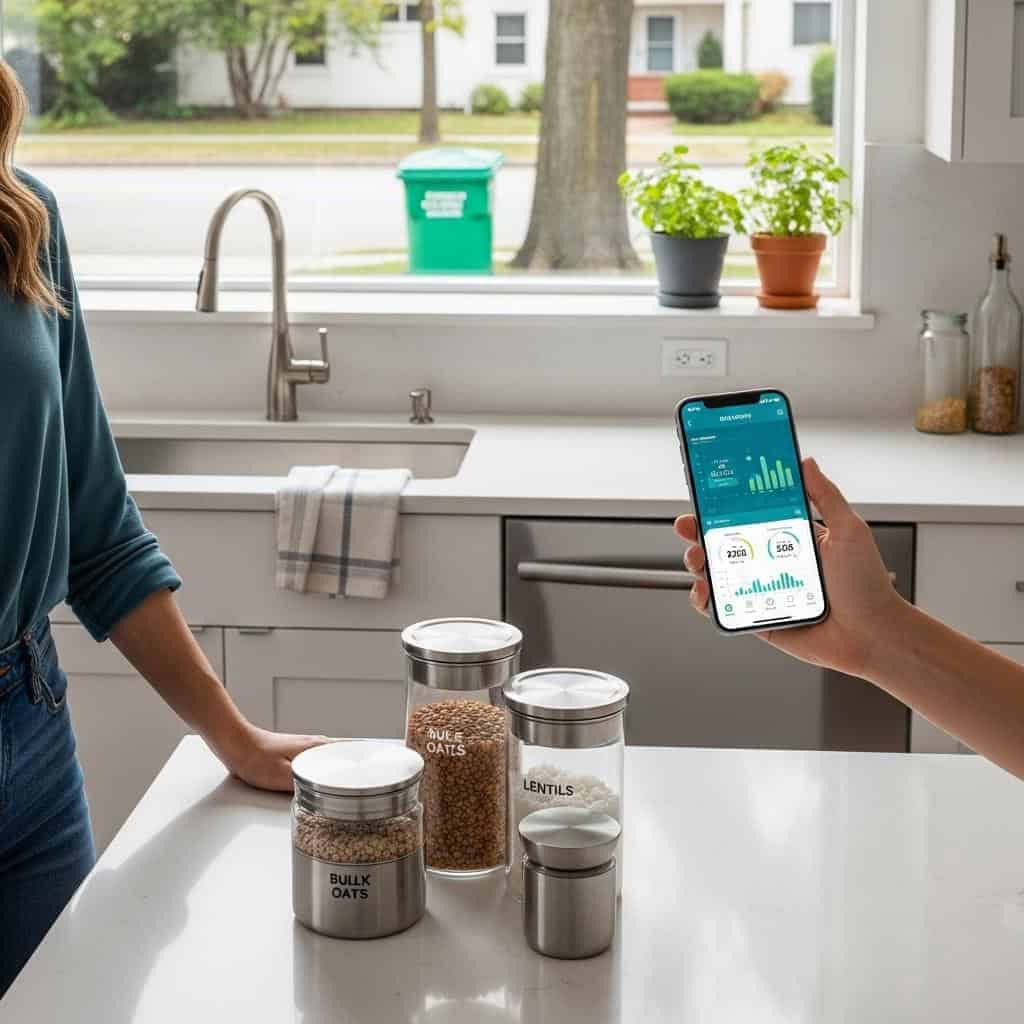
The belief that adopting sustainable habits is too inconvenient is increasingly unfounded. Technology and community initiatives have made eco-friendly living easier than ever. Apps help track energy use, bulk stores reduce packaging waste, and many cities now offer curbside composting. These solutions integrate seamlessly into daily life, minimizing extra effort.

Conclusion

Conclusion
Image Source: Generated by Google Gemini

In summary, sustainable living is far more accessible and practical than many myths suggest. Small, everyday actions genuinely make a difference, and today’s growing resources and technologies make eco-friendly choices easier than ever. By seeking reliable information and challenging common misconceptions, we empower ourselves to contribute meaningfully to a healthier planet and society. Embrace the facts, explore helpful guides like those from EPA and EarthDay.org, and start making sustainable choices confidently.

Advertisement