10 Housing Predictions Poised to Shape the Next Decade

Julie Ann - September 26, 2025
Share

The housing sector is on the brink of transformative change, fueled by global economic shifts, rapid technological innovation, and evolving demographic patterns. As affordability, sustainability, and urbanization reshape demand, the industry faces a pivotal era of disruption and opportunity. This article explores ten crucial predictions that experts believe will define residential real estate over the next ten years, guiding policymakers, investors, and homeowners alike.


1. Surge in Smart Home Technologies

1. Surge in Smart Home Technologies
Image Source: Generated by Google Gemini

Smart home devices—spanning voice assistants, automated lighting, and advanced security systems—are poised to become standard features in future residences. The integration of IoT (Internet of Things) will not only streamline daily routines but also significantly improve energy efficiency and security. Innovations such as smart thermostats and app-controlled appliances are already gaining traction. The global smart home market is projected to surpass $200 billion by 2030, highlighting the sector’s meteoric growth.

2. Expansion of Urban Vertical Living

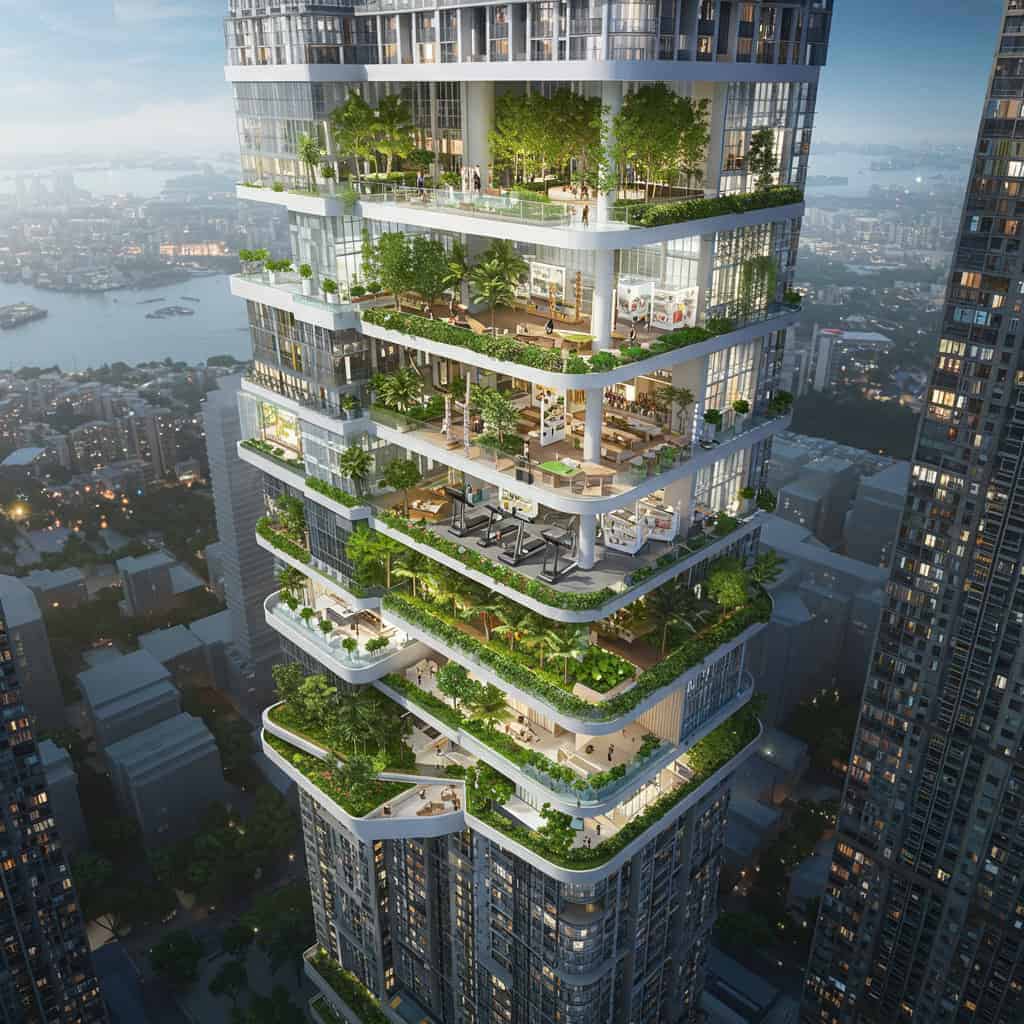
2. Expansion of Urban Vertical Living
Image Source: Generated by Google Gemini

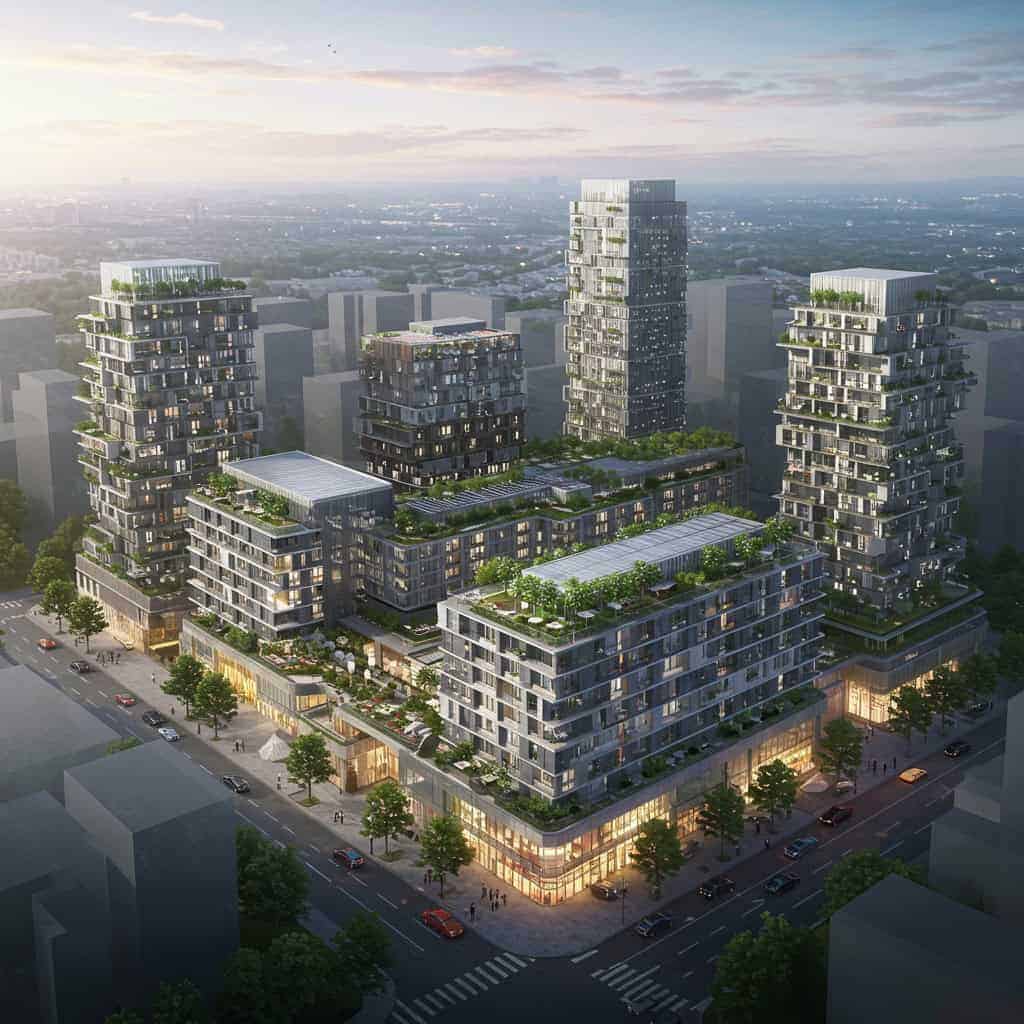
As urban land becomes increasingly scarce, the trend toward high-rise, vertical living is set to intensify. Cities such as Singapore and Hong Kong have pioneered this model, integrating residential towers with amenities like gardens, gyms, and retail spaces. This strategy supports higher population densities and maximizes the efficiency of urban infrastructure. Nearly 68% of the world’s population is expected to reside in urban areas by 2050, further fueling this vertical shift.

3. Growth in Suburban Renaissance

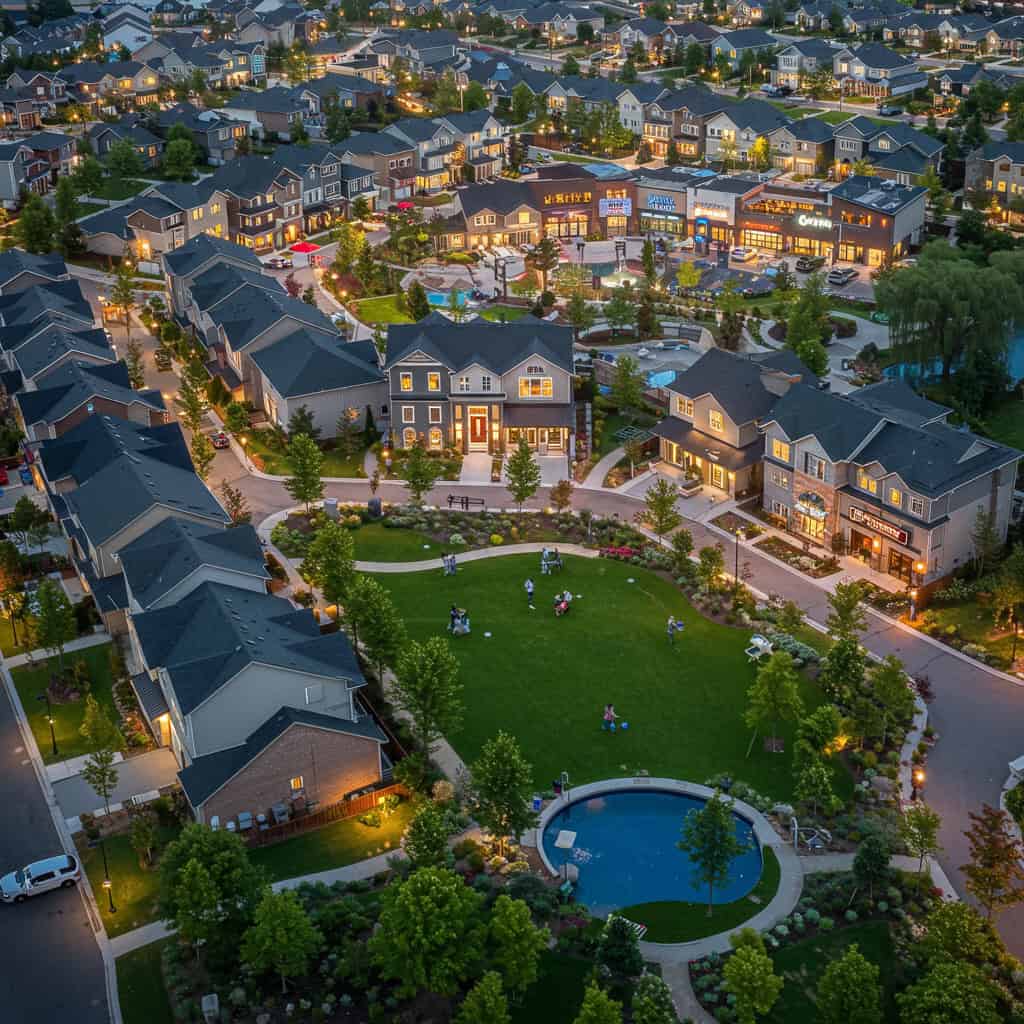
3. Growth in Suburban Renaissance
Image Source: Generated by Google Gemini

The shift toward suburban and exurban living, accelerated by the pandemic, continues as remote work becomes a lasting norm. Suburbs are no longer simply bedroom communities; they are evolving with improved amenities, enhanced walkability, and vibrant local economies, all while remaining more affordable than major city centers. Communities are being reimagined to attract a diverse range of residents and meet changing lifestyle preferences.

4. Affordable Housing Initiatives Gain Momentum

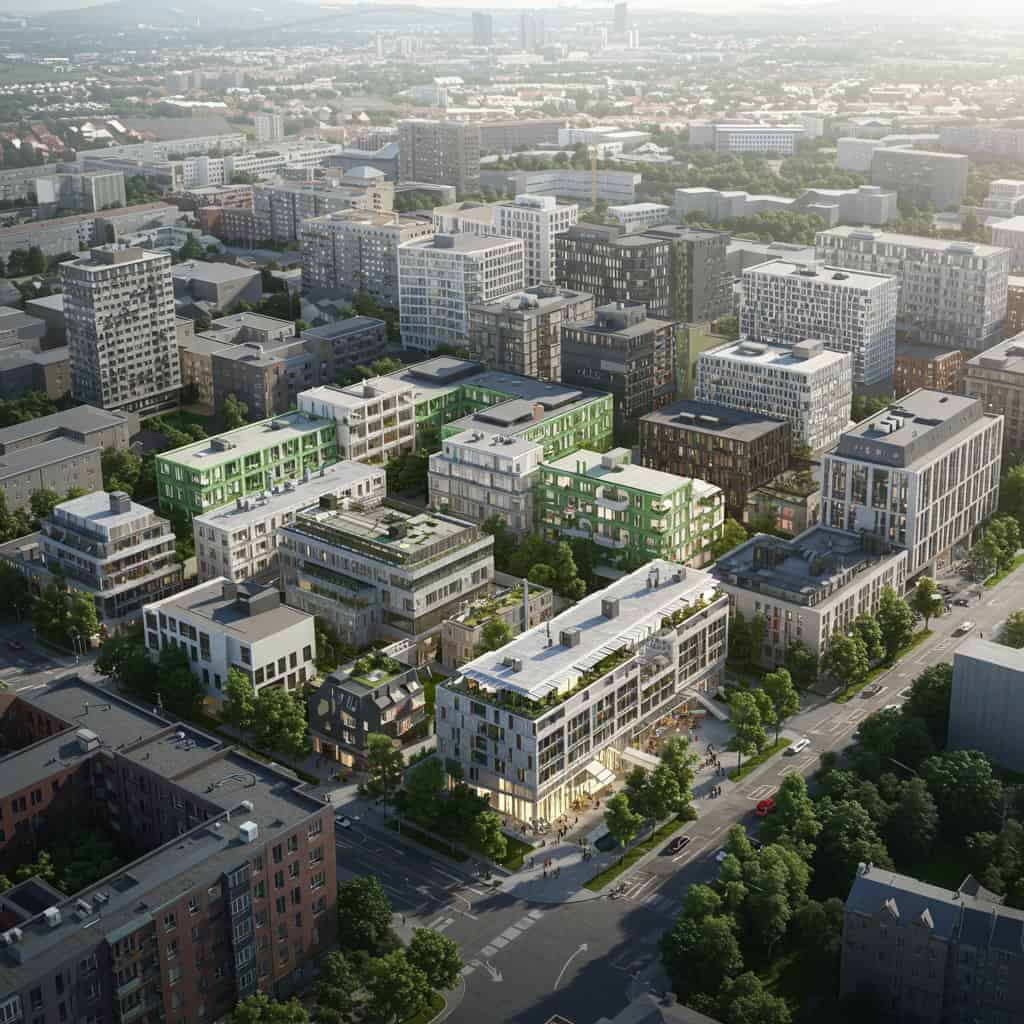
4. Affordable Housing Initiatives Gain Momentum
Image Source: Generated by Google Gemini

In response to escalating housing costs, both governments and the private sector are intensifying efforts to expand affordable housing. Strategies such as modular construction, public-private partnerships, and creative financing are gaining traction. Cities like Vienna and Singapore serve as leading examples, offering well-designed, accessible housing for wide segments of their populations. These efforts not only address immediate needs but also set new standards for quality and sustainability.

5. Climate-Resilient and Sustainable Housing

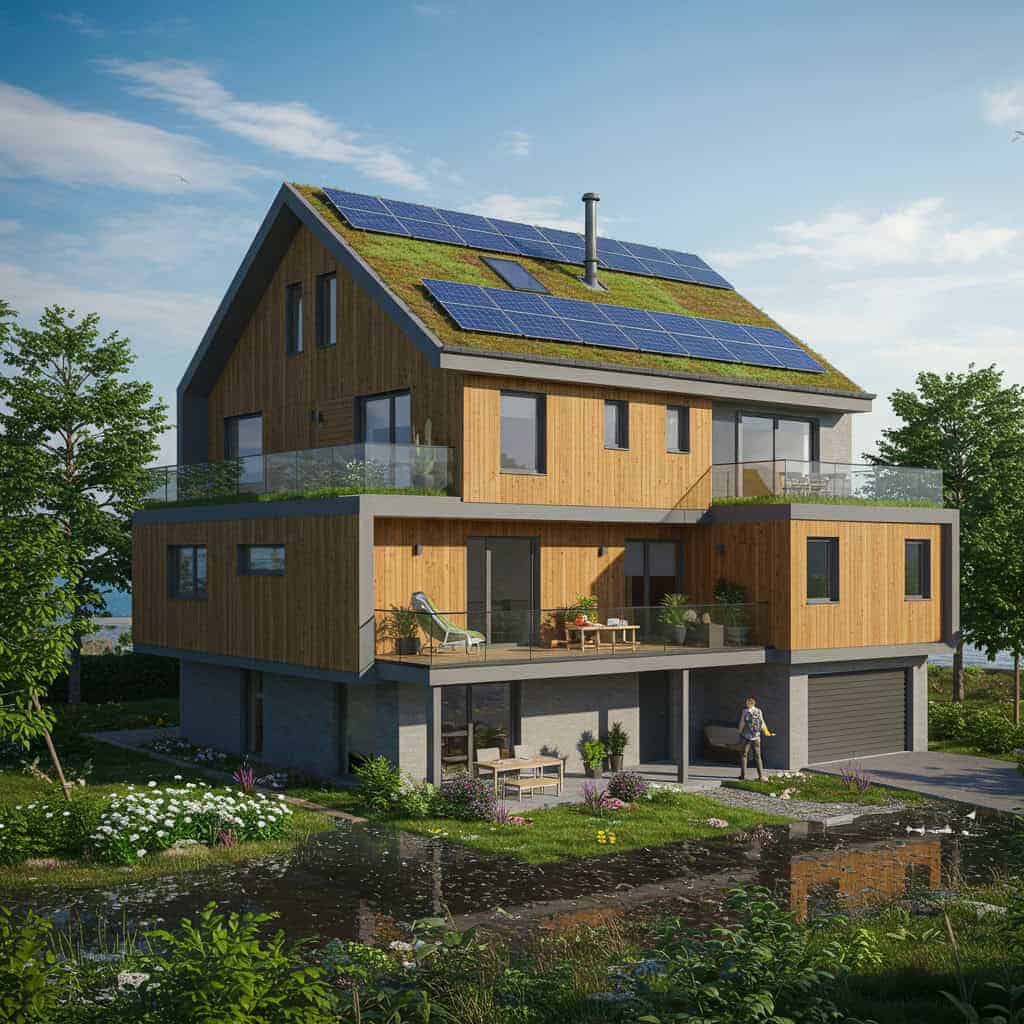
5. Climate-Resilient and Sustainable Housing
Image Source: Generated by Google Gemini

With increasing climate risks, the housing market is witnessing a surge in demand for resilient and environmentally friendly homes. Innovations such as solar panels, green roofs, and flood-resistant materials are becoming standard features, especially in regions vulnerable to natural disasters. Municipalities are also adopting sustainable building codes to future-proof new developments. These measures not only reduce environmental impact but also enhance property value and occupant safety.

6. Rise of Multi-Generational Living

6. Rise of Multi-Generational Living
Image Source: Generated by Google Gemini

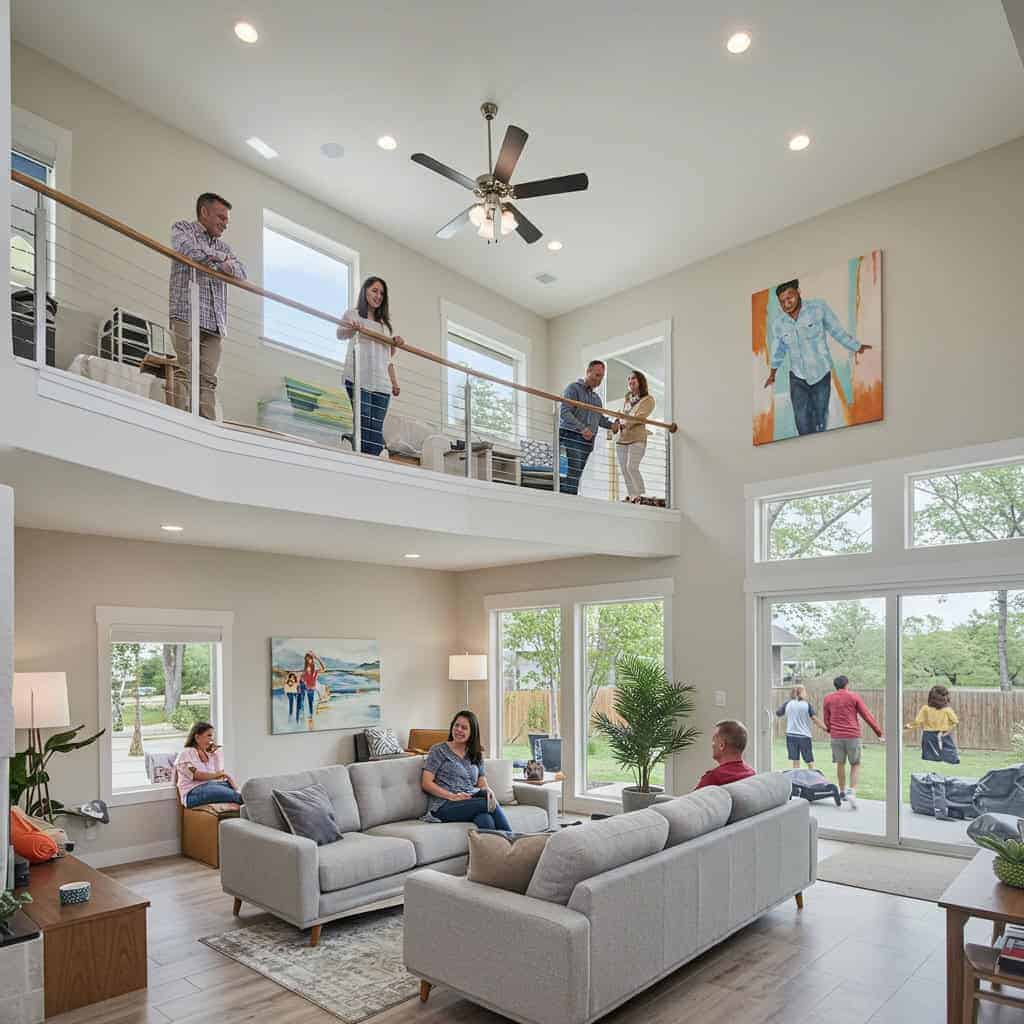
Economic factors and evolving cultural norms are fueling a rise in multi-generational households. Home designs are adapting, featuring flexible layouts, private suites, and shared living spaces tailored to extended families. This approach fosters stronger family support systems while optimizing housing costs. Nearly one in five Americans now reside in multi-generational homes, a figure that is expected to remain steady or grow in the coming decade.

7. Flexibility in Housing Design

7. Flexibility in Housing Design
Image Source: Generated by Google Gemini

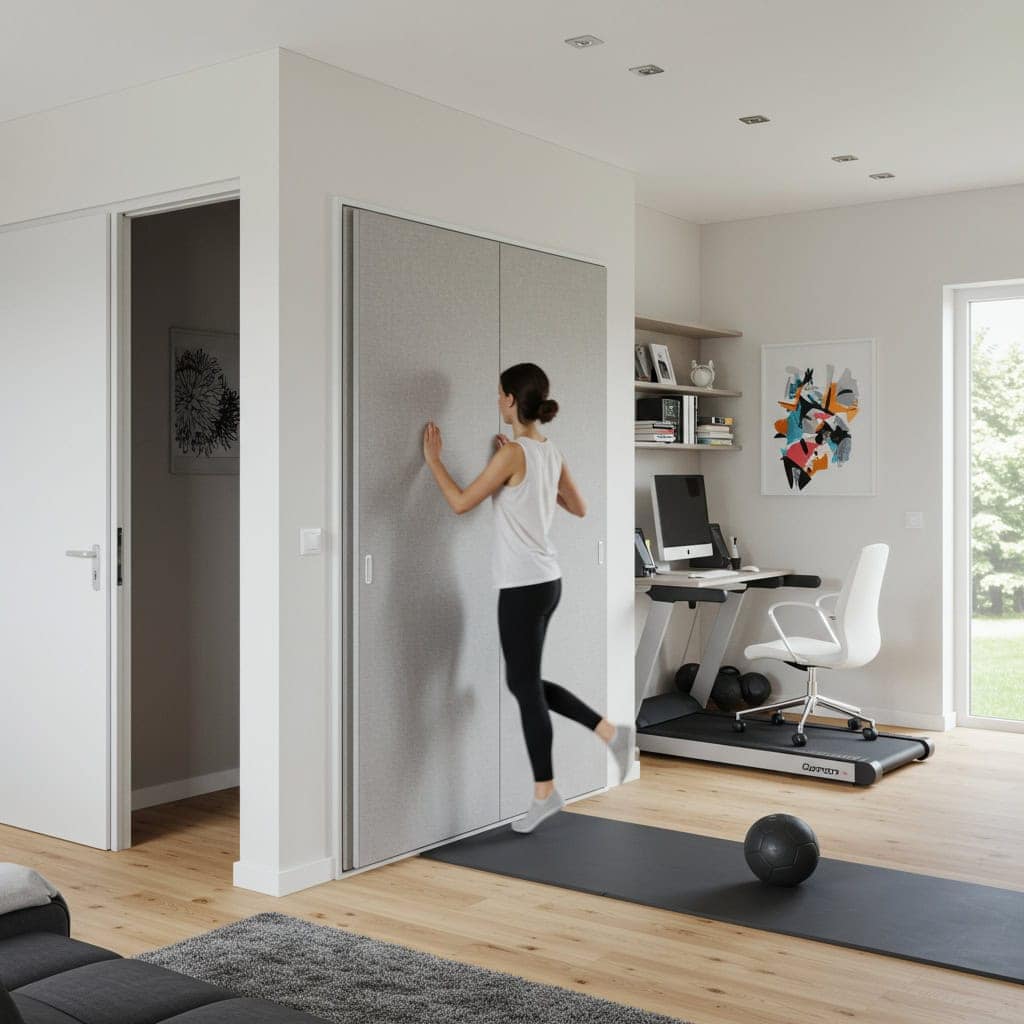
As lifestyles shift, demand for adaptable housing layouts is soaring. Homebuyers now prioritize flexible floorplans and multipurpose rooms that can seamlessly transform for remote work, exercise, or accommodating family changes. Innovations such as movable walls, modular furniture, and convertible spaces are increasingly popular, allowing homes to evolve alongside residents’ needs. This trend toward versatility not only optimizes living space but also adds long-term value.

8. Increased Institutional Investment in Housing

8. Increased Institutional Investment in Housing
Image Source: Generated by Google Gemini

Institutional investors, including pension funds and private equity firms, are playing a larger role in residential real estate. Their involvement is accelerating the professionalization and scaling of the rental market, often leading to greater operational efficiency. However, this trend has sparked debates about housing affordability and the erosion of local ownership. The shift is reshaping market dynamics, with both positive and negative implications for communities.

9. Integration of Health and Wellness Features

9. Integration of Health and Wellness Features
Image Source: Generated by Google Gemini

The post-pandemic era has brought health and wellness to the forefront of home design. Homeowners and developers are now emphasizing enhanced air quality, abundant natural light, and dedicated spaces for exercise and meditation. Touchless technologies and anti-microbial materials are also becoming standard, contributing to safer, healthier living environments. These features are shaping both new construction and renovation projects.

10. Transformation of Homeownership Models

10. Transformation of Homeownership Models
Image Source: Generated by Google Gemini

Emerging homeownership models like co-ownership, rent-to-own, and shared equity are reshaping access to housing, particularly for younger generations grappling with affordability issues. These innovative approaches provide greater flexibility, enabling individuals to enter the market or build equity without traditional barriers. Such models are expected to gain momentum as the demand for accessible housing solutions grows.

Conclusion

Conclusion
Image Source: Generated by Google Gemini

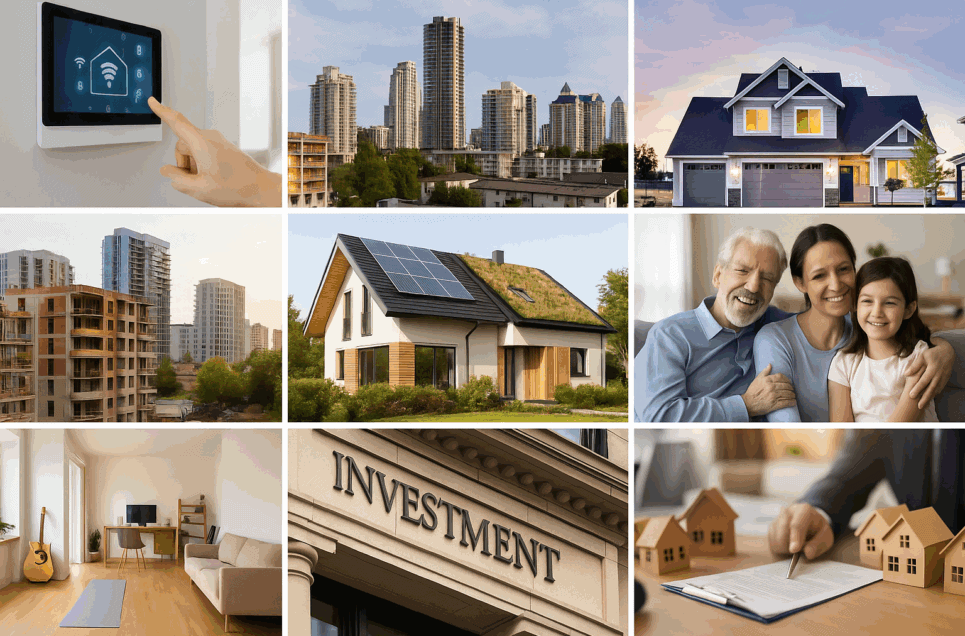
These ten predictions reveal a housing landscape in flux, shaped by converging forces of technology, sustainability, shifting demographics, and evolving economic models. As these trends intersect, they promise to redefine where and how people live, demanding adaptability and forward-thinking solutions from all stakeholders. Emphasizing innovation and resilience will be crucial for meeting future housing needs. For more insights on the future of housing, explore analyses from McKinsey and Forbes Real Estate.

Advertisement