How to Start Building an Art Portfolio from Scratch

Robin - November 23, 2025
Share

A well-crafted art portfolio is essential for artists seeking acceptance into schools, landing commissions, or showcasing their skills to prospective clients. Building a portfolio from scratch might seem daunting, but taking a structured approach can turn the process into an exciting journey of self-discovery and growth.

By following proven steps, even beginners can assemble a collection that truly reflects their unique artistic voice. A strong portfolio opens doors to new opportunities and helps you stand out in a competitive creative landscape.

Define Your Artistic Goals

Step 1: Define Your Artistic Goals
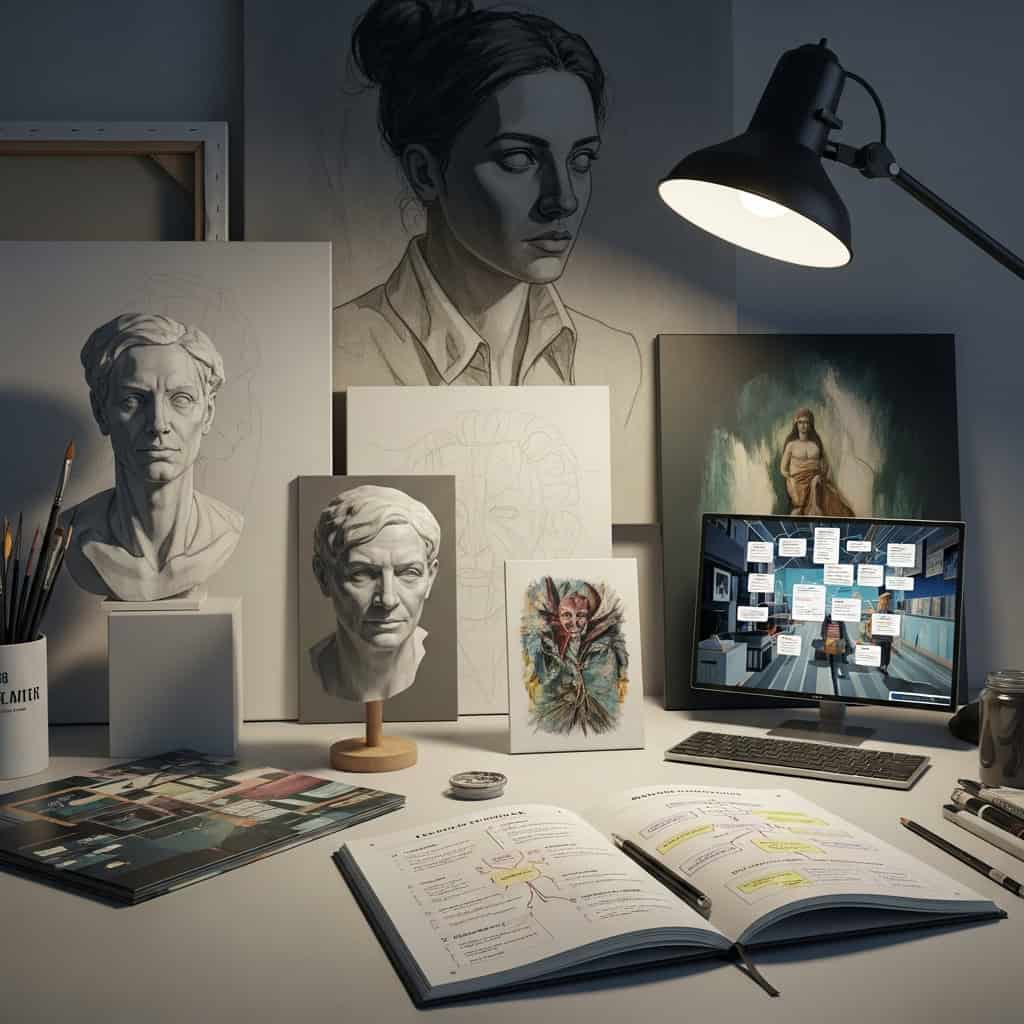
A focused artist sketches plans in a notebook, surrounded by colorful paints and inspiration boards, mapping out creative goals. | Generated by Google Gemini

Before selecting or creating artwork, it’s vital to clarify your artistic goals. Are you building your portfolio for admission to an art school, to launch a freelance career, or to track your personal artistic progress? Understanding your intentions helps you curate and create pieces that best represent your style and aspirations.

This focus ensures your portfolio resonates with your target audience, whether it’s admissions committees or potential clients. For inspiration on setting clear artistic objectives, explore Artists Network’s guide to setting artistic goals.

Gather Your Existing Work

Step 2: Gather Your Existing Work
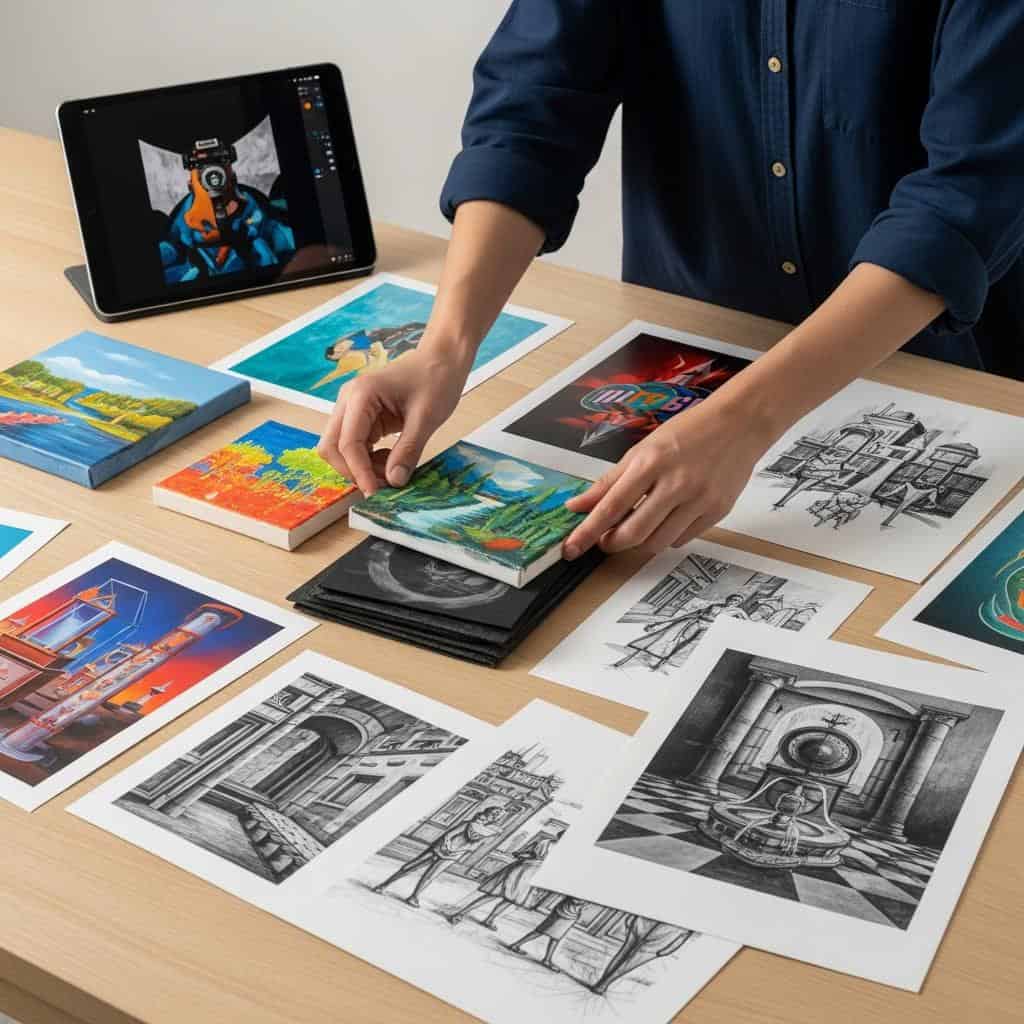
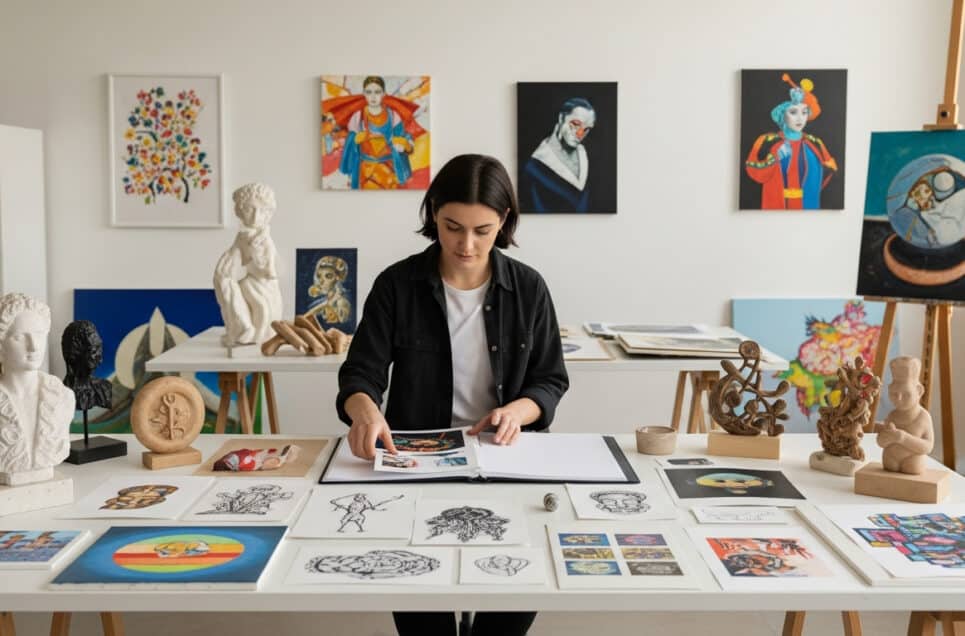
Carefully reviewing and selecting your strongest artworks ensures a portfolio that highlights growth and skill. | Generated by Google Gemini

Start by collecting all your previous artworks, sketches, and studies, regardless of their completion level. Spread them out and take time to review each piece critically, assessing both technical skill and personal expression. Select works that align with your defined goals and showcase your abilities and growth.

Quality should always take precedence over quantity—choose only your strongest and most relevant pieces. This careful selection process lays a solid foundation for your portfolio. For tips on evaluating your art, check out this guide to critiquing your own artwork by Artists Network.

Fill in the Gaps with New Pieces

Step 3: Fill in the Gaps with New Pieces
A vibrant group of artists of all backgrounds collaborate at a studio table, honing their skills and expressing creativity. | Generated by Google Gemini

After evaluating your existing work, identify any missing skills, styles, or themes that your portfolio should include. For example, if you lack figure drawings, digital art, or pieces showcasing your use of color, set specific goals to create new artworks that address these gaps.

Producing fresh pieces allows you to demonstrate versatility, growth, and a willingness to challenge yourself. This targeted approach ensures your portfolio is well-rounded and compelling. For practical advice on diversifying your portfolio, visit Format’s guide to making an art portfolio.

Curate and Edit Your Portfolio

Step 4: Curate and Edit Your Portfolio
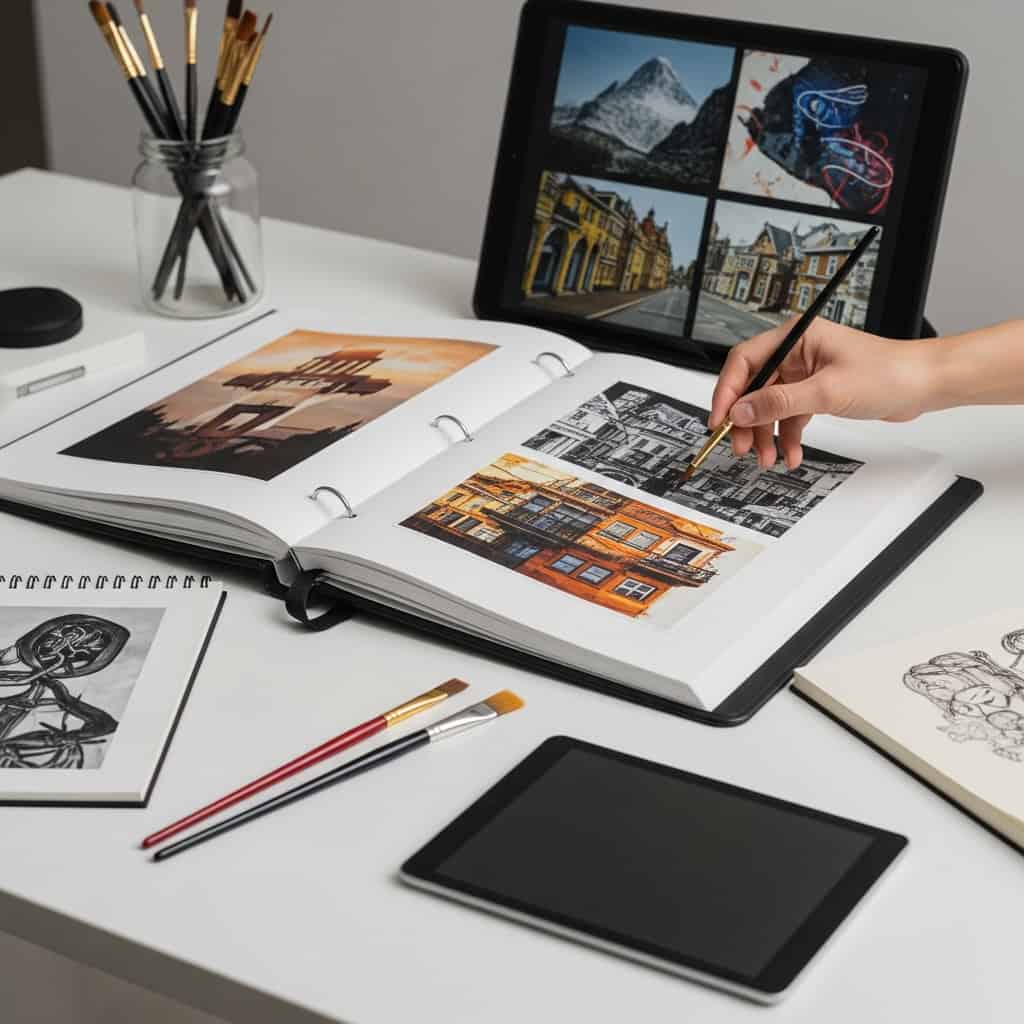
Curated portfolio showcasing cohesive, high-quality artworks, thoughtfully organized for a polished professional presentation. | Generated by Google Gemini

Once you have a robust collection of artworks, carefully select the strongest pieces that best represent your skills and artistic vision. Aim for cohesion by choosing works that complement each other in style, theme, or technique.

Organize them in a logical sequence—such as by medium, subject, or chronology—to create a smooth viewing experience. Take time to edit each image for clarity, color accuracy, and professional presentation. Well-curated and polished portfolios make a lasting impression. For more on portfolio organization and editing, consult SAIC’s portfolio tips.

Choose the Right Format

Step 5: Choose the Right Format
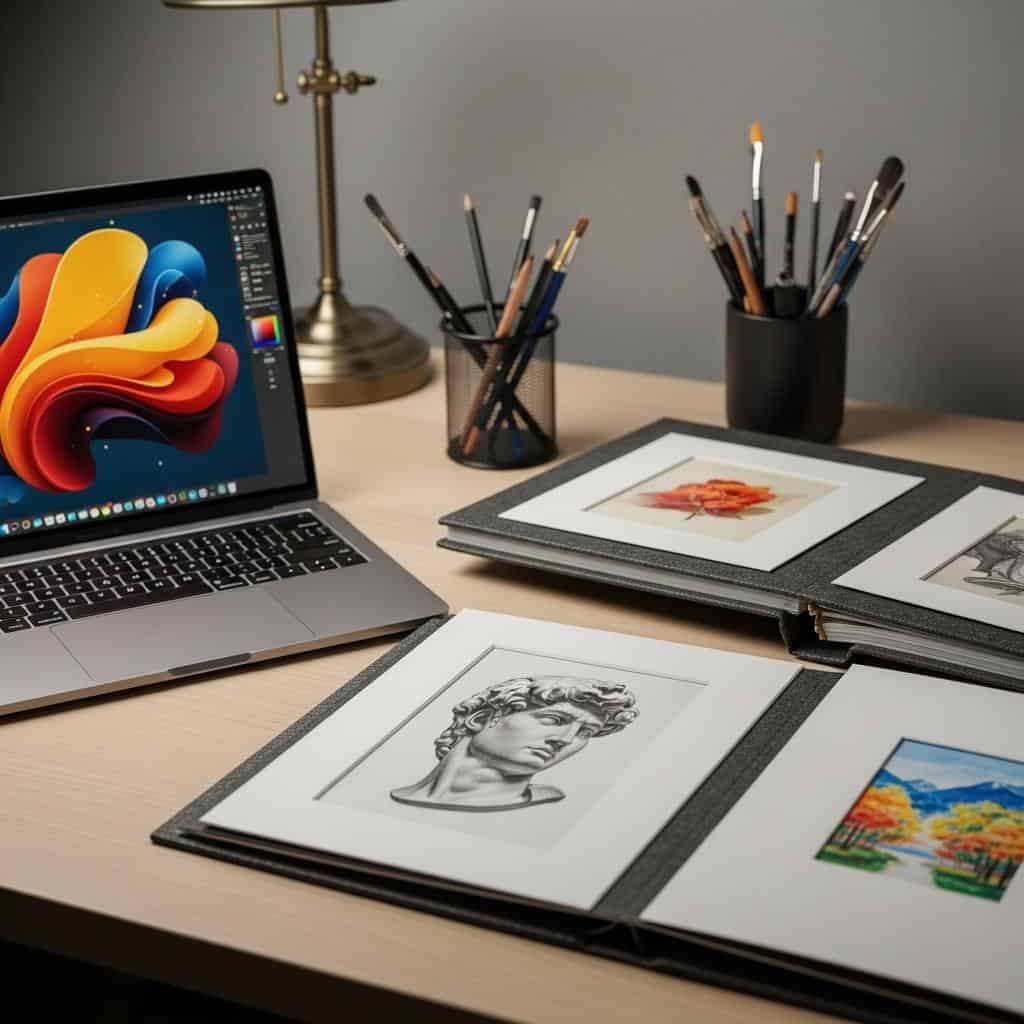
Choosing between digital and physical portfolios depends on your audience, goals, and presentation needs. | Generated by Google Gemini

Decide whether a digital or physical portfolio best suits your goals and audience. Digital portfolios are ideal for sharing online, applying to schools, or reaching a wider audience—platforms like Behance make showcasing your work easy and professional.

Physical portfolios, on the other hand, provide a tactile experience and are often preferred for in-person reviews or interviews. Whichever format you choose, ensure your presentation is neat, organized, and tailored to the expectations of your intended viewers. Adapt your portfolio content and style as needed for specific opportunities or applications.

Write Clear Artwork Descriptions

Step 6: Write Clear Artwork Descriptions
A detailed artist statement accompanies a vibrant mixed-media painting, offering insight into the inspiration and creative process. | Generated by Google Gemini

Accompany each portfolio piece with a concise, informative description. Include the title, medium, dimensions, and completion date, but also share the concept and techniques behind your work. Briefly explain your creative process or the inspiration for each piece to give viewers deeper insight into your artistic intentions.

Well-written descriptions help admissions officers, clients, or employers connect with your art and appreciate your skills. For advice on writing effective artwork statements, refer to Artsy’s guide to writing artist statements.

Seek Feedback and Revise

Step 7: Seek Feedback and Revise
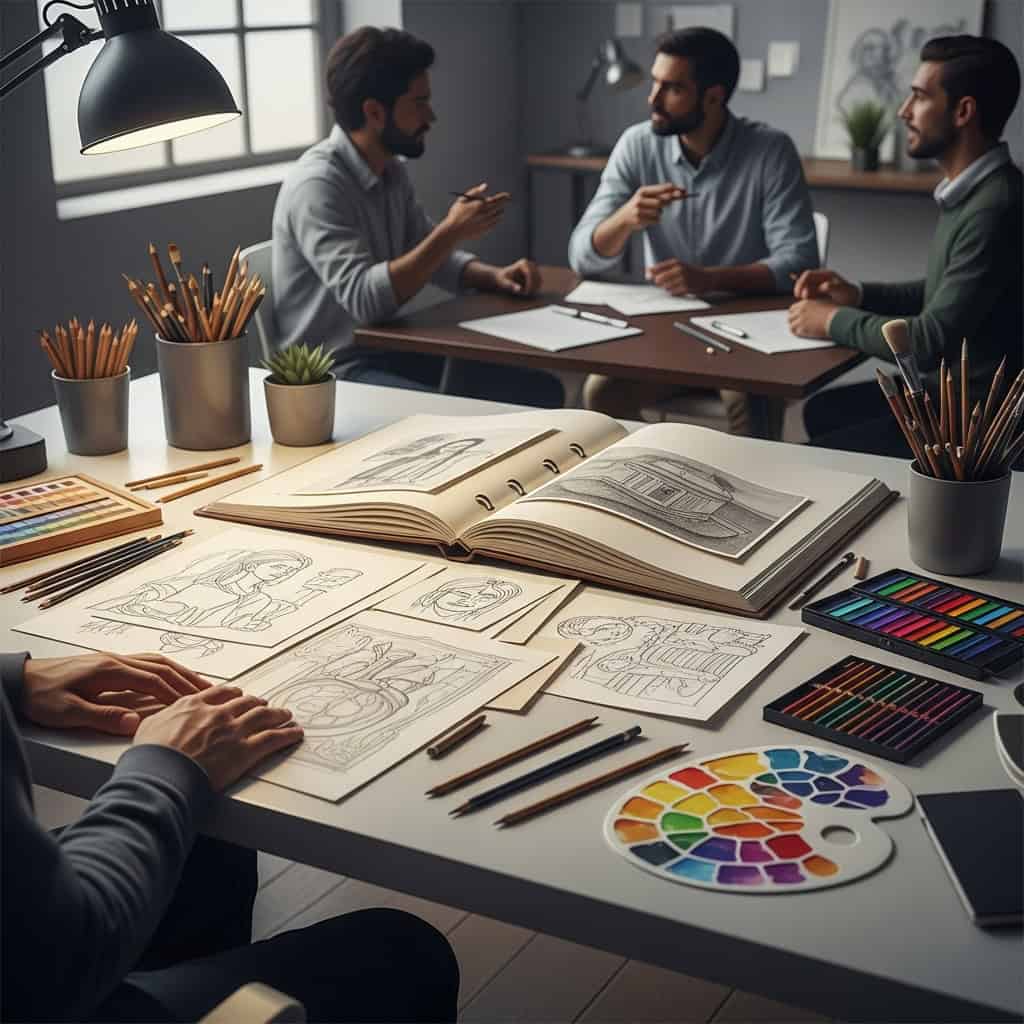
A group of artists gather around a table, exchanging thoughtful feedback as they review and revise their portfolios together. | Generated by Google Gemini

Share your portfolio with trusted mentors, teachers, or fellow artists to gather honest and constructive feedback. Outside perspectives can reveal areas for improvement and help you refine both your artwork selection and presentation. Be open to criticism and use it as an opportunity to strengthen your portfolio’s impact.

Revise your collection by replacing weaker pieces, enhancing descriptions, or improving organization based on the advice you receive. This collaborative process ensures your portfolio is polished and compelling. For tips on receiving and applying feedback, check out The Art League’s guide to art critique.

Present and Share Your Portfolio

Step 8: Present and Share Your Portfolio
A digital portfolio presentation unfolds on a laptop screen, showcasing vibrant artworks in an engaging online art show setting. | Generated by Google Gemini

Once your portfolio is finalized, focus on presenting it professionally. For online sharing, create a dedicated website or use platforms like ArtStation to reach a broader audience. When presenting in person, ensure your physical portfolio is neatly organized in a quality binder or case.

Tailor your approach for each recipient—whether it’s an art school, gallery, or potential client—by customizing your introduction and highlighting relevant works. Consider networking events, social media, and portfolio reviews to expand your reach. For more tips, explore Format’s portfolio presentation tips.

Conclusion

Conclusion
A collection of vibrant sketches and paintings spread across a table, capturing an artist’s creative growth and progress. | Generated by Google Gemini

Building an art portfolio from scratch is a rewarding process that involves setting clear goals, curating and creating thoughtful works, and presenting them in the best possible light. By following these systematic steps, you can showcase your unique skills and creative journey to schools, galleries, or clients.

Remember, a portfolio is never truly finished—continue updating it as your abilities improve and your artistic direction shifts. Regular reflection and revision ensure your collection stays fresh and relevant. For ongoing portfolio development advice, visit Creative Bloq’s guide to successful art portfolios.

Advertisement