Why Biophilic Design Is Transforming Modern Architecture

Robin - November 16, 2025
Share

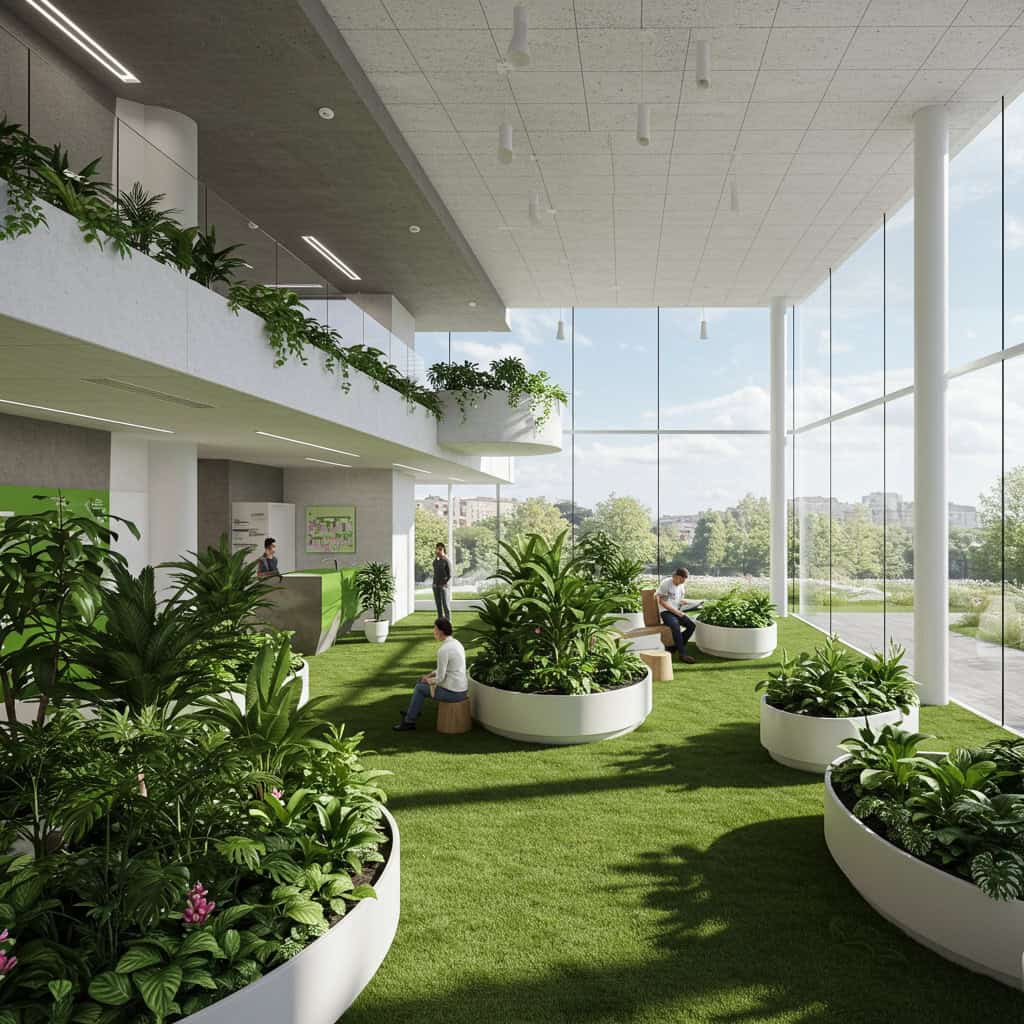
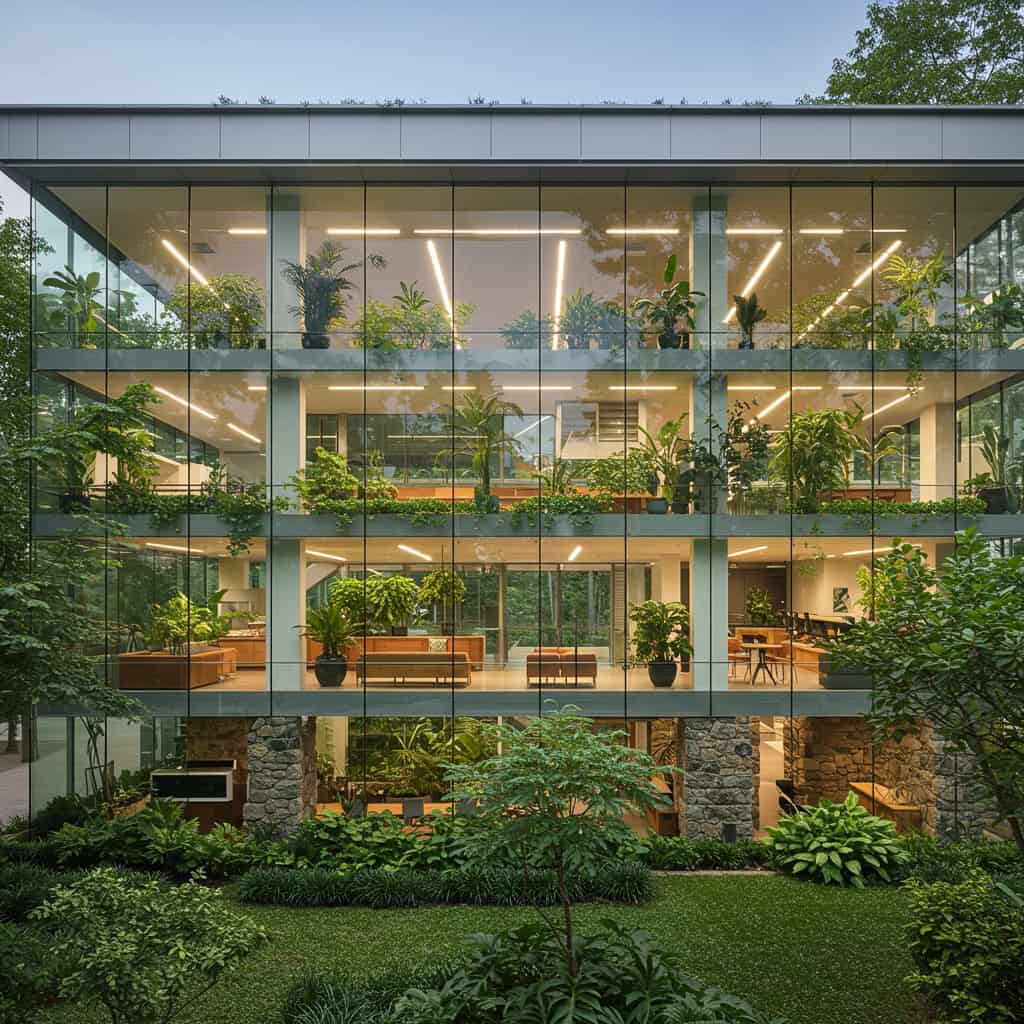
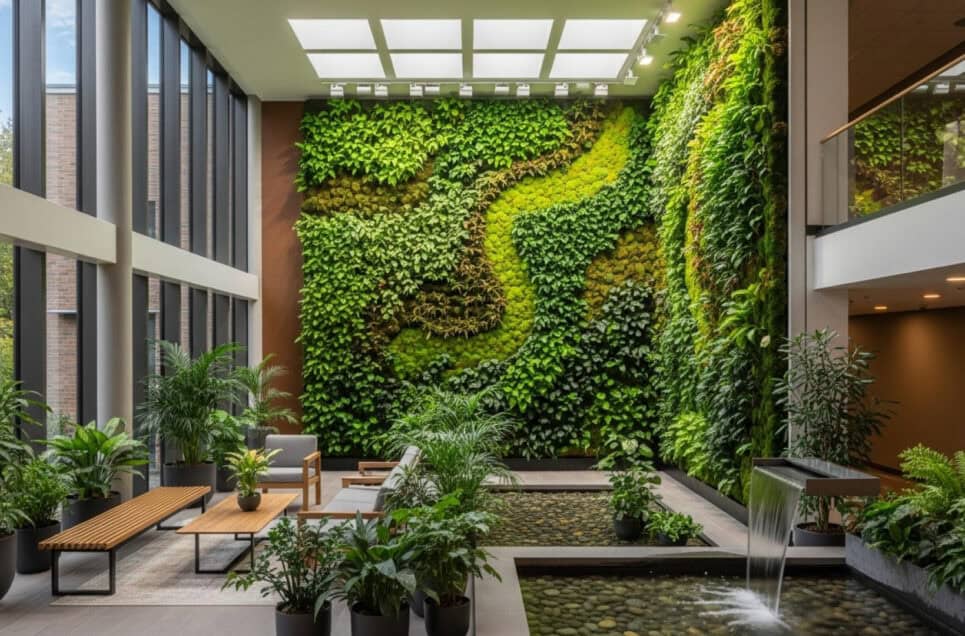
Biophilic design, the innovative integration of natural elements into built environments, is reshaping the landscape of contemporary architecture. As urbanization accelerates and people spend more time indoors, architects and designers are turning to nature-inspired solutions to enhance wellbeing and sustainability.

This article explores how biophilic design principles are influencing modern spaces, offering practical insights, real-world examples, and highlighting the profound benefits for health and productivity. Discover why leading architects are embracing this movement.
The Principles of Biophilic Design

Step 1: Understand the Principles of Biophilic Design
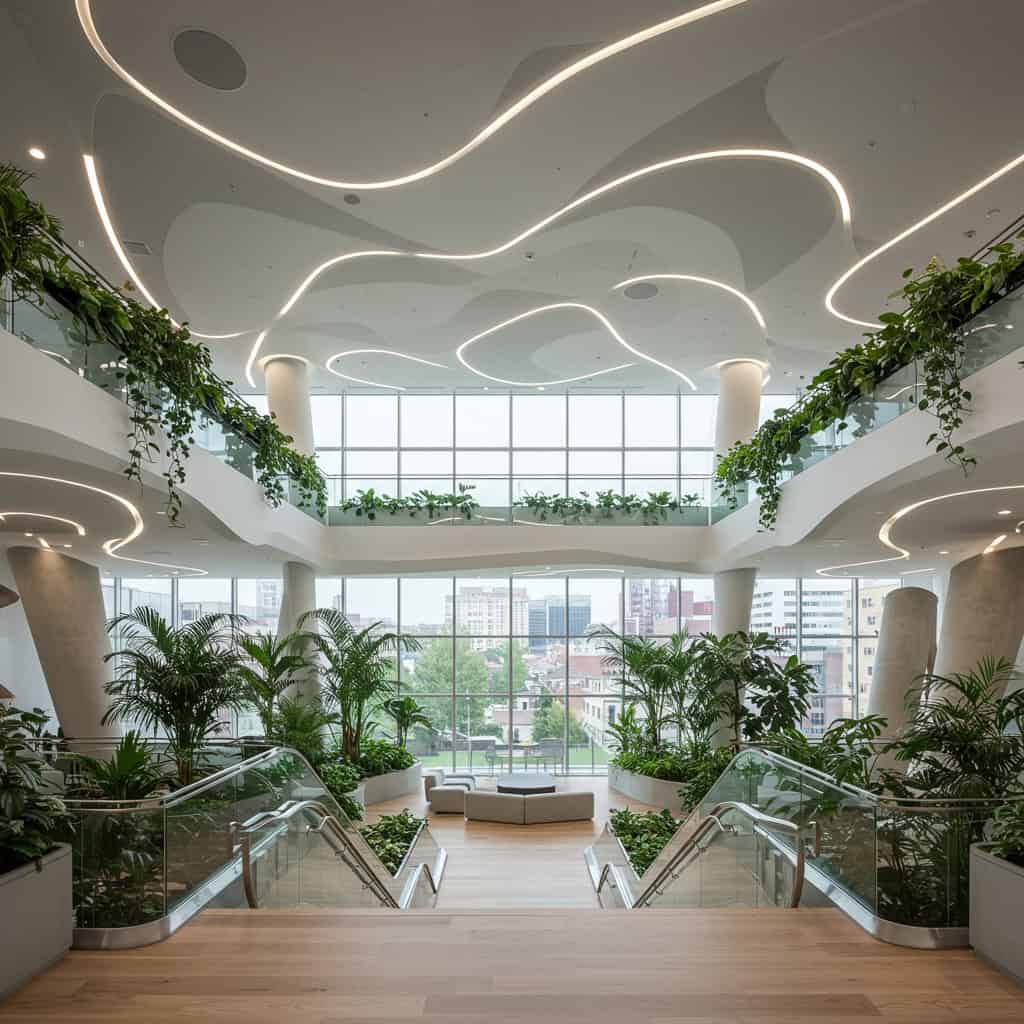
Lush greenery cascades from ceiling planters and living walls, seamlessly blending nature with sleek, modern architecture. | Generated by Google Gemini

Biophilic design centers on incorporating nature’s patterns and processes into architecture to foster a deep connection between people and their environments. Key elements include maximizing natural light, integrating plants and greenery, and using materials or forms that mimic organic shapes.

The rationale is rooted in research showing that exposure to nature enhances wellbeing, creativity, and productivity. By understanding these core concepts, architects can create spaces that not only look beautiful but also support human health. For a comprehensive overview of biophilic design principles, visit Building Design + Construction.

Assess Your Space and Identify Opportunities

Step 2: Assess Your Space and Identify Opportunities
A team of architects examines blueprints beside large windows, assessing the space and abundance of natural light for planning. | Generated by Google Gemini

Begin by evaluating your current environment to uncover opportunities for introducing biophilic elements. Observe how natural light enters the space, the placement and size of windows, and existing greenery or views of nature. Identify areas that lack natural features and could benefit from enhancements, such as underutilized corners or blank walls.

Consider how airflow, acoustics, and materials can be improved to mimic natural environments. This assessment forms the foundation for meaningful transformation. For practical tips on evaluating and enhancing your space, explore the guide from Houzz.

Incorporate Natural Light and Views

Step 3: Incorporate Natural Light and Views
Sunlight pours through expansive windows, illuminating a cozy living space with breathtaking views of lush greenery outside. | Generated by Google Gemini

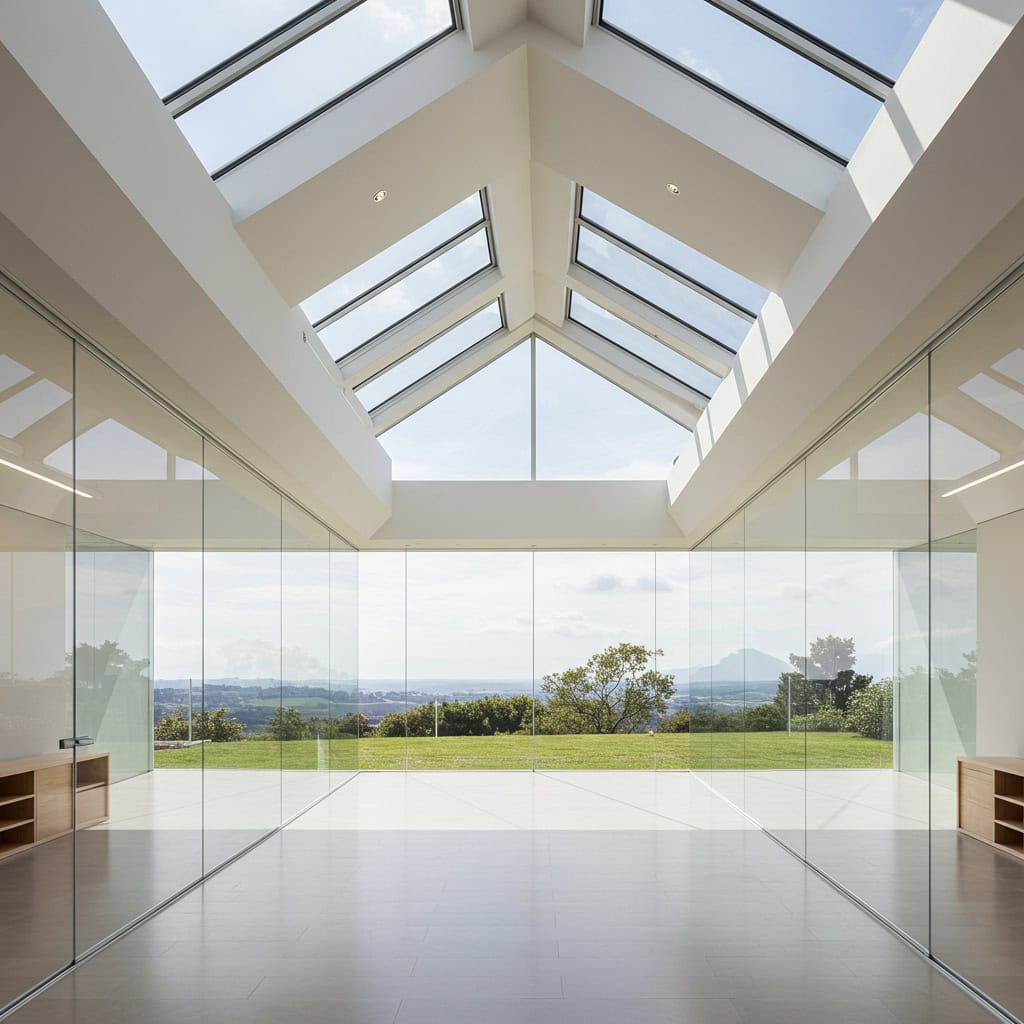
Maximizing natural light is a cornerstone of biophilic design. Strategies include installing large windows, skylights, and transparent partitions to flood interiors with daylight and offer uninterrupted views of the outdoors. These design choices not only reduce energy consumption but also boost occupant mood, productivity, and overall well-being.

Thoughtful window placement can frame natural scenery, while glass walls or partitions help dissolve the boundaries between inside and outside spaces. For more inspiration on daylighting techniques in modern architecture, visit ArchDaily’s natural light guide.

Integrate Greenery and Living Elements

Step 4: Integrate Greenery and Living Elements
Lush indoor plants and vibrant green walls create a refreshing oasis beneath the open sky of a rooftop garden. | Generated by Google Gemini

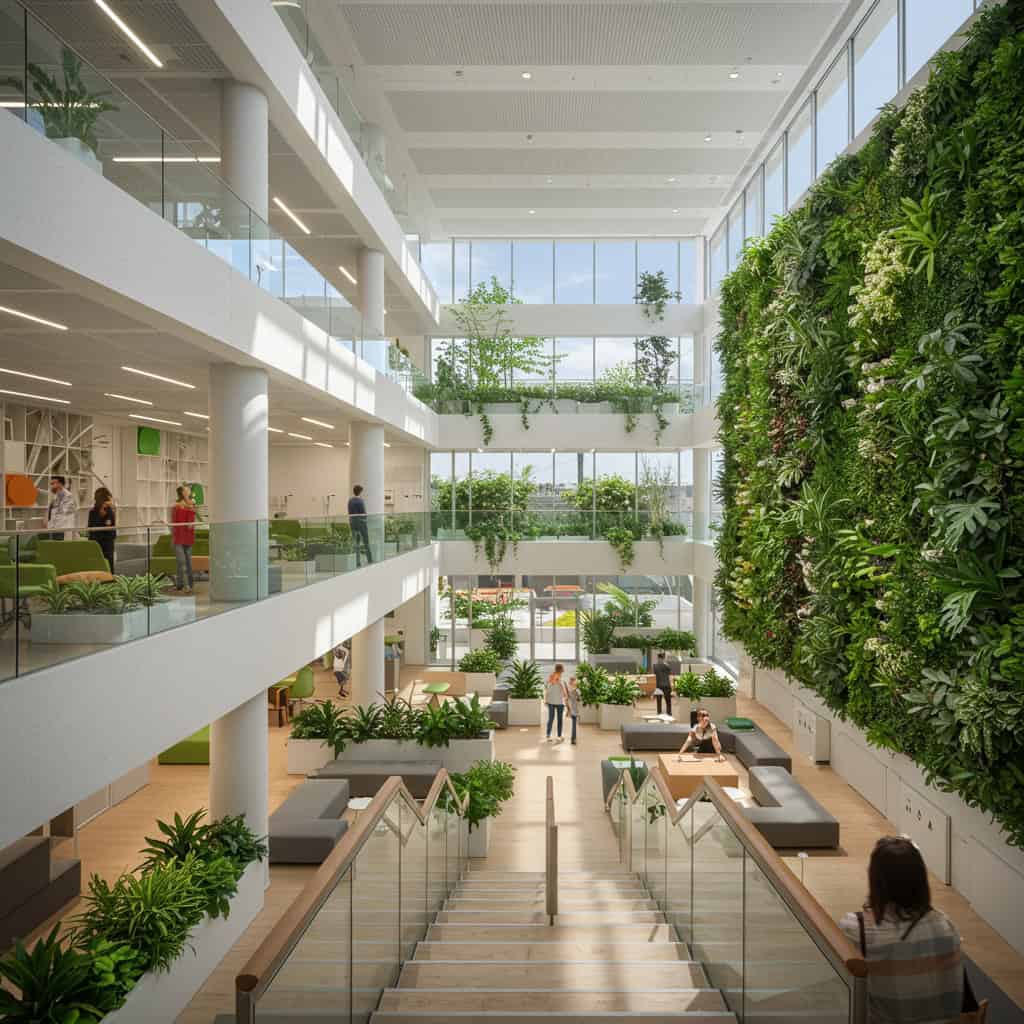
Introducing living elements is essential for a biophilic environment. Add indoor plants throughout communal and private areas to naturally purify air and create a calming atmosphere. Consider installing green walls, which not only beautify but also improve indoor air quality and acoustics.

Rooftop gardens offer urban dwellers access to green space, promoting relaxation and biodiversity. These interventions have been shown to reduce stress and strengthen our innate connection to nature. For inspiration and practical advice on incorporating greenery, explore this resource from Dezeen.

Use Natural Materials and Organic Forms

Step 5: Use Natural Materials and Organic Forms
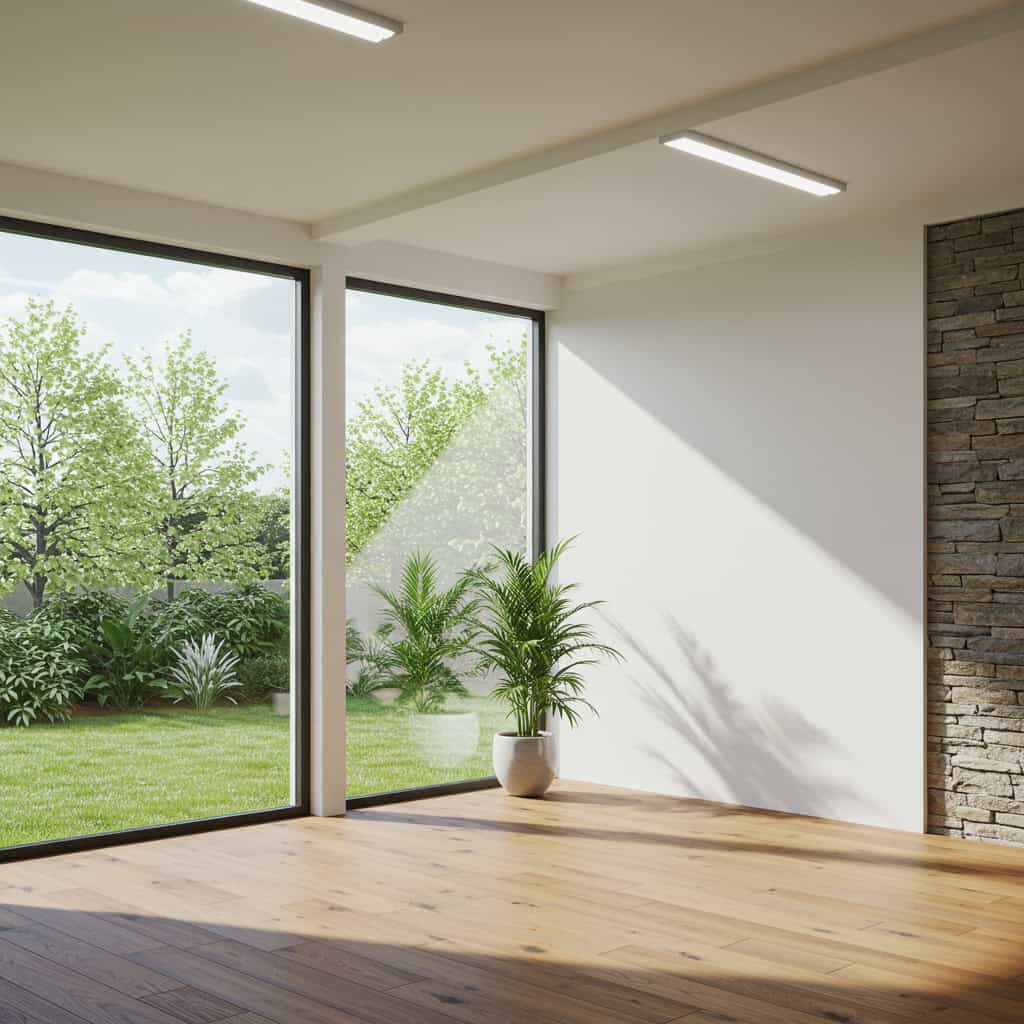
Warm wood materials and rugged natural stone blend seamlessly in this stunning example of organic architecture. | Generated by Google Gemini

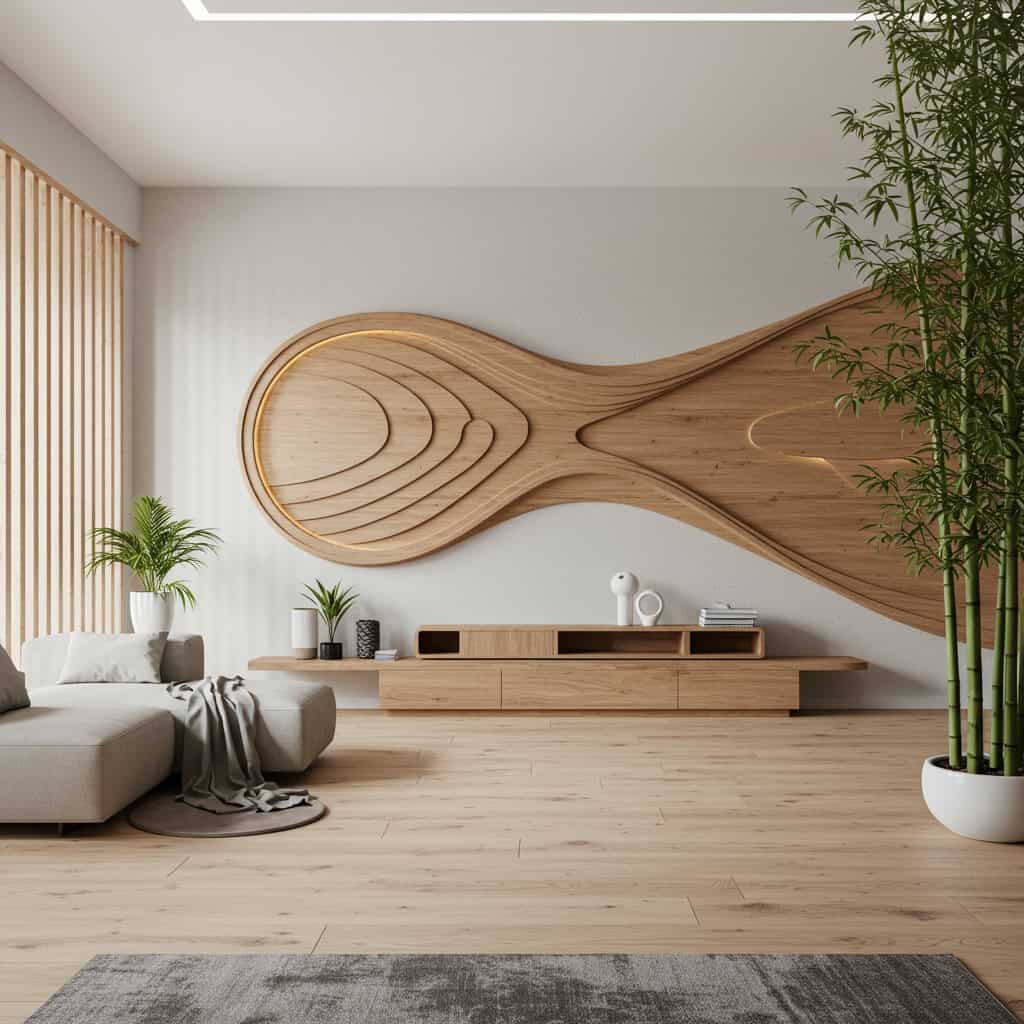
Choosing natural materials such as wood, stone, and bamboo brings warmth, texture, and authenticity to interior spaces. These materials are not only sustainable but also evoke the calming qualities of the natural world.

Incorporating organic forms—such as curved walls, flowing furniture, or irregular patterns—further strengthens the connection to nature by mimicking its inherent shapes. This approach creates spaces that feel harmonious and inviting. For further insights on material selection and the impact of organic forms, refer to the article from Architectural Digest.

Enhance Sensory Experiences

Step 6: Enhance Sensory Experiences
A tranquil garden corner showcases rippling water features surrounded by stone pathways and lush, tactile natural textures. | Generated by Google Gemini

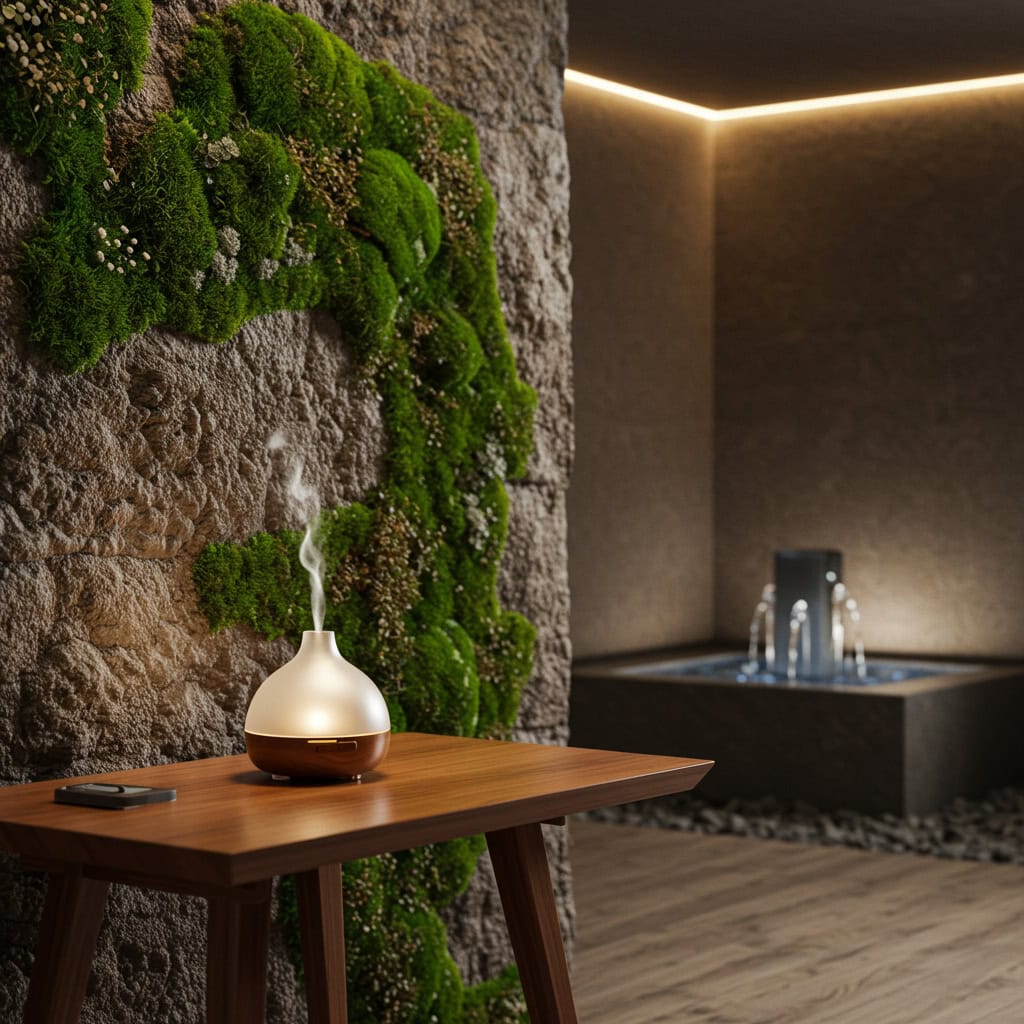
Biophilic spaces engage more than just the eyes—they appeal to all senses. Incorporate textures like rough stone, soft moss, or smooth wood to invite tactile interaction. Introduce natural scents using aromatic plants such as lavender or eucalyptus, or consider essential oil diffusers for subtle fragrance.

Water features, like indoor fountains or small streams, provide soothing sounds that mimic natural environments, helping to reduce stress and promote calm. These sensory experiences foster a holistic connection to nature. For more ideas on multi-sensory design, visit Metropolis Magazine.

Foster Connection and Well-being

Step 7: Foster Connection and Well-being
A sunlit communal green space surrounded by modern architecture invites relaxation, embodying restorative design and a focus on well-being. | Generated by Google Gemini

Biophilic design goes beyond aesthetics, actively promoting occupant health, productivity, and happiness. Creating communal green spaces encourages social interaction and a sense of belonging, while restorative areas—such as indoor gardens or quiet nooks—offer places for relaxation and mental rejuvenation.

Wellness-focused layouts prioritize natural light, views, and airflow, which have been shown to reduce stress and boost cognitive performance. These strategies not only enhance individual well-being but also contribute to a more engaged and harmonious community. For more evidence on the health benefits of biophilic environments, see the research shared by Terrapin Bright Green.

Conclusion

Conclusion
Lush greenery cascades through a sunlit atrium, showcasing modern architecture’s embrace of biophilic, nature-inspired design. | Generated by Google Gemini

Biophilic design is revolutionizing modern architecture by seamlessly blending nature with built environments, resulting in healthier, more inspiring spaces. By thoughtfully applying its principles—natural light, greenery, materials, and sensory experiences—anyone can transform ordinary places into vibrant, restorative havens.

Taking even small steps toward a nature-inspired environment can enhance well-being and productivity. Embrace this movement and explore further through resources like Greenroofs.com to unlock the full potential of biophilic design in your own spaces.

Advertisement