What to Consider Before Designing or Renovating a Sustainable Home

Robin - November 15, 2025
Share

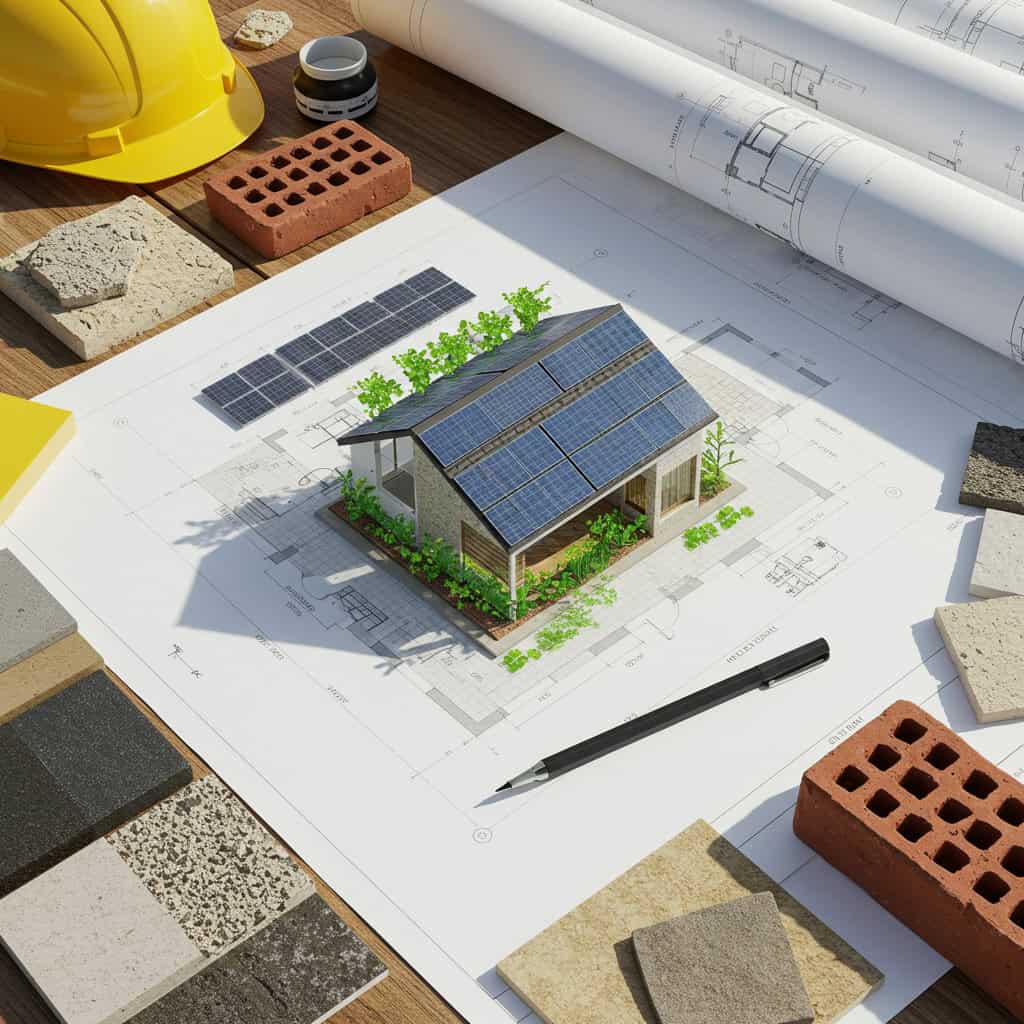
The demand for sustainable home design and renovation is rapidly increasing as homeowners seek to reduce environmental impact and create healthier living spaces. Thoughtful planning can lead to significant benefits, including lower energy consumption, reduced waste, and enhanced comfort. Before embarking on a sustainable home project, it’s crucial to understand essential factors like materials, energy efficiency, and long-term costs. Making informed decisions early can ensure your home is both eco-friendly and future-ready.

Assess Your Sustainability Goals

Step 1: Assess Your Sustainability Goals
A couple sits at a kitchen table, sketching eco-friendly home plans and setting sustainable living goals together. | Generated by Google Gemini

Before starting your project, define what sustainability means for your home. Set clear objectives such as improving energy efficiency, conserving water, or prioritizing renewable and recycled materials. These goals will guide every decision, from design to material selection and systems installation.

Consider your family’s unique needs and local environmental conditions. Establishing measurable targets helps keep your renovation or build on track for true sustainability. For more guidance on setting sustainable objectives, explore resources from the ArchDaily Sustainability Guide and Whole Building Design Guide.

Evaluate the Site and Orientation

Step 2: Evaluate the Site and Orientation
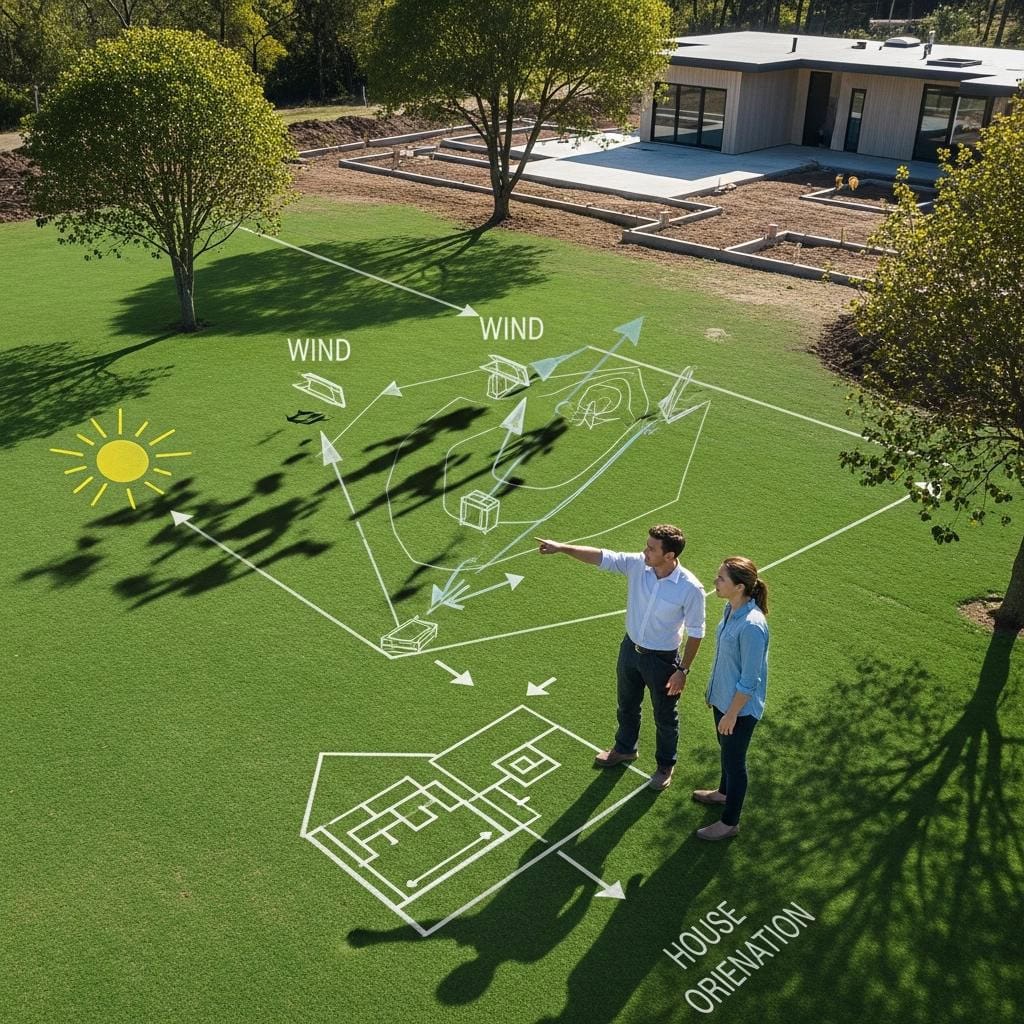
Thorough site assessment optimizes building orientation for enhanced sustainability, comfort, and energy efficiency. | Generated by Google Gemini

Careful evaluation of your building site is essential for maximizing sustainability. Assess factors such as natural light, wind patterns, and existing landscape features to inform your design decisions. Proper orientation can significantly enhance passive solar gain, allowing your home to stay warmer in winter and cooler in summer, thus reducing reliance on artificial heating and cooling systems.

Strategic placement of windows and living spaces can also improve comfort and energy efficiency. For more insights on site assessment and orientation, consult the U.S. Department of Energy’s Energy Saver and YourHome Passive Design Guide.

Choose Sustainable Materials

Step 3: Choose Sustainable Materials
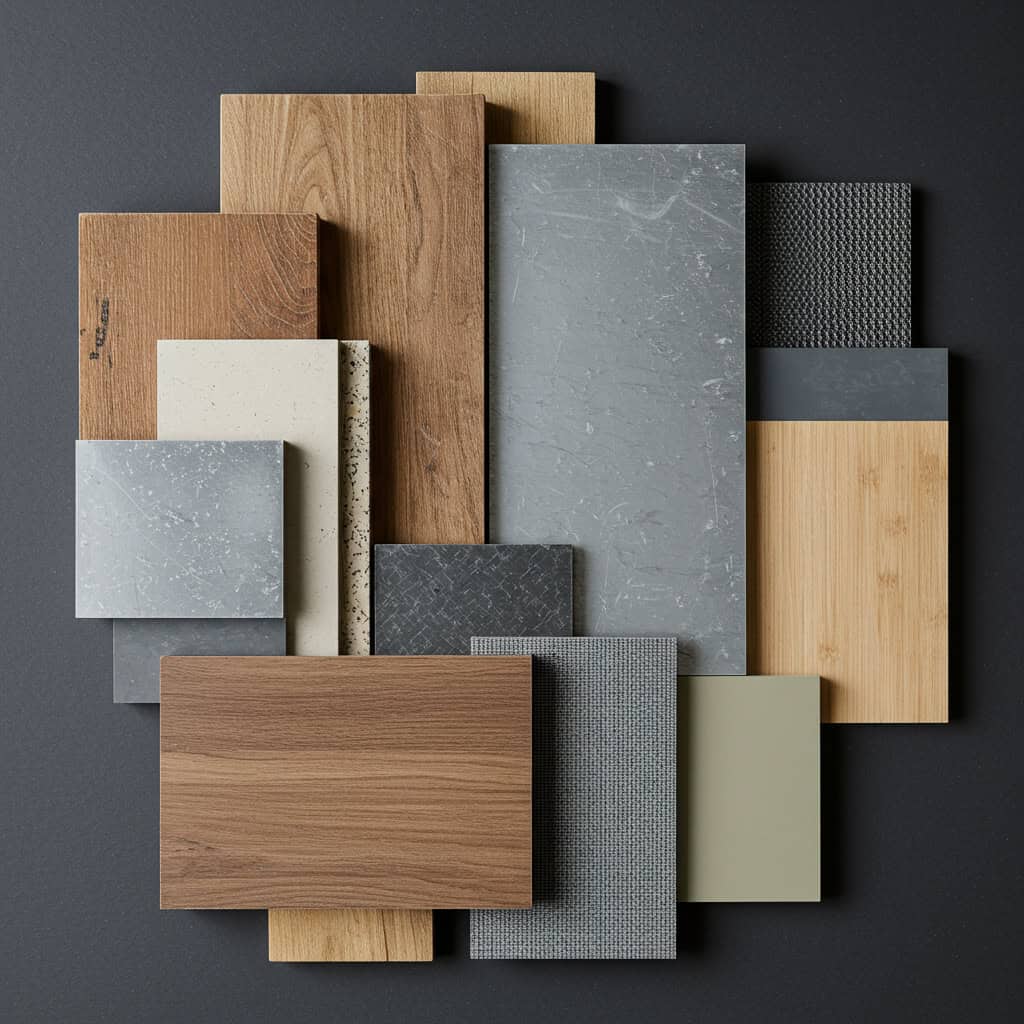
A modern living space showcases walls and furniture crafted from reclaimed wood and other eco-friendly, sustainable materials. | Generated by Google Gemini

Selecting eco-friendly materials is key to minimizing your project’s environmental footprint. Opt for options like reclaimed wood, recycled steel, bamboo, and low-VOC paints to ensure healthier indoor air quality and resource conservation.

Prioritize materials that are locally sourced, durable, and certified by recognized organizations for sustainability. Consider both the production process and the end-of-life recyclability of each material. Making thoughtful choices reduces waste and supports long-term resilience. For more information, explore the Green Building Advisor and the EPA Safer Choice program.

Prioritize Energy Efficiency

Step 4: Prioritize Energy Efficiency
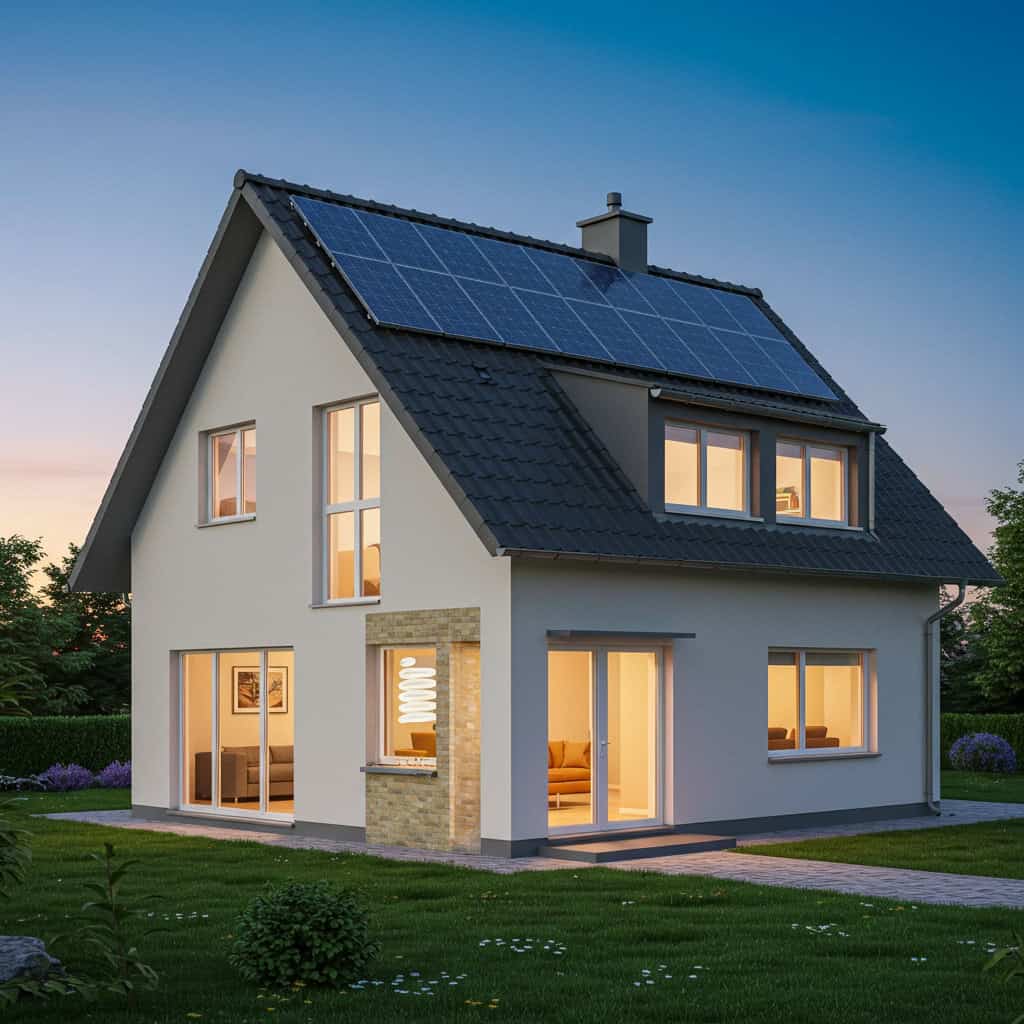
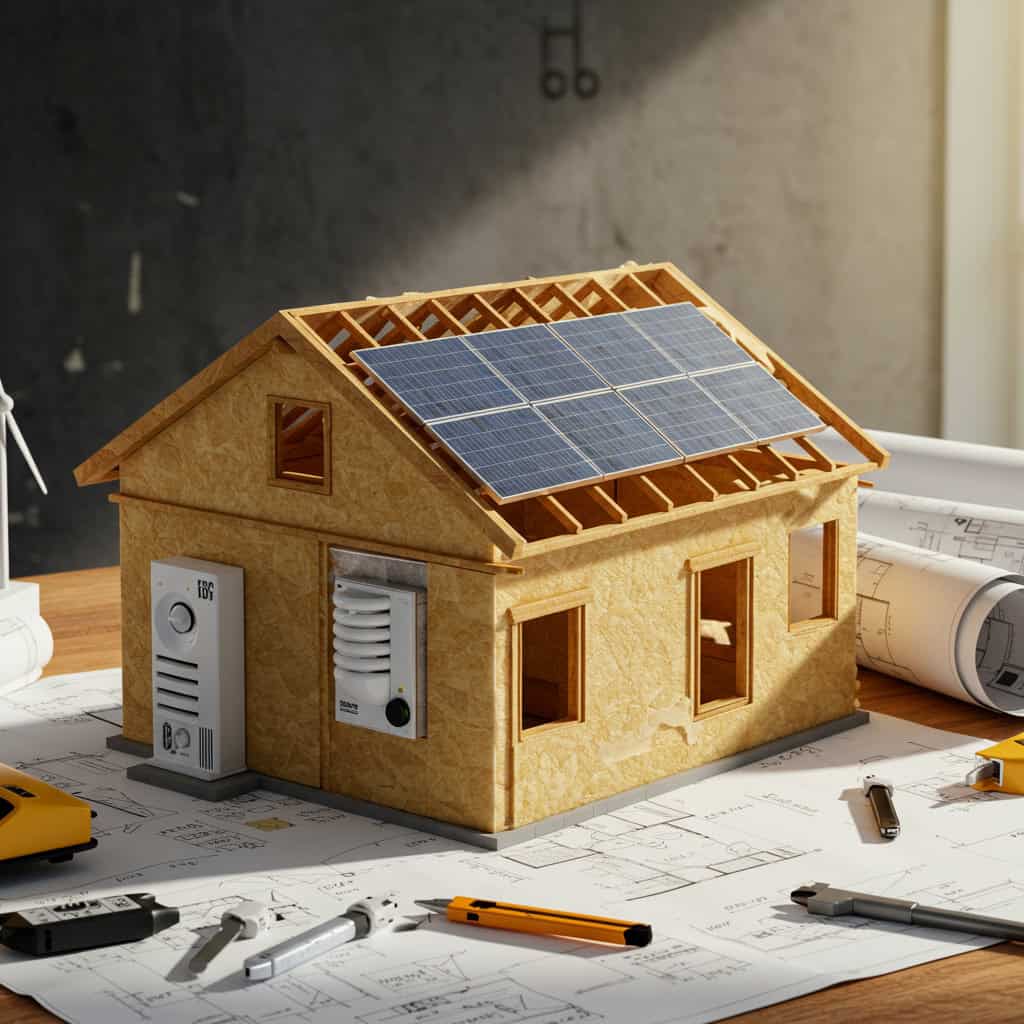
A modern, energy-efficient home features sleek solar panels on the roof and thick insulation for ultimate sustainability. | Generated by Google Gemini

Investing in energy-efficient solutions is fundamental for sustainable living. Choose appliances with ENERGY STAR ratings, high-performance insulation, and double- or triple-glazed windows to minimize energy loss. Incorporate renewable energy systems such as solar panels or geothermal heat pumps to further reduce your home’s reliance on fossil fuels.

These upgrades not only lower your monthly utility bills but also significantly decrease your home’s carbon footprint. For detailed guidance on maximizing energy efficiency, visit the ENERGY STAR Products page and the U.S. Department of Energy’s Efficiency in Buildings site.

Plan for Water Conservation

Step 5: Plan for Water Conservation
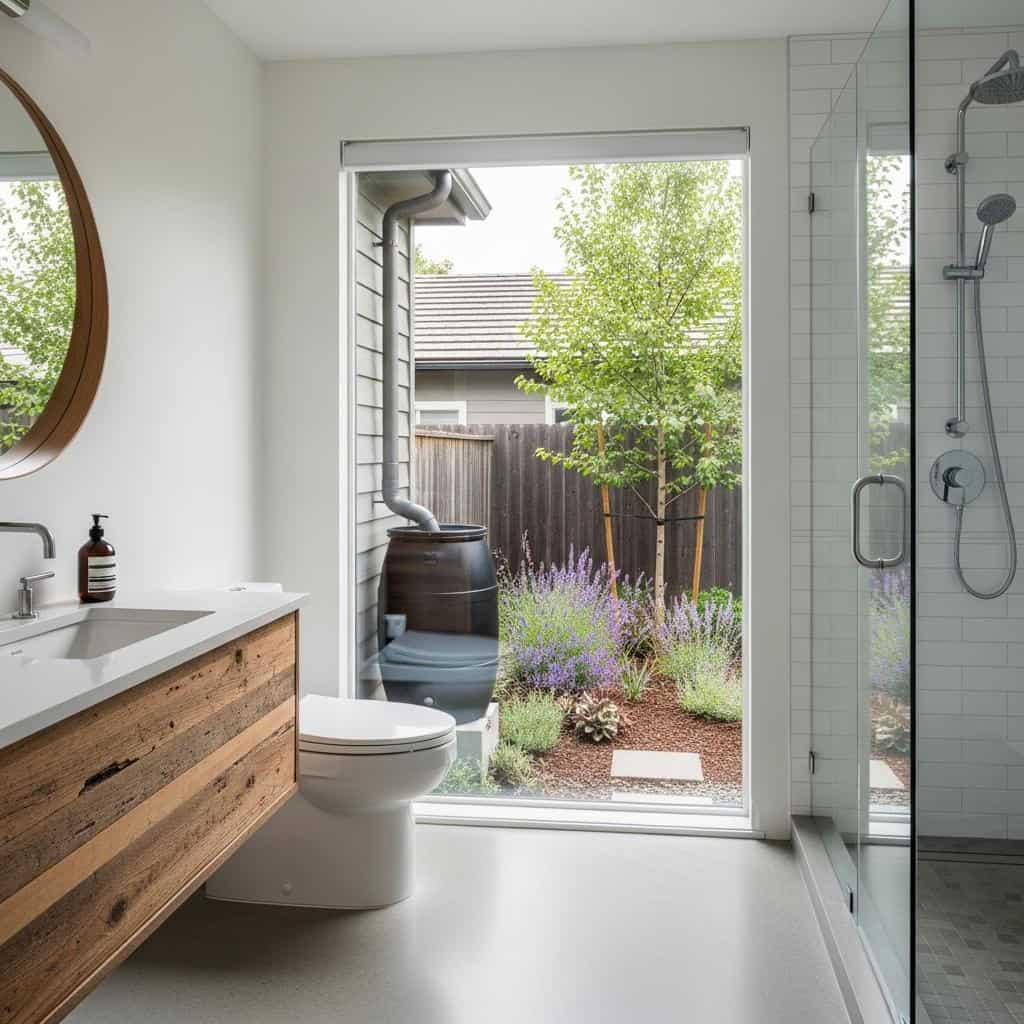
Water-saving fixtures and native landscaping promote sustainable homes while conserving local water resources. | Generated by Google Gemini

Effective water conservation strategies are vital for sustainable homes. Install water-saving fixtures such as low-flow toilets, faucets, and showerheads to reduce daily consumption. Consider integrating rainwater harvesting systems for landscape irrigation and non-potable uses.

Opt for drought-resistant, native plants in your landscaping to minimize the need for supplemental watering. These design choices help preserve local water supplies, lower utility costs, and reduce strain on municipal resources. For more water-wise ideas, explore the EPA WaterSense program and the Rainwater Harvesting Implementation Network.

Integrate Indoor Air Quality Measures

Step 6: Integrate Indoor Air Quality Measures
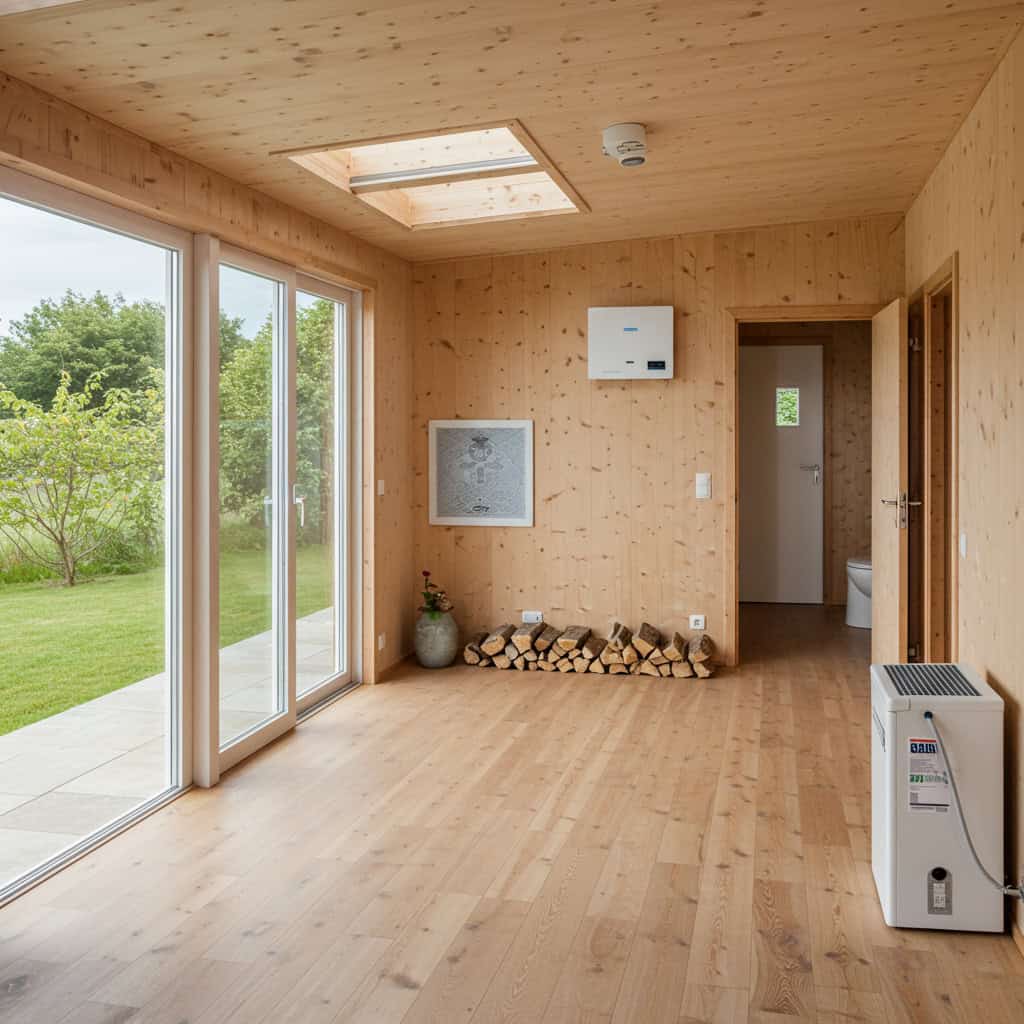
Sunlight streams through open windows as a modern air purifier hums quietly, enhancing indoor air quality with natural ventilation and filtration. | Generated by Google Gemini

Promoting healthy indoor air quality is essential in sustainable home design. Utilize natural ventilation through operable windows and vents to promote airflow and reduce pollutants. Select non-toxic building materials, such as low-VOC paints and formaldehyde-free insulation, to minimize harmful emissions.

Incorporate effective filtration systems, like HEPA filters, to capture allergens and improve overall air purity. These measures help create a safer, more comfortable home environment for occupants. For further information, visit the EPA Indoor Air Quality (IAQ) page and the CDC Indoor Air Quality resources.

Budget and Plan for Long-Term Savings

Step 7: Budget and Plan for Long-Term Savings
A person reviews financial documents at a desk, highlighting strategies for budget planning, cost savings, and sustainable investment. | Generated by Google Gemini

Balancing initial expenses with long-term benefits is crucial in sustainable home projects. Set a realistic budget that accounts for both upfront investments and expected future savings from energy and water efficiency. Prioritize features that deliver the highest return on investment, such as high-quality insulation, efficient appliances, and renewable energy systems.

Evaluating lifecycle costs ensures you maximize value while minimizing ongoing expenses. For tips on budgeting and assessing long-term savings, visit the U.S. Department of Energy’s Lifecycle Cost Assessment and Green Building Advisor’s budget guide.

Consult with Sustainable Home Professionals

Step 8: Consult with Sustainable Home Professionals
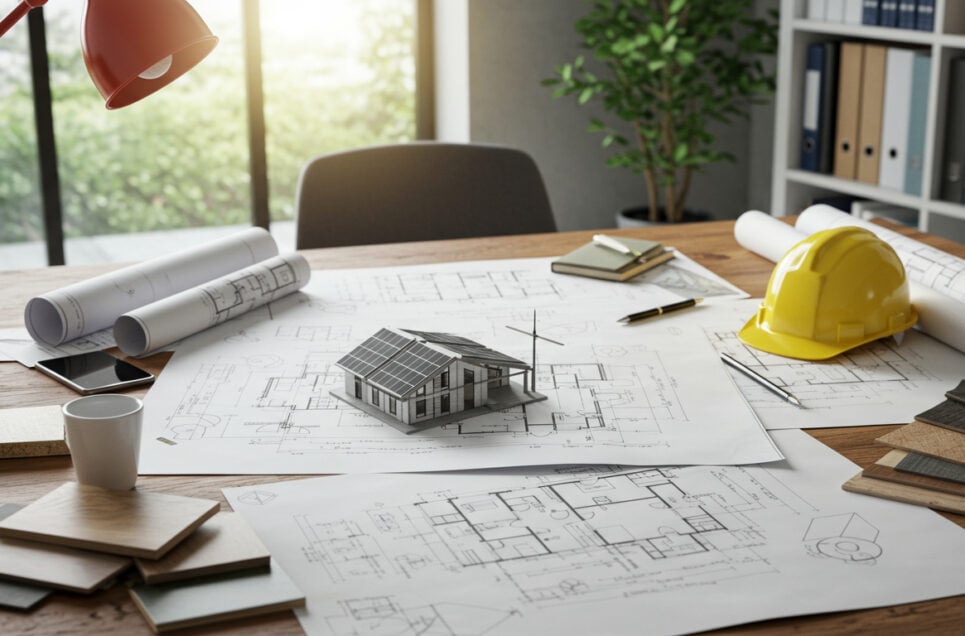
A sustainable architect and green builder discuss eco-friendly design plans over blueprints in a sunlit consultation space. | Generated by Google Gemini

Partnering with professionals skilled in sustainable design can significantly enhance your project’s success. Experienced architects, builders, and consultants offer valuable expertise in eco-friendly materials, energy systems, and efficient layouts. Look for credentials such as LEED accreditation or memberships in organizations like the U.S. Green Building Council.

Effective collaboration involves clearly communicating your sustainability goals and staying involved throughout the design and construction process. To find qualified experts, explore directories from the Green Builder Coalition and the BuildingGreen network.

Conclusion

Conclusion
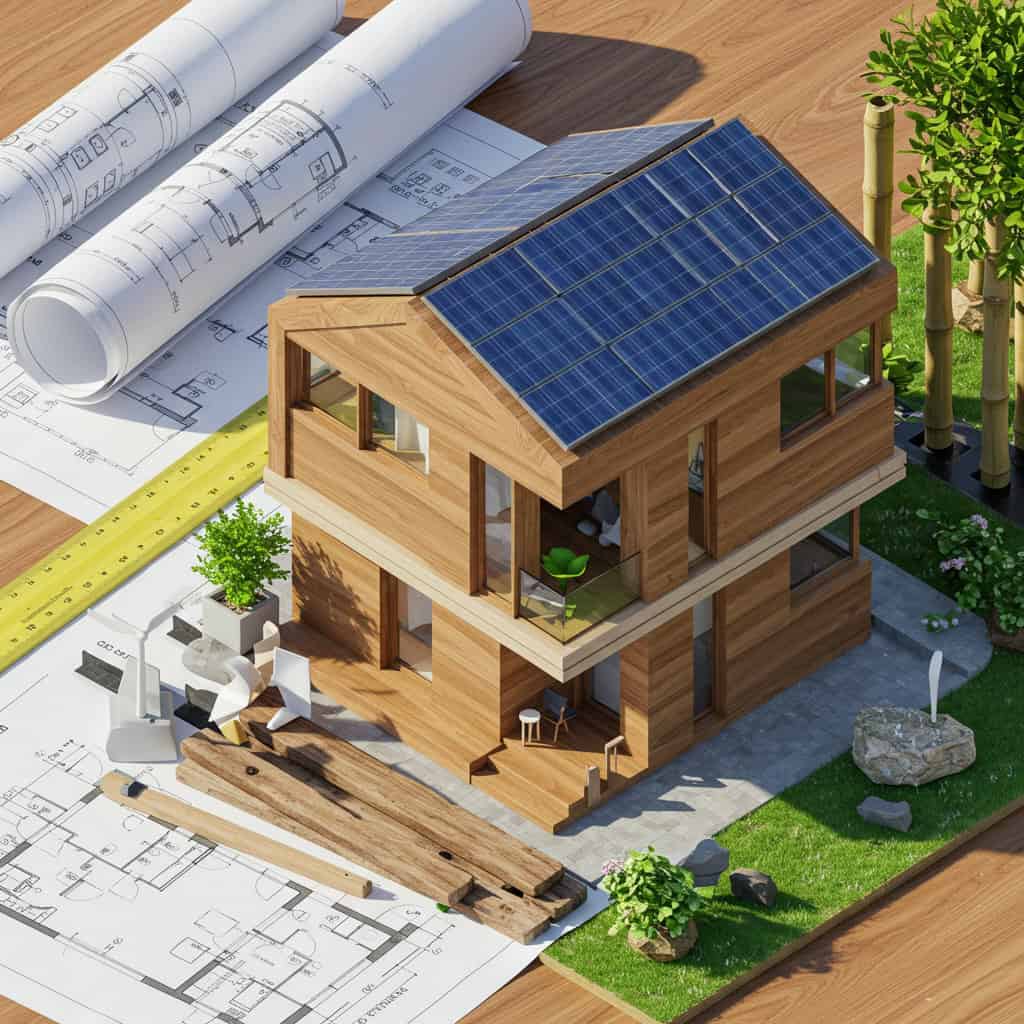
A beautifully renovated sustainable home features solar panels, lush native landscaping, and reclaimed wood accents for eco-friendly living. | Generated by Google Gemini

Designing or renovating a sustainable home involves careful planning, clear goal-setting, and collaboration with knowledgeable professionals. By assessing your site, choosing eco-friendly materials, prioritizing energy and water efficiency, and safeguarding indoor air quality, you lay the foundation for a healthier, more resilient living space.

Remember to budget strategically and seek expert guidance to maximize long-term benefits. Taking these actionable steps not only reduces your environmental impact but also enhances comfort and value. For further inspiration and resources, visit the NRDC Green Homes Guide and Houzz Green Building section.

Advertisement