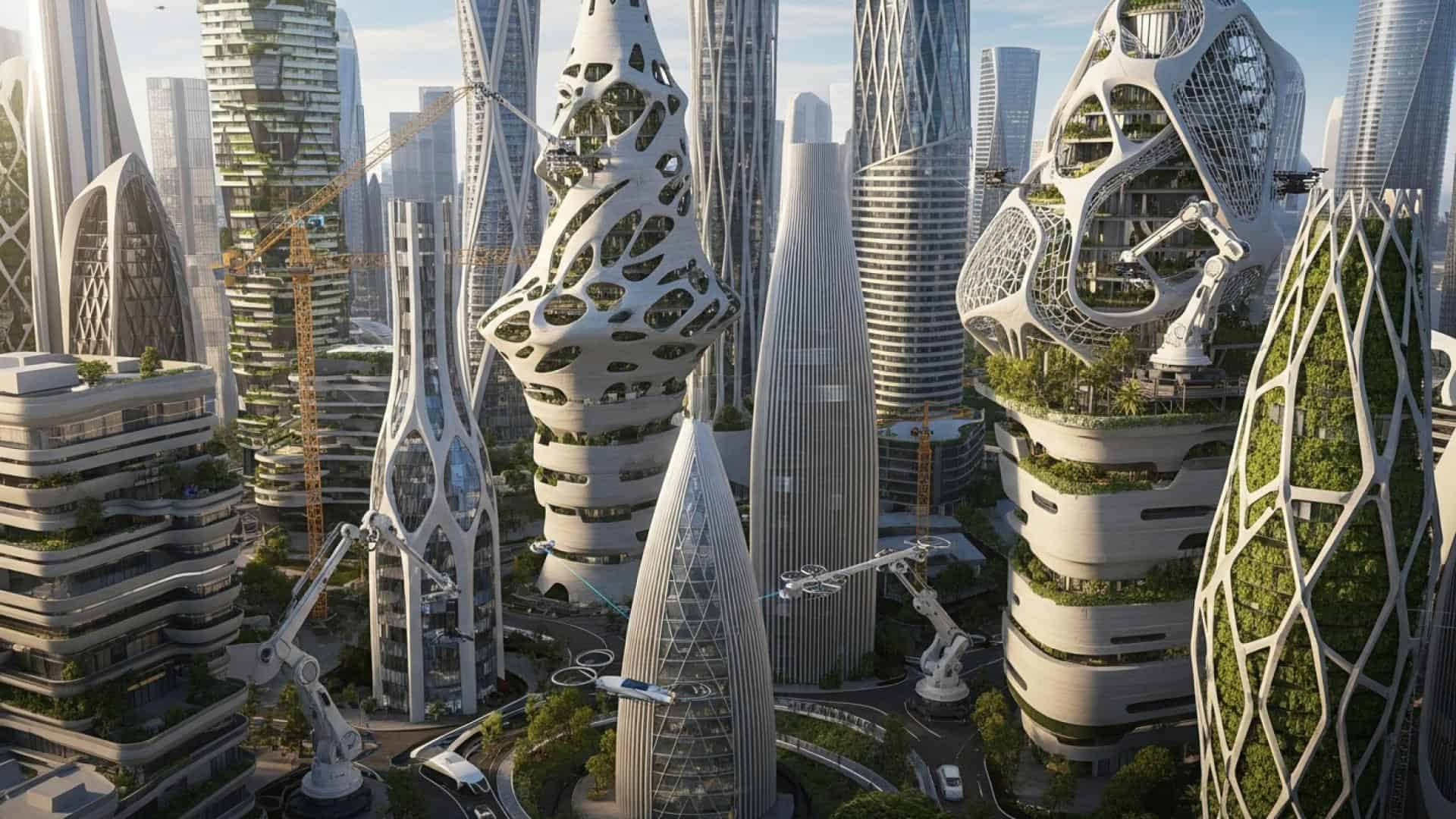
As cities face unprecedented urban growth, climate change, and evolving lifestyles, architecture is rapidly adapting to new challenges. Innovative design approaches are redefining urban landscapes to prioritize sustainability, resilience, and human well-being. From green infrastructure to smart technologies, these trends are reshaping how cities are planned, constructed, and experienced.
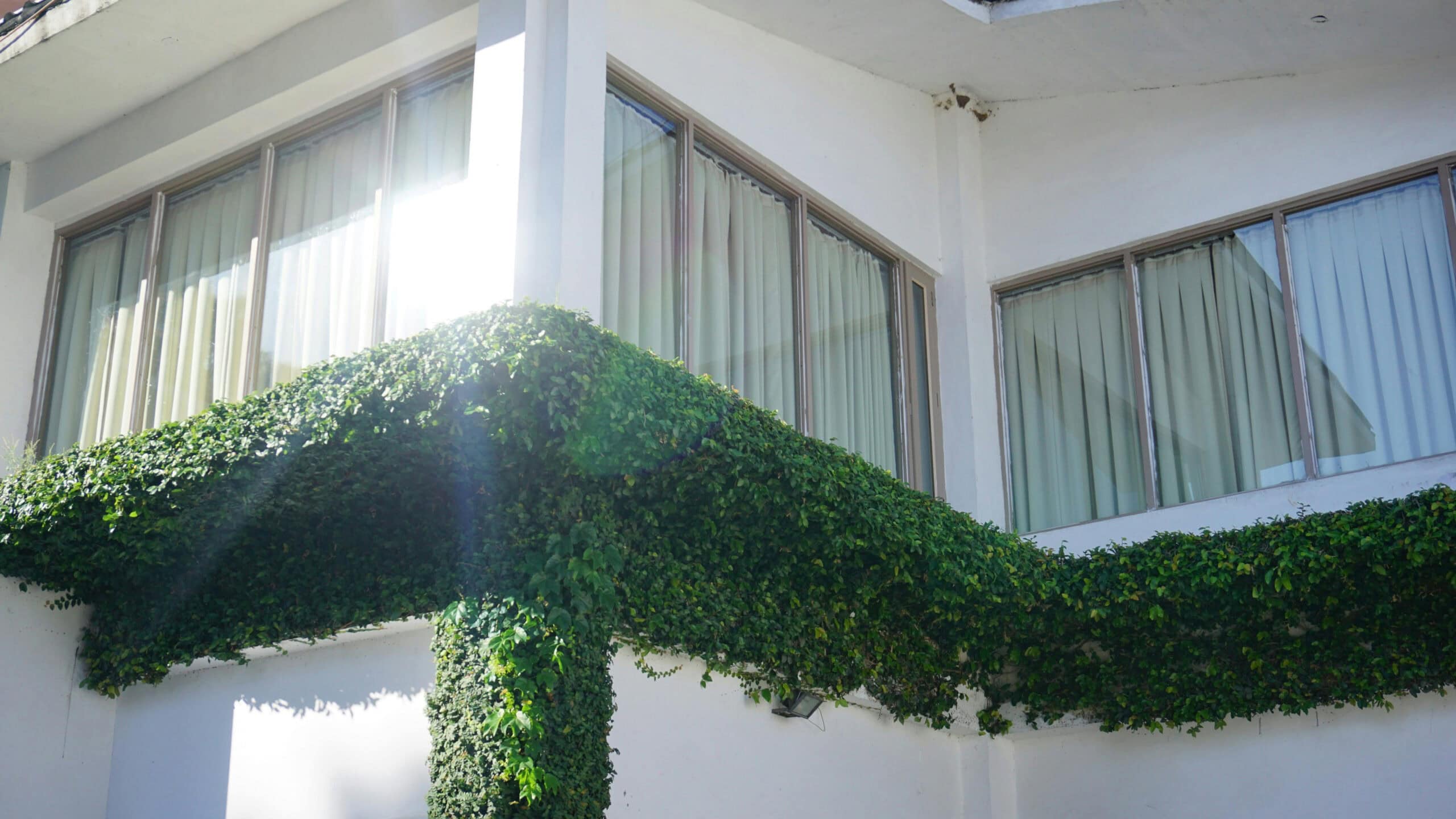
Lush green roofs and vibrant vertical gardens adorn a modern building crafted from sustainable materials, blending nature with innovation. | Photo by Digital Buggu on Pexels
The demand for eco-friendly architecture is dramatically increasing as cities seek solutions to climate change. Energy-efficient buildings, extensive use of renewable materials, and innovations like green roofs are becoming mainstream. Iconic projects such as Singapore’s Gardens by the Bay showcase the integration of lush biodiversity within urban spaces.
Additionally, the rise of LEED-certified structures is setting new benchmarks for sustainability by promoting water conservation, reduced emissions, and responsible sourcing. Discover more about what defines a green building at ArchDaily.
Smart buildings and districts leverage IoT for energy efficiency, security, and adaptive urban environments. | Generated by Google Gemini
The integration of Internet of Things (IoT) technology is revolutionizing urban architecture by creating intelligent buildings that optimize energy use, security, and occupant comfort. Sensors and connected devices enable real-time monitoring and automation, resulting in more efficient operations and responsive environments.
A leading example is The Edge in Amsterdam, renowned as one of the world’s smartest buildings. This trend extends to entire urban districts, where sensor-driven systems manage everything from lighting to waste, paving the way for truly interconnected and adaptive cities.
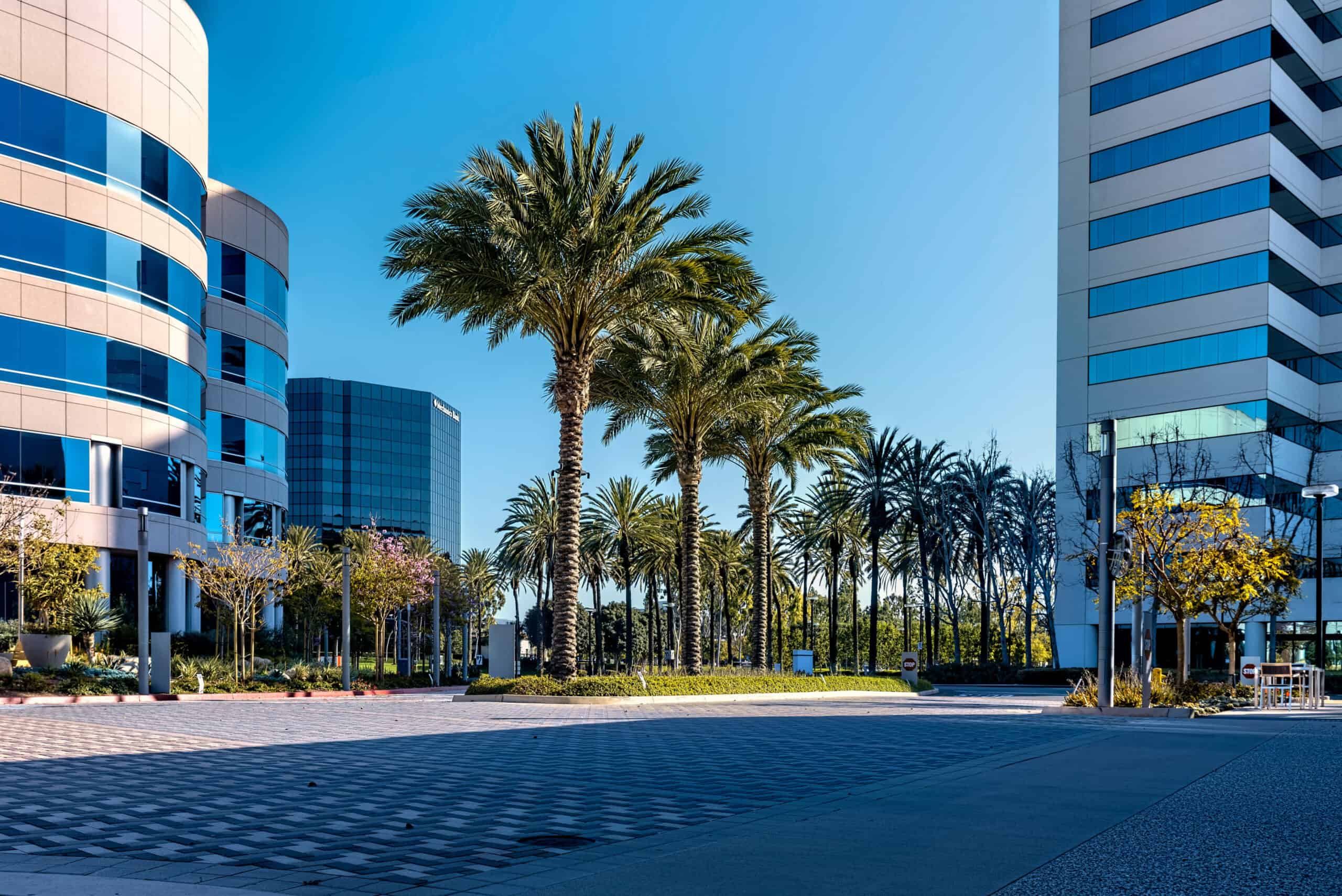
Sleek mixed-use buildings surround a lively urban plaza, where modern live-work spaces blend seamlessly with bustling street life. | Photo by Trac Vu on Pexels
The shift from traditional single-use zoning to mixed-use developments is reshaping urban environments. By blending residential, commercial, and recreational spaces within one complex, these projects foster vibrant, walkable communities and maximize land efficiency.
Mixed-use hubs like Hudson Yards in New York exemplify this trend, offering a seamless integration of living, working, and leisure. This approach contrasts with the compartmentalization of older zoning models, promoting social interaction and reducing the need for car travel. Learn more about the evolution of mixed-use spaces at the Urban Land Institute.
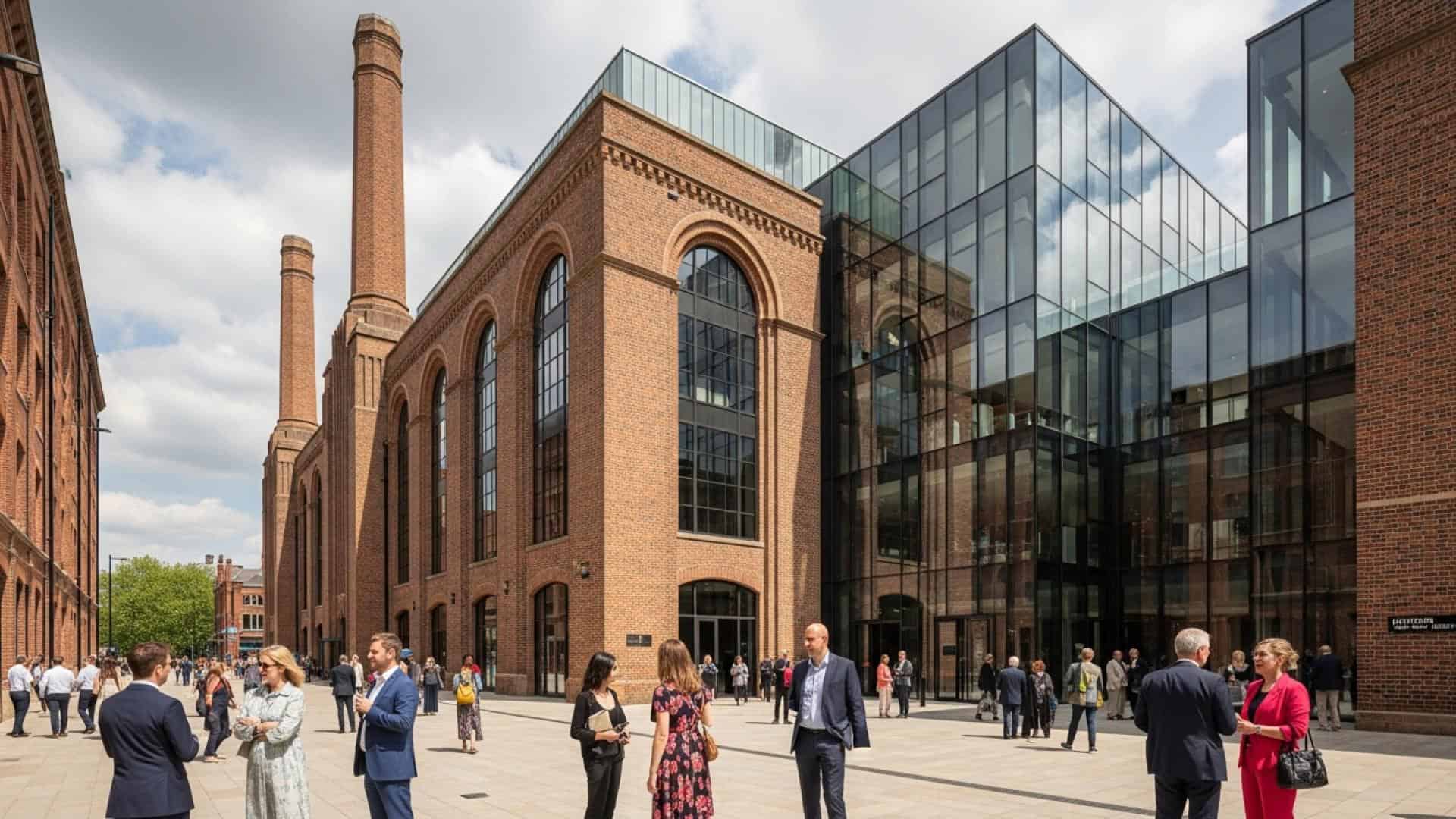
Historic industrial buildings transformed into vibrant cultural hubs, showcasing adaptive reuse and urban revitalization. | Generated by Google Gemini
Adaptive reuse is revitalizing cities by transforming obsolete factories, warehouses, and historic buildings into dynamic spaces for contemporary life. This approach not only preserves cultural heritage but also curbs urban sprawl by making use of existing structures.
A standout example is the Tate Modern in London, a former power station reimagined as a world-renowned art museum. Such projects breathe new life into urban areas, creating vibrant centers for culture and community. Explore more about this trend at Architectural Digest.
A cluster of sleek modular buildings showcases innovative prefab construction, each unit housing stylish micro-apartments with large windows. | Photo by Athena Sandrini on Pexels
Modular and prefabricated construction methods are gaining momentum for their ability to accelerate building timelines and minimize material waste. By assembling prefabricated components off-site and transporting them for rapid installation, developers can significantly cut costs and environmental impact.
Projects like Carmel Place in New York City showcase the potential of these techniques, offering high-quality micro-apartments constructed with precision. This shift toward modularity is transforming how urban housing and commercial spaces are delivered. For a deeper look, visit BD+C Network.
Sleek, elevated buildings rise above the landscape, showcasing innovative flood-resistant design for a climate-resilient community. | Photo by Franklin Peña Gutierrez on Pexels
As cities grapple with climate change, architects are prioritizing resilience through innovative design. Buildings are increasingly engineered to withstand extreme weather, flooding, and rising sea levels by using elevated structures, water-resistant materials, and adaptable layouts.
Cities like Rotterdam are leading the way with climate-proof neighborhoods and floating buildings that respond to fluctuating water levels. These advancements ensure urban environments remain habitable and safe in the face of environmental threats. To learn more about climate-adaptive design, visit National Geographic.
Sunlight streams through large windows, illuminating lush indoor gardens that bring biophilic design to a serene living space. | Photo by Lisa from Pexels on Pexels
Biophilic design is reshaping urban architecture by integrating natural elements—such as greenery, natural light, and water features—directly into buildings. This approach aims to enhance occupants’ well-being, creativity, and productivity by fostering a closer connection to nature.
A striking example is the Amazon Spheres in Seattle, which offer a lush indoor rainforest environment for employees. Such designs are becoming more prevalent, reflecting a broader recognition of nature’s positive impact on urban life. For more on the benefits and principles of biophilic architecture, visit Dezeen.
Commuters bustle through a vibrant urban rail station surrounded by walkable neighborhoods and lively public transit hubs. | Photo by Juan Pablo Serrano on Pexels
Transit-Oriented Development (TOD) places mass transit stations at the heart of urban planning, encouraging compact, walkable neighborhoods with easy access to public transportation. By reducing reliance on private vehicles, TOD enhances mobility, lowers emissions, and fosters vibrant street life.
Cities like Tokyo and Paris exemplify this approach with dense, mixed-use districts seamlessly integrated with rail and metro systems. These developments support sustainable growth and improve overall quality of life. To explore TOD strategies and success stories, visit the Congress for the New Urbanism at CNU.
A diverse group of young adults shares a cozy common area, highlighting the warmth of inclusive, affordable co-living. | Photo by Ayyeee Ayyeee on Pexels
Architects and city planners are addressing housing shortages and inequality through innovative, inclusive solutions. Co-living spaces, micro-units, and community-driven developments are making urban living accessible to diverse populations.
Vienna’s renowned social housing model, which emphasizes quality, affordability, and integration, stands as a leading example of effective public intervention in housing. These approaches ensure that cities remain livable for all residents, regardless of income level. For an in-depth look at Vienna’s pioneering strategies in affordable housing, visit Bloomberg.
3D printing revolutionizes architecture with rapid prototyping, intricate designs, and sustainable construction solutions. | Generated by Google Gemini
Digital fabrication and 3D printing are transforming the possibilities of architectural design and construction. These technologies enable intricate, customized forms and rapid prototyping that were previously unattainable with conventional methods.
Notable projects, such as the 3D-printed offices in Dubai, demonstrate the speed, efficiency, and creative freedom offered by these innovations. Digital tools streamline workflows, reduce material waste, and open up new paths for experimentation, paving the way for more sustainable and expressive urban structures. Learn more about the future of 3D-printed architecture at Architectural Digest.
Innovative architectural trends drive sustainable, resilient, and inclusive urban environments for thriving future cities. | Generated by Google Gemini
The architectural trends shaping urban environments are collectively enhancing the livability, sustainability, and resilience of future cities. From green design and smart buildings to inclusive housing and digital fabrication, these innovations address pressing urban challenges while fostering vibrant, adaptable communities.
As cities continue to grow and evolve, ongoing creativity and adaptation will be essential. Embracing these trends ensures that urban spaces remain dynamic and inclusive for generations to come. For further insights into the future of city architecture, explore resources from ArchDaily and Dezeen.