10 Iconic Buildings That Changed the Course of Architecture

Robin - November 13, 2025
Share

Certain structures have done more than shape city skylines; they have reimagined what architecture can achieve. From groundbreaking engineering feats to radical aesthetic departures, these buildings have set new standards, inspired future generations, and shifted the global conversation on design. Their influence extends well beyond their walls, impacting how we think about space, sustainability, and innovation.


1. The Parthenon (Athens, Greece)

1. The Parthenon (Athens, Greece)
The majestic Parthenon stands tall atop the Acropolis, its classical columns showcasing the grandeur of ancient Greek architecture. | Generated by Google Gemini

The Parthenon stands as an enduring symbol of classical architecture, renowned for its harmonious proportions and exquisite Doric columns. Built in the 5th century BCE atop the Acropolis, its precision and symmetry have profoundly influenced Western architectural ideals, especially in civic and institutional buildings.

The Parthenon’s design principles echo through neoclassical structures worldwide, from government edifices to museums. Its mastery of proportion and attention to detail set a standard for beauty and functionality in architecture. Discover more about the Parthenon’s legacy at Britannica.

2. Hagia Sophia (Istanbul, Turkey)

2. Hagia Sophia (Istanbul, Turkey)
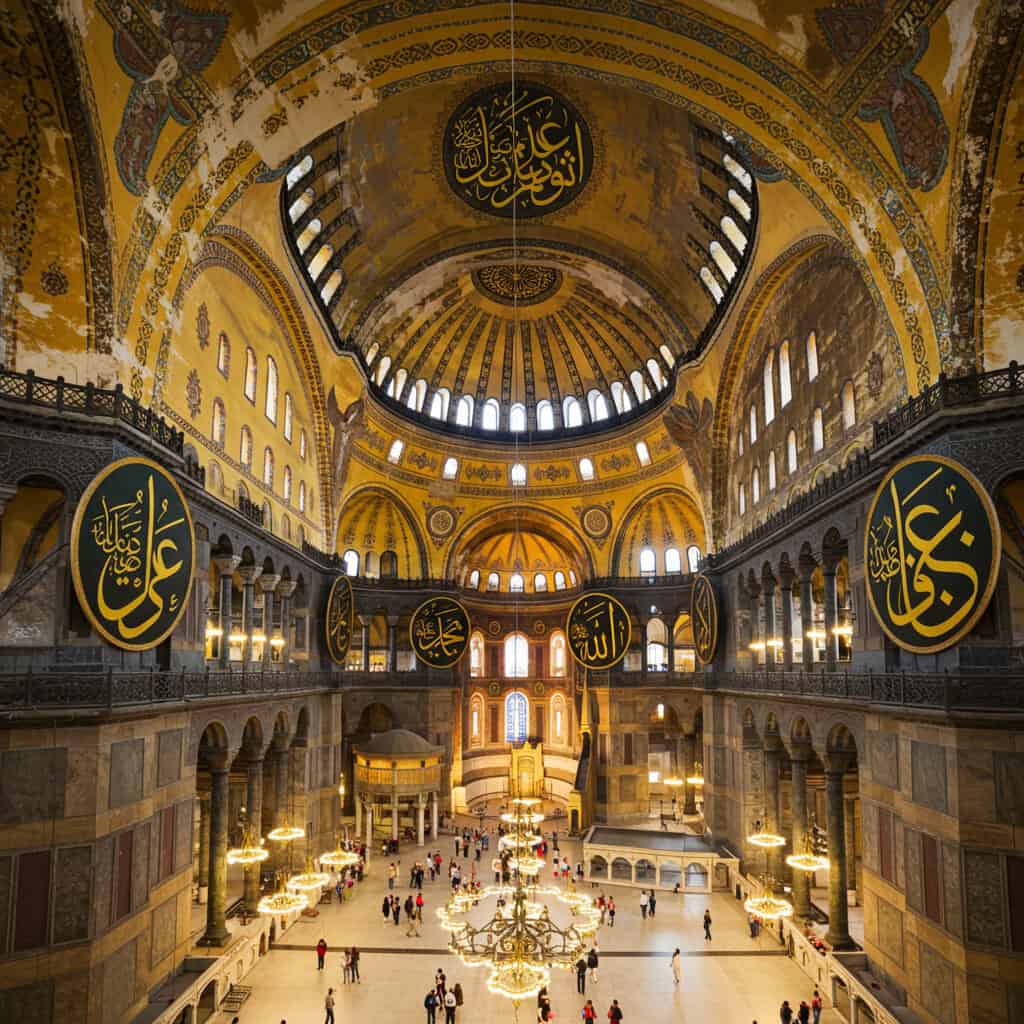
The majestic Byzantine dome of Hagia Sophia rises above Istanbul, showcasing intricate architecture and centuries of history. | Generated by Google Gemini

Hagia Sophia’s revolutionary dome, completed in 537 CE, redefined architectural ambition with its vast open interior and ethereal light. Originally a Byzantine basilica, it later became an Ottoman mosque and now stands as a museum, reflecting layers of history.

Its innovative engineering, particularly the pendentive-supported dome, became a blueprint for countless religious and civic structures in both Byzantine and Ottoman traditions. The building’s enduring grandeur and adaptability continue to inspire architects and historians alike. Read further about Hagia Sophia’s lasting influence.

3. The Eiffel Tower (Paris, France)

3. The Eiffel Tower (Paris, France)
The Eiffel Tower’s intricate ironwork rises majestically above the Paris skyline under a soft, golden evening light. | Generated by Google Gemini

Designed by Gustave Eiffel for the 1889 Exposition Universelle, the Eiffel Tower revolutionized architecture with its exposed iron lattice framework. At 324 meters, it became the tallest structure of its time and a bold symbol of modernity and industrial progress.

The tower’s skeletal design paved the way for the widespread use of metal in construction, directly influencing the emergence of steel-framed skyscrapers in cities like New York and Chicago. Today, it stands not only as a Parisian icon but also as a testament to engineering innovation. More info.

4. The Bauhaus Building (Dessau, Germany)

4. The Bauhaus Building (Dessau, Germany)
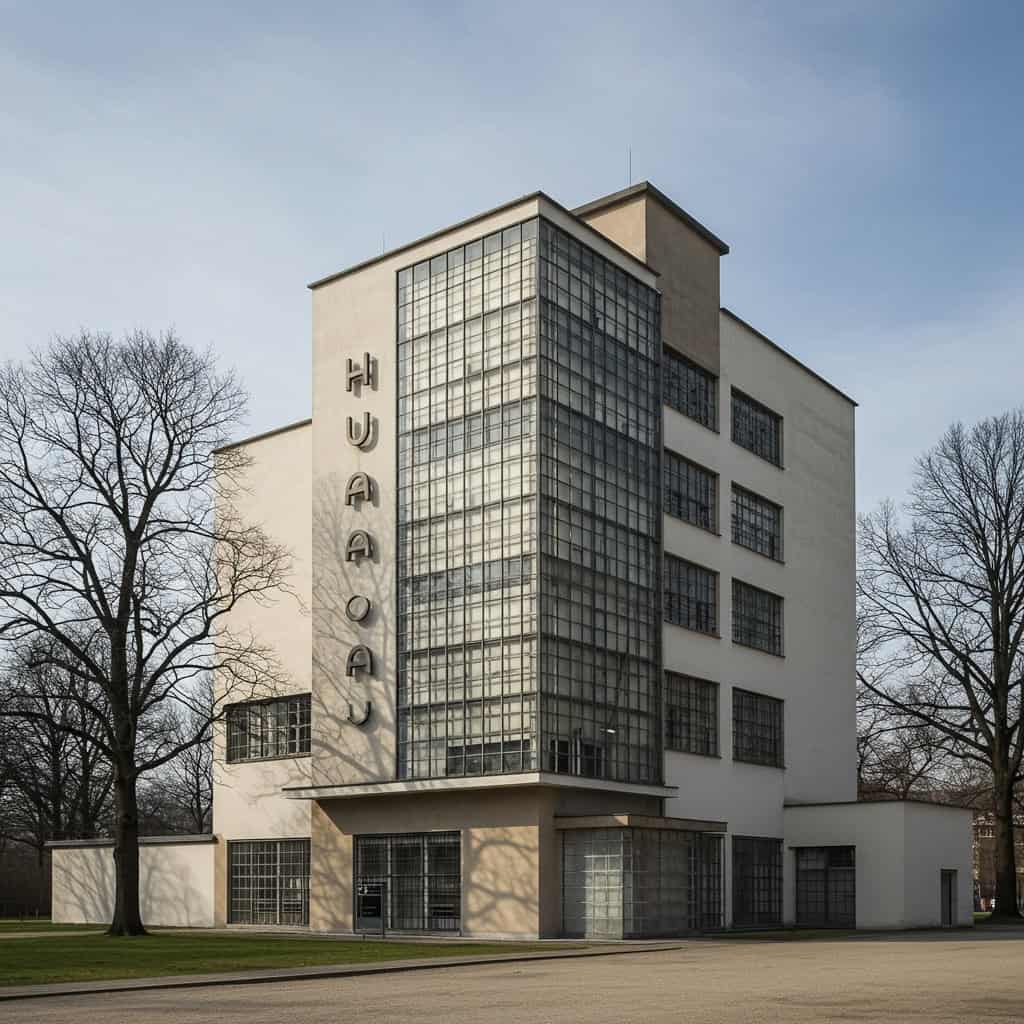
The iconic Bauhaus building in Dessau, Germany, showcases sleek lines and glass facades of modernist architecture. | Generated by Google Gemini

The Bauhaus Building, designed by Walter Gropius in 1925, is celebrated as the cradle of modernism, embodying principles of function, minimalism, and innovative open-plan layouts. Its use of glass curtain walls, asymmetrical forms, and industrial materials marked a dramatic shift from historical styles, prioritizing utility and clarity.

The Bauhaus’s ethos continues to shape contemporary design, encouraging simplicity and integration of art, craft, and technology. Its legacy endures in countless buildings and design philosophies worldwide. Discover more about this architectural milestone at Bauhaus Dessau.

5. Fallingwater (Mill Run, Pennsylvania, USA)

5. Fallingwater (Mill Run, Pennsylvania, USA)
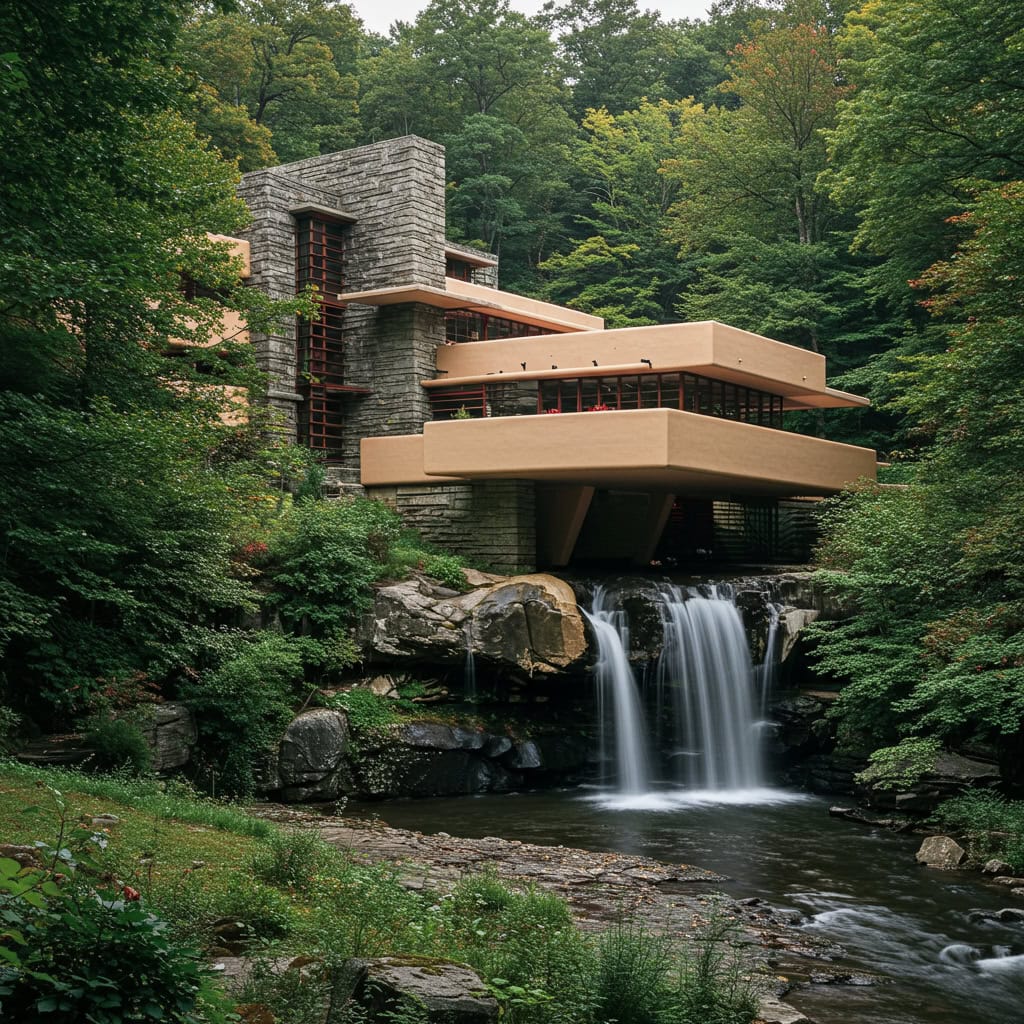
Frank Lloyd Wright’s Fallingwater seamlessly blends with its forested surroundings, showcasing the harmony of organic architecture and nature. | Generated by Google Gemini

Frank Lloyd Wright’s Fallingwater, completed in 1939, is a masterclass in organic architecture, seamlessly blending the built environment with its natural surroundings. Cantilevered over a waterfall, the home’s bold terraces and local stone integrate it into the landscape, making nature an essential element of everyday living.

Fallingwater became a pioneering model for sustainable and site-responsive design, inspiring architects to prioritize ecology and context. Its innovative approach set a new standard for achieving harmony between man-made structures and the environment. Explore Fallingwater for more on this architectural icon.

6. Villa Savoye (Poissy, France)

6. Villa Savoye (Poissy, France)
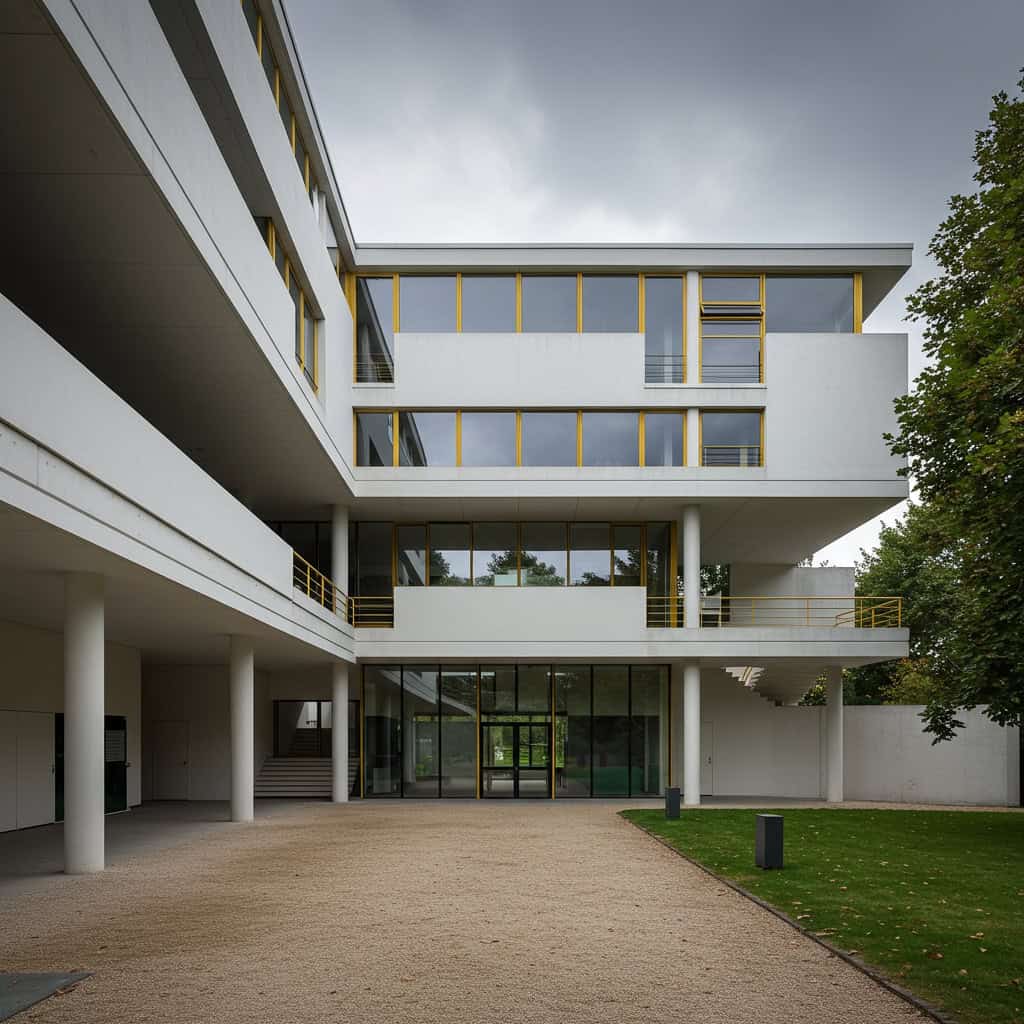
The iconic Villa Savoye by Le Corbusier stands amid greenery, showcasing sleek lines and modernist architectural elegance. | Generated by Google Gemini

Le Corbusier’s Villa Savoye, completed in 1931, exemplifies the core tenets of modernist architecture. With its open floor plan, free façade, ribbon windows, and signature pilotis (supporting columns), the residence redefined how homes could function and appear.

The building’s clean lines and integration of indoor and outdoor spaces established a new aesthetic language that resonated globally, influencing countless residential designs and urban planning concepts. Villa Savoye remains a benchmark for the International Style and continues to inspire architects seeking simplicity, functionality, and innovation. Learn more at ArchDaily.

7. Sydney Opera House (Sydney, Australia)

7. Sydney Opera House (Sydney, Australia)
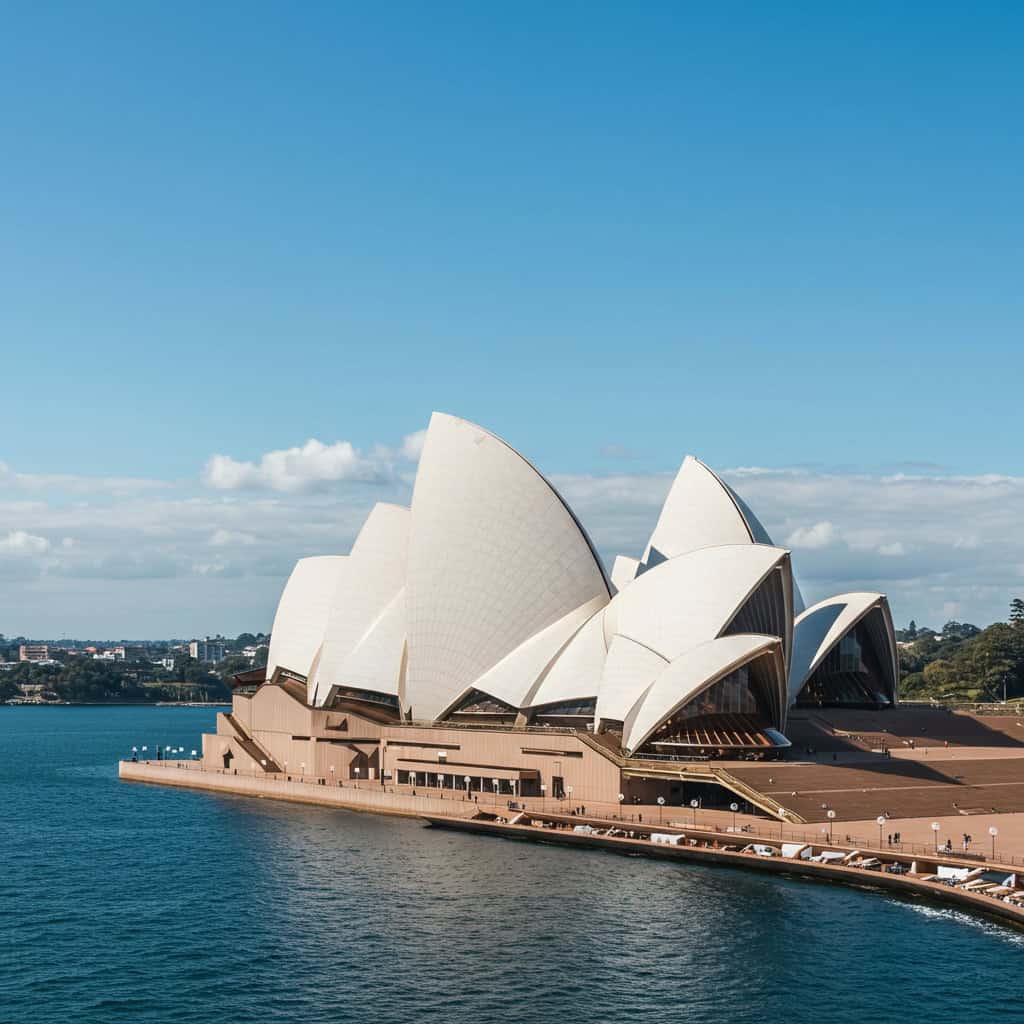
The iconic Sydney Opera House stands proudly by the harbor, its striking shell structure symbolizing Australia’s architectural brilliance. | Generated by Google Gemini

Jørn Utzon’s Sydney Opera House, completed in 1973, is a marvel of sculptural architecture, instantly recognizable for its soaring, sail-like shell structures. Its innovative use of precast concrete panels and daring engineering challenged traditional concepts of civic building design, transforming the Sydney skyline and becoming a symbol of modern Australia.

The Opera House’s expressive forms demonstrate how architecture can embody both functionality and artistry, inspiring future generations to push creative and structural boundaries. Experience the story behind this architectural icon at Sydney Opera House.

8. The Seagram Building (New York City, USA)

8. The Seagram Building (New York City, USA)
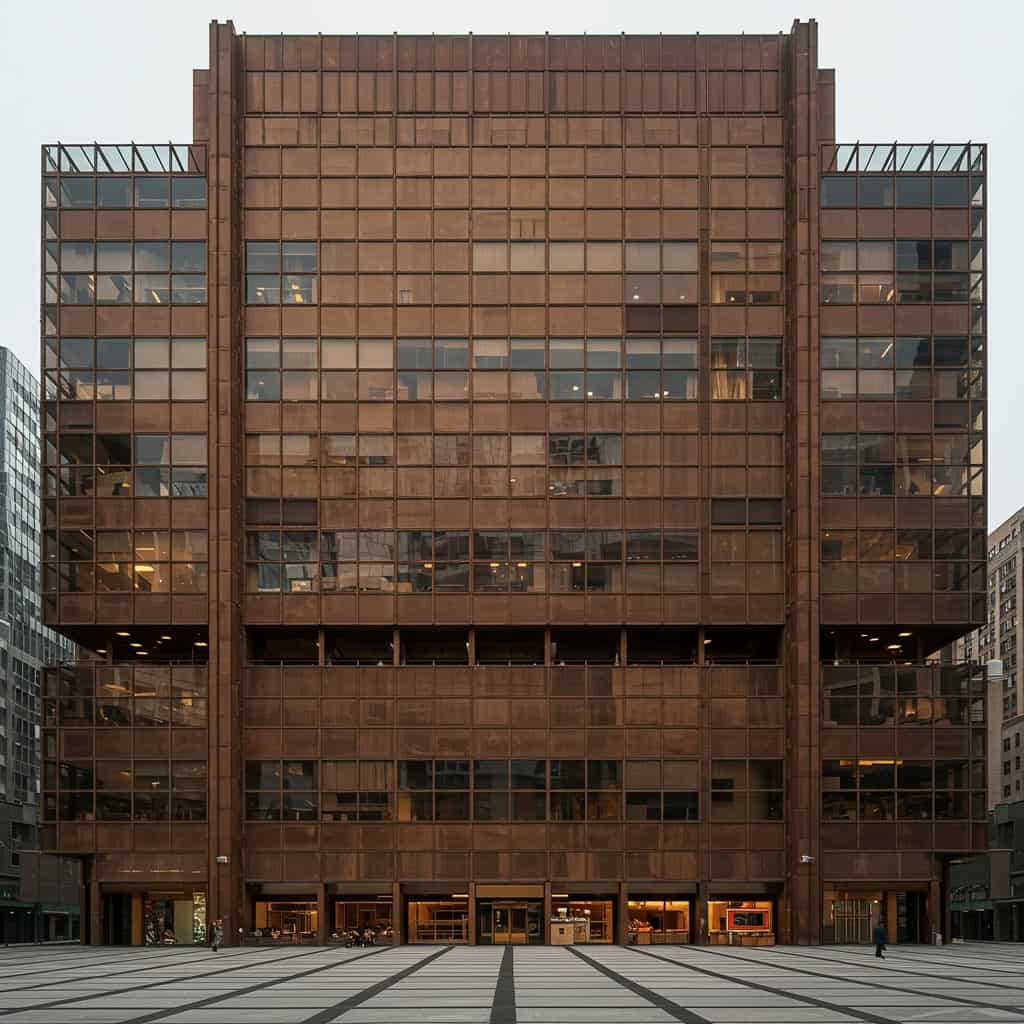
The iconic Seagram Building rises as a sleek glass skyscraper, epitomizing modern office architecture in the city skyline. | Generated by Google Gemini

Ludwig Mies van der Rohe’s Seagram Building, completed in 1958, redefined the modern skyscraper with its minimalist glass-and-steel façade and innovative use of open plaza space. Its clean lines, bronze-toned curtain wall, and rational grid structure set a new benchmark for corporate architecture, influencing countless towers worldwide.

The building’s emphasis on simplicity, structural clarity, and elegant proportions became hallmarks of the International Style. The Seagram Building remains a touchstone for architects seeking to balance function, aesthetics, and urban context. Learn more about this architectural masterpiece.

9. The Guggenheim Museum (Bilbao, Spain)

9. The Guggenheim Museum (Bilbao, Spain)
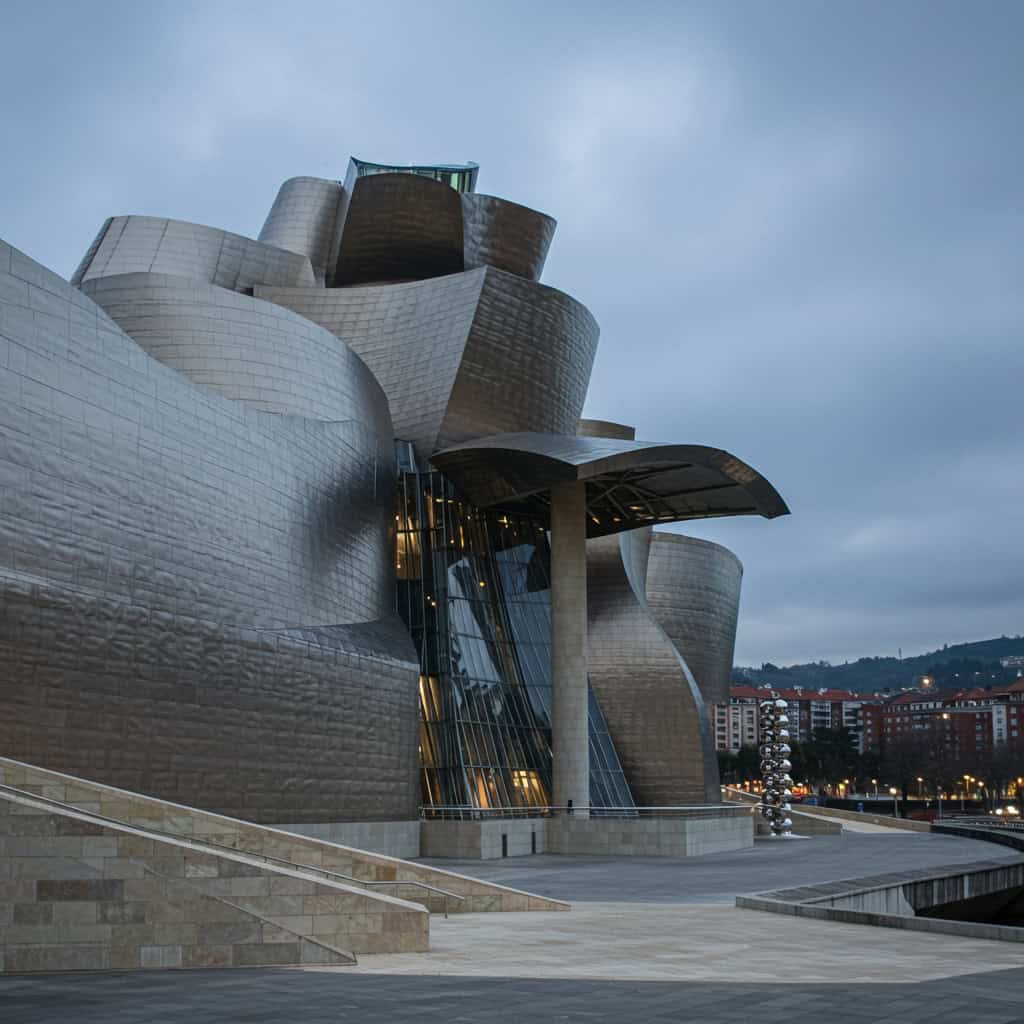
The Guggenheim Bilbao’s gleaming titanium curves twist and soar, showcasing Frank Gehry’s bold deconstructivist vision along the riverfront. | Generated by Google Gemini

Frank Gehry’s Guggenheim Museum, opened in 1997, transformed Bilbao with its undulating titanium curves and radical, sculptural design. The museum’s impact, known as the ‘Bilbao Effect,’ demonstrated architecture’s power to rejuvenate cities, attract tourism, and stimulate economic growth.

Gehry’s innovative approach broke away from traditional museum forms, inspiring architects to experiment with bold materials and expressive shapes. The Guggenheim Bilbao remains a symbol of contemporary creativity and urban renewal, setting a precedent for cultural landmarks worldwide. Further reading on this iconic building’s story.

10. Burj Khalifa (Dubai, UAE)

10. Burj Khalifa (Dubai, UAE)
The iconic Burj Khalifa towers above the dazzling Dubai skyline, illuminated against a backdrop of twilight hues. | Generated by Google Gemini

The Burj Khalifa, soaring to 828 meters since its completion in 2010, set a new benchmark for skyscraper height and structural ingenuity. Its innovative Y-shaped design and advanced engineering allow it to withstand extreme wind forces, pushing the boundaries of what is possible in vertical construction.

The tower’s dramatic presence has redefined Dubai’s skyline and inspired cities globally to pursue ambitious architectural feats. As a symbol of technological achievement and urban aspiration, the Burj Khalifa continues to shape the future of high-rise design. See more about this record-breaking structure.

Advertisement