15 Architectural Details Most People Overlook—but Designers Love

Robin - November 12, 2025
Share

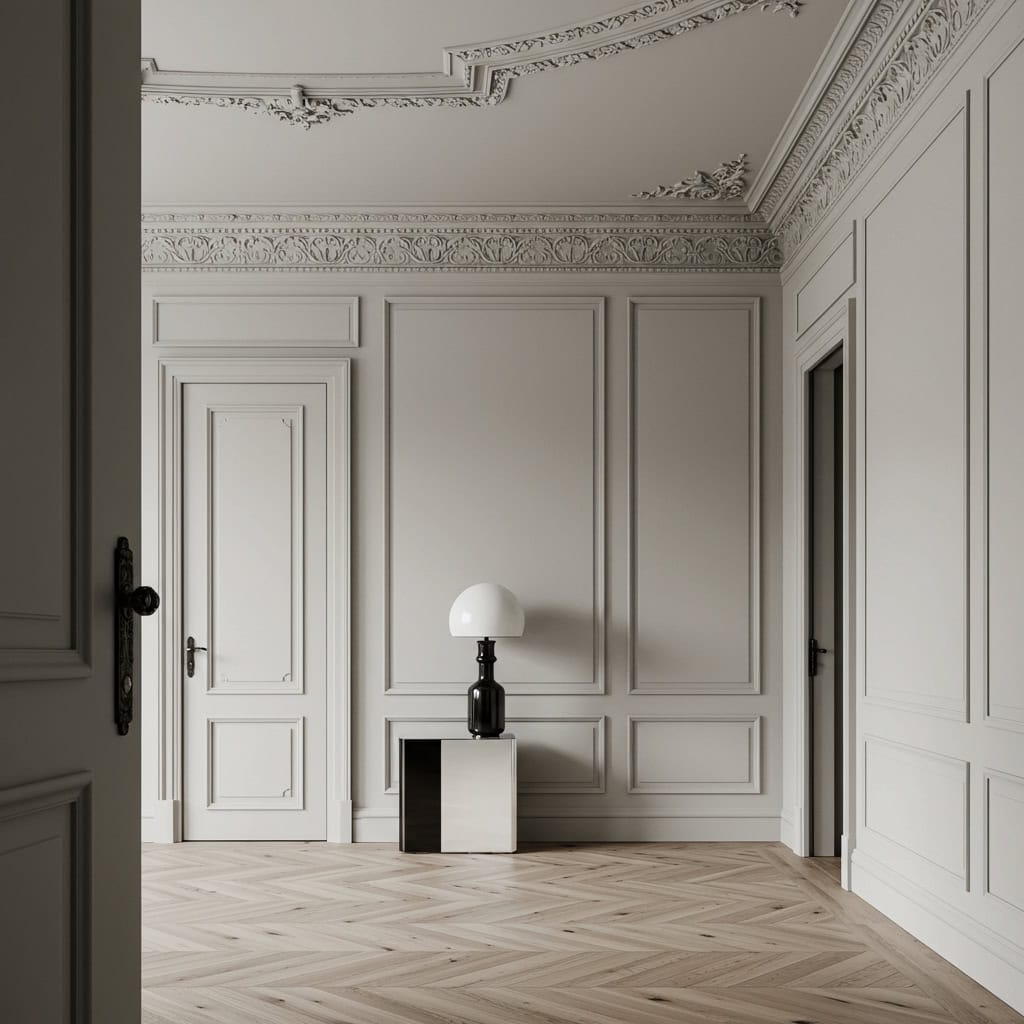
When entering a beautifully designed space, it’s often the subtle architectural details that create a sense of harmony and sophistication—yet these touches frequently go unnoticed by the untrained eye. Design professionals, however, appreciate how elements like trim profiles, shadow lines, and cleverly integrated lighting can transform both the look and feel of an interior. Discover how these understated features to elevate everyday spaces into works of art.

1. Revealed Door Frames

1. Revealed Door Frames
Sleek frameless doors with a minimal frame create a strikingly modern entryway filled with natural light. | Generated by Google Gemini

Revealed door frames, also known as frameless or minimal door frames, are a favorite among designers for their ability to create uninterrupted, clean lines within modern interiors. Unlike traditional trim, which adds visual weight and ornamentation, revealed frames blend the door seamlessly into the wall, producing a sophisticated and streamlined effect. This detail is especially popular in high-end residences and luxury projects, where simplicity and precision are paramount. For more on this trend, explore examples featured by ArchDaily and Dezeen.

2. Shadow Gap Detailing

2. Shadow Gap Detailing
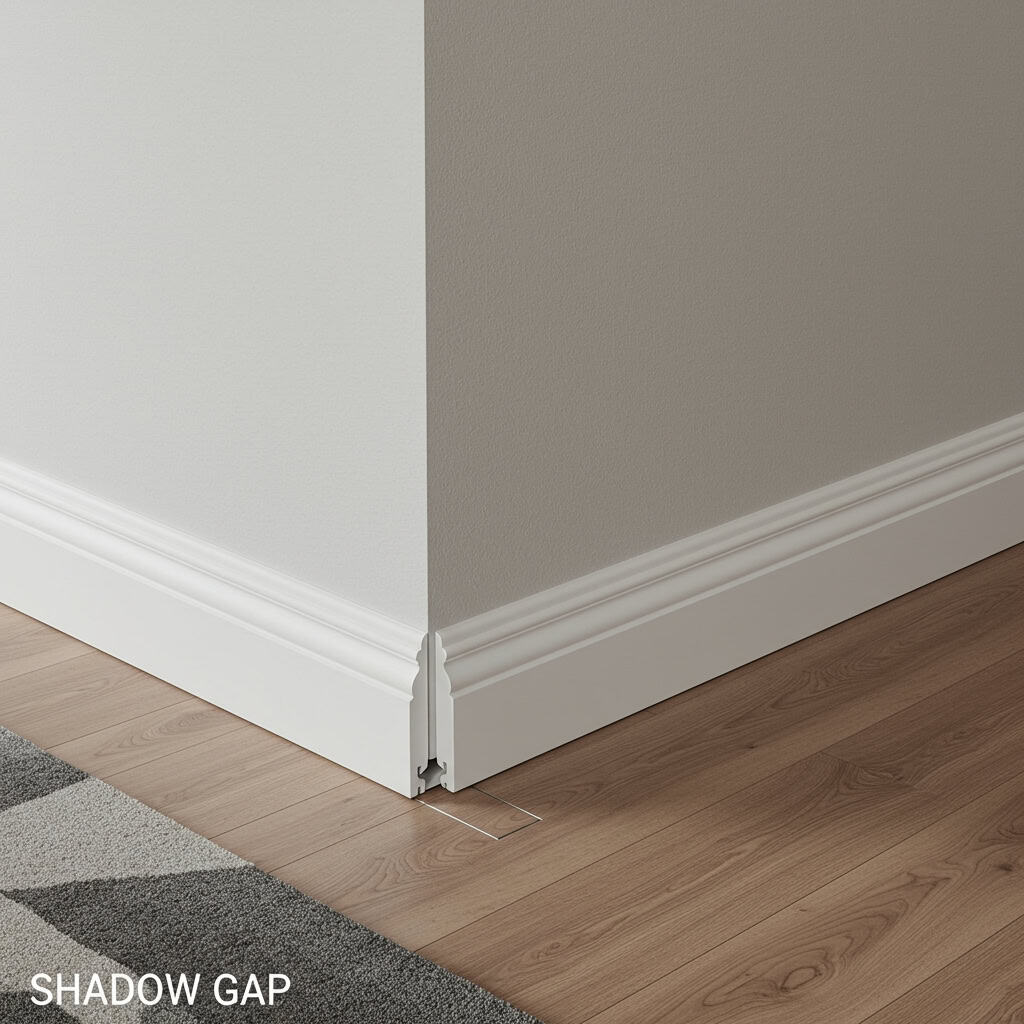
A sleek shadow gap accentuates the crisp wall detail, complemented by minimalist modern molding for a sophisticated finish. | Generated by Google Gemini

Shadow gap detailing replaces traditional baseboards or crown molding with slim, recessed channels, creating a striking visual separation between surfaces. This subtle architectural feature gives walls a “floating” appearance and delivers a crisp, modern edge to any interior. Designers often use shadow gaps to enhance the perception of space and emphasize the purity of architectural lines. Projects like the Shadow Gap House and homes featured on ArchDaily showcase how this detail adds refinement and sophistication to contemporary spaces.

3. Integrated Lighting

3. Integrated Lighting
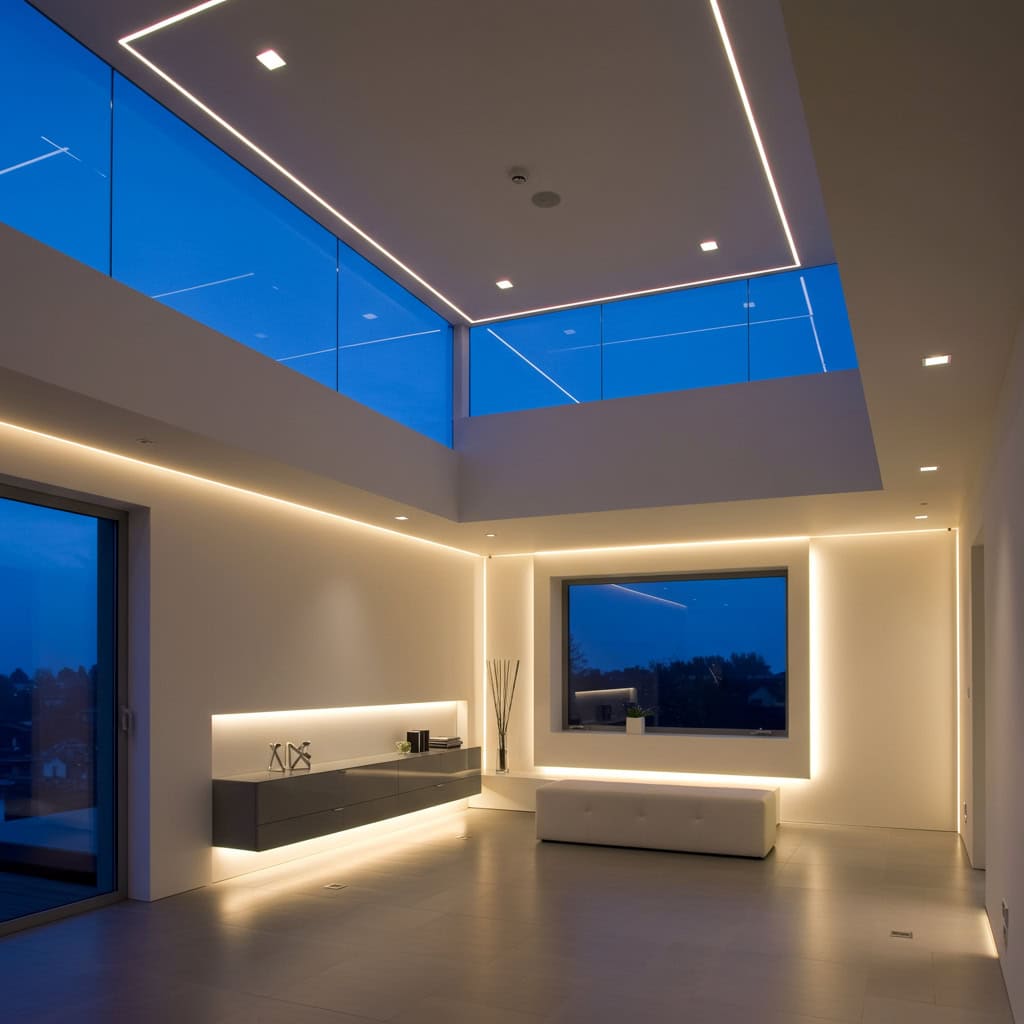
Sleek LED strips blend seamlessly into the walls, casting soft, indirect lighting that creates a modern, inviting ambiance. | Generated by Google Gemini

Integrated lighting, such as LED strips hidden within recesses, coves, or under cabinets, enhances both ambiance and functionality while maintaining a clean, uncluttered look. Unlike standard overhead lights, these fixtures are discreetly tucked away, allowing the architecture to take center stage and creating a soft, inviting glow. Designers love how this technique accentuates materials and shapes without the distraction of visible hardware. For inspiration and expert tips on integrated lighting solutions, explore resources from Architectural Digest and Lighting Design Alliance.

4. Window Muntins and Mullions

4. Window Muntins and Mullions
Window muntin and mullion patterns shape architectural style, framing views and enhancing interior ambiance. | Generated by Google Gemini

The arrangement of window muntins and mullions—the slender bars dividing panes of glass—plays a significant role in defining a window’s character and a room’s atmosphere. Historically, intricate grid patterns were common in traditional and colonial architecture, adding elegance and rhythm to façades. In contrast, modern designs often favor wide, minimal muntins or eliminate them altogether for a sleek, uninterrupted view. Designers appreciate how these details can frame outdoor scenery or evoke a sense of craftsmanship. For visual inspiration, see examples on ArchDaily and Old House Online.

5. Recessed Baseboards

5. Recessed Baseboards
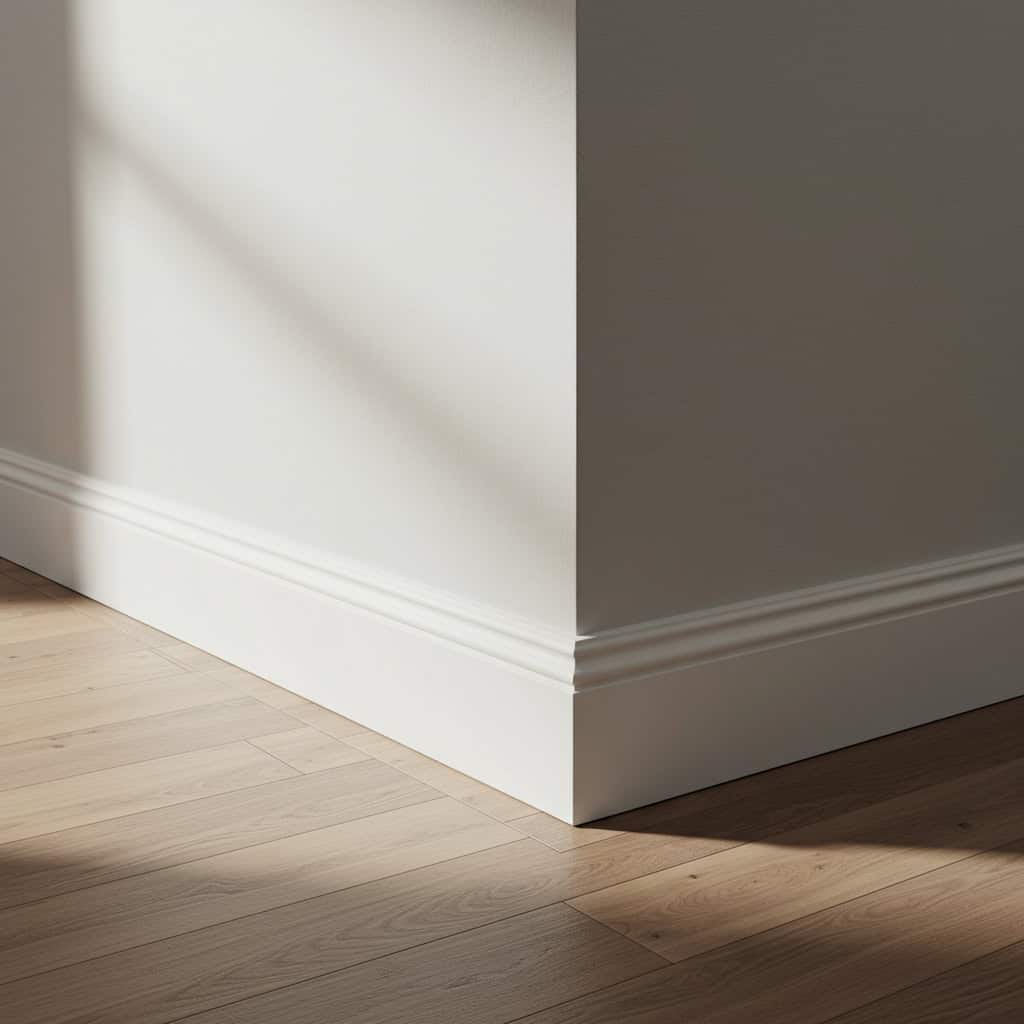
Sleek recessed baseboards and flush trim highlight the clean lines of this bright, minimalist living space. | Generated by Google Gemini

Recessed baseboards are a hallmark of minimalist architecture, sitting flush with the wall to create a seamless transition between floor and vertical surfaces. Unlike traditional baseboards, which protrude and serve as a decorative border, recessed versions disappear into the architecture, emphasizing clean, uninterrupted lines. This detail is especially prized in contemporary and high-end projects for its subtlety and sophistication. Designers favor this look for its ability to make spaces feel more expansive and refined. Explore modern applications in projects featured by ArchDaily and products from EzyJamb.

6. Transom Windows

6. Transom Windows
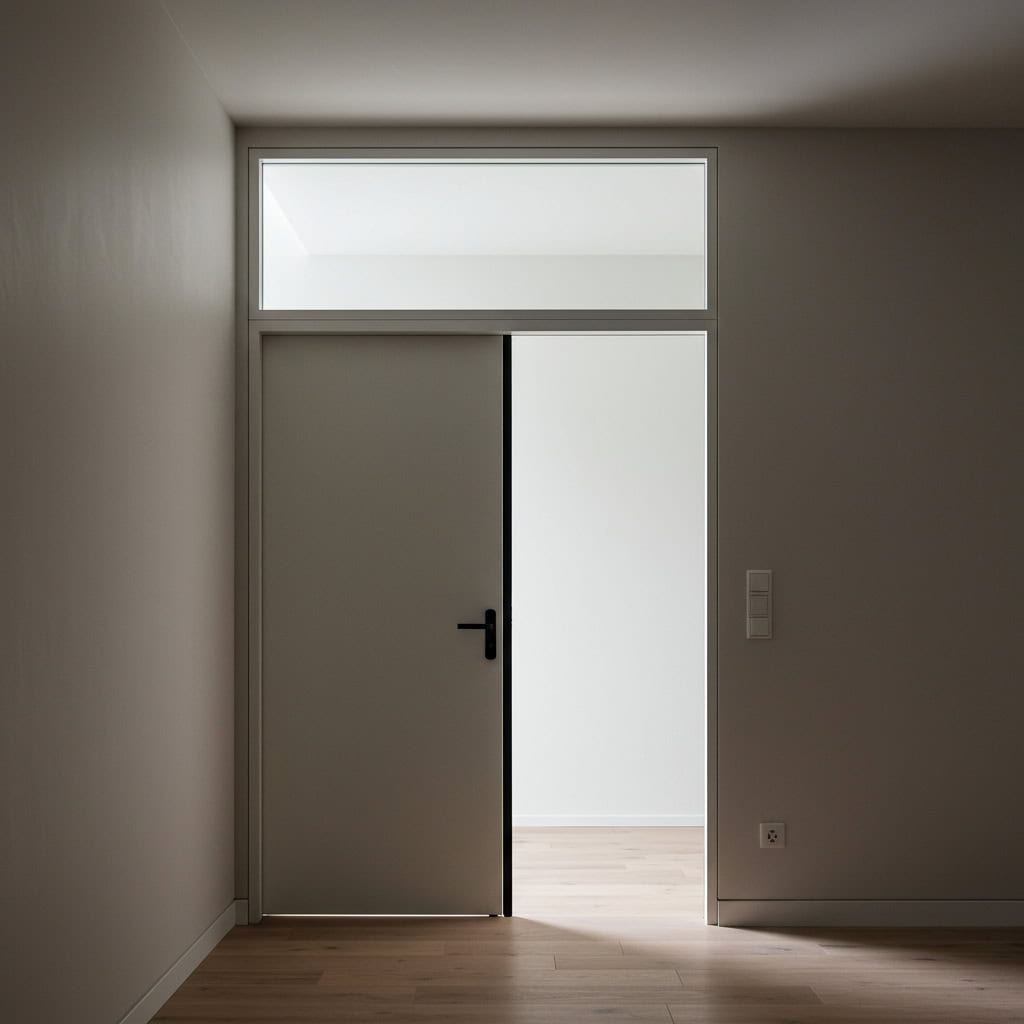
Sunlight streams through a transom window above the doorway, filling the entryway with warm, natural light. | Generated by Google Gemini

Transom windows, positioned above doors or between interior spaces, are beloved by designers for their ability to usher natural light deep into a home while preserving privacy and wall space. Historically, these windows added a decorative flourish and improved ventilation in traditional architecture. Today, their use ranges from classic glass-paneled arches to minimalist rectangular openings in modern spaces. Transoms visually elongate walls and contribute to a sense of openness and airiness. For examples in both classic and contemporary contexts, explore galleries at ArchDaily and House Beautiful.

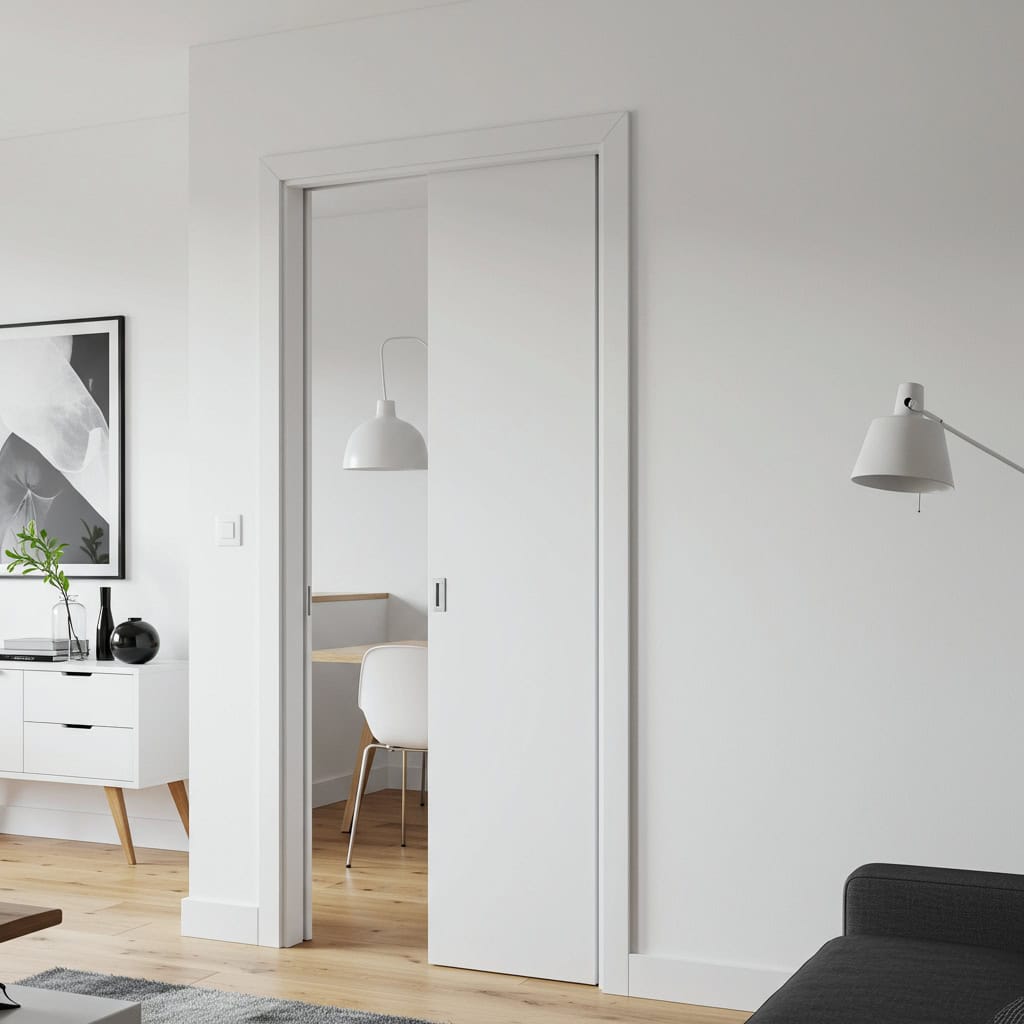
7. Pocket Doors

7. Pocket Doors
A sleek pocket sliding door tucks seamlessly into the wall, offering a stylish and space-saving solution for modern interiors. | Generated by Google Gemini

Pocket doors, which slide discreetly into the wall cavity rather than swinging open, offer both space-saving benefits and a streamlined aesthetic. Ideal for smaller rooms, en-suite bathrooms, and open-plan layouts, pocket doors free up floor space and eliminate the visual clutter of traditional hinged doors. This makes them particularly popular in modern and minimalist homes, as well as in areas where maximizing flow is essential. Designers appreciate their seamless integration and versatility. For more inspiration, see examples and design guidance from Dezeen and installation tips at Houzz.

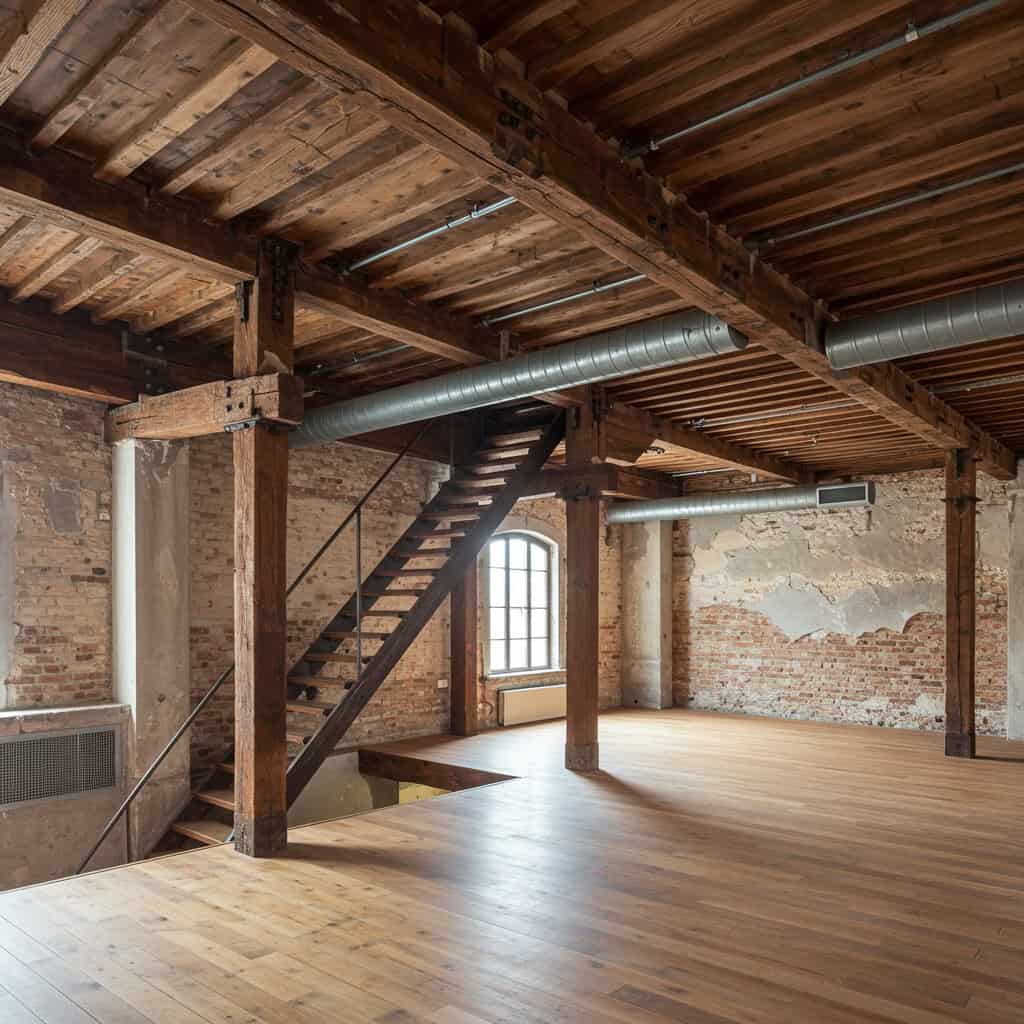
8. Exposed Structural Elements

8. Exposed Structural Elements
Sunlight streams through large windows onto a cozy loft, highlighting exposed beams and a striking brick wall in chic industrial design. | Generated by Google Gemini

Exposing beams, columns, or brickwork gives interiors a raw, authentic character that designers adore. This approach, rooted in industrial design, highlights the building’s construction and adds rich texture and visual interest to any space. Whether it’s original brick walls in a loft or steel beams in a contemporary home, leaving these elements visible celebrates craftsmanship and history. The interplay of materials like wood, metal, and masonry offers a tactile, layered look. For striking examples and trend insights, browse features from ArchDaily and Dezeen.

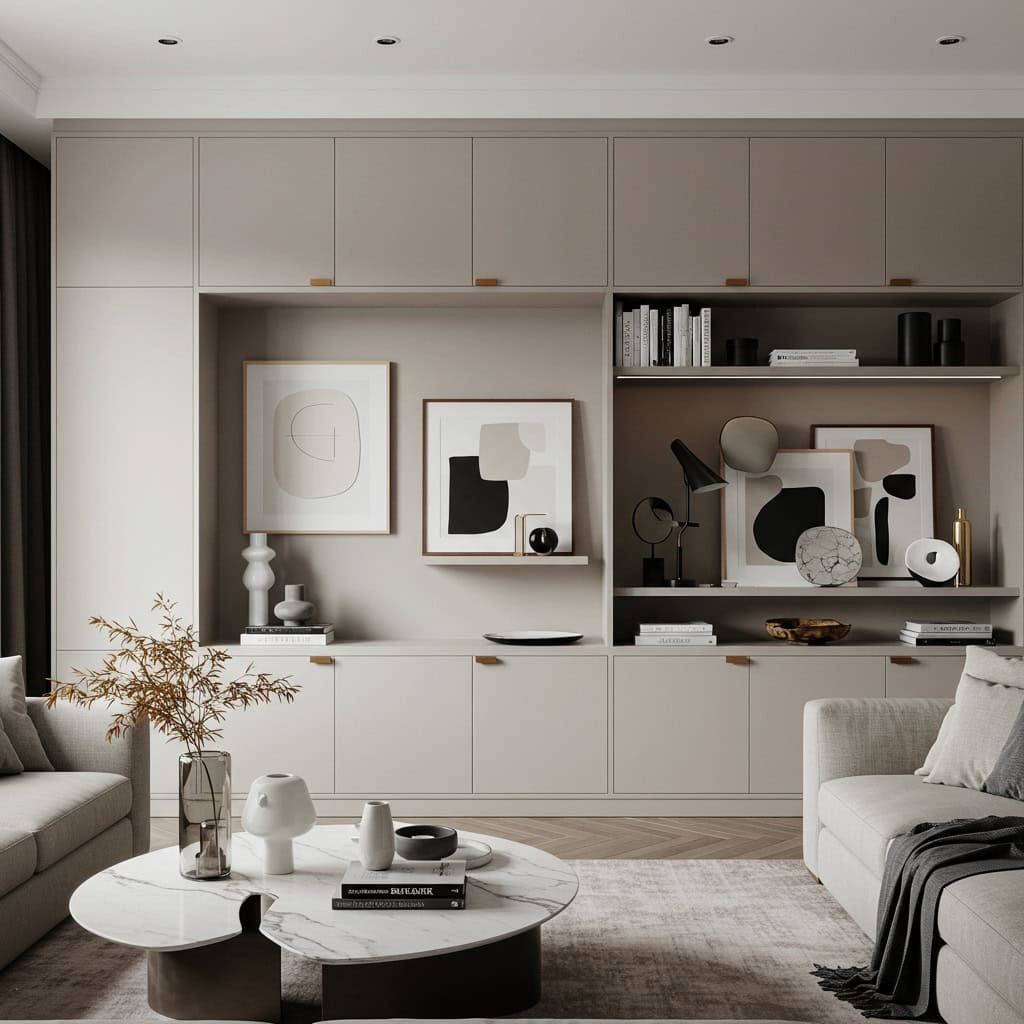
9. Niches and Built-ins

9. Niches and Built-ins
A cozy reading nook nestles within a wall niche, surrounded by built-in shelving filled with colorful books and decor. | Generated by Google Gemini

Niches and built-in elements offer elegant, space-saving alternatives to freestanding furniture. Wall niches can serve as display alcoves for art or lighting, while built-in shelves and cabinets streamline storage without encroaching on floor space. Designers love these features for their custom, integrated look, which enhances both functionality and architectural interest. Often overlooked by homeowners focused on moveable pieces, built-ins create a sense of permanence and cohesion in a room. For creative ideas and inspiration, explore guides and projects on Architectural Digest and Houzz.

10. Ceiling Coffers and Details

10. Ceiling Coffers and Details
A striking coffered ceiling with intricate decorative panels and elegant trim adds timeless charm to the room. | Generated by Google Gemini

Coffered ceilings and other decorative ceiling treatments introduce depth, pattern, and architectural interest to a space. Traditionally seen in grand homes and historic buildings, coffered ceilings use sunken panels to create a grid-like effect, adding dimension and elegance. In contemporary settings, designers reinterpret this feature with minimalist lines or creative shapes for a modern twist. These ceiling details can elevate even the simplest rooms, drawing the eye upward and enhancing the sense of height and luxury. For inspiring examples and expert insights, visit ArchDaily and Dezeen.

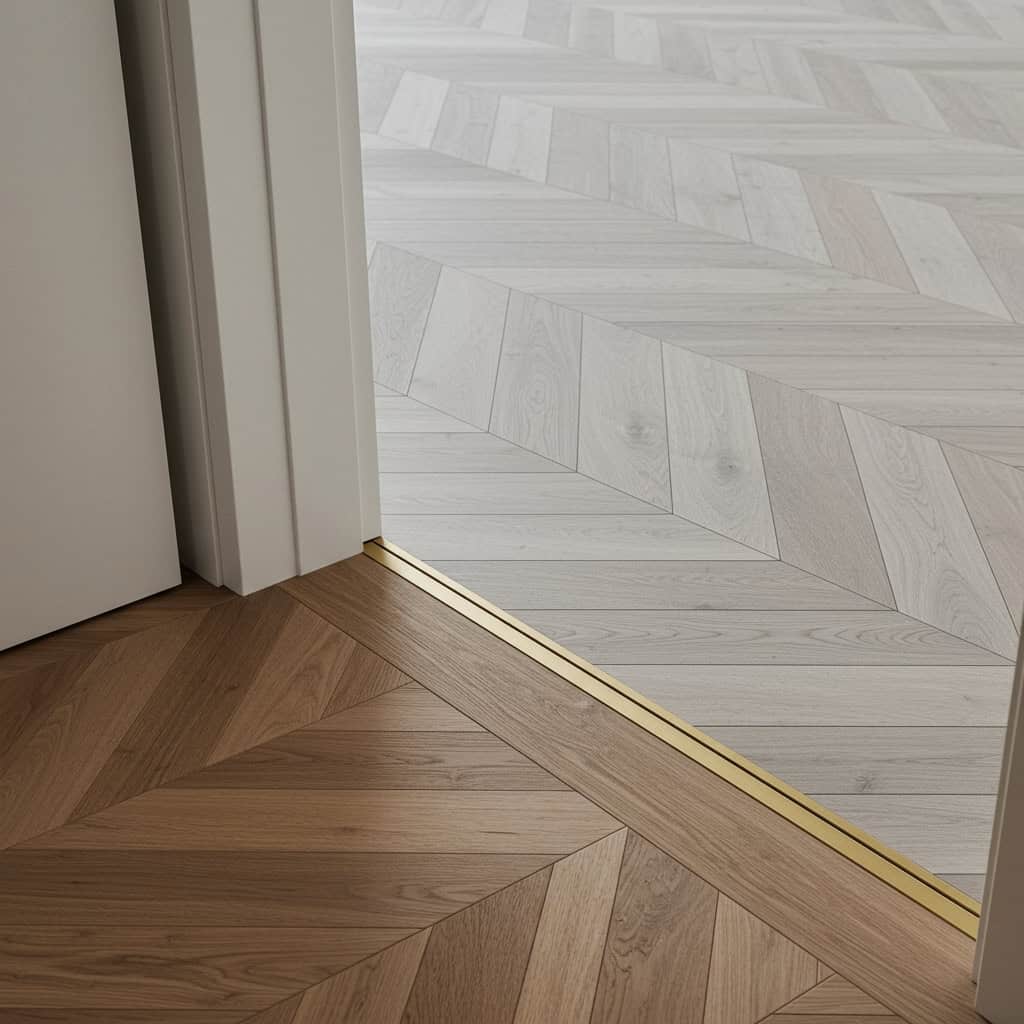
11. Floor Transitions

11. Floor Transitions
A smooth, seamless transition connects sleek ceramic tiles to warm wood flooring, creating a modern, unified space. | Generated by Google Gemini

Thoughtful floor transitions can subtly define spaces and add visual intrigue without the need for bulky thresholds or abrupt breaks. Designers often blend materials—like seamlessly merging wood and tile—using geometric patterns, herringbone inlays, or slim metal trims for a refined finish. These clever transitions not only delineate zones but also become design features in their own right. By avoiding standard threshold strips, the flow between rooms remains uninterrupted and sophisticated. For creative solutions and project inspiration, see features at ArchDaily and Dezeen.

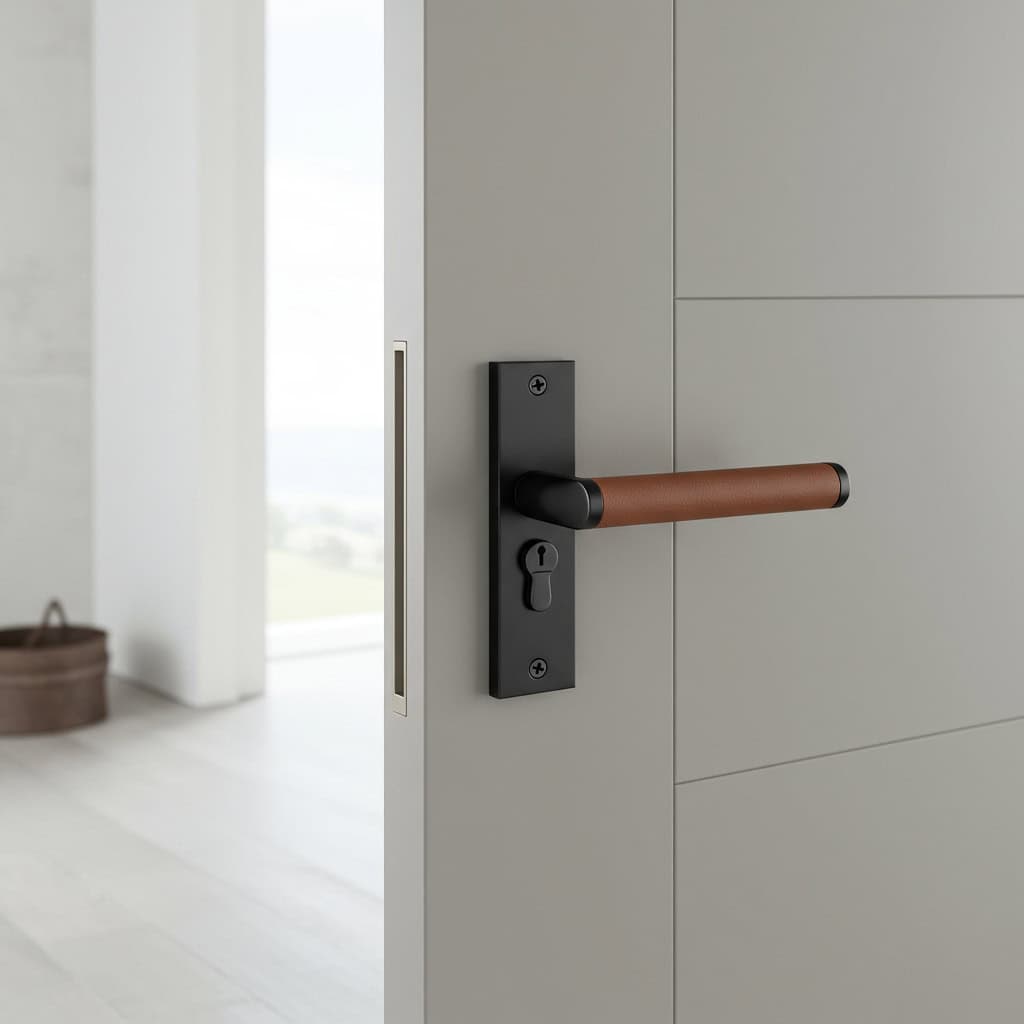
12. Door Hardware and Hinges

12. Door Hardware and Hinges
Sleek concealed hinges and stylish designer handles elevate this modern door, showcasing premium craftsmanship in every detail. | Generated by Google Gemini

High-quality door hardware and concealed hinges can transform a simple door into a statement piece. Designers often select custom handles, knobs, or levers in unique finishes—such as matte black, brass, or even leather-wrapped—for a touch of luxury and personality. Concealed hinges, which are hidden from view when the door is closed, create a seamless, uninterrupted look, particularly prized in minimalist and modern spaces. These subtle upgrades are often overlooked but play a crucial role in a room’s overall impression. For examples and design advice, visit ArchDaily and House Beautiful.

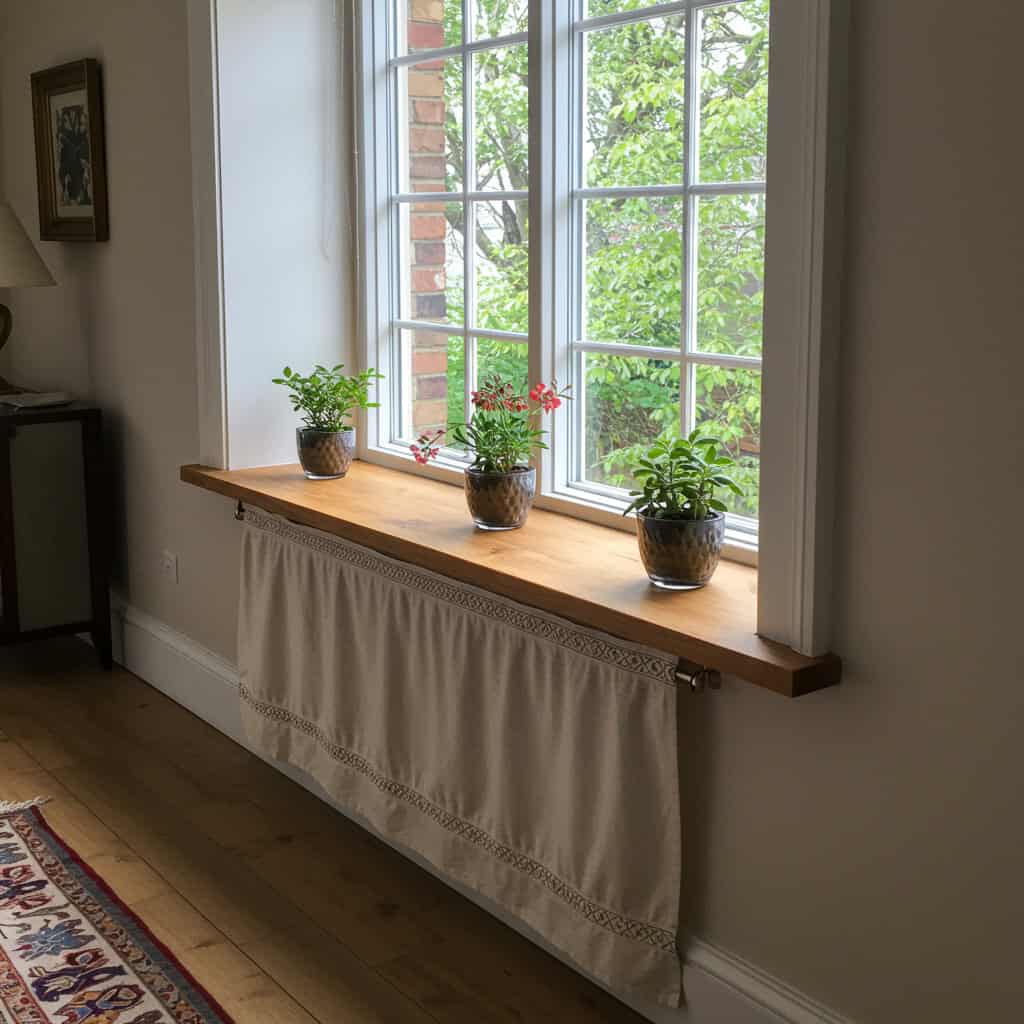
13. Window Sills and Aprons

13. Window Sills and Aprons
A classic architectural window framed by a sturdy sill and decorative apron, inviting natural light into the room. | Generated by Google Gemini

Window sills and aprons, though often overlooked, can introduce subtle character and functionality to any window installation. Designers may opt for deep sills to provide space for plants or seating, or choose contrasting materials—like stone or wood—for added visual interest. Aprons, the trim beneath a sill, can be detailed for a traditional touch or omitted for a sleek, modern effect. These nuanced design decisions enhance the aesthetic and practicality of a window, framing views and complementing interior styles. For design inspiration and practical tips, visit Old House Online and Houzz.

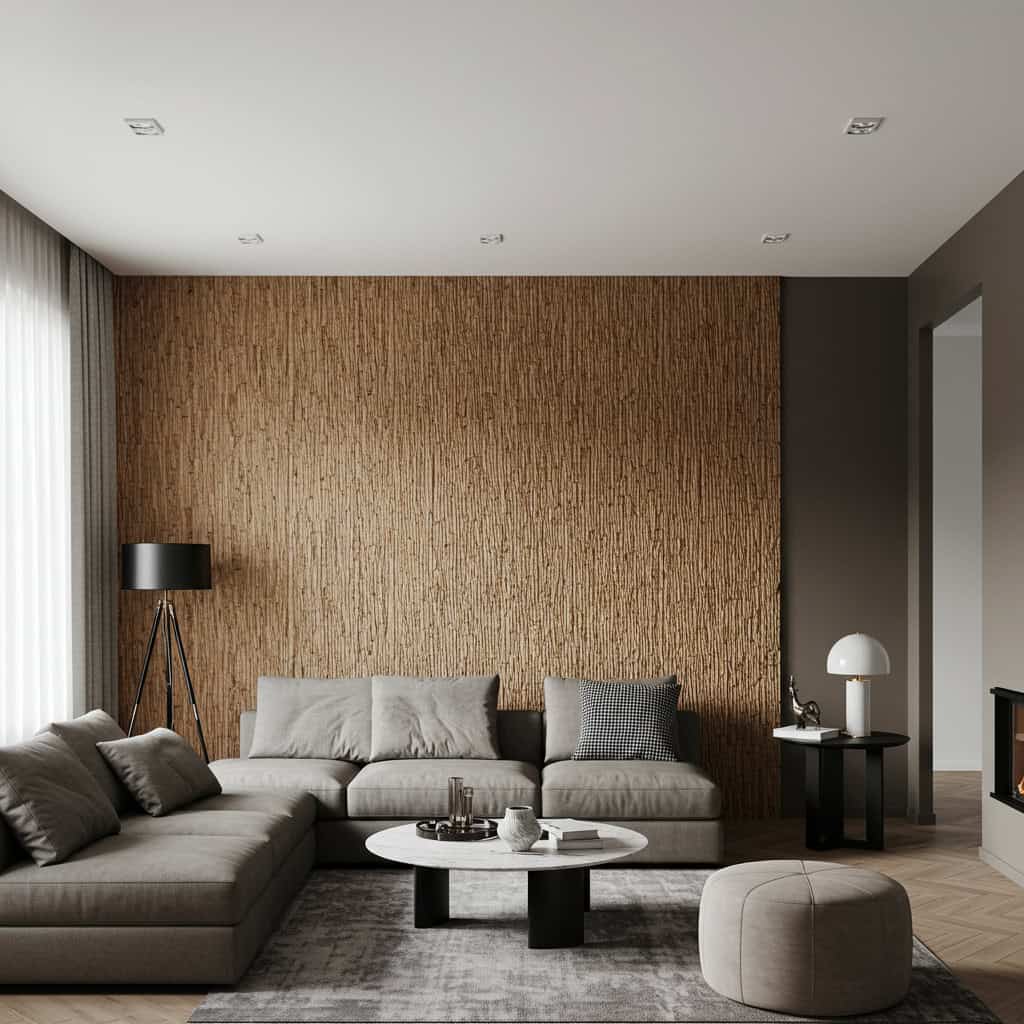
14. Accent Walls with Texture

14. Accent Walls with Texture
A striking wood slat accent wall adds warmth and texture, transforming the space with its modern, natural appeal. | Generated by Google Gemini

Textured accent walls, crafted from materials like wood slats, stone, brick, or hand-applied plaster, offer a dynamic alternative to simple painted feature walls. Designers appreciate how texture adds dimension, warmth, and tactile appeal, making a wall a true focal point without relying solely on color. Whether it’s the rhythmic pattern of vertical wood slats or the organic feel of rough stone, textured walls can suit both modern and rustic interiors. To explore creative applications and expert ideas, see projects highlighted by Architectural Digest and Dezeen.

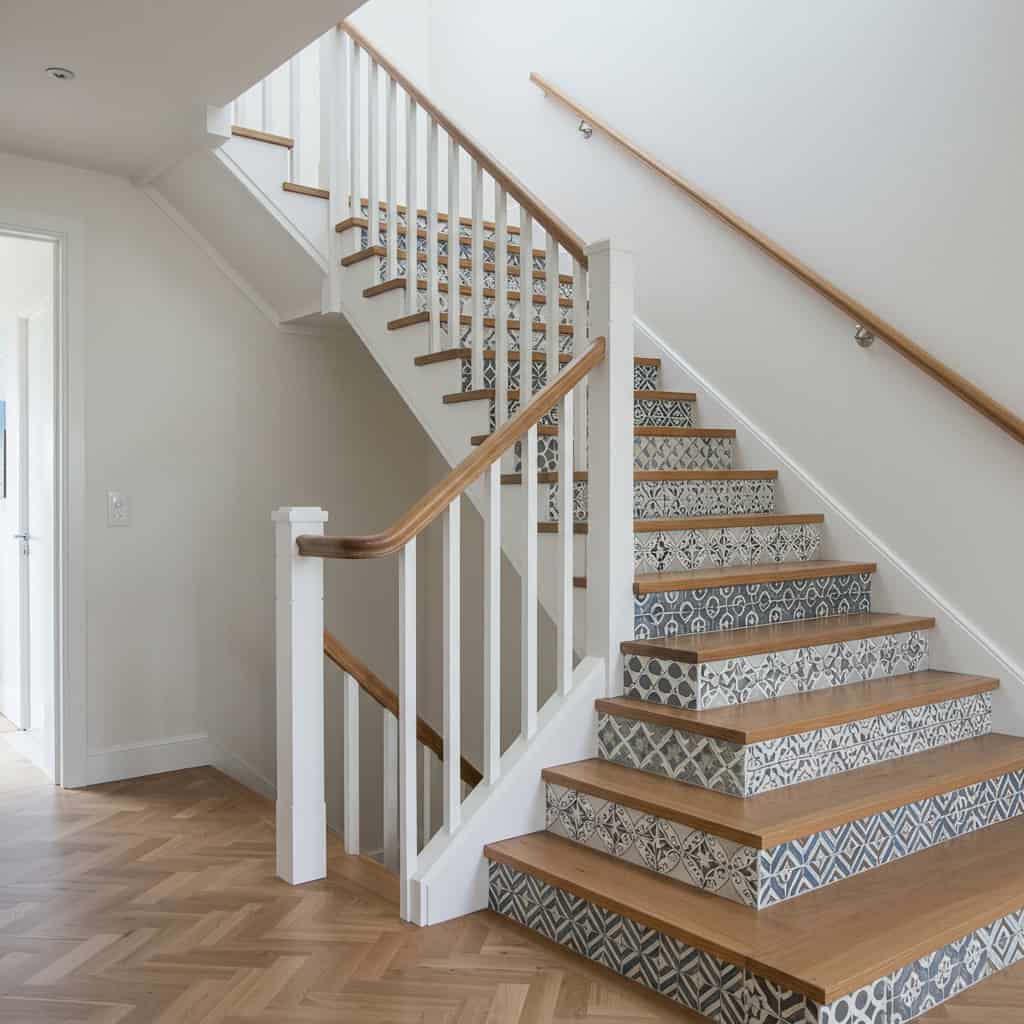
15. Staircase Riser Details

15. Staircase Riser Details
Sleek, modern staircase features decorative risers that add a stylish and unique touch to contemporary interior design. | Generated by Google Gemini

Staircase riser treatments are a subtle yet powerful way to personalize and elevate a home’s interior. Designers often use patterned tiles, contrasting paint, or wood paneling on risers to introduce color, texture, and artistry. In modern spaces, open risers—where the vertical section is left out—create a sense of lightness and connection between floors. These details transform stairways from merely functional to visually engaging features. For creative ideas and striking examples of riser details, explore galleries at Architectural Digest and Dezeen.

Conclusion

Conclusion
Intricate crown molding and a modern light fixture highlight the refined architectural details of this inviting home interior. | Generated by Google Gemini

The architectural details explored above may be subtle, but their impact on the atmosphere and function of a space is profound. Designers know that thoughtful touches—often hidden in plain sight—are what set truly remarkable interiors apart. By cultivating an appreciation for these elements, anyone can better recognize and celebrate the craftsmanship shaping our everyday environments. For more inspiration on elevating home design through detail, visit resources like Architectural Digest and Dezeen.

Advertisement