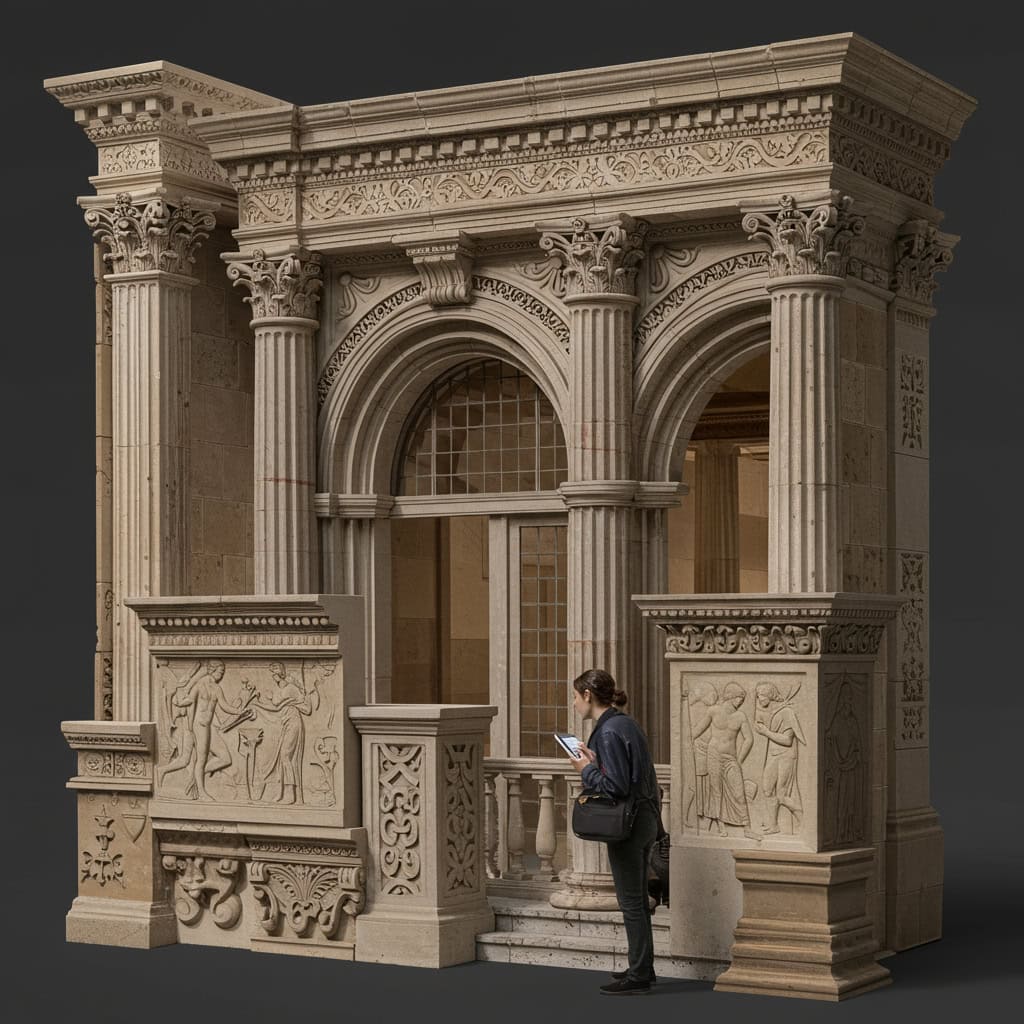
How to Understand the Story Behind Architectural Styles

Robin - November 10, 2025
Share

Every building is a silent storyteller, capturing the ambitions, values, and innovations of its era. Learning to interpret architectural styles unlocks secrets about history, culture, and technology that shaped our cities and homes. By recognizing design periods and identifying key influences, you can appreciate why a Gothic cathedral soars or a Modernist house stands boldly simple. This guide will reveal how to read these visual clues, enriching your travels and daily experiences.

Observe the Building’s Features Closely

Step 1: Observe the Building’s Features Closely
A row of building facades showcases diverse window styles and intricate architectural details, creating a vibrant urban streetscape. | Generated by Google Gemini

Begin by taking a detailed look at the building’s physical characteristics. Notice the shape of the roof, the style of windows, the presence of columns or arches, and the type of materials used—each detail provides clues about the time period and intended use.

Decorative motifs, symmetry, and even structural innovations can hint at cultural influences and technological advancements. For example, ornate facades often point to Baroque or Victorian styles, while clean lines suggest Modernism. To deepen your observational skills, explore the Encyclopedia Britannica’s guide on architectural forms and styles.

Learn Key Architectural Styles and Their Historical Contexts

Step 2: Learn Key Architectural Styles and Their Historical Contexts
Key architectural styles showcase evolving social values, technological advances, and artistic movements across history. | Generated by Google Gemini

Familiarize yourself with major architectural styles such as Gothic, Baroque, Renaissance, and Modernism, as well as the historical moments they represent. Each style reflects the social values, technological advances, and artistic movements of its era.

For example, Gothic architecture’s pointed arches and stained glass evoke medieval spirituality, while Modernism’s minimalist forms reveal a 20th-century focus on function and innovation. By connecting features to their historical roots, you gain deeper insights into why a building looks the way it does. Find informative overviews at History.com’s Architecture Timeline.

Identify Regional Influences and Adaptations

Step 3: Identify Regional Influences and Adaptations
Charming houses line a cobblestone street, their facades reflecting regional architecture shaped by rich vernacular styles and diverse cultural influences. | Generated by Google Gemini

Geography, climate, and local traditions play a significant role in how architectural styles are interpreted across regions. For instance, Mediterranean climates inspire open courtyards and terracotta roofs, while colder areas might favor steeply pitched roofs and thick walls.

Even globally recognized styles, like Art Deco or Colonial, adopt distinct characteristics in different places. By comparing similar styles in various regions, you uncover the unique stories and practical adaptations behind each structure. To explore regional differences, visit the Architectural Digest’s guide to architecture around the world.

Research the Building’s Historical Background

Step 4: Research the Building’s Historical Background
Exploring a building’s past through research unveils the stories behind its architectural design. | Generated by Google Gemini

Delve into the building’s history by consulting local archives, reading informational plaques, or searching online databases. Discovering the date of construction, the architect, and the original purpose can reveal why certain architectural choices were made.

Context such as societal needs, economic conditions, or significant events often shape both style and function. This research transforms your understanding from mere observation to meaningful interpretation. For guidance on uncovering building histories, explore resources like the National Park Service’s guide to researching historic buildings.

Analyze Symbolism and Purpose in Design

Step 5: Analyze Symbolism and Purpose in Design
Intricate motifs and symbolic elements adorn the facade of a historic building, showcasing the artistry of architectural symbolism. | Generated by Google Gemini

Examine the building for intentional symbols, decorative motifs, and spatial layouts that communicate deeper meanings. Elements like religious iconography, national emblems, or geometric patterns often express the building’s intended function or the beliefs of its patrons.

The placement of entrances, orientation, and use of light can also convey authority, spirituality, or openness. By decoding these visual messages, you gain insight into the ideals and aspirations embedded in the architecture. For further reading on symbolism in architecture, visit the ArchDaily article on the meaning of architecture.

Connect Architecture to Broader Social and Technological Trends

Step 6: Connect Architecture to Broader Social and Technological Trends
Architecture reflects its era, shaped by technological advances, societal changes, and political influences. | Generated by Google Gemini

Architectural styles are often shaped by shifts in technology, social structures, and political climates. Innovations like steel framing enabled skyscrapers, while societal changes sparked movements such as Bauhaus or Brutalism.

By linking a building’s features—like expansive glass facades or communal spaces—to historical events or cultural shifts, you uncover the broader forces that influenced its design. This perspective reveals how architecture serves as a mirror to its time. For a deeper exploration of these connections, visit The Met’s overview of architecture and history.

Synthesize Clues to Uncover the Story

Step 7: Synthesize Clues to Uncover the Story
A dynamic cityscape showcases buildings from different eras, weaving a visual narrative of architectural evolution and storytelling. | Generated by Google Gemini

After gathering details about features, style, context, and symbolism, piece them together to create a narrative about the building. Consider its origins, how it has changed over time, and its significance within the community or historical period.

This holistic approach transforms passive observation into an active exploration of history and meaning. Your newfound understanding not only enriches your appreciation but also connects you to the stories embedded in the built environment. To practice synthesizing architectural clues, try the exercises offered by the Victoria and Albert Museum’s guide to architecture.

Conclusion

Conclusion
Curious explorers stand before a striking city building, admiring its unique architectural features amid the urban landscape. | Generated by Google Gemini

Understanding architectural styles involves more than recognizing shapes or materials—it’s about reading the stories buildings tell through their features, history, and context. By observing details, researching backgrounds, and connecting designs to broader trends, you reveal the unique narratives embedded in every structure.

This journey offers a richer appreciation of the built environment and deepens your connection to places old and new. Keep exploring, questioning, and learning from architecture around you. For further inspiration and resources, visit The Royal Institute of British Architects’ Knowledge Hub.

Advertisement