10 Architectural Wonders That Redefined Modern Design

Robin - November 9, 2025
Share

From awe-inspiring skyscrapers to groundbreaking museums, certain structures have fundamentally altered the course of architecture. These iconic buildings embody innovation, blending bold aesthetics with cutting-edge technology and unmatched functionality.

By reimagining space and challenging established norms, these masterpieces have influenced generations of architects and designers. Their legacies are visible in city skylines and in the evolution of sustainable, adaptive, and human-centric design philosophies. Explore how these architectural marvels continue to shape the modern world.
1. Guggenheim Museum Bilbao

1. Guggenheim Museum Bilbao
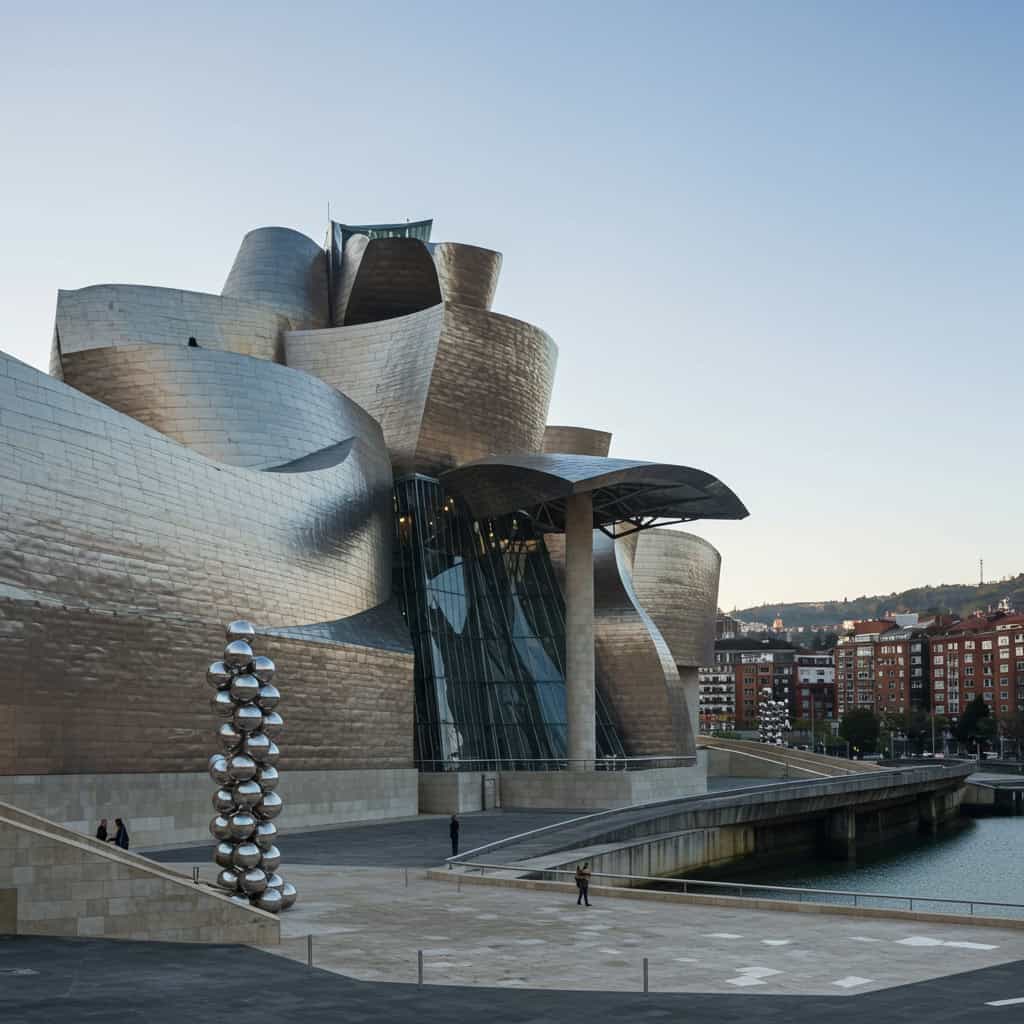
The striking curves and shimmering titanium panels of the Guggenheim Bilbao showcase Frank Gehry’s iconic architectural vision. | Generated by Google Gemini

Frank Gehry’s Guggenheim Museum Bilbao stands as a revolutionary work in contemporary architecture. Its shimmering, titanium-clad curves defy traditional museum forms, favoring organic, fluid shapes over rectilinear spaces. This visionary design ignited the ‘Bilbao Effect,’ transforming the city into a cultural destination and a model for urban renewal worldwide.

Unlike conventional museums, which often recede into the background, the Guggenheim boldly asserts itself as both an art space and an architectural icon, inspiring cities globally to pursue ambitious, design-driven revitalization projects.

2. Sydney Opera House

2. Sydney Opera House
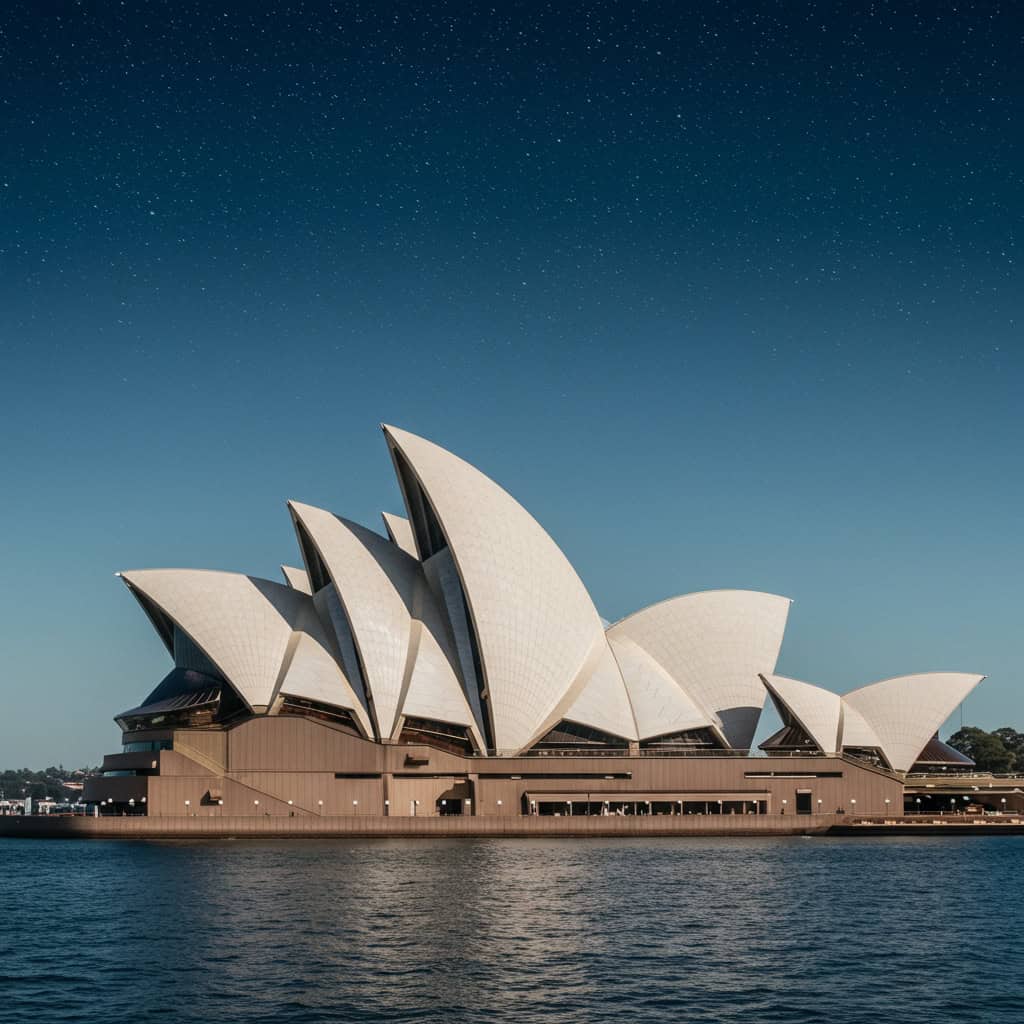
The iconic Sydney Opera House stands proudly by the harbor, its sail-shaped roofs gleaming against the water. | Generated by Google Gemini

Jørn Utzon’s visionary Sydney Opera House redefined the possibilities of cultural architecture through its soaring, precast concrete shells. Unlike the rigid, ornate facades of traditional opera houses, Utzon’s sculptural approach created a visual symphony that captures the spirit of its harborside setting.

This innovative use of modular construction and expressive geometry not only revolutionized building techniques but also elevated the status of performing arts venues worldwide. The Sydney Opera House continues to set new benchmarks, proving that function and artistic expression can coexist harmoniously on a global stage.

3. Burj Khalifa

3. Burj Khalifa
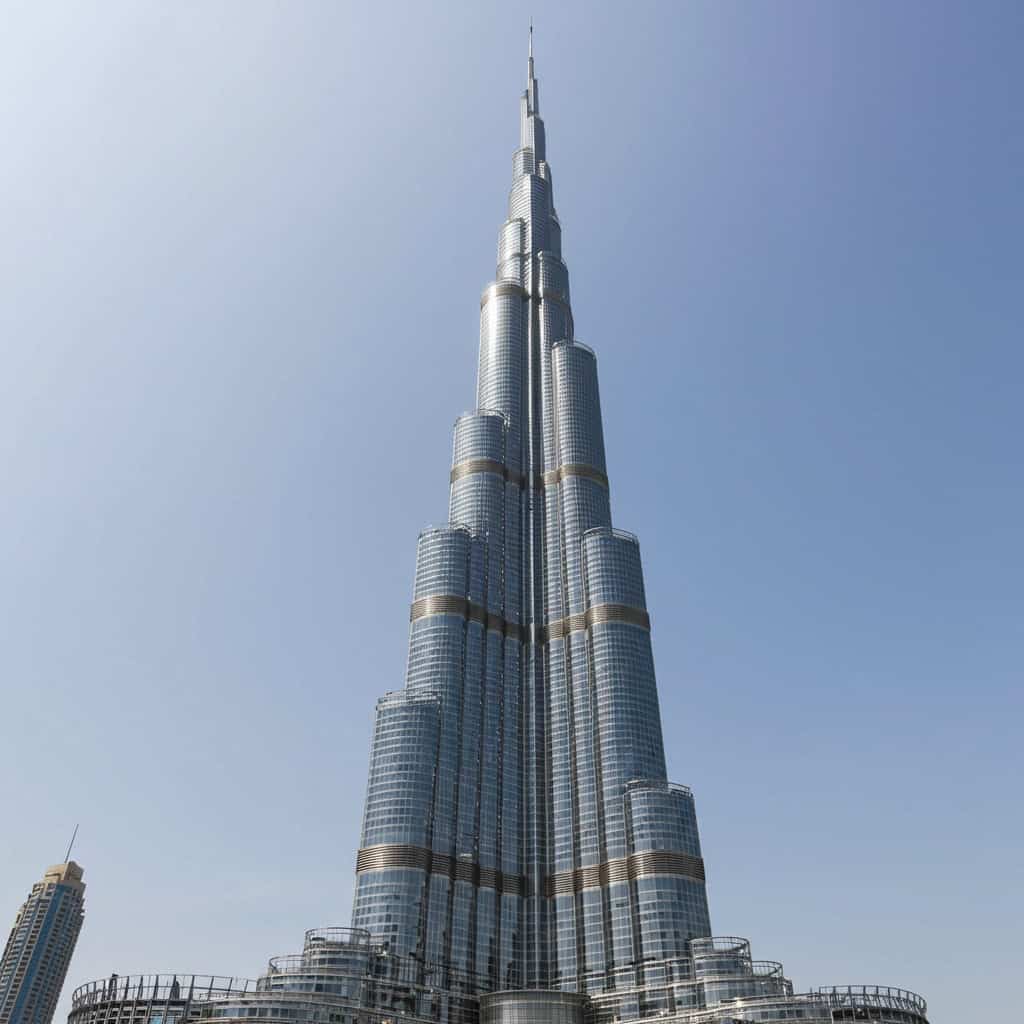
The iconic Burj Khalifa rises majestically above the dazzling Dubai skyline, dominating the city as the world’s tallest building. | Generated by Google Gemini

The Burj Khalifa stands as a monumental achievement in modern engineering, soaring to 828 meters and shattering previous height records held by structures like Taipei 101. Designed by SOM, its form draws inspiration from Islamic architecture, featuring a triple-lobed footprint reminiscent of regional motifs.

The skyscraper’s advanced construction techniques, including a reinforced concrete core and a unique buttressed design, enabled its unprecedented height and slender silhouette. The Burj Khalifa not only redefined the Dubai skyline but also set a new global standard for ambition, innovation, and architectural elegance in supertall buildings.

4. Fallingwater

4. Fallingwater
Frank Lloyd Wright’s iconic Fallingwater house dramatically perches above a cascading waterfall, blending architecture with nature. | Generated by Google Gemini

Frank Lloyd Wright’s Fallingwater exemplifies the harmonious integration of architecture and nature. Perched dramatically over a cascading waterfall, its iconic cantilevered terraces seem to float above the landscape, blurring the boundaries between indoors and outdoors.

This organic approach marked a radical departure from conventional residential design, which typically separated the home from its environment. Wright’s masterful use of native materials and open floor plans established Fallingwater as a pioneering model for site-specific architecture, inspiring generations to rethink the relationship between built structures and their natural surroundings.

5. The Shard

5. The Shard
The Shard rises majestically above London, its shimmering glass architecture reflecting the city’s dynamic skyline. | Generated by Google Gemini

Renzo Piano’s The Shard reimagined London’s urban landscape with its striking, glass-clad profile rising 310 meters above the city. Departing from the monolithic forms of earlier towers, The Shard’s tapering design mimics a shard of glass, promoting transparency and lightness.

Piano introduced the concept of a “vertical city,” integrating offices, residences, restaurants, and public spaces within a single structure. This multifunctional approach contrasts with traditional skyscrapers, which often segregate uses. The Shard’s transformative presence and sustainable features have set new benchmarks for high-rise design and urban integration in the heart of London.

6. Centre Pompidou

6. Centre Pompidou
Centre Pompidou’s exposed structural elements and vibrant pipes redefine museum architecture with bold transparency. | Generated by Google Gemini

The Centre Pompidou, designed by Renzo Piano and Richard Rogers, revolutionized museum architecture with its radical “inside-out” approach. By boldly exposing structural elements, mechanical systems, and color-coded pipes on the exterior, the building subverts the traditional notion of concealed infrastructure.

This transparency not only creates a striking visual identity but also enables vast, flexible interior spaces adaptable to changing exhibits. Unlike conventional museums, which emphasize classical facades and compartmentalized galleries, the Centre Pompidou’s playful, high-tech aesthetic and open layout have set a new standard for cultural venues worldwide.

7. Villa Savoye

7. Villa Savoye
The iconic white Villa Savoye stands gracefully among green lawns, showcasing Le Corbusier’s revolutionary modernist architecture. | Generated by Google Gemini

Le Corbusier’s Villa Savoye stands as a masterwork of modernist architecture, embodying his influential ‘Five Points of Architecture’: pilotis, free façade, open floor plan, ribbon windows, and roof garden. This innovative residence challenged the classical villa’s symmetry and compartmentalized rooms, instead favoring fluid, light-filled spaces supported by slender columns.

The minimalist white box, elevated above the ground, signaled a new era of design that prioritized functionality, openness, and a connection with nature. Villa Savoye’s visionary principles have profoundly shaped residential architecture across the globe, cementing its status as a modern icon.

8. Beijing National Stadium (Bird’s Nest)

8. Beijing National Stadium (Bird’s Nest)
Beijing National Stadium: iconic “Bird’s Nest” fuses Chinese heritage with innovative architectural engineering. | Generated by Google Gemini

The Beijing National Stadium, designed by Herzog & de Meuron, became a global symbol during the 2008 Olympics with its striking, interwoven steel lattice. Nicknamed the “Bird’s Nest,” the structure masterfully merges aesthetics and engineering, with its exposed skeleton providing both support and visual intrigue.

The design draws inspiration from traditional Chinese ceramics, reflecting cultural heritage while embracing modernity. More than a sports venue, the stadium stands as a testament to innovation and national pride, representing China’s emergence on the world stage and setting a new benchmark for iconic event architecture.

9. The Glass House

9. The Glass House
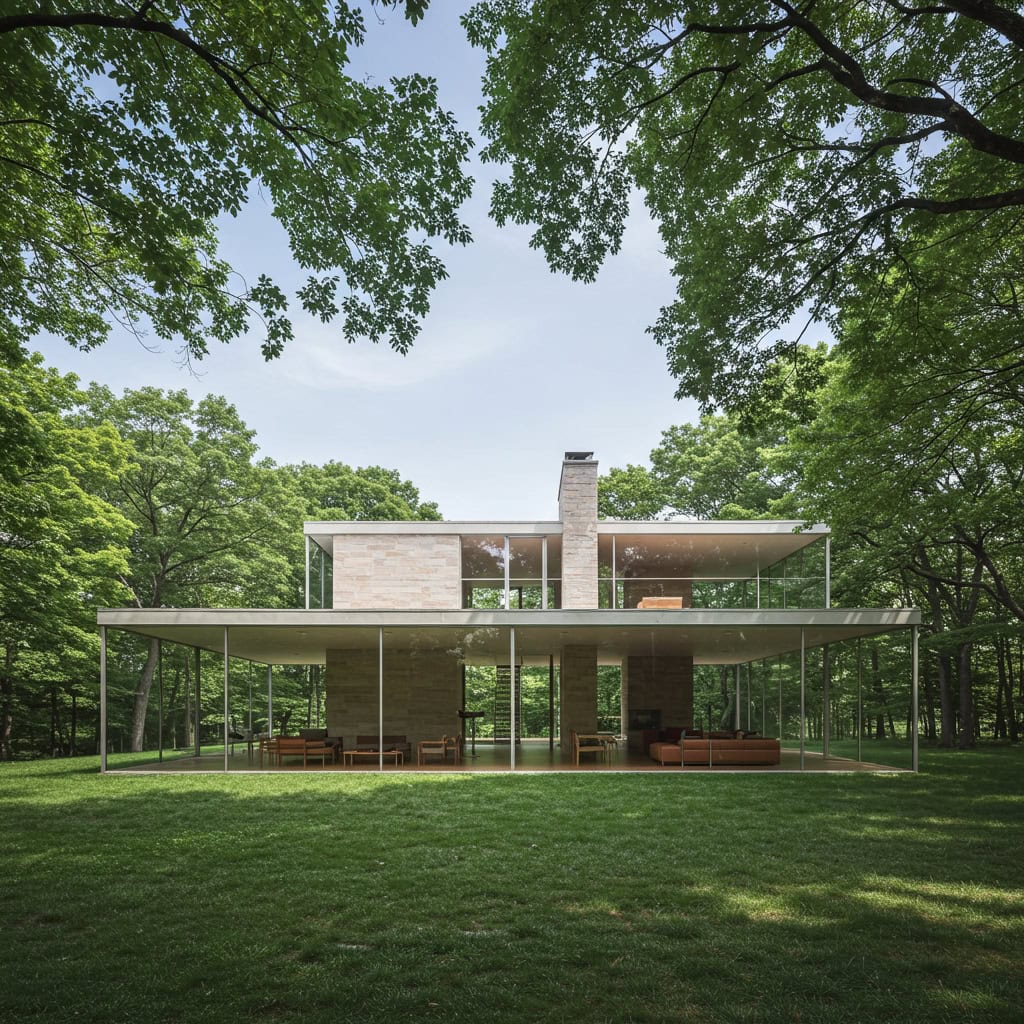
Philip Johnson’s Glass House showcases sleek modernist design, its transparent walls blending seamlessly with the surrounding greenery. | Generated by Google Gemini

Philip Johnson’s Glass House epitomizes minimalist modernism, featuring transparent walls that dissolve the boundary between interior and surrounding landscape. Completed in 1949, its rectilinear form and open plan create an immersive dialogue with nature, allowing light and scenery to define the living space.

Unlike Mies van der Rohe’s Farnsworth House, which stands elevated and isolated, Johnson’s design integrates more seamlessly with its wooded Connecticut site. The Glass House’s radical transparency and simplicity have made it a landmark in residential architecture, influencing subsequent explorations of openness, materiality, and the relationship between built and natural environments.

10. Marina Bay Sands

10. Marina Bay Sands
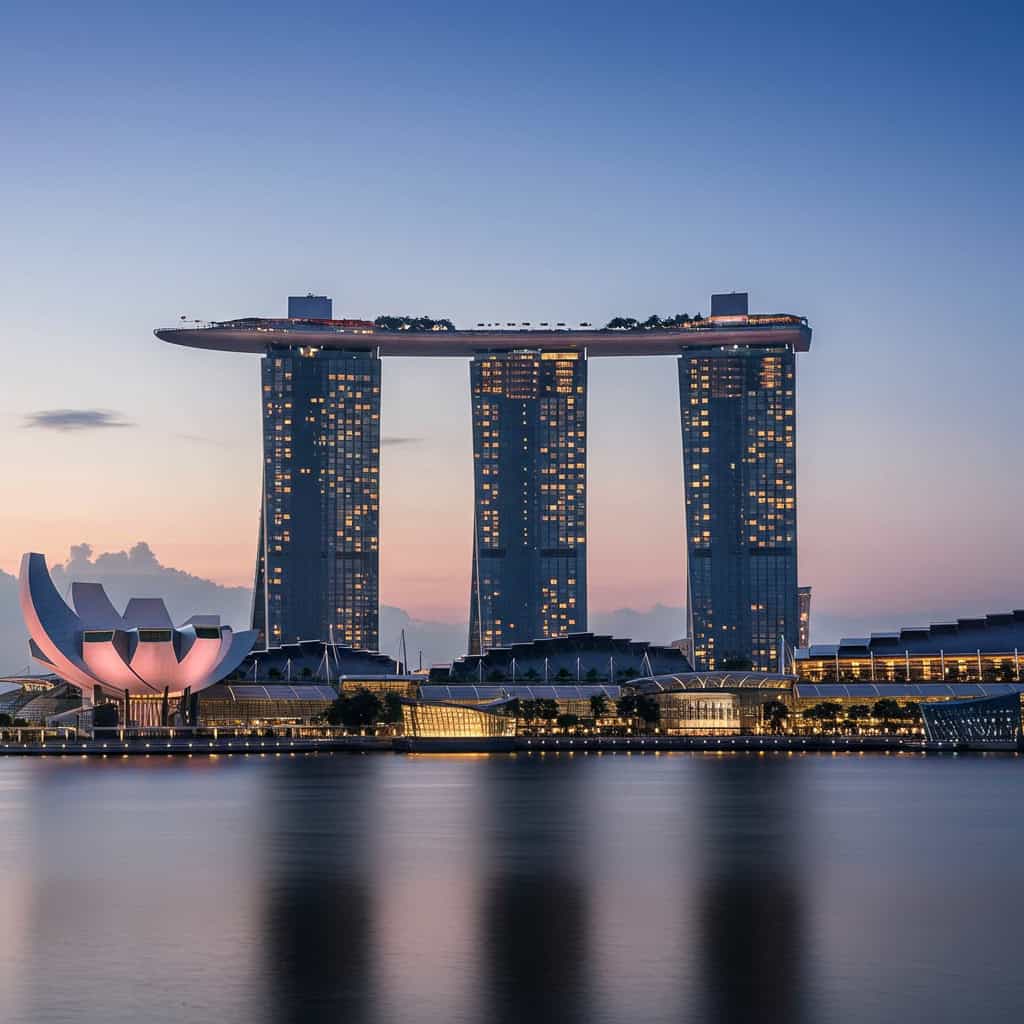
Marina Bay Sands rises majestically above the Singapore skyline, its iconic skypark stretching across shimmering city lights. | Generated by Google Gemini

Moshe Safdie’s Marina Bay Sands has become a defining feature of Singapore’s skyline, renowned for its trio of soaring towers connected by the dramatic SkyPark. This architectural marvel seamlessly integrates hospitality, leisure, retail, and public spaces, setting a new paradigm for urban resorts.

Unlike conventional casinos or hotel complexes, Marina Bay Sands encourages public engagement through its observation deck, infinity pool, and vibrant cultural venues. Its innovative form and ambitious scale demonstrate how integrated resorts can serve as both economic engines and iconic landmarks, inspiring similar developments throughout Asia and beyond.

Conclusion

Conclusion
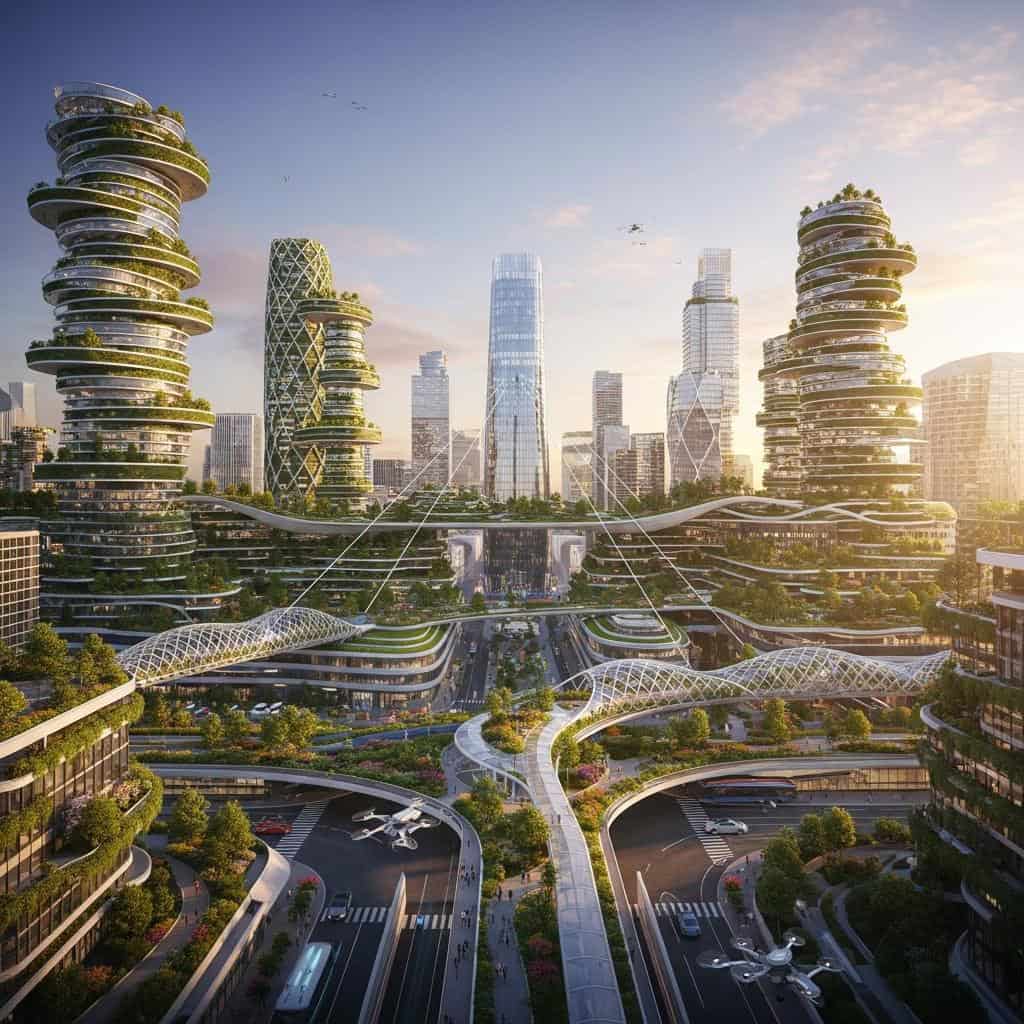
Innovative architectural landmarks elevating global standards in creativity, sustainability, and cultural influence. | Generated by Google Gemini

These architectural marvels have redefined what is possible in the built environment, setting new standards for creativity, sustainability, and cultural significance. Each structure not only showcases groundbreaking design and engineering but also leaves a lasting impact on its city and the world at large.

From revitalizing urban landscapes to pioneering new construction techniques, these wonders continue to serve as powerful inspirations for architects, designers, and planners. Their enduring legacies remind us that architecture shapes more than skylines—it molds communities and cultures. Discover more about their influence at ArchDaily’s architecture history.

Advertisement