Why Sustainable Architecture Is the Future of Urban Living

Robin - November 8, 2025
Share

Cities worldwide are grappling with rapid population growth, dwindling resources, and escalating climate challenges. Urban environments contribute to over 37% of energy-related CO2 emissions, highlighting an urgent need for change.

Sustainable architecture emerges as a beacon of hope, offering innovative solutions that reshape how we build and live. This guide empowers you to understand and implement sustainable design principles, transforming urban spaces into healthier, more resilient communities for generations to come.
The Principles of Sustainable Architecture

Step 1: Understand the Principles of Sustainable Architecture
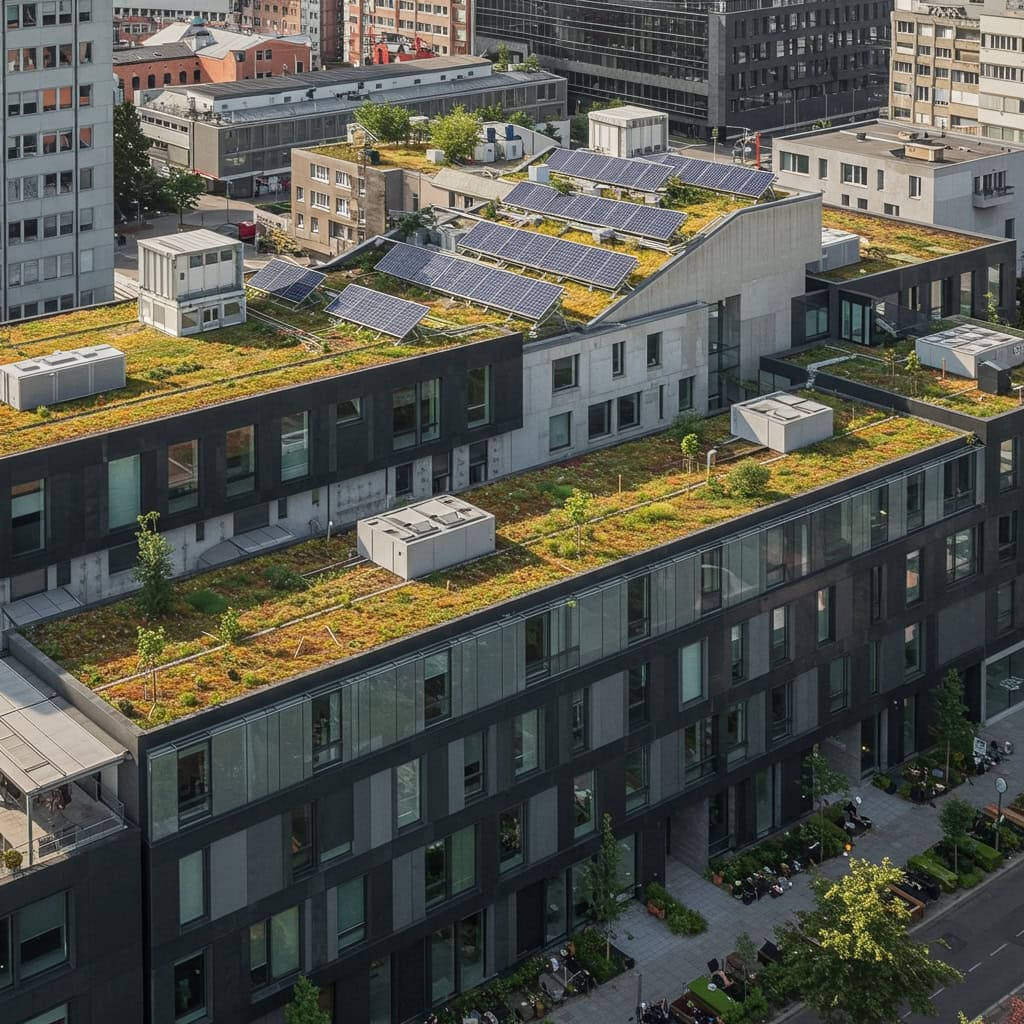
A modern office complex showcases sustainable building design with solar panels and green roofs, reflecting LEED-certified energy efficiency. | Generated by Google Gemini

Sustainable architecture is grounded in energy efficiency, resource conservation, and enhancing occupant well-being. These core concepts drive the design of buildings that minimize environmental impact while creating healthier spaces. Explore green building standards like LEED certification to understand benchmarks for sustainability.

Delve into passive design strategies—such as optimizing natural light, ventilation, and insulation—to reduce energy demand. Learning about these principles lays a strong foundation for making informed choices and advancing urban sustainability. For further reading, visit the Whole Building Design Guide.

Assess Environmental Impact in Urban Contexts

Step 2: Assess Environmental Impact in Urban Contexts
A vibrant city skyline showcases solar panels and green rooftops beside a river, highlighting sustainable energy and water management. | Generated by Google Gemini

Evaluating a building’s environmental impact begins with analyzing its carbon footprint, which includes emissions from construction, operation, and demolition. Prioritize responsibly sourced materials with low embodied energy and consider local availability to reduce transportation emissions.

Effective water management—such as rainwater harvesting and greywater reuse—helps conserve precious resources in cities. Integrating renewable energy systems, like solar panels or green roofs, further reduces reliance on fossil fuels. For comprehensive strategies, consult resources from the World Green Building Council.

Integrate Green Spaces and Biophilic Design

Step 3: Integrate Green Spaces and Biophilic Design
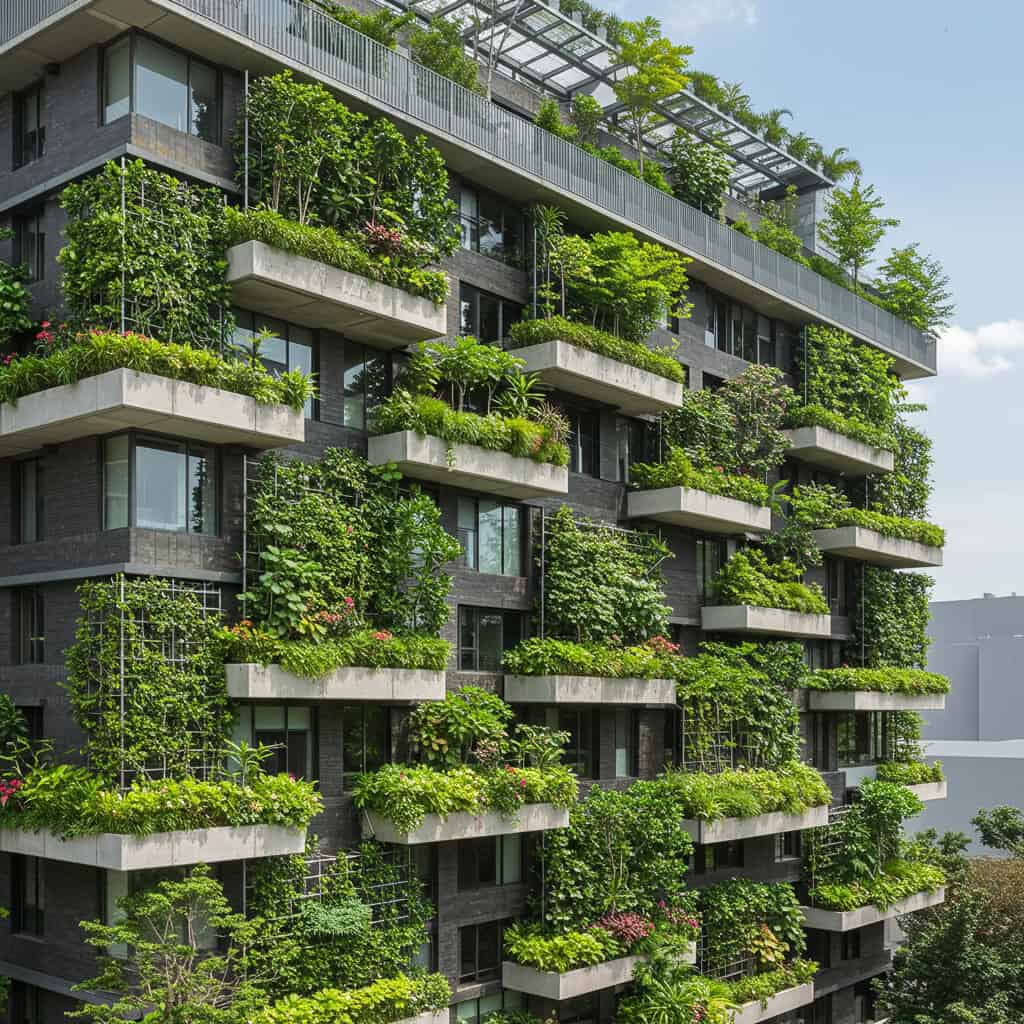
Lush green roofs and vibrant vertical gardens bring a burst of life to the city, supporting urban biodiversity. | Generated by Google Gemini

Incorporating green roofs, vertical gardens, and ample natural light not only improves air quality but also supports urban biodiversity and resident health. Even in space-constrained cities, creative solutions like living walls and rooftop gardens can thrive.

Use modular planters or trellis systems to add vegetation to facades and balconies. Maximize daylight with large windows and skylights to foster a connection with nature. These strategies are proven to reduce stress and boost well-being. For more on biophilic design and urban greenery, visit ArchDaily’s guide to biophilic design.

Choose Eco-Friendly Materials and Construction Methods

Step 4: Choose Eco-Friendly Materials and Construction Methods
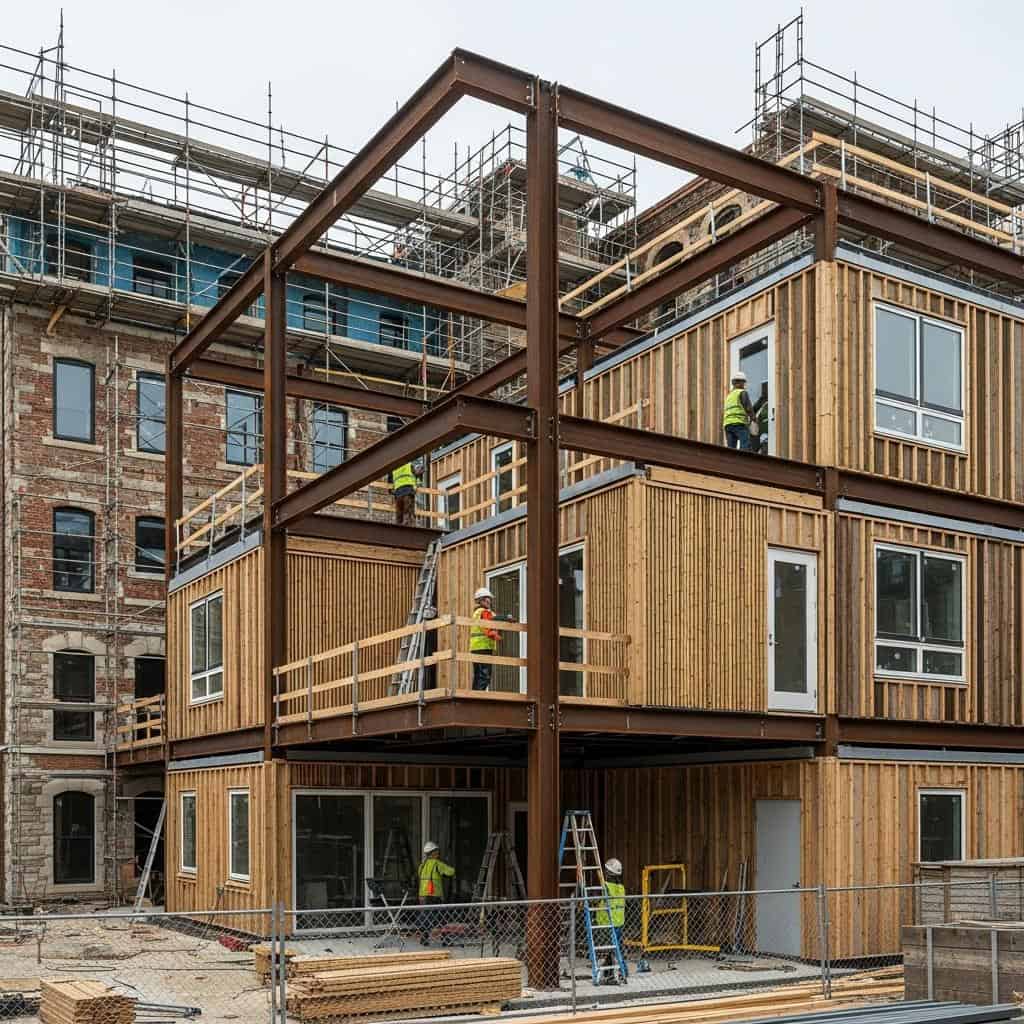
Sustainable building choices: recycled materials, adaptive reuse, and modular construction reduce waste and environmental impact. | Generated by Google Gemini

Selecting sustainable materials—such as recycled steel, bamboo, or reclaimed wood—minimizes environmental impact and supports responsible sourcing. Prioritize materials with low embodied energy and certified eco-labels. Adaptive reuse, where existing structures are repurposed, significantly reduces construction waste and preserves resources.

Modular construction methods further cut waste by allowing efficient off-site fabrication and easy assembly. These approaches decrease landfill impact and streamline building processes. For more guidance on sustainable materials and innovative construction, explore resources from the Architecture 2030 Materials Initiative.

Foster Community and Smart Urban Living

Step 5: Foster Community and Smart Urban Living
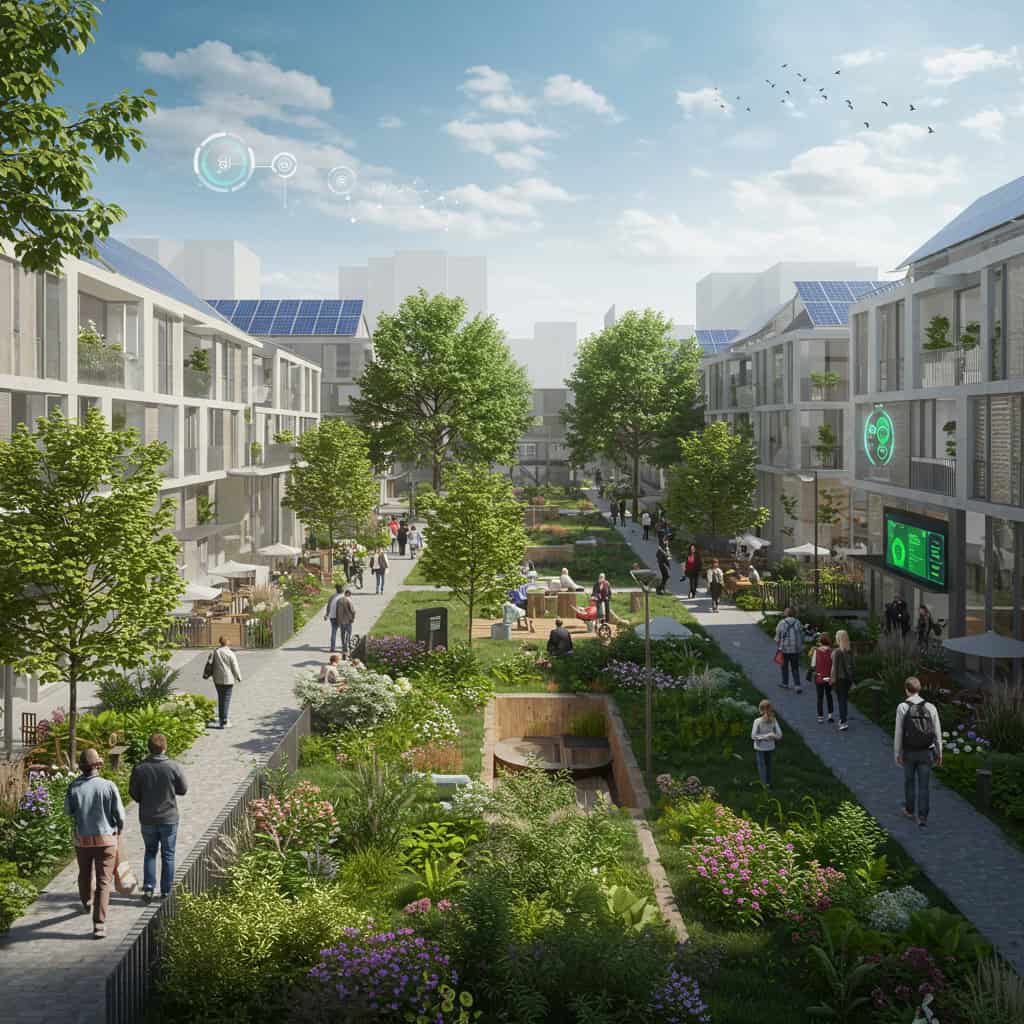
Pedestrians stroll through a vibrant urban plaza, surrounded by smart technology and green spaces in a walkable neighborhood. | Generated by Google Gemini

Sustainable architecture enhances urban living by promoting walkable neighborhoods, shared green spaces, and amenities that encourage social interaction. Thoughtful design supports active lifestyles and reduces dependence on cars. Integrating smart technologies—such as energy management systems and real-time monitoring—optimizes resource use and empowers residents to make data-driven decisions.

Community engagement in planning and development ensures that projects meet local needs and foster a sense of belonging. To learn more about fostering resilient urban communities, visit the SmartCitiesWorld platform for innovative ideas and case studies.

Plan for Longevity and Adaptability

Step 6: Plan for Longevity and Adaptability
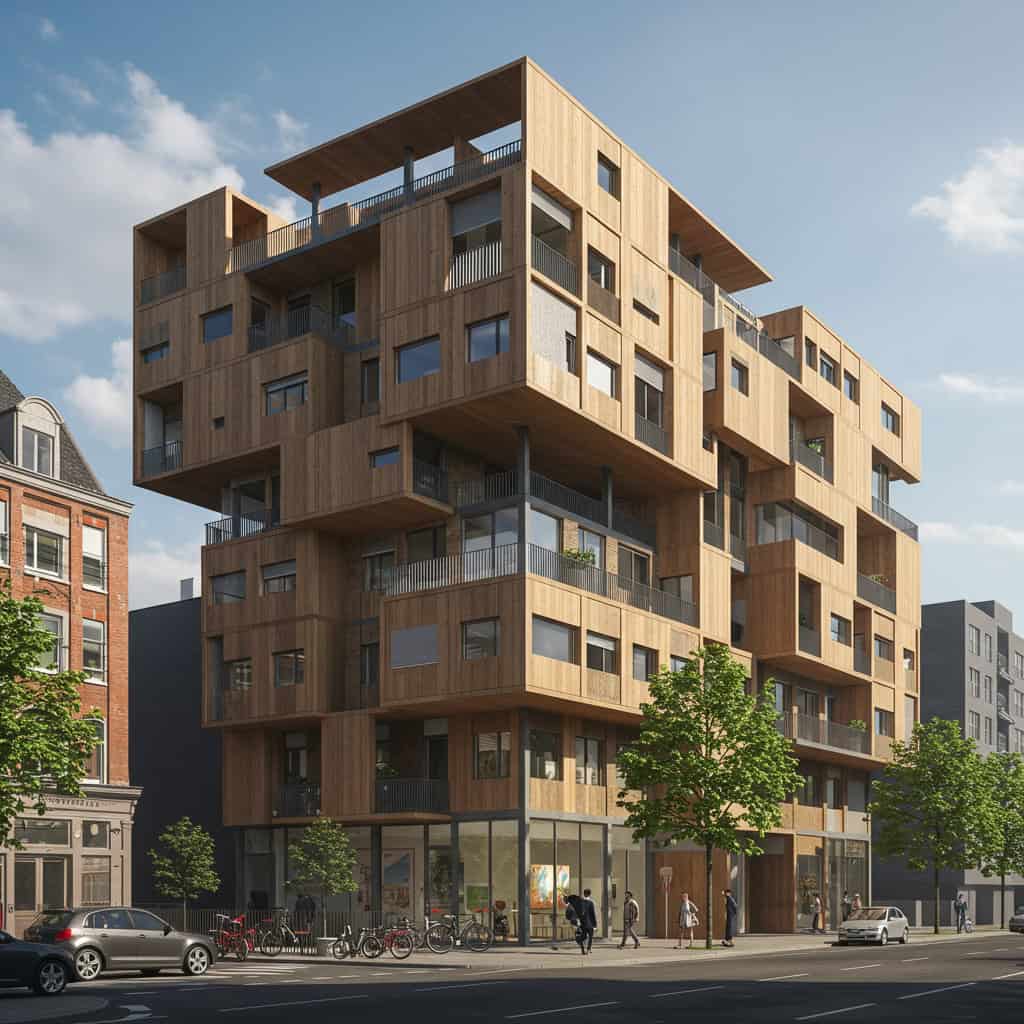
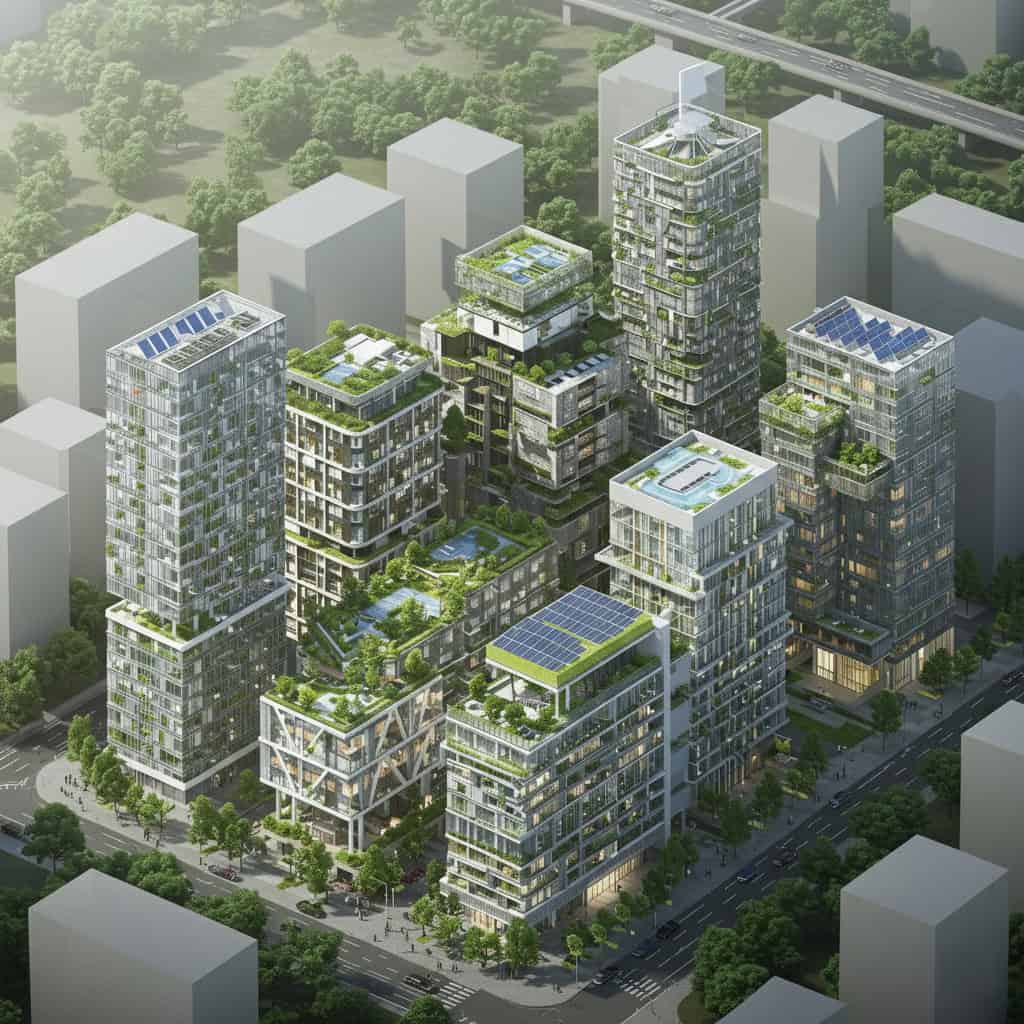
Sleek, modular buildings with green rooftops and flexible facades line a cityscape designed for urban resilience and future adaptability. | Generated by Google Gemini

Designing for longevity means creating buildings that can withstand evolving urban demands and shifting climate conditions. Employ flexible layouts that accommodate changing uses, such as converting offices to residences or expanding communal areas as populations grow.

Prioritize durable materials and establish comprehensive maintenance plans to extend a structure’s life. Future-proofing with adaptable infrastructure and climate-resilient features ensures cities remain sustainable over time. For more on adaptable design and resilient urban planning, explore resources from the Urban Hub.

Conclusion

Conclusion
Lush green rooftops and solar-paneled buildings line bustling streets, showcasing a vision of eco-friendly urban living. | Generated by Google Gemini

Sustainable architecture is essential for shaping resilient, healthy, and vibrant urban environments. By understanding core principles, assessing environmental impacts, integrating green spaces, choosing eco-friendly materials, fostering community, and planning for adaptability, cities can thrive amid modern challenges.

Proactive adoption of these steps empowers individuals and communities to make a tangible difference. To deepen your knowledge or take actionable steps, explore resources like the Green Building Advisor or consult local sustainability initiatives. Embracing sustainable architecture today paves the way for a more livable and future-ready urban world.

Advertisement