10 Art Styles Perfect for Beginners to Explore

Robin - November 2, 2025
Share

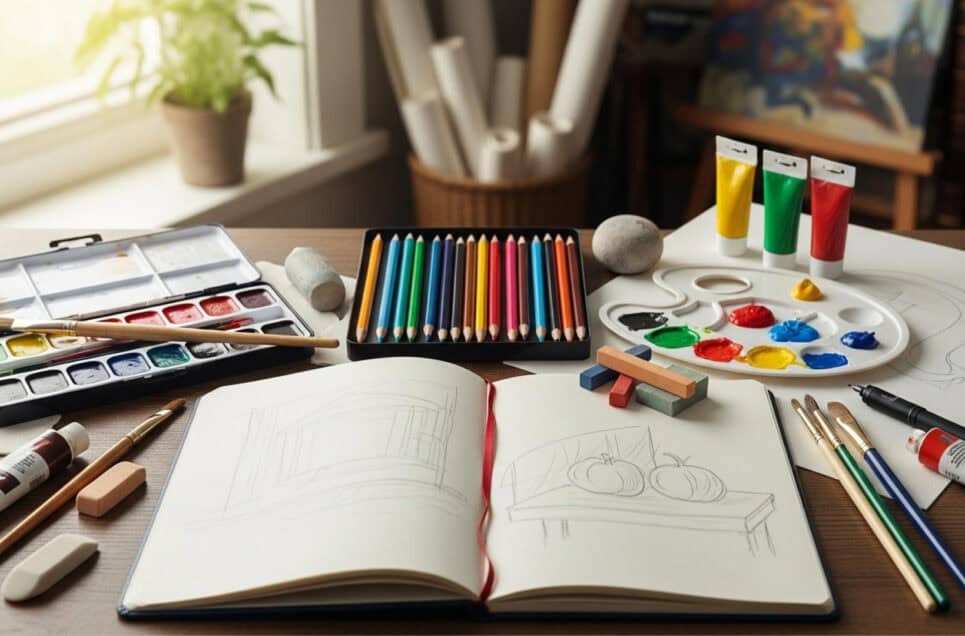
Creative expression is a joyful pursuit, and today’s world offers a wealth of accessible art styles for anyone to try. Experimenting with various approaches can spark confidence, nurture skill, and turn art-making into a rewarding adventure. Whether you’re picking up a pencil for the first time or rediscovering your passion, exploring different styles opens doors to inspiration and personal growth.

1. Watercolor Painting

1. Watercolor Painting
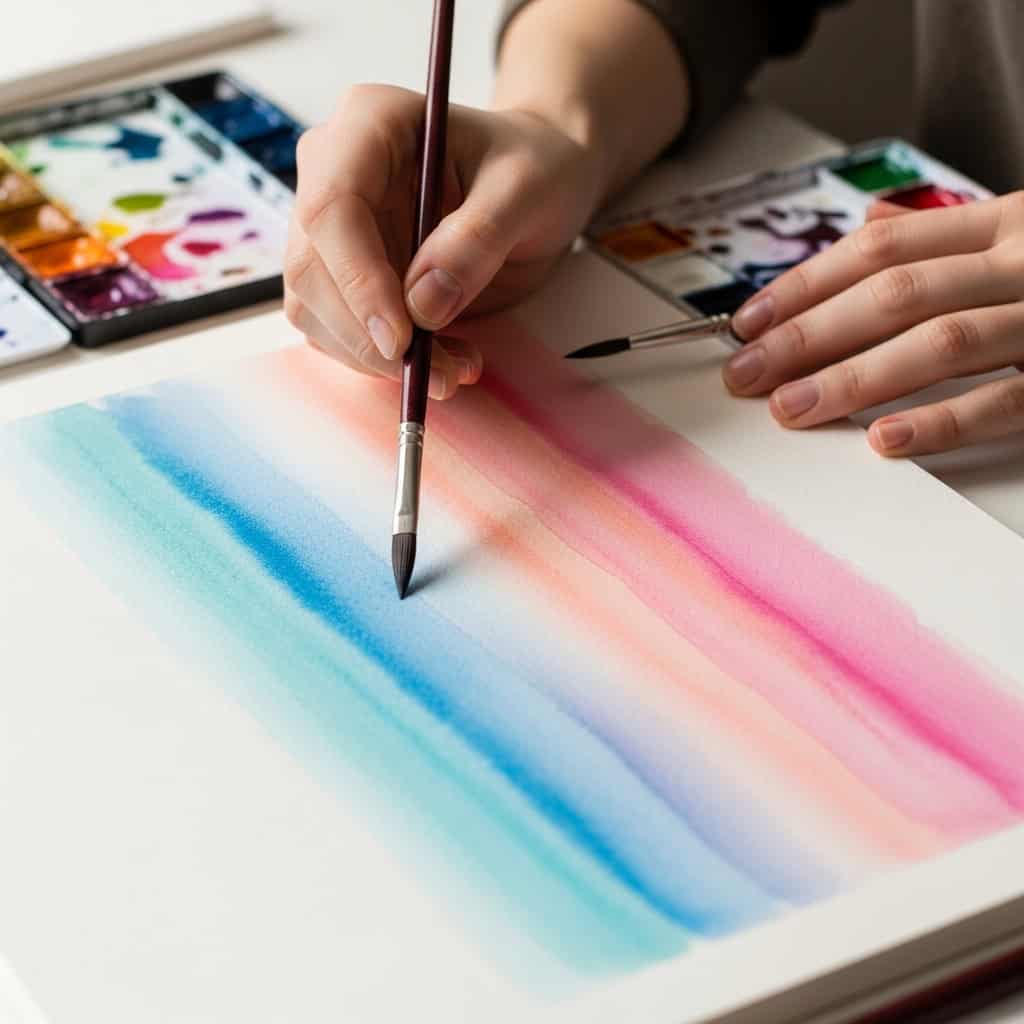
A vibrant watercolor palette and paint brushes rest beside a beautifully detailed watercolor artwork in progress. | Generated by Google Gemini

Watercolor painting captivates beginners with its soft, flowing washes and luminous color blends. This medium is especially forgiving, allowing artists to layer and manipulate pigment with water, making corrections easy. Fundamental techniques include creating washes—smooth transitions of color—and gradients, which blend hues seamlessly.

Compared to oil painting’s intricate layering and slow drying times, watercolor’s simplicity and immediacy make it approachable for novices. Experimenting with transparency and color mixing can yield beautiful, spontaneous effects. For a comprehensive introduction, explore the Tate’s beginner watercolor guide.

2. Line Drawing

2. Line Drawing
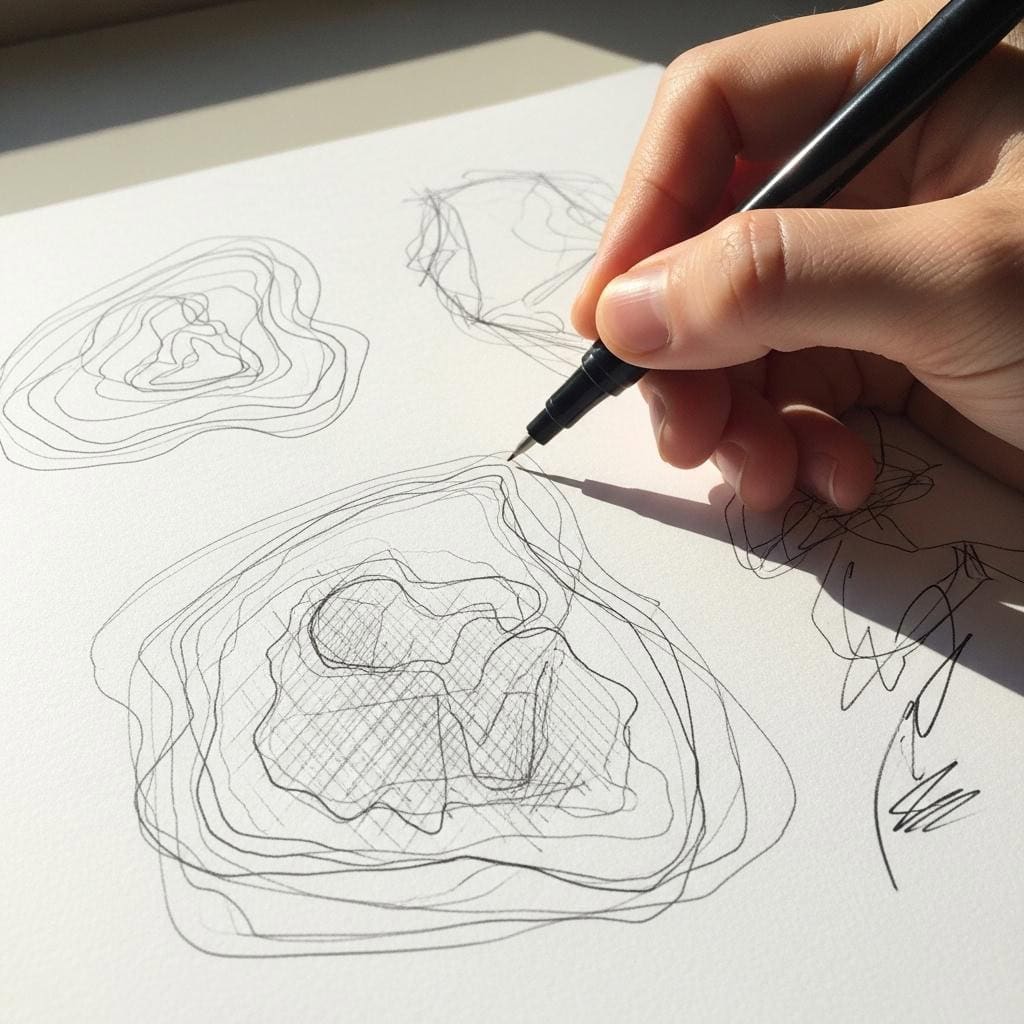
Expressive line drawing showcases shapes, textures, and emotions using simple pen strokes on paper. | Generated by Google Gemini

Line drawing harnesses the expressive potential of simple lines to depict shapes, textures, and emotions. With just a pen and paper, beginners can explore contour drawing, hatching, and gesture sketching—no elaborate materials required.

This style stands out for its accessibility and ease, offering a direct route to creativity before delving into more advanced techniques like shading or perspective. Mastering the art of the line can build a strong foundation for any aspiring artist. To learn more about the significance and versatility of line, visit The Met’s overview of line.

3. Acrylic Painting

3. Acrylic Painting
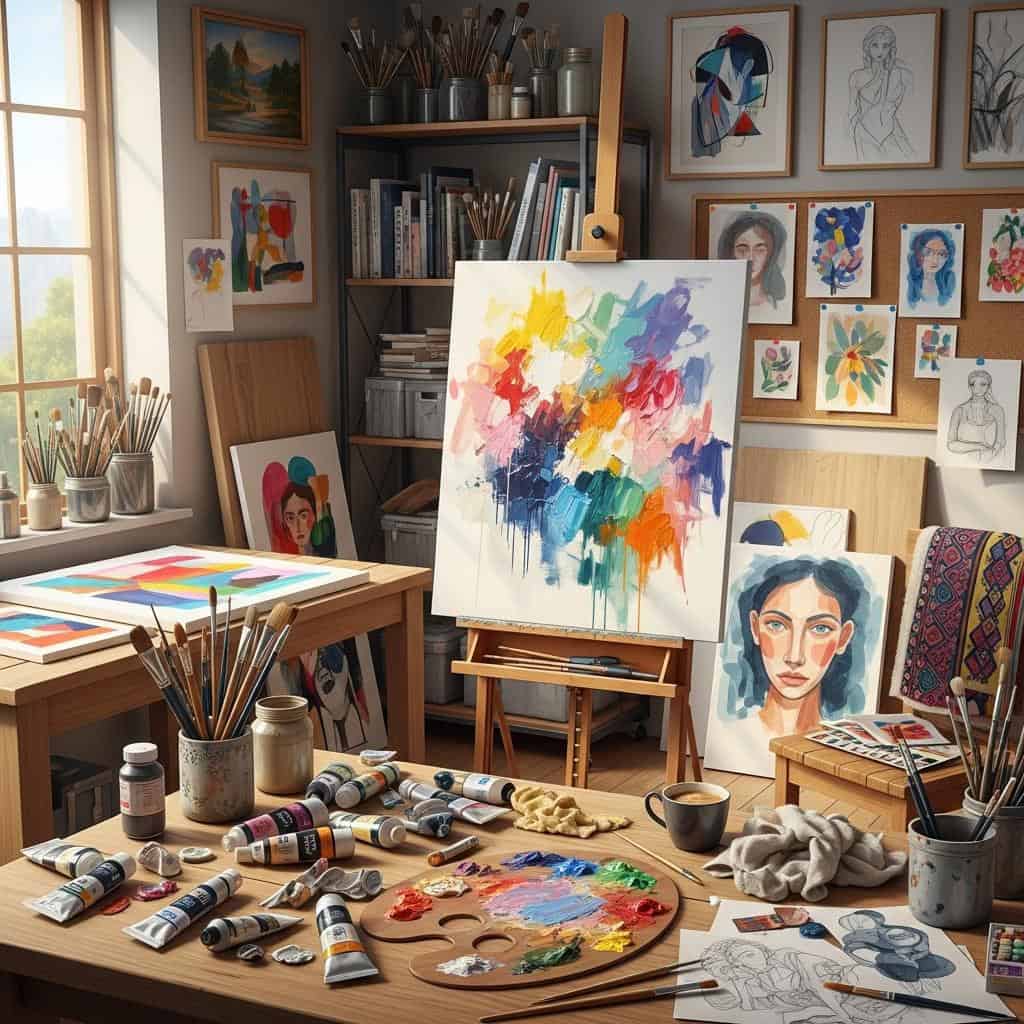
Acrylic paints offer versatile techniques, quick drying times, and easy cleanup—ideal for beginner artists. | Generated by Google Gemini

Acrylic painting is a favorite among beginners due to its remarkable versatility and rapid drying time. This medium allows artists to experiment with blending, layering, and texturing, while also providing the flexibility to paint on canvas, wood, paper, or even fabric.

Unlike oil paints, acrylics are water-based, making them easier to handle and clean up. They also offer more control compared to the unpredictability of watercolor. Whether you’re aiming for bold, opaque strokes or soft, translucent layers, acrylics adapt with ease. Explore more about acrylic paint techniques at MoMA Learning.

4. Collage

4. Collage
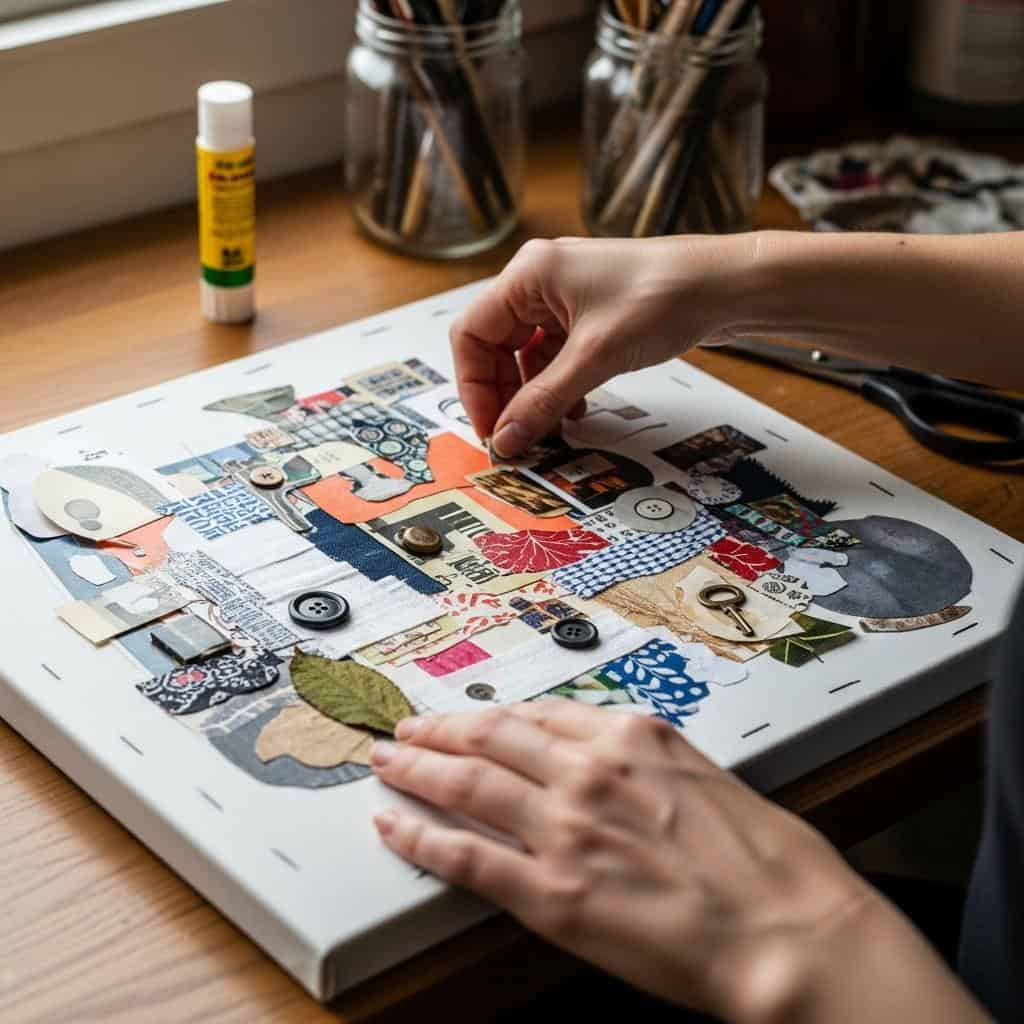
Collage encourages creativity and expression through layered compositions of paper, fabric, and found materials. | Generated by Google Gemini

Collage is an inviting medium for beginners, utilizing cut paper, fabric scraps, magazine clippings, or found objects to create dynamic compositions. Unlike traditional painting or drawing, collage emphasizes composition, layering, and the creative reuse of everyday materials.

This style encourages experimentation and personal expression, as artists arrange and glue elements to tell a story or evoke emotion. The tactile process and freedom from precise technique make collage particularly accessible. To learn more about the history and methods of collage, visit the Guggenheim’s introduction to collage.

5. Digital Art

5. Digital Art
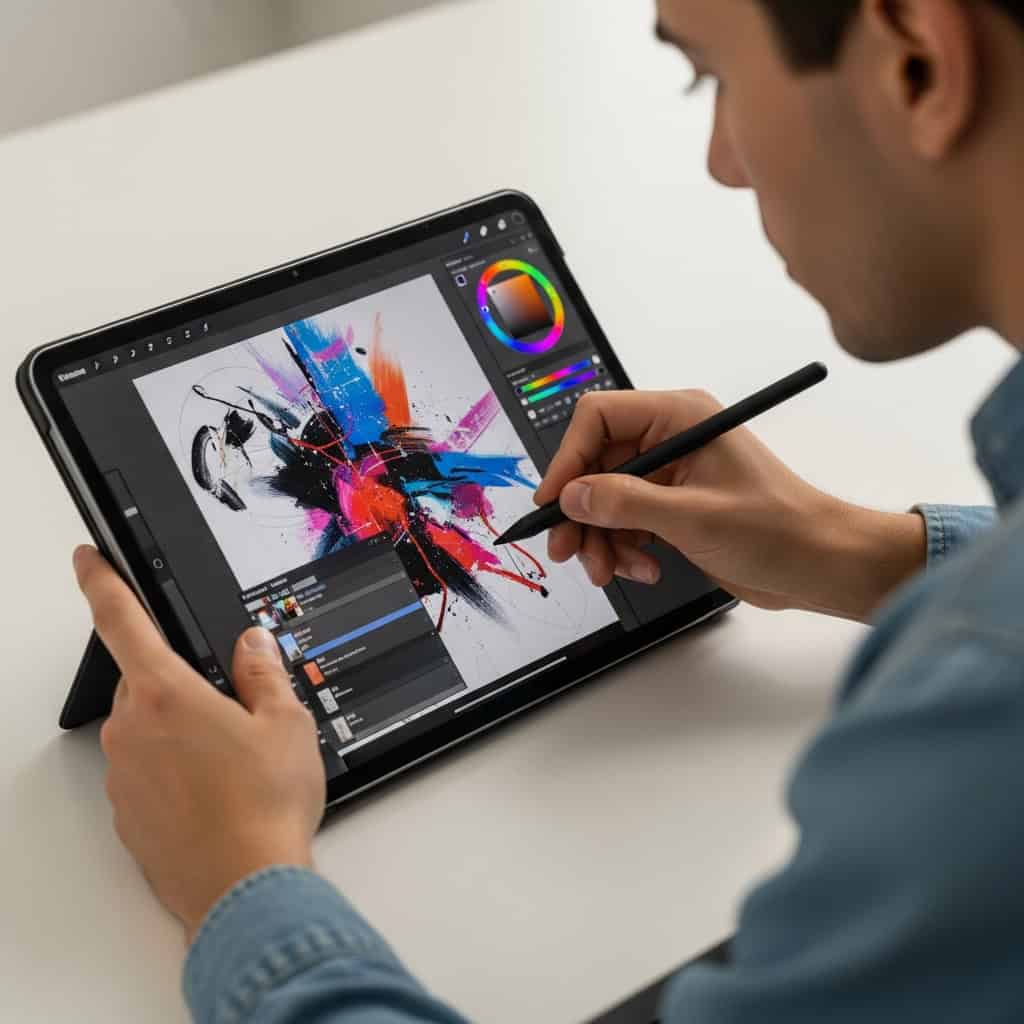
A creative hand uses a stylus on a tablet screen, bringing a vibrant digital illustration to life. | Generated by Google Gemini

Digital art offers a modern, beginner-friendly way to create using tablets, computers, and smartphones. With intuitive drawing and painting apps, artists can experiment freely—undo features, endless color options, and layers make learning less intimidating.

Unlike traditional media, digital art eliminates the need for physical supplies and messy cleanup, providing instant results and the ability to easily revise work. Beginners can quickly try different brushes, effects, and techniques, making it an exciting entry point into creative expression. For an introduction to tools and techniques, see Adobe’s beginner digital art guide.

6. Cartooning

6. Cartooning
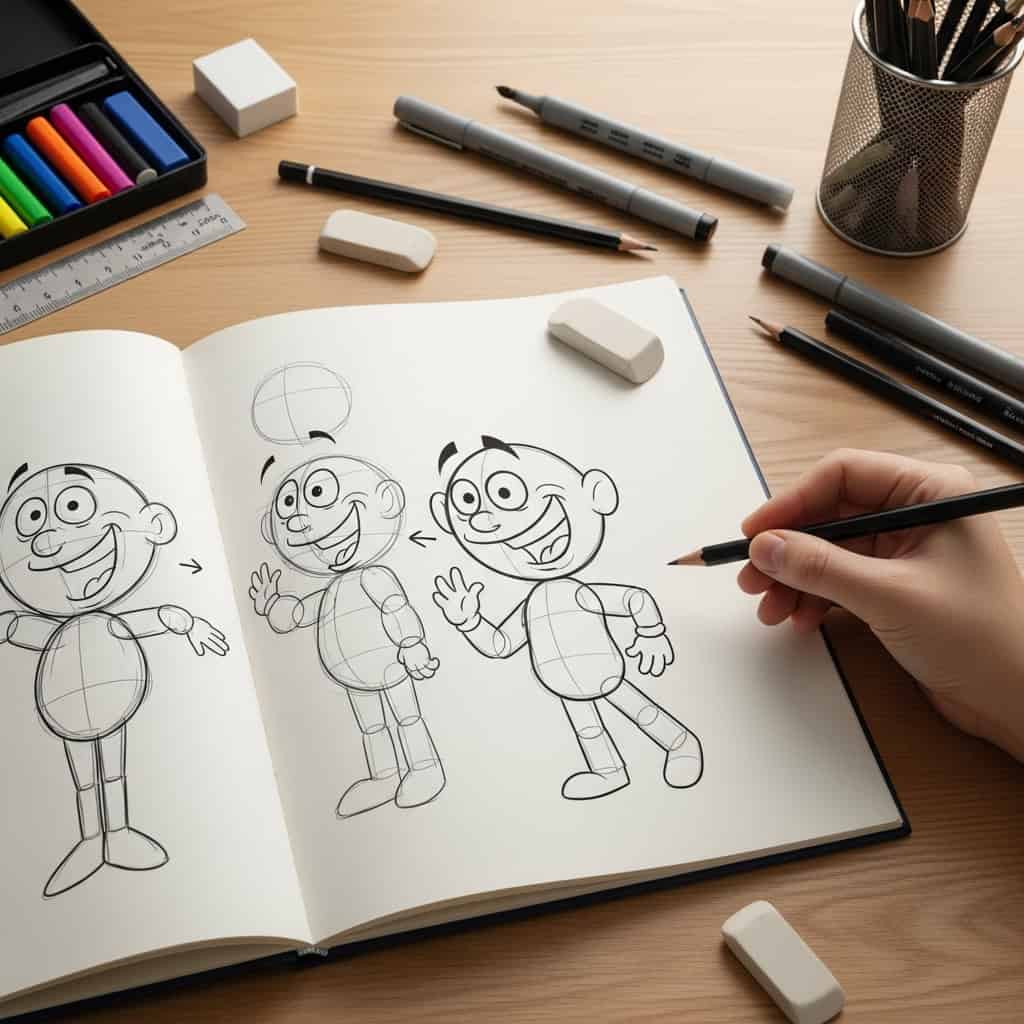
A group of cartoon characters comes to life as an artist sketches expressive faces for a vibrant comic strip. | Generated by Google Gemini

Cartooning is a playful and accessible art style that invites beginners to explore character design and storytelling. By focusing on basic shapes, exaggerated features, and expressive facial expressions, cartooning makes it easy to bring imaginative ideas to life.

Unlike the demands of realism, cartooning encourages creative freedom and experimentation without pressure for perfection. This style is ideal for building confidence and having fun while learning the essentials of drawing. For step-by-step tutorials and inspiration, visit Cartoon Network’s beginner drawing resource.

7. Pointillism

Pointillism
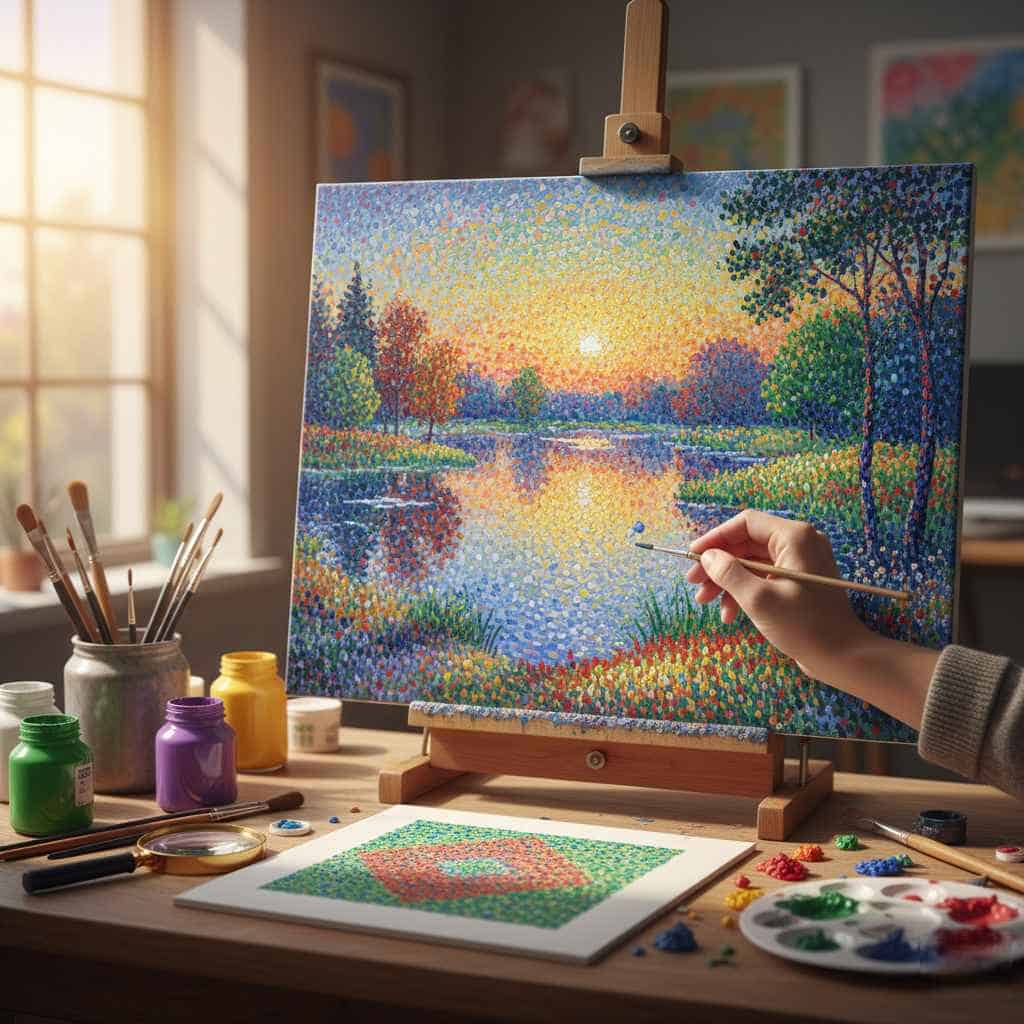
A close-up of a hand carefully applying a yellow dot with a paintbrush onto a pointillist landscape, surrounded by colorful paints, brushes, and a magnifying glass on a wooden desk. | Generated by Google Gemini

Pointillism is a captivating style in which images are created by placing countless small dots of pure color close together. This methodical process is meditative and rewarding, encouraging patience and careful observation.

As beginners build shapes and scenes dot by dot, they learn about color mixing and optical blending—unique to pointillism compared to traditional brushstroke painting. The technique offers a fresh perspective on how colors interact, making it a valuable exercise for developing artistic skills. Discover more about the history and practice of pointillism at the National Gallery.

8. Abstract Art

8. Abstract Art
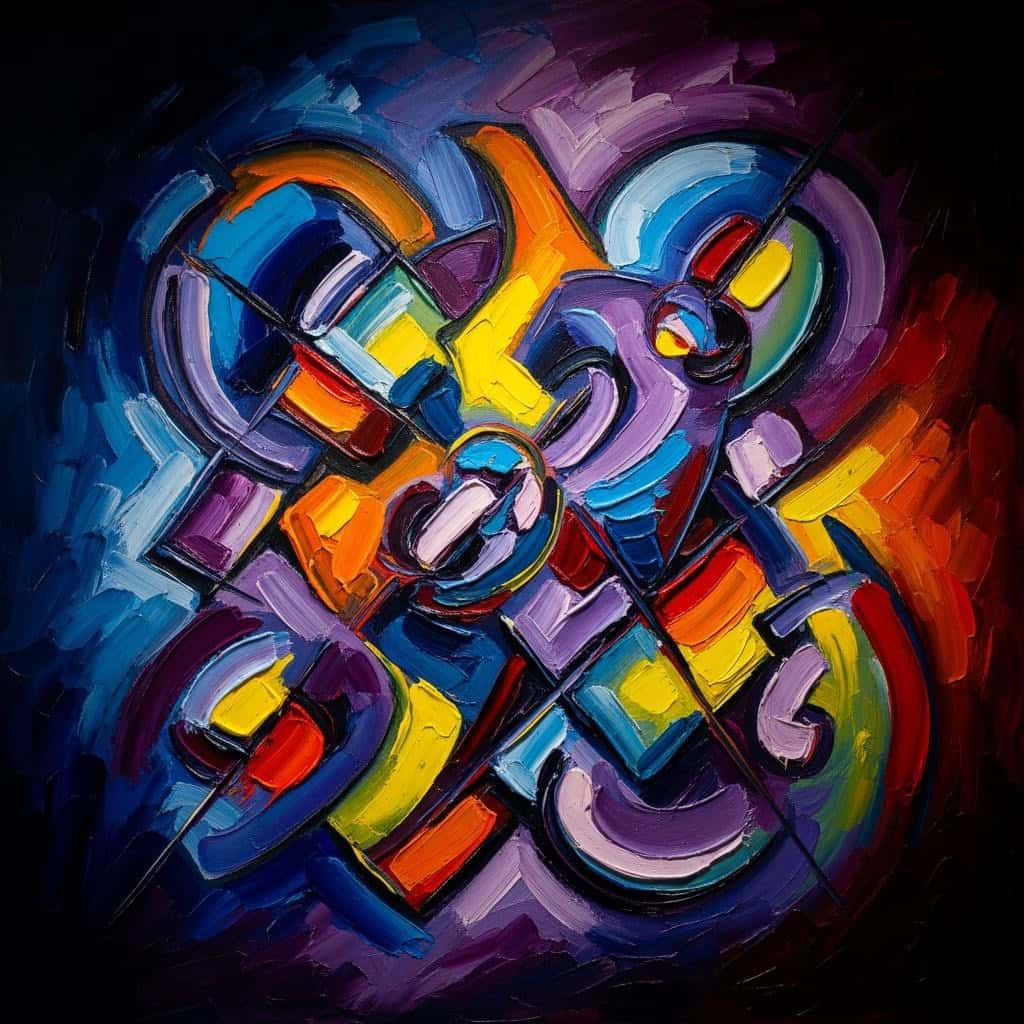
Vivid abstract composition invites creative expression, emphasizing color, movement, and limitless artistic exploration. | Generated by Google Gemini

Abstract art celebrates creative freedom by focusing on shapes, colors, and movement instead of realistic representation. Beginners are encouraged to express emotions and ideas through bold brushstrokes, vivid palettes, and dynamic compositions, making abstraction especially welcoming to those new to art.

Unlike representational art, which aims to depict recognizable subjects, abstract work allows personal interpretation and experimentation without rules or limitations. This style is perfect for exploring intuition and developing confidence. For a deeper understanding of abstract art and its pioneers, visit Tate’s resource on abstract art.

9. Pastel Drawing

9. Pastel Drawing
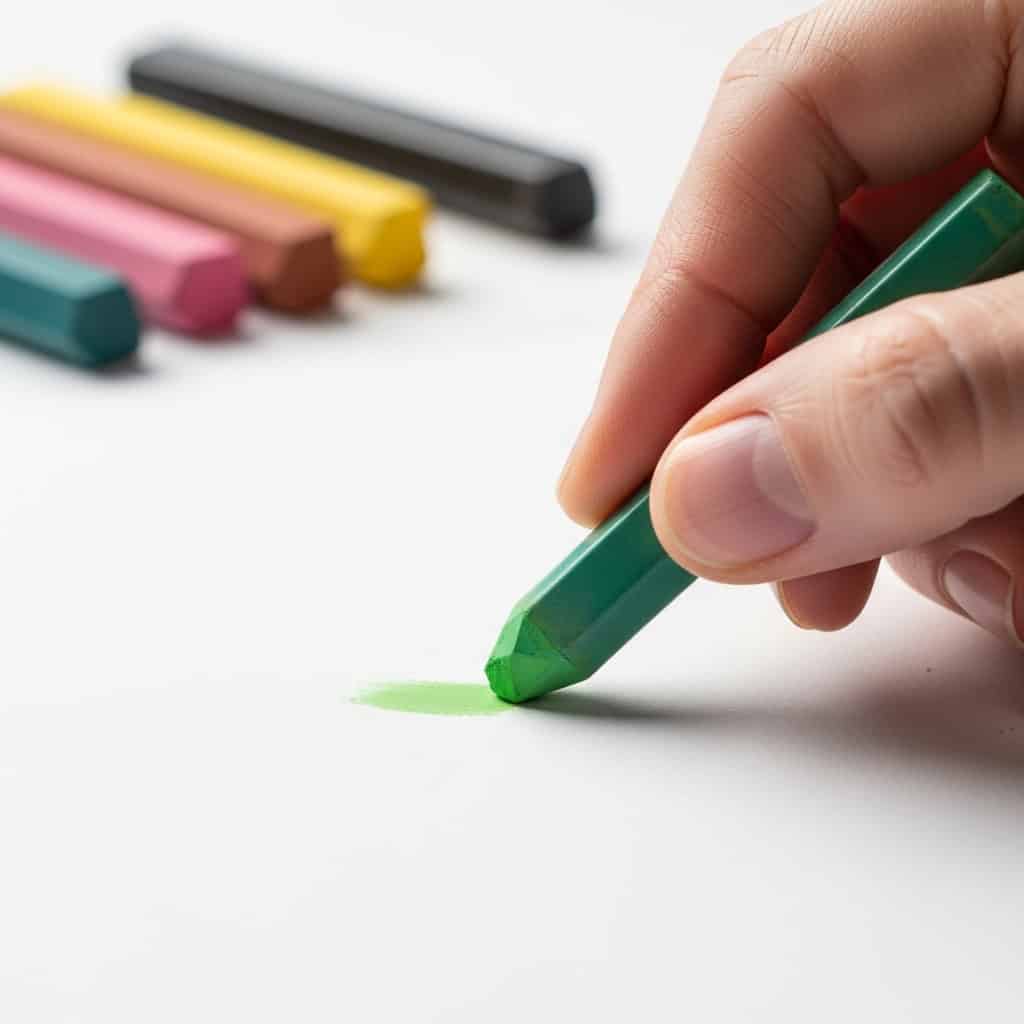
A vibrant collection of pastel sticks rests beside softly blended pastel drawings, showcasing a harmony of delicate colors. | Generated by Google Gemini

Pastel drawing offers beginners a vibrant, tactile experience using soft or oil pastels. These sticks allow for smooth color application, blending, and layering directly on the paper, producing rich, luminous effects. Techniques such as smudging, layering, and color mixing are easy to master and encourage creative exploration.

Unlike colored pencils or crayons, pastels provide a buttery consistency and immediate color payoff, making them ideal for expressive work. The versatility of pastels bridges the gap between drawing and painting. To learn more about this medium, visit The Met’s overview on pastel.

10. Doodling & Zentangle

10. Doodling & Zentangle
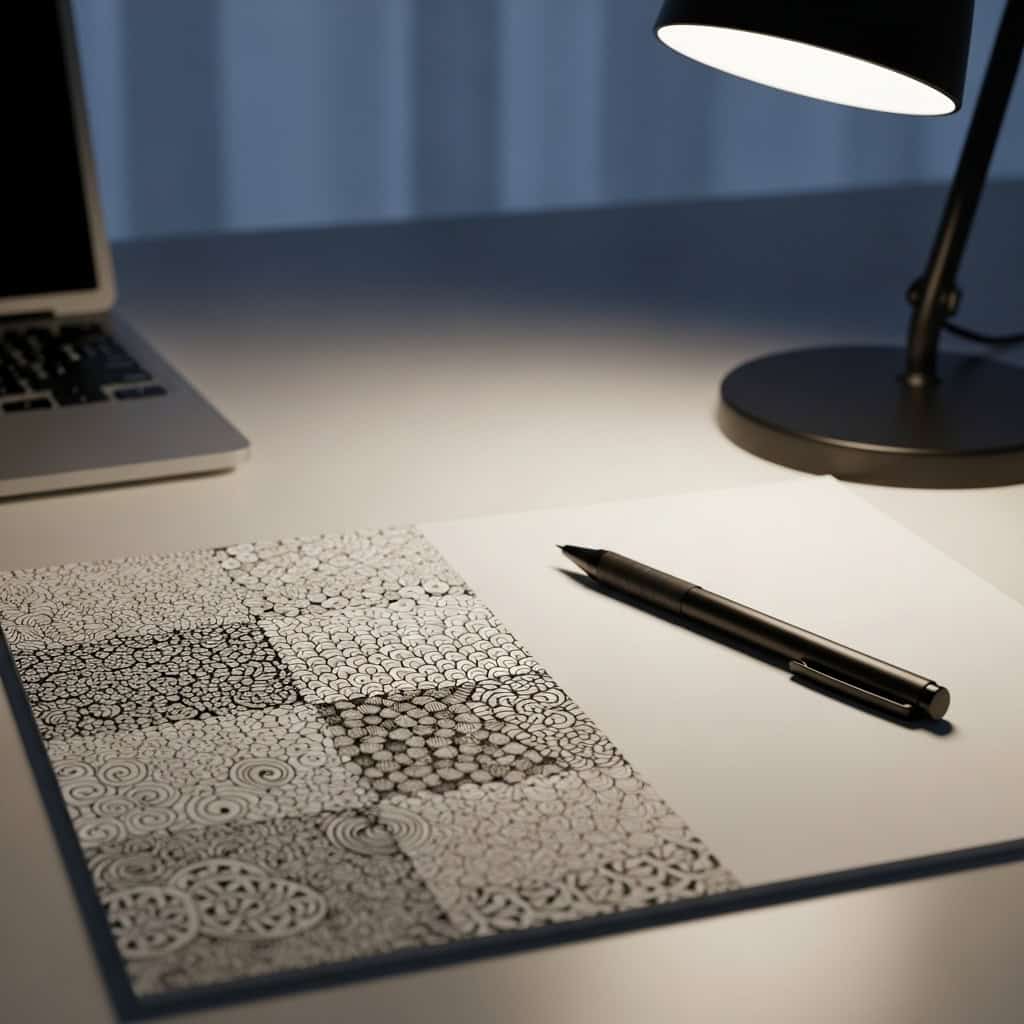
Intricate zentangle art unfolds in mesmerizing black pen doodles, weaving together swirling patterns and geometric shapes. | Generated by Google Gemini

Doodling and Zentangle are approachable, stress-free art forms centered around creating patterns and repetitive shapes. Both styles are accessible to everyone, requiring only a pen and paper—no special skills or materials needed.

While doodling is typically spontaneous and freeform, Zentangle follows a more structured, meditative approach designed to relax and focus the mind. These techniques are perfect for unwinding, boosting creativity, and building artistic confidence. For a deeper look at the Zentangle philosophy and step-by-step guidance, visit the official Zentangle website.

Conclusion

Conclusion
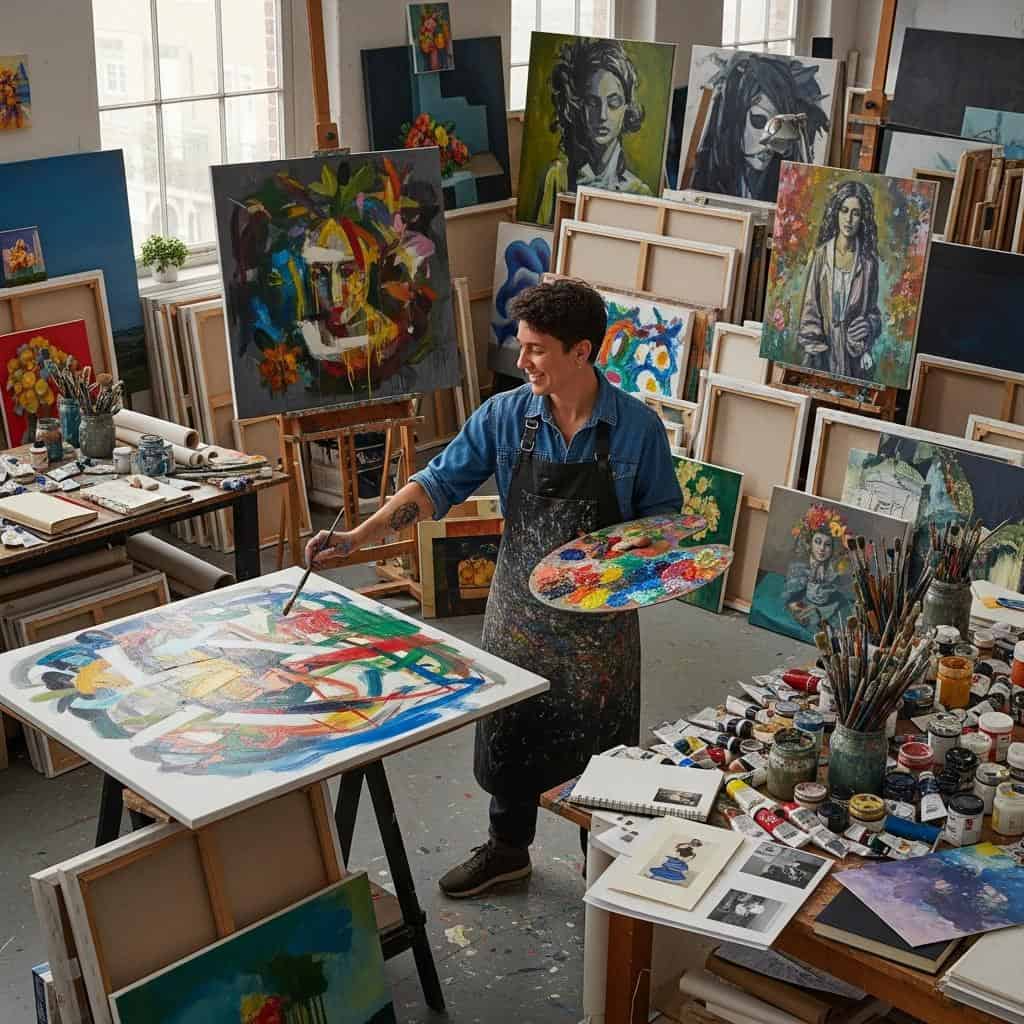
Diverse art styles empower beginners to explore creativity, build confidence, and enjoy the artistic journey. | Generated by Google Gemini

Exploring a range of art styles offers beginners the chance to discover what truly sparks their creativity and enjoyment. Every creative effort, no matter how simple or experimental, is valuable in building skill and confidence.

Embracing new techniques and styles helps unlock personal growth and artistic fulfillment. Remember, there’s no right or wrong way to make art—what matters most is the joy of the process. For more tips on nurturing your creative journey, visit Creative Bloq’s guide to finding your art style.

Advertisement