12 Creative Techniques to Improve Your Drawing Skills

Robin - November 1, 2025
Share

Developing strong drawing skills is about more than repetition—it’s about nurturing creativity and embracing new approaches. Innovative techniques can break through artistic plateaus, making the process exciting and growth-oriented.

This guide introduces twelve imaginative strategies designed to revitalize your practice and foster continuous improvement. Incorporating these methods will not only sharpen your technical abilities but also ignite passion and originality in your artwork.
1. Blind Contour Drawing

1. Blind Contour Drawing
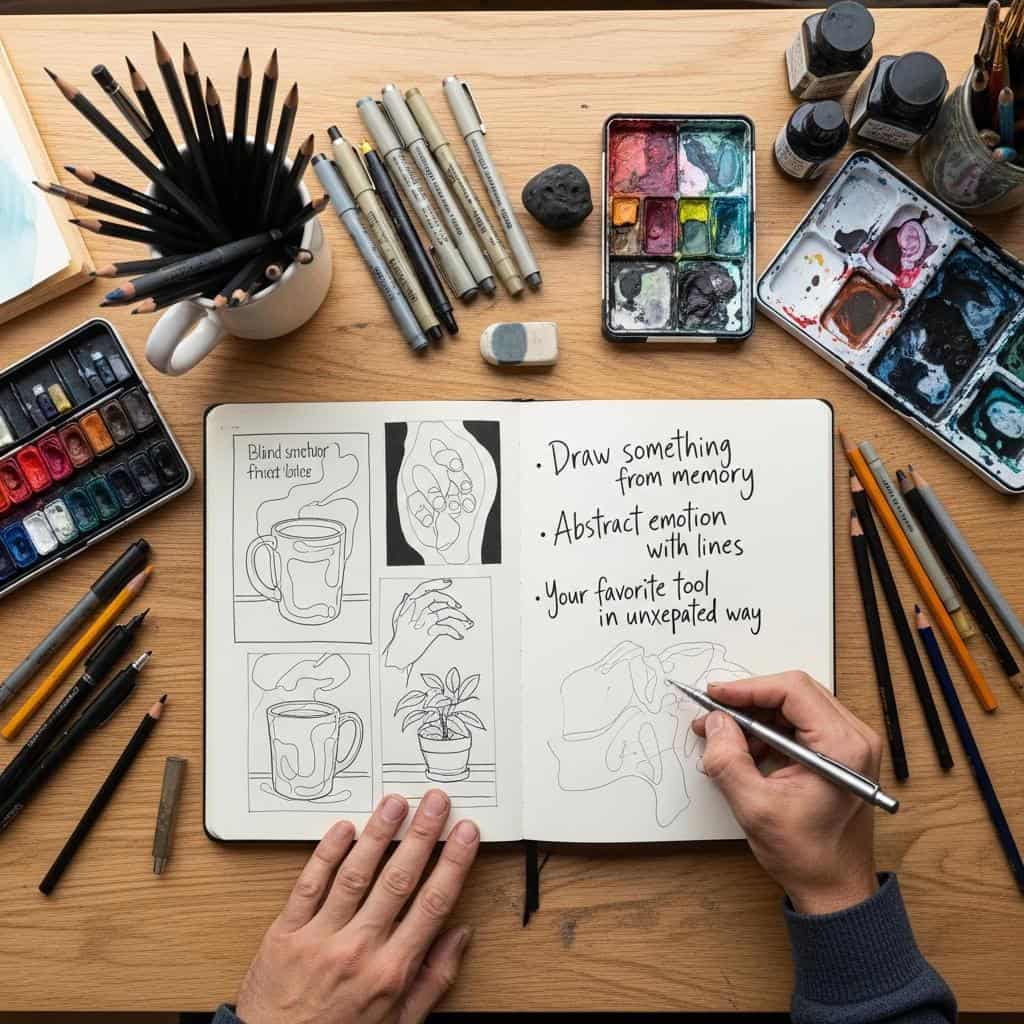
A loosely drawn blind contour sketch of a hand captures the essence of focused hand-eye coordination practice. | Generated by Google Gemini

Blind contour drawing involves creating a sketch without glancing at the paper, instead concentrating solely on the subject. This technique encourages artists to observe closely and improves hand-eye coordination, unlike traditional sketching, where constant reference to the page is common.

To try it, pick an object, set a timer for five minutes, and draw its outline without looking away from the subject. This exercise helps break habitual drawing patterns and enhances observational skills. For a step-by-step guide, visit Artists Network’s blind contour drawing exercise.

2. Gesture Drawing

2. Gesture Drawing
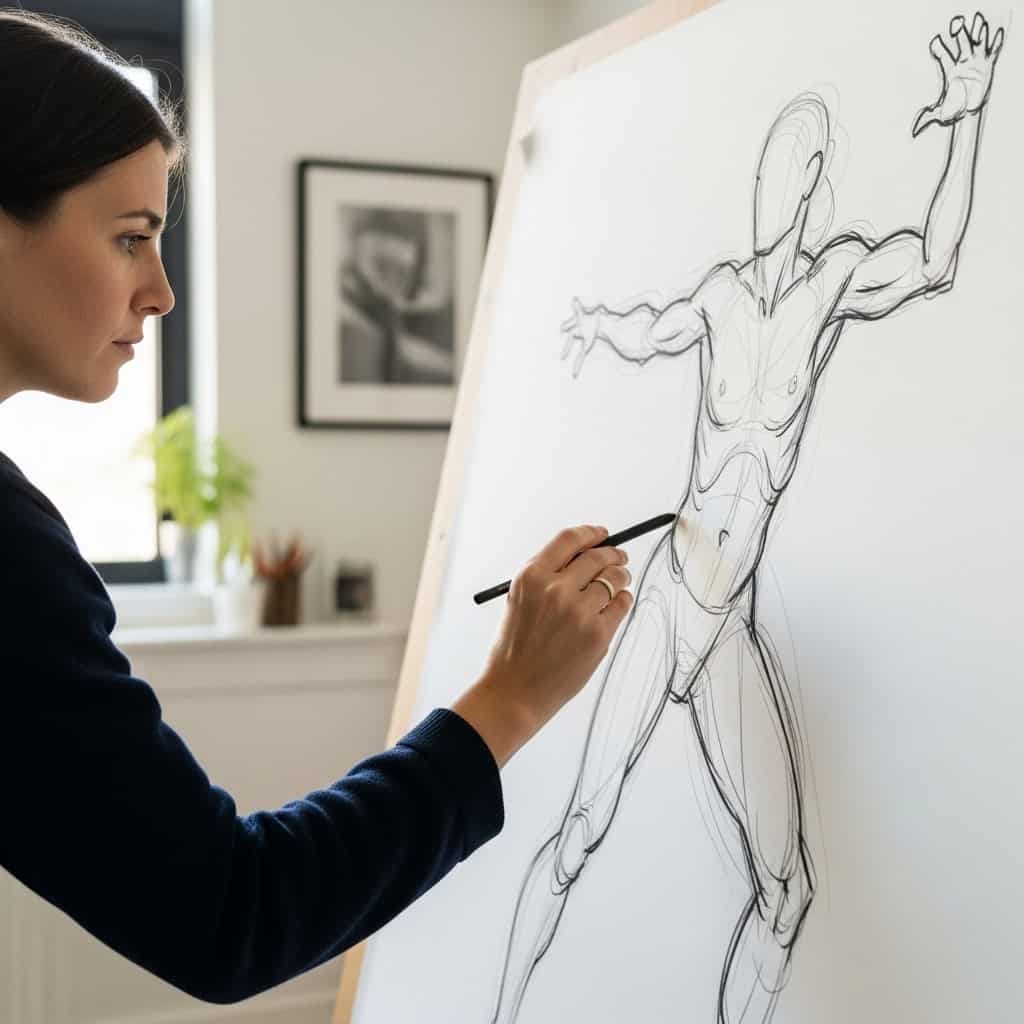
Quick, expressive gesture drawings fill the page, capturing the dynamic motion and fluid forms of figure sketches in action. | Generated by Google Gemini

Gesture drawing is the practice of rapidly sketching a subject to capture its movement, energy, and overall form within seconds. Unlike detailed studies that focus on precision and accuracy, gesture drawing emphasizes fluidity and the essence of the pose, making it particularly valuable for figure drawing.

These quick sketches help artists loosen up, observe dynamic motion, and understand body mechanics. Regular gesture drawing sessions can lead to more expressive and lively artwork. To explore gesture drawing techniques and exercises, visit Artists Network’s guide on gesture drawing basics.

3. Negative Space Practice

3. Negative Space Practice
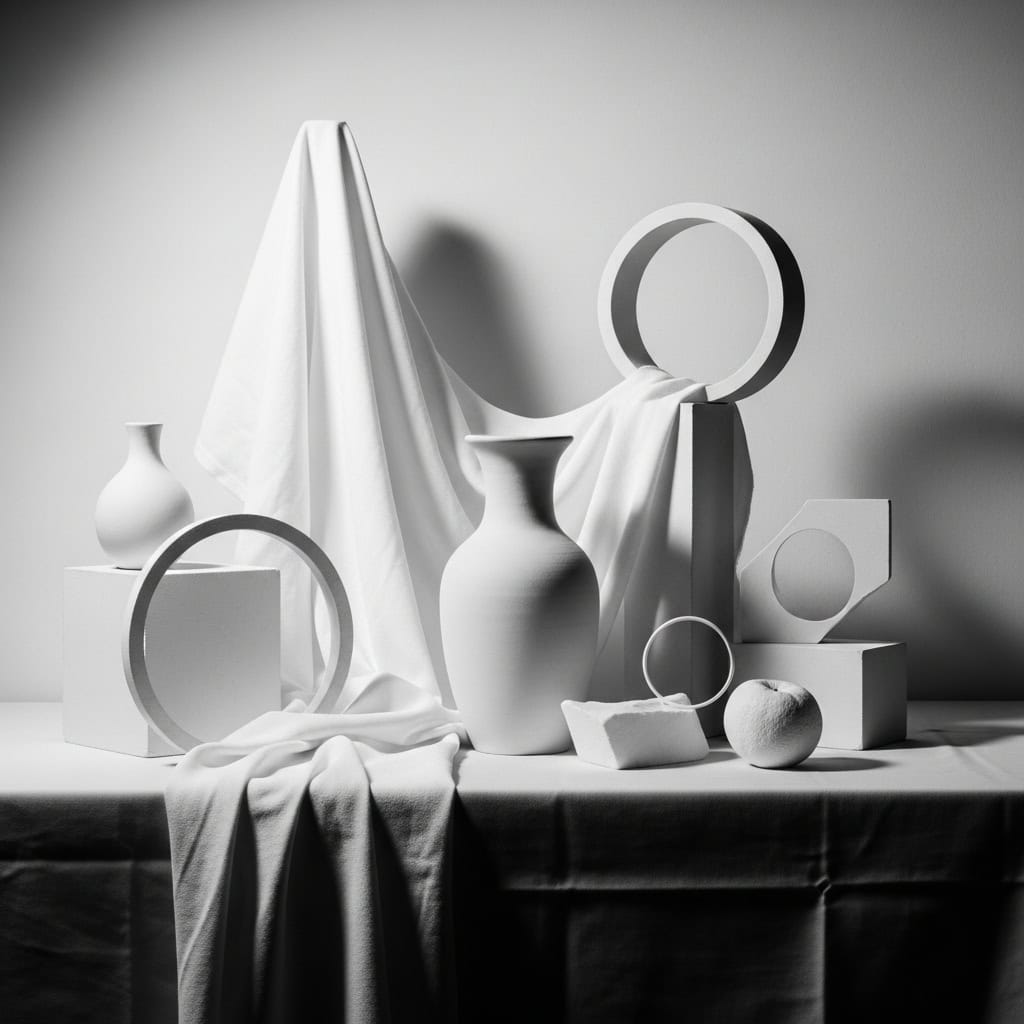
A minimalist still life arrangement of a single pear and a ceramic cup, surrounded by generous negative space for dramatic effect. | Generated by Google Gemini

Negative space practice involves concentrating on the areas around and between objects rather than the objects themselves. This approach trains the eye to see shapes and relationships more accurately, improving both proportion and overall composition.

For example, when drawing a still life, instead of outlining a vase, focus on capturing the empty spaces surrounding it. This shift in perspective helps break habitual ways of seeing and leads to stronger, more balanced artwork. To learn more about the concept and its artistic applications, visit Tate’s definition of negative space.

4. Using Unconventional Materials

4. Using Unconventional Materials
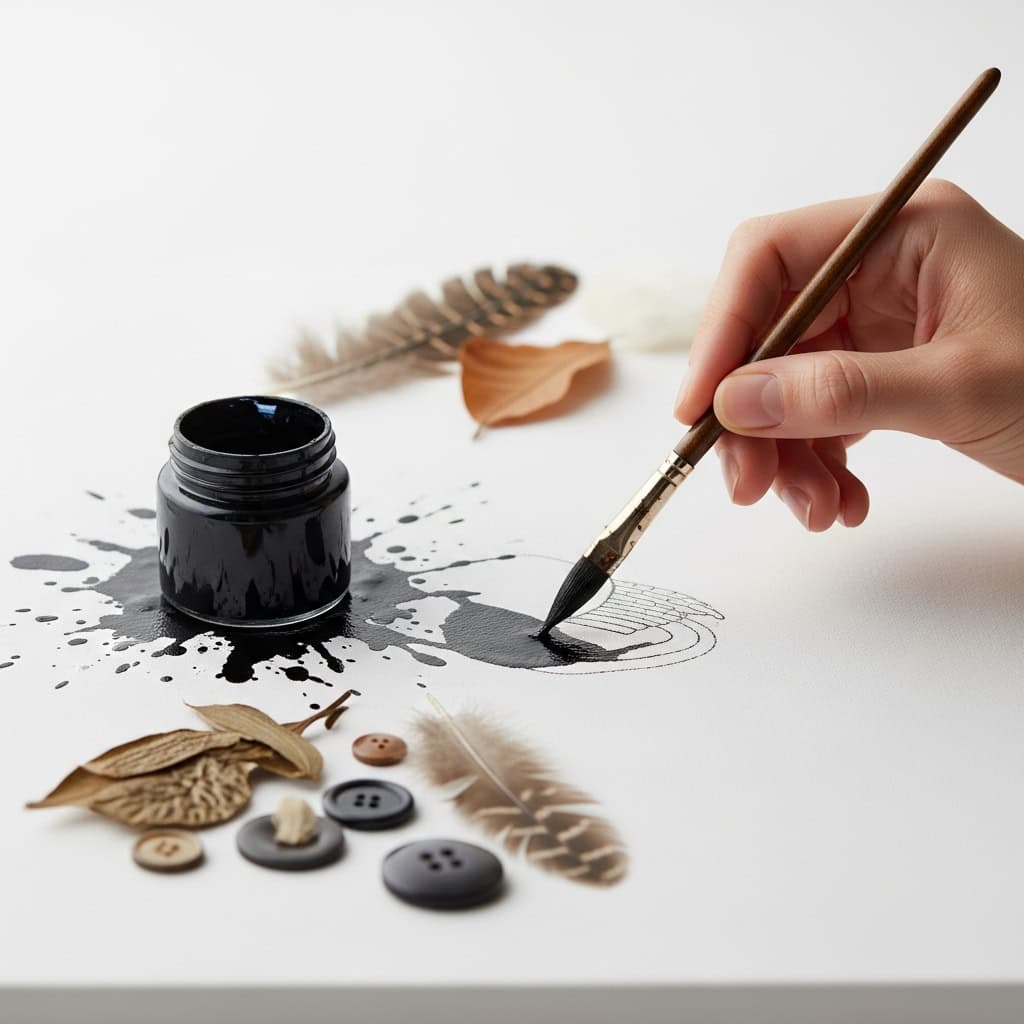
An intricate ink drawing bursts to life with mixed media accents crafted from unconventional materials and vibrant textures. | Generated by Google Gemini

Experimenting with unconventional materials such as coffee, ink splatters, or found objects invites spontaneity and fresh perspectives into your drawing process. Working beyond pencils and charcoal can spark creativity and push you out of your comfort zone, often leading to unexpected textures and visual effects.

Compared to traditional media, these alternative materials encourage playful exploration and can help break creative ruts. Try painting with tea stains or incorporating leaves and string for unique marks. For more inventive ideas, check out Creative Bloq’s creative drawing inspiration.

5. Continuous Line Drawing

5. Continuous Line Drawing
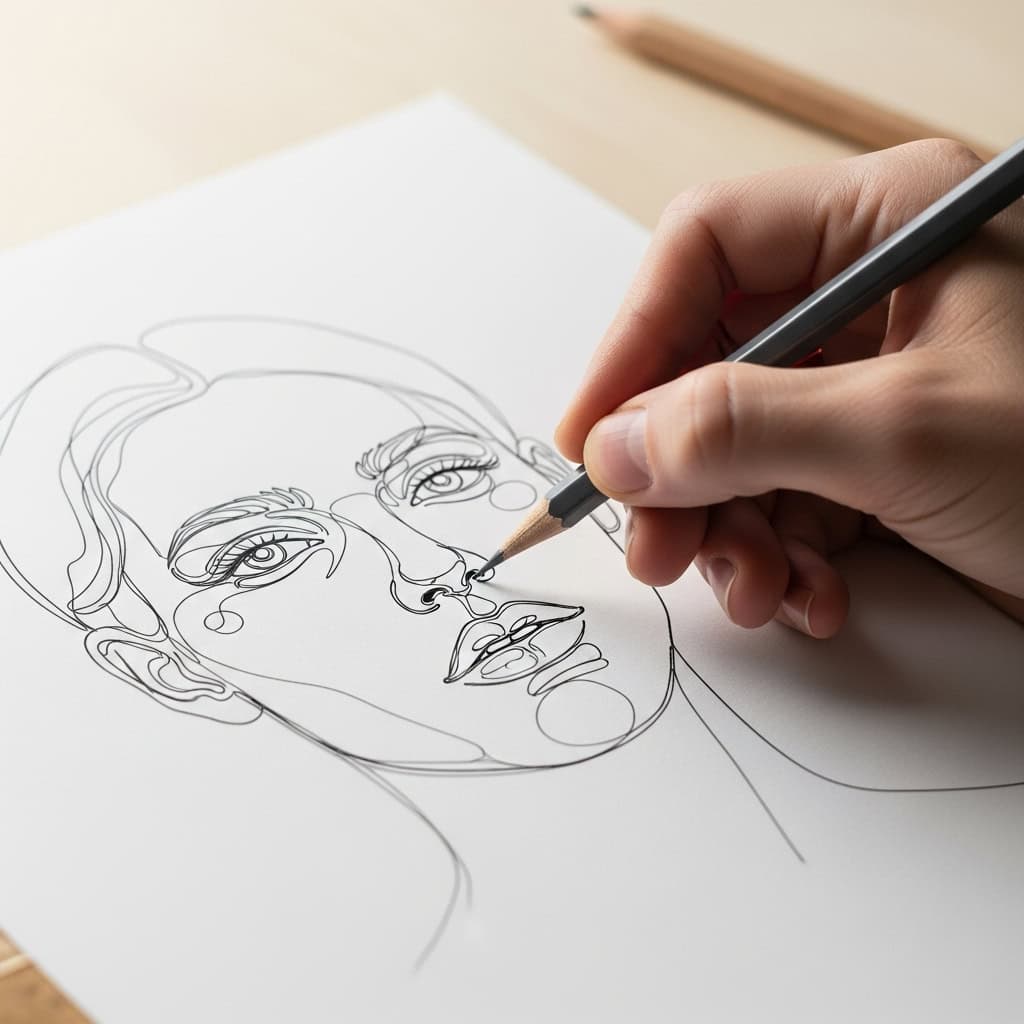
A striking portrait sketch created with a single, unbroken line captures the essence of minimalist artistry. | Generated by Google Gemini

Continuous line drawing is a technique where the entire subject is sketched without lifting the pen or pencil from the paper. This method encourages greater fluidity, builds confidence, and helps artists focus on the essential forms rather than overthinking details.

Continuous line drawings are often used in creating expressive portraits, where the unbroken line captures subtle movements and personality. Practicing this technique can loosen your style and improve observation skills. To learn more and see examples, visit Tate Kids’ guide to continuous line drawing.

6. Master Copying

6. Master Copying
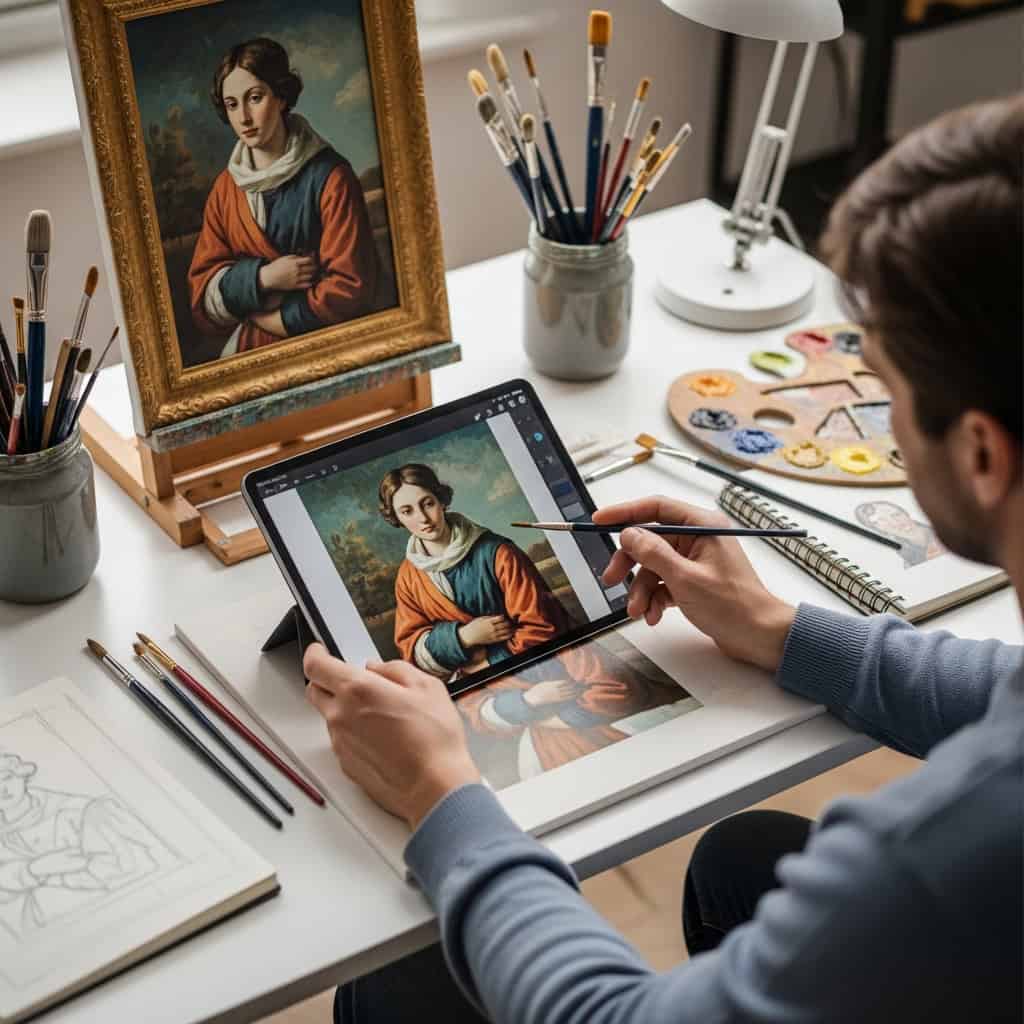
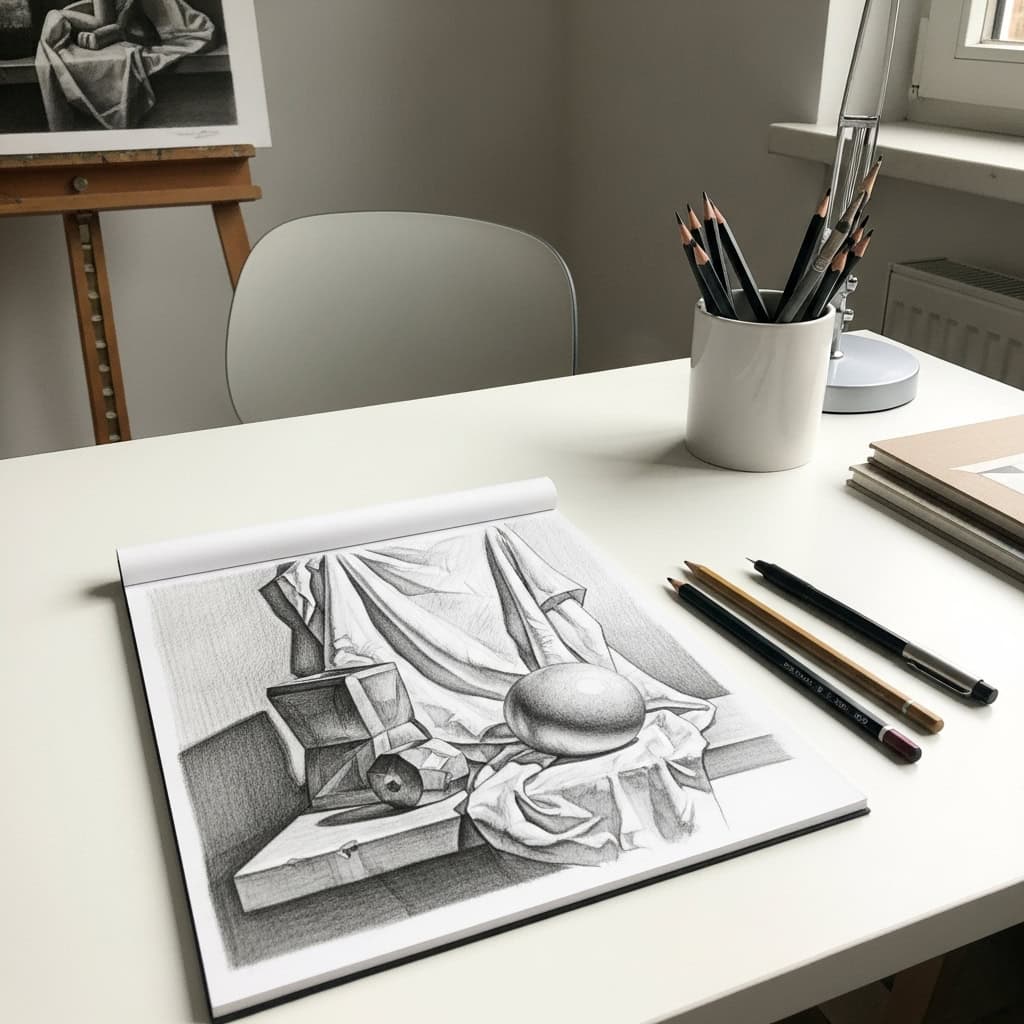
A detailed pencil sketch captures a classical masterpiece, showcasing the precision and dedication of an artist’s master study. | Generated by Google Gemini

Master copying involves replicating works created by renowned artists to closely examine their techniques, linework, and stylistic choices. By studying and recreating masterpieces, artists gain insight into composition, shading, and brushwork that may not be obvious at first glance.

This exercise helps develop a keen eye for detail and provides inspiration for personal growth. After completing a copy, compare it side by side with the original to observe differences and areas for improvement. For more on the benefits and process, read Artsy’s article on copying masterpieces.

7. Drawing from Imagination

7. Drawing from Imagination
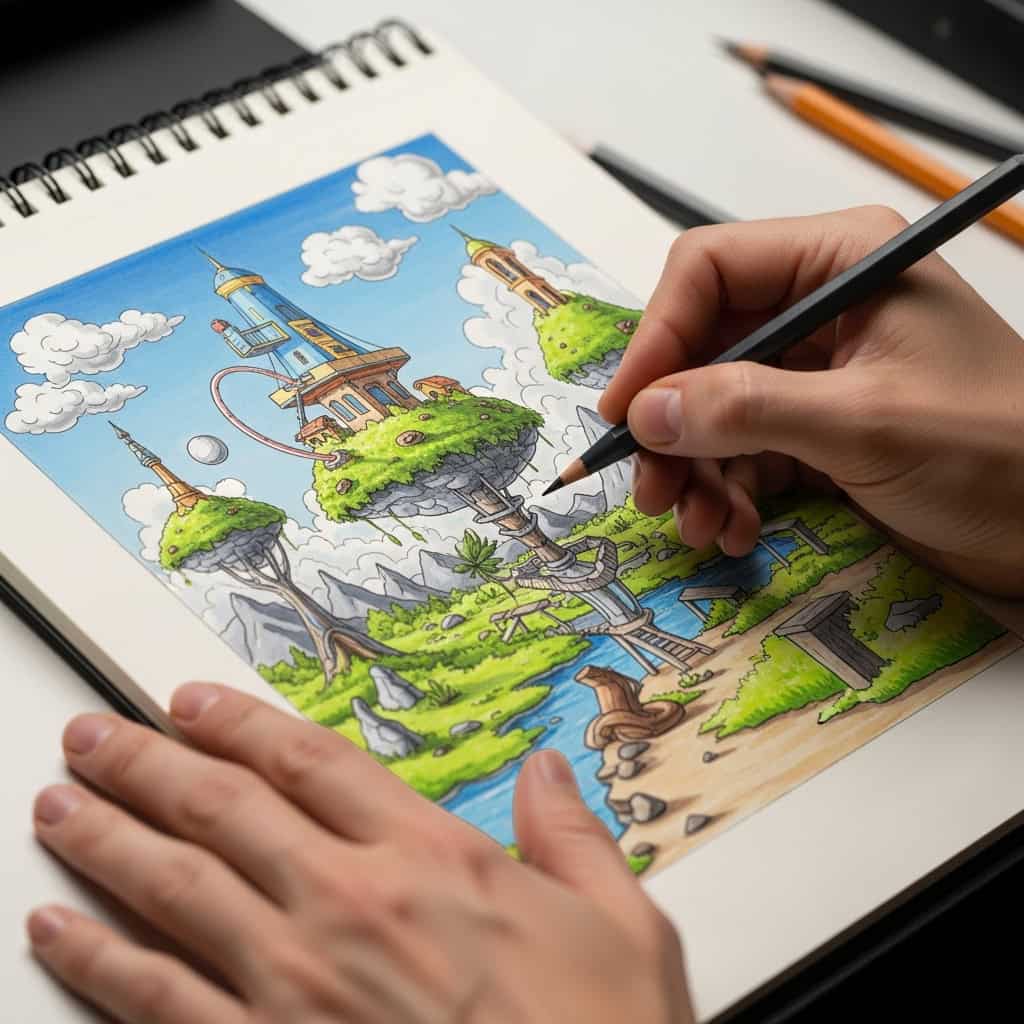
A vibrant fantasy landscape unfolds in a detailed concept art drawing, brimming with imaginative creatures and whimsical scenery. | Generated by Google Gemini

Drawing from imagination involves creating scenes, characters, or objects solely from memory or creative thought, rather than referencing real-life subjects. This approach fuels original ideas and strengthens creative problem-solving, offering a marked contrast to observational drawing, which relies on direct visual input.

Regularly practicing imaginative drawing helps artists develop a unique artistic voice and encourages experimentation. Try inventing a new landscape or character design without using any references to challenge your creativity. For tips and exercises on boosting your imaginative skills, visit Creative Bloq’s guide to drawing from imagination.

8. Limited Palette Challenges

8. Limited Palette Challenges
A striking monochrome drawing of a cityscape, created for an art challenge using a beautifully limited palette. | Generated by Google Gemini

Limited palette challenges involve intentionally restricting your drawing tools—such as using only two pencils, a single pen, or one color—during a drawing session. This creative constraint encourages resourcefulness, helping you focus on value, shading, and form rather than relying on a wide range of materials.

By simplifying your approach, you train your eye to see subtle tonal variations and develop stronger technical skills. Artists often discover new techniques and creative solutions through such challenges. For insights and exercises, explore Artists Network’s guide to limited palettes.

9. Timed Sketching Sessions

9. Timed Sketching Sessions
Artists practice timed sketching sessions to boost confidence, spontaneity, and expressive drawing skills. | Generated by Google Gemini

Timed sketching sessions involve setting strict time constraints—such as one, five, or ten minutes—for each drawing. This practice encourages artists to work quickly, make bold decisions, and focus on capturing the essence of a subject rather than getting lost in details.

Quick studies help build confidence and spontaneity, while contrasting with longer, more detailed drawings that allow for refinement and precision. Combining both timed and detailed approaches can lead to a more balanced skill set. For more tips on boosting your drawing speed and skill, visit DrawingHowToDraw’s improvement guide.

10. Collaborative Drawing

10. Collaborative Drawing
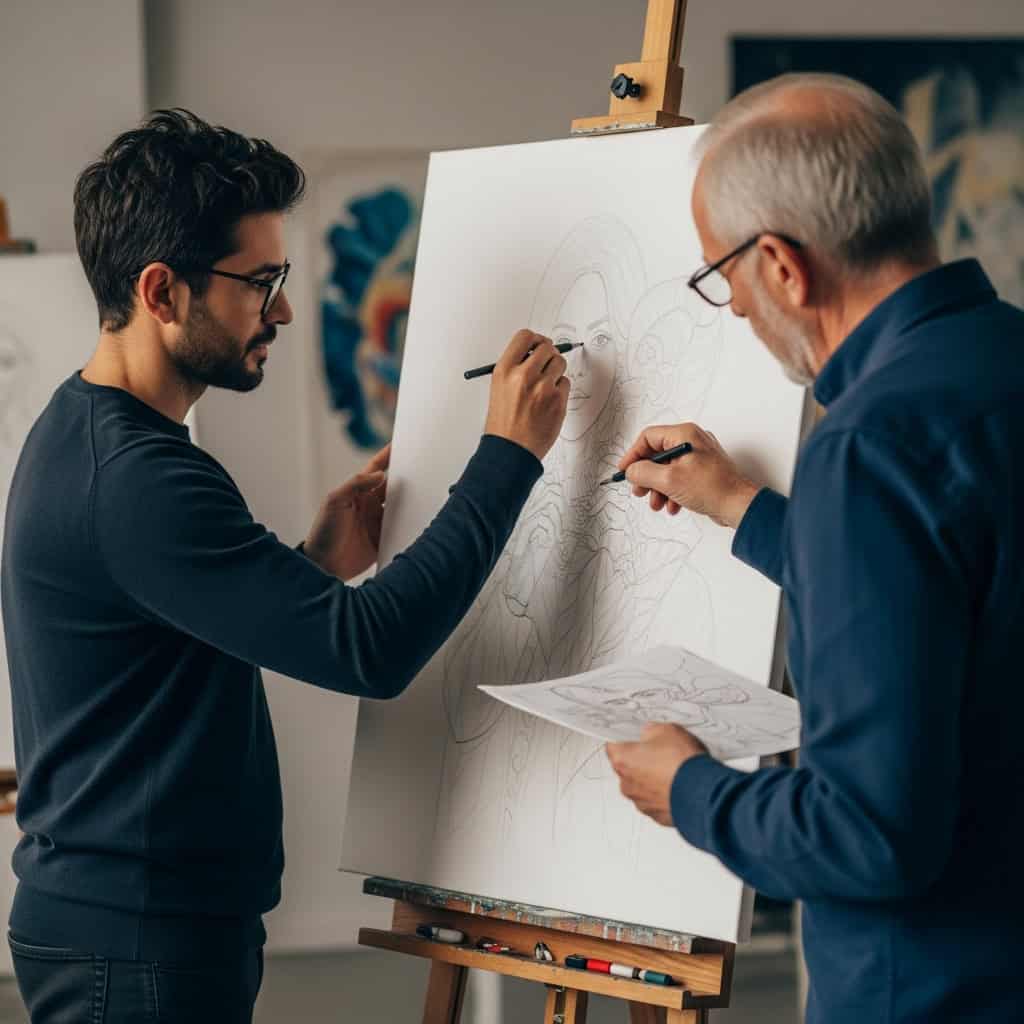
A group of creative hands brings a vibrant shared sketch to life, blending colors and ideas in collaborative harmony. | Generated by Google Gemini

Collaborative drawing involves creating artwork with others, often by taking turns adding to a piece or passing it back and forth between artists. This process exposes you to new techniques, unique perspectives, and diverse styles, encouraging adaptability and growth.

Working collaboratively can be as simple as doodling with a friend or as organized as joining an art collective. Many contemporary artists embrace this approach to push boundaries and foster creative exchange. For more information and examples of collaborative art, visit Tate’s overview of collaborative art.

11. Urban Sketching

11. Urban Sketching
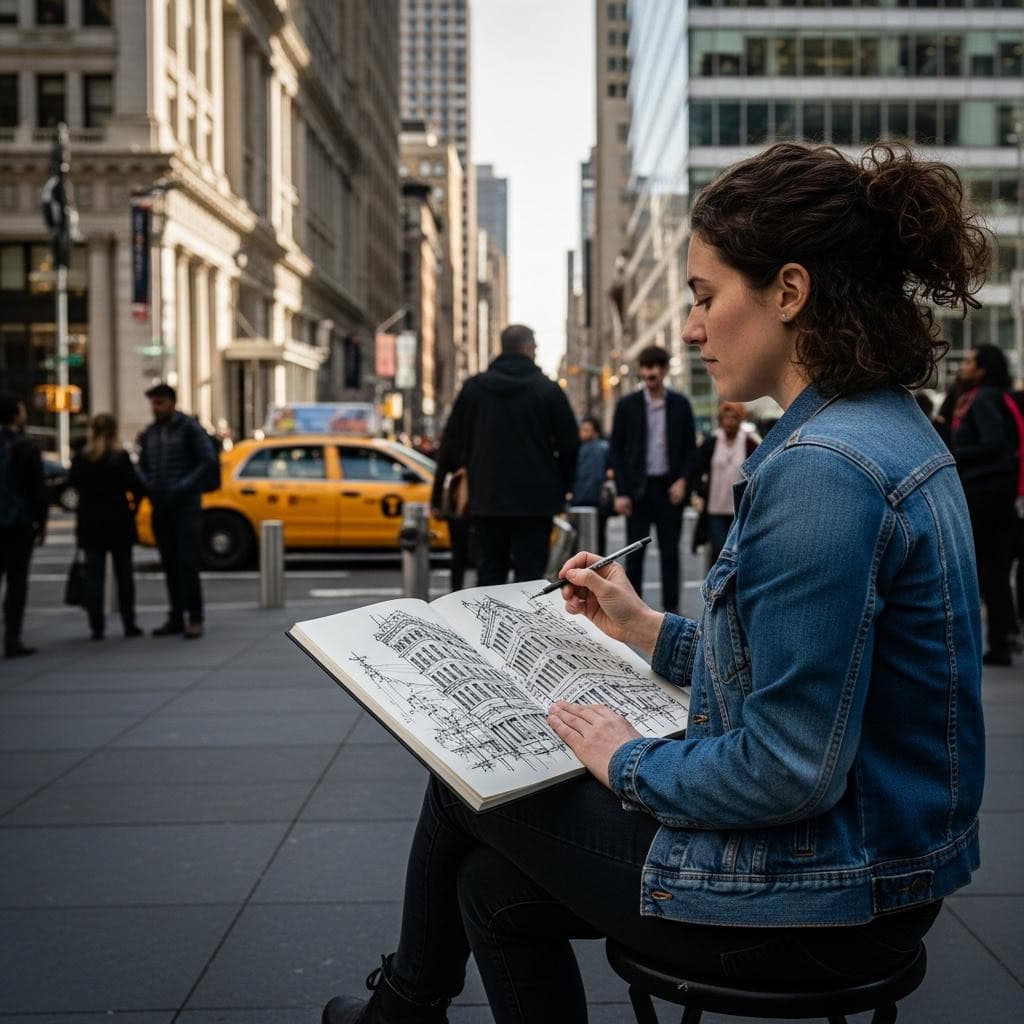
Artists capturing vibrant city scenes on location, honing observation and perspective through urban sketching. | Generated by Google Gemini

Urban sketching invites artists to step outside and draw real-life scenes directly from their surroundings, whether cityscapes, bustling streets, or quiet parks. This practice sharpens perspective skills, boosts observational abilities, and encourages capturing the energy of a place.

Urban sketchers often work quickly to document fleeting moments, resulting in lively, authentic sketches. Many artists join urban sketching communities to share work, exchange feedback, and participate in group outings. To connect with a global network of urban sketchers and find inspiration, visit the official Urban Sketchers organization.

12. Daily Drawing Prompts

12. Daily Drawing Prompts
A sketchbook lies open, filled with lively sketches and surrounded by scattered drawing prompts and bursts of creative ideas. | Generated by Google Gemini

Daily drawing prompts provide fresh ideas and gentle structure, making it easier to overcome creative blocks and establish a consistent practice. By responding to prompts from books or online sources, artists can explore new themes, subjects, and techniques they might not have considered otherwise. These exercises stimulate creativity and help form a daily drawing habit, which is key to long-term improvement. For inspiration, try using a list of prompts from resources like Creative Bloq’s 30 drawing prompts to jumpstart your next session.

Conclusion

Conclusion
Exploring diverse drawing techniques fosters creativity, sharpens skills, and inspires ongoing artistic development. | Generated by Google Gemini

Incorporating these creative techniques into your drawing routine opens new pathways for artistic growth and self-expression. Each approach—from blind contour to daily prompts—offers unique challenges that sharpen observation, boost creativity, and build confidence.

Regular practice with varied methods ensures steady progress and keeps your art journey exciting. Embrace experimentation, and remember that consistent effort is key to improvement. For continued learning and inspiration, explore additional resources like Skillshare’s drawing tips.

Advertisement