What Growing Up in a Small House Teaches You About Family and Resilience

Julie Ann - October 31, 2025
Share

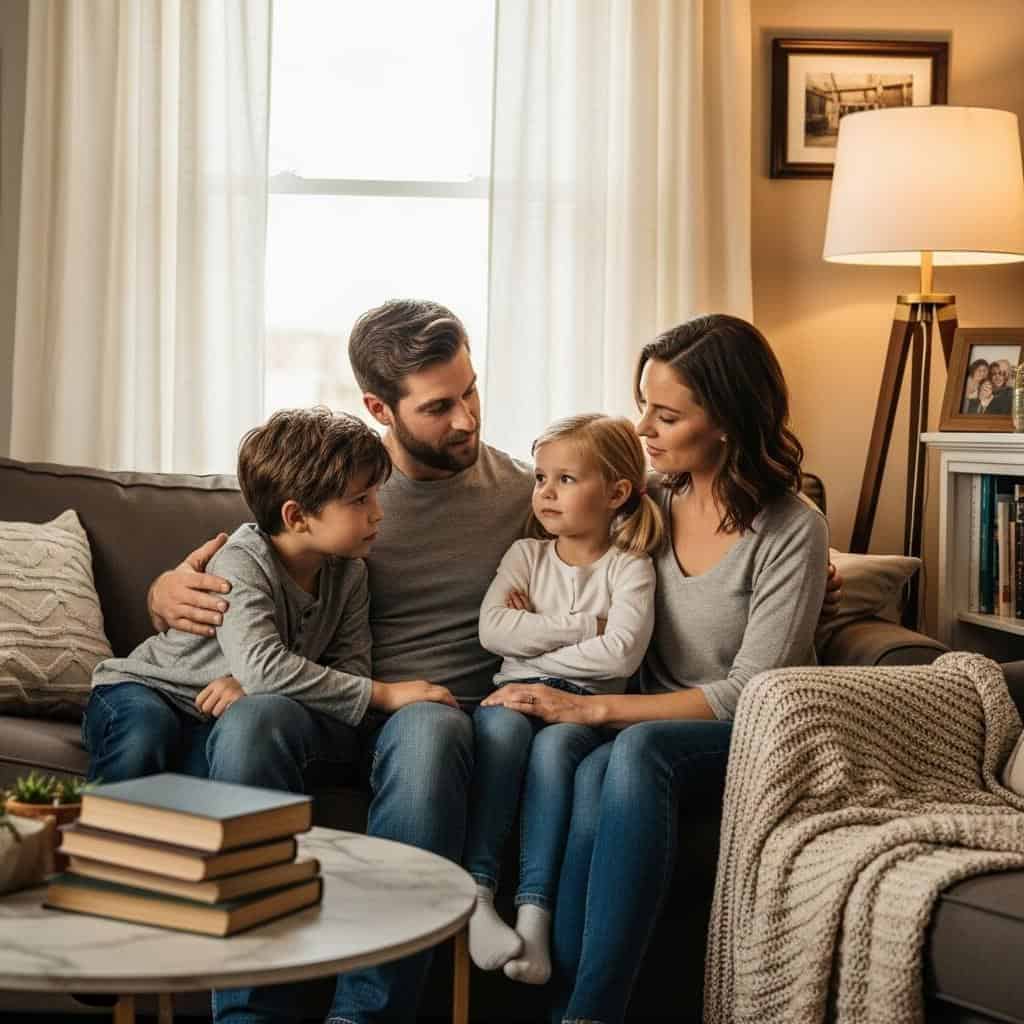
Living in a small house weaves together family bonds and everyday ingenuity, shaping a unique outlook on life. In close quarters, every shared moment and challenge becomes a lesson in togetherness, adaptability, and creative problem-solving. These environments foster resilience, teaching children and adults alike how to make the most of limited space and resources. Discover how these formative experiences can deeply influence values, relationships, and perseverance by exploring insights from real families who have embraced small-space living.

1. The Art of Sharing

1. The Art of Sharing
Image Source: Generated by Google Gemini

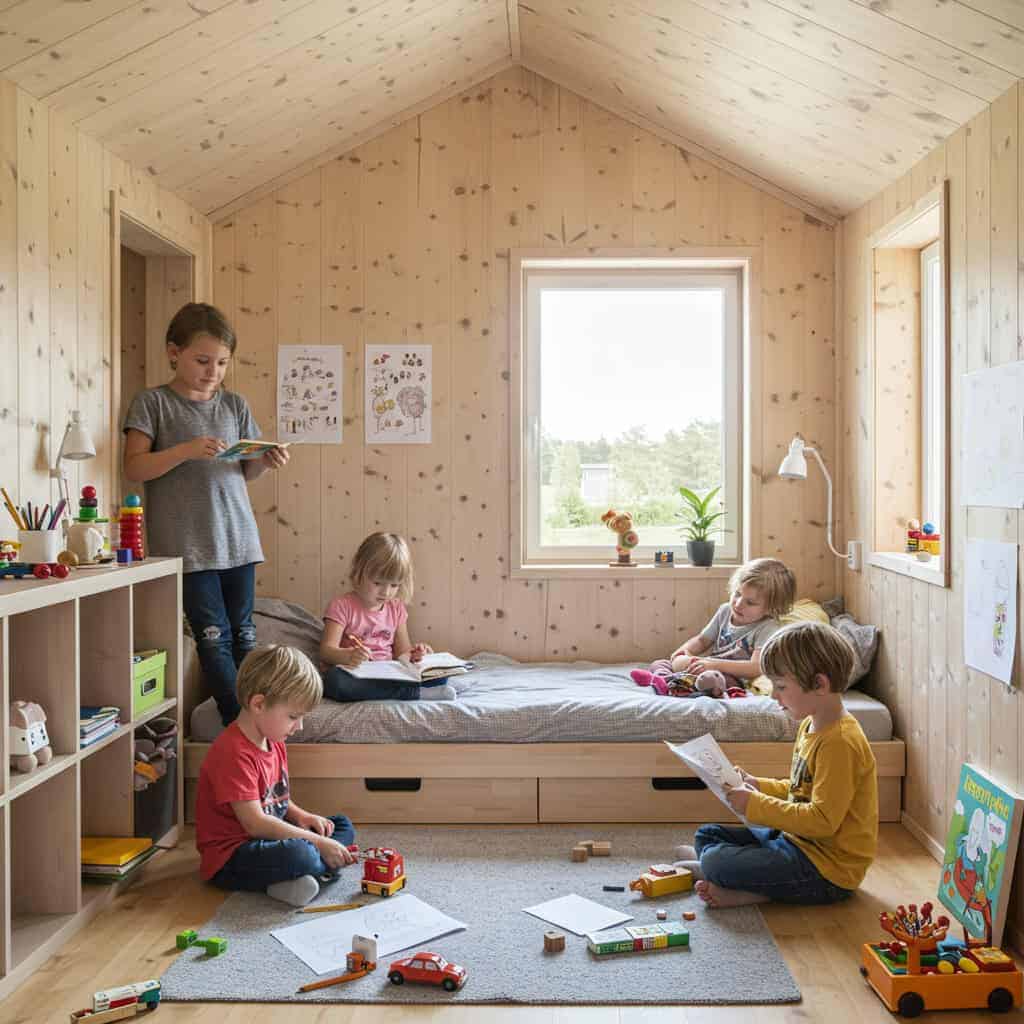
Limited space in a small house means possessions, bedrooms, and even quiet time must be shared. This necessity fosters a spirit of generosity and cooperation within the family. Children growing up in such environments often develop stronger social skills and deeper empathy, as they learn to navigate shared experiences and compromise. Studies show that these early lessons in sharing can have lifelong benefits.

2. Conflict Resolution Skills

2. Conflict Resolution Skills
Image Source: Generated by Google Gemini

In the confined spaces of a small house, disagreements are inevitable and privacy is limited. This environment pushes families to address conflicts promptly and communicate openly. Over time, many households develop unspoken rules and routines for managing tension, which strengthens relationships and improves conflict resolution skills. These experiences teach valuable lessons in patience, active listening, and compromise.

3. Creativity in Organization

3. Creativity in Organization
Image Source: Generated by Google Gemini

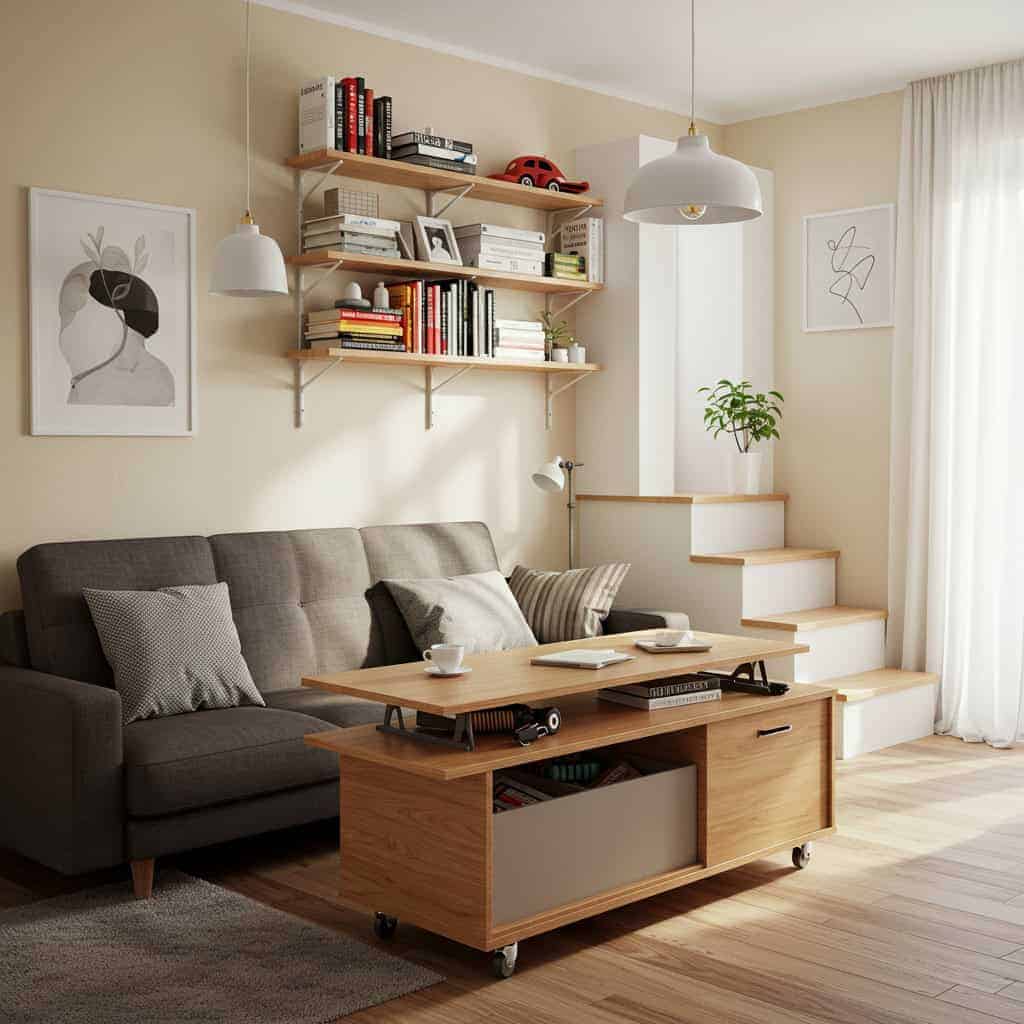
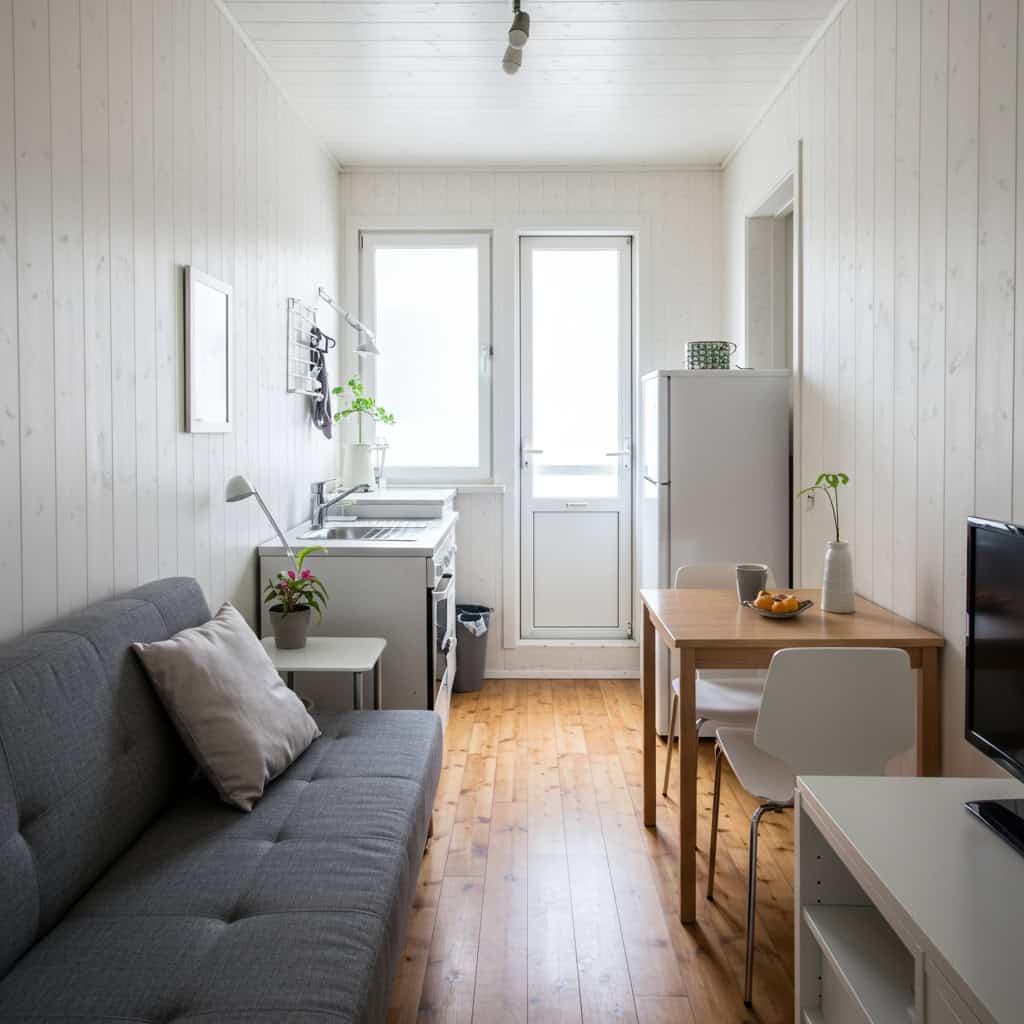
Small-house living inspires creative organization, from using multipurpose furniture to installing vertical shelving. Families quickly learn to maximize every inch, finding inventive storage solutions for daily needs. These organizational skills often become lifelong habits, fostering efficiency and adaptability even in larger spaces later on.

4. Prioritizing Experiences Over Possessions

4. Prioritizing Experiences Over Possessions
Image Source: Generated by Google Gemini

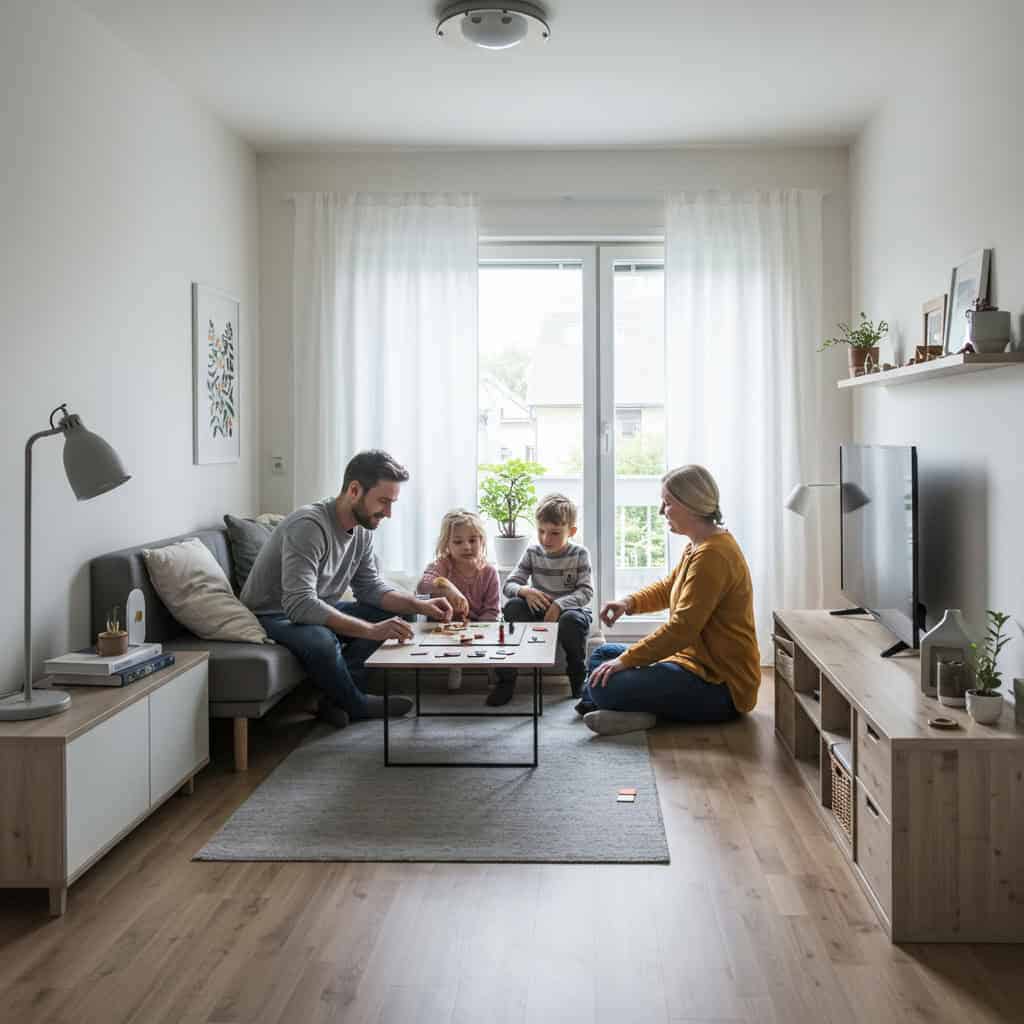
Limited room for material goods naturally shifts focus toward shared experiences, such as playing games, family outings, and meaningful conversations. These moments foster stronger bonds and lasting memories, often valued more than any possession. Studies show that experiences create deeper connections and enhance well-being within families.

5. Adaptability and Flexibility

5. Adaptability and Flexibility
Image Source: Generated by Google Gemini

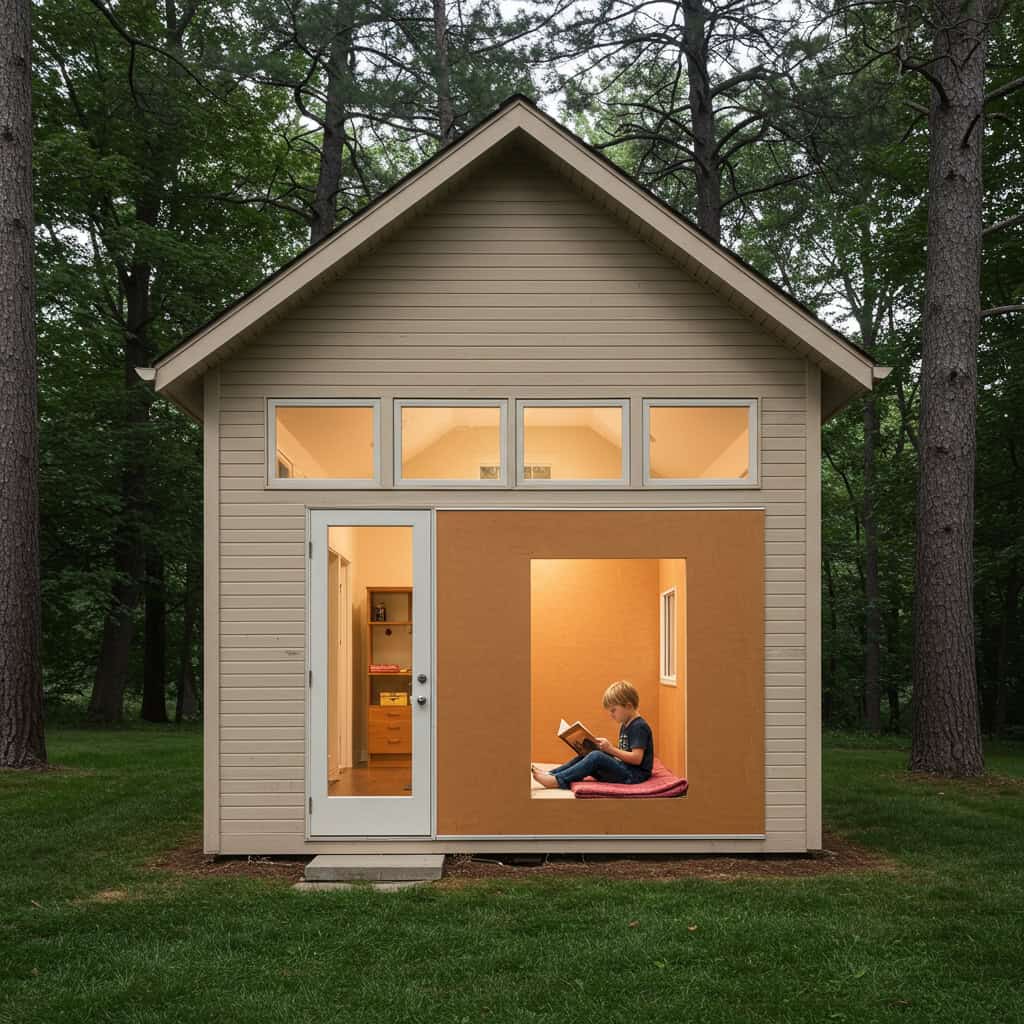
Living in a small house requires constant adaptability, from coordinating schedules in shared spaces to repurposing rooms for multiple functions. This environment nurtures flexibility and the ability to adjust to changing circumstances, key components of resilience. Such skills are closely linked to long-term well-being and success.

6. Appreciation for Privacy

6. Appreciation for Privacy
Image Source: Generated by Google Gemini

Growing up with little private space highlights the importance of personal boundaries and finding moments of solitude, even in creative or unconventional ways. These experiences often cultivate a lifelong appreciation for privacy and the need to recharge, as supported by research on the psychological benefits of privacy.

7. Teamwork and Chores

7. Teamwork and Chores
Image Source: Generated by Google Gemini

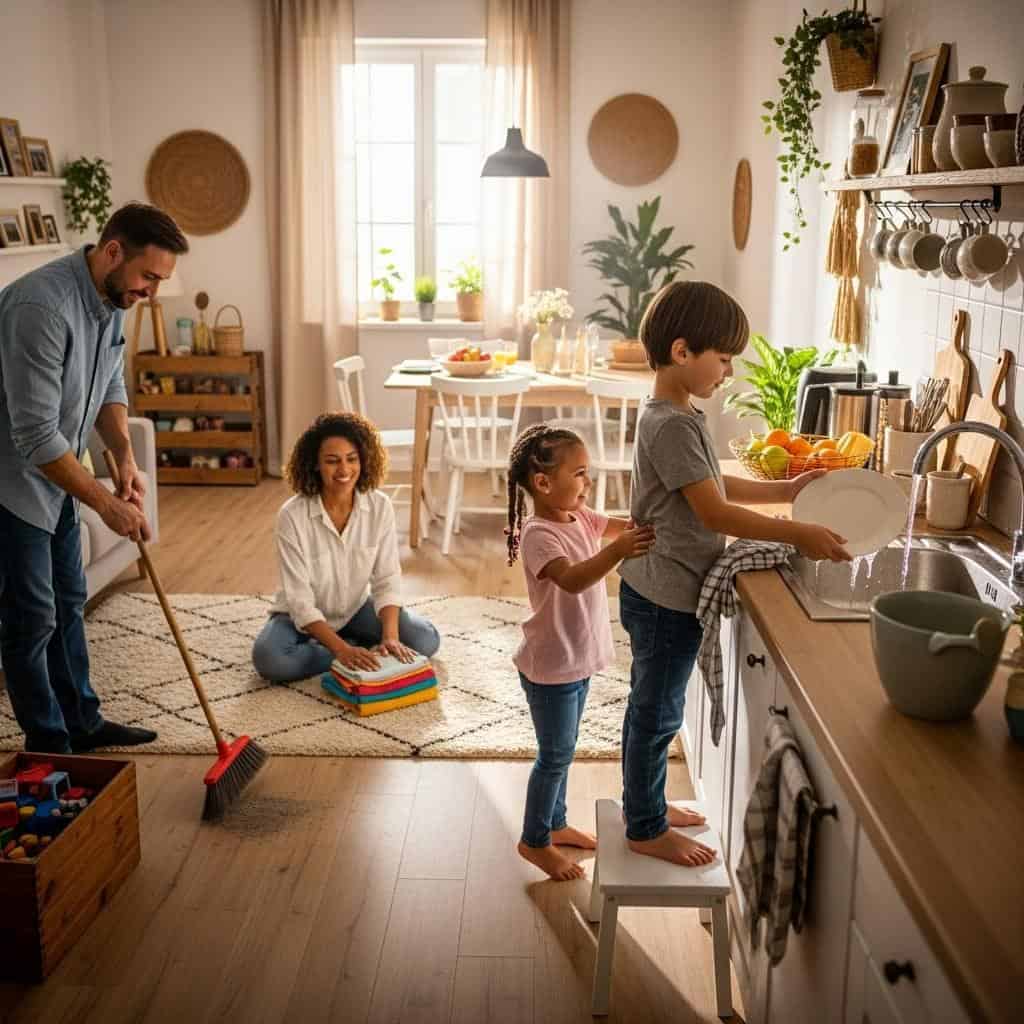
In a small home, household chores become a shared responsibility, with everyone pitching in to keep things running smoothly. This environment encourages children to take on tasks from a young age, fostering responsibility and a strong sense of mutual support. Working together on daily routines helps instill a team spirit that benefits families long-term.

8. Living Simply and Minimizing Clutter

8. Living Simply and Minimizing Clutter
Image Source: Generated by Google Gemini

Small house living makes minimalism a practical necessity. Families become adept at decluttering, choosing to keep only what truly matters. This practice fosters intentional living, helping everyone appreciate simplicity and focus on what brings genuine value.

9. Stronger Family Bonds

9. Stronger Family Bonds
Image Source: Generated by Google Gemini

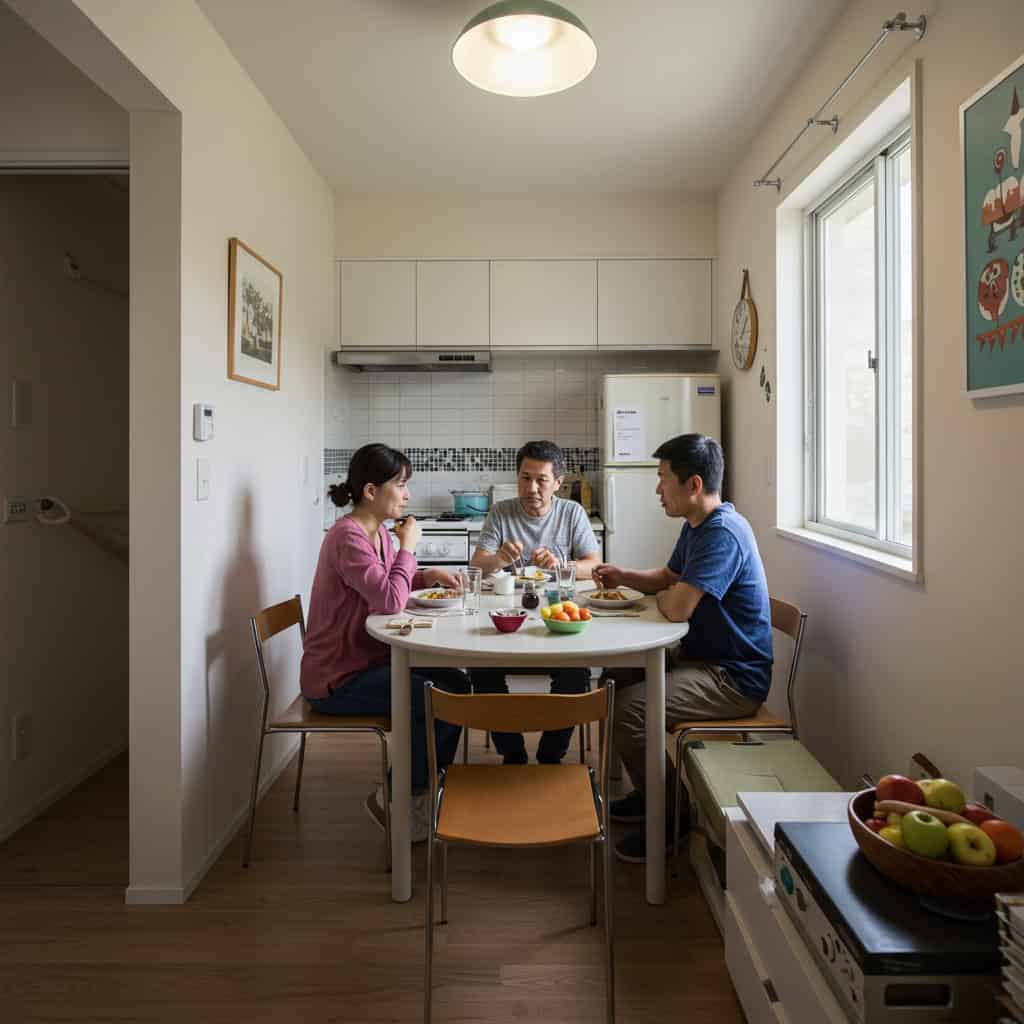
Close quarters naturally lead to more frequent interactions, whether through shared meals, conversations, or daily routines. This constant togetherness nurtures emotional connections and creates lasting memories. Research indicates that regular time spent together in shared spaces, such as family dinners, significantly strengthens familial bonds and overall well-being.

10. Resourcefulness and DIY Skills

10. Resourcefulness and DIY Skills
Image Source: Generated by Google Gemini

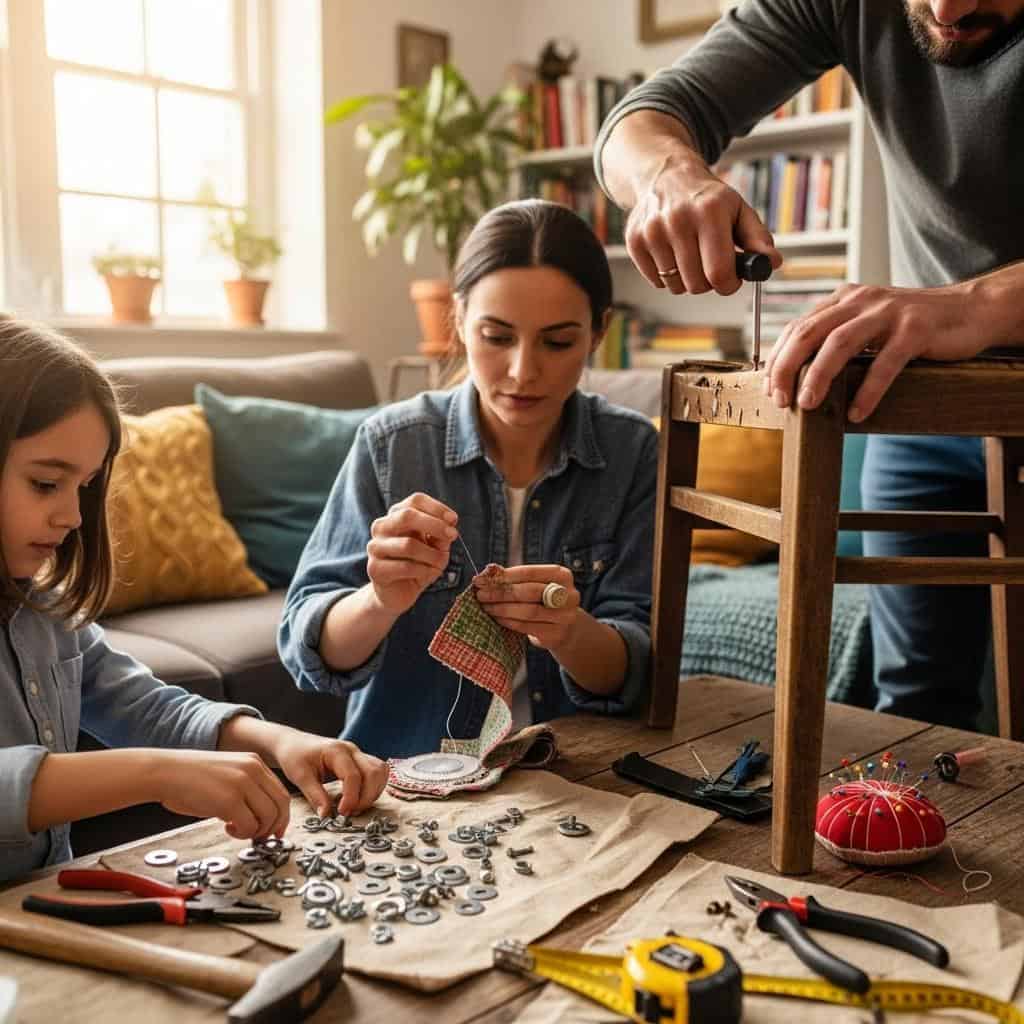
Growing up with limited resources encourages families to get creative—repairing, repurposing, and making do with what’s available. This environment nurtures hands-on problem-solving and practical DIY skills that often persist into adulthood. Learning to fix or adapt household items becomes second nature, building confidence and resourcefulness.

11. Learning Patience and Tolerance

11. Learning Patience and Tolerance
Image Source: Generated by Google Gemini

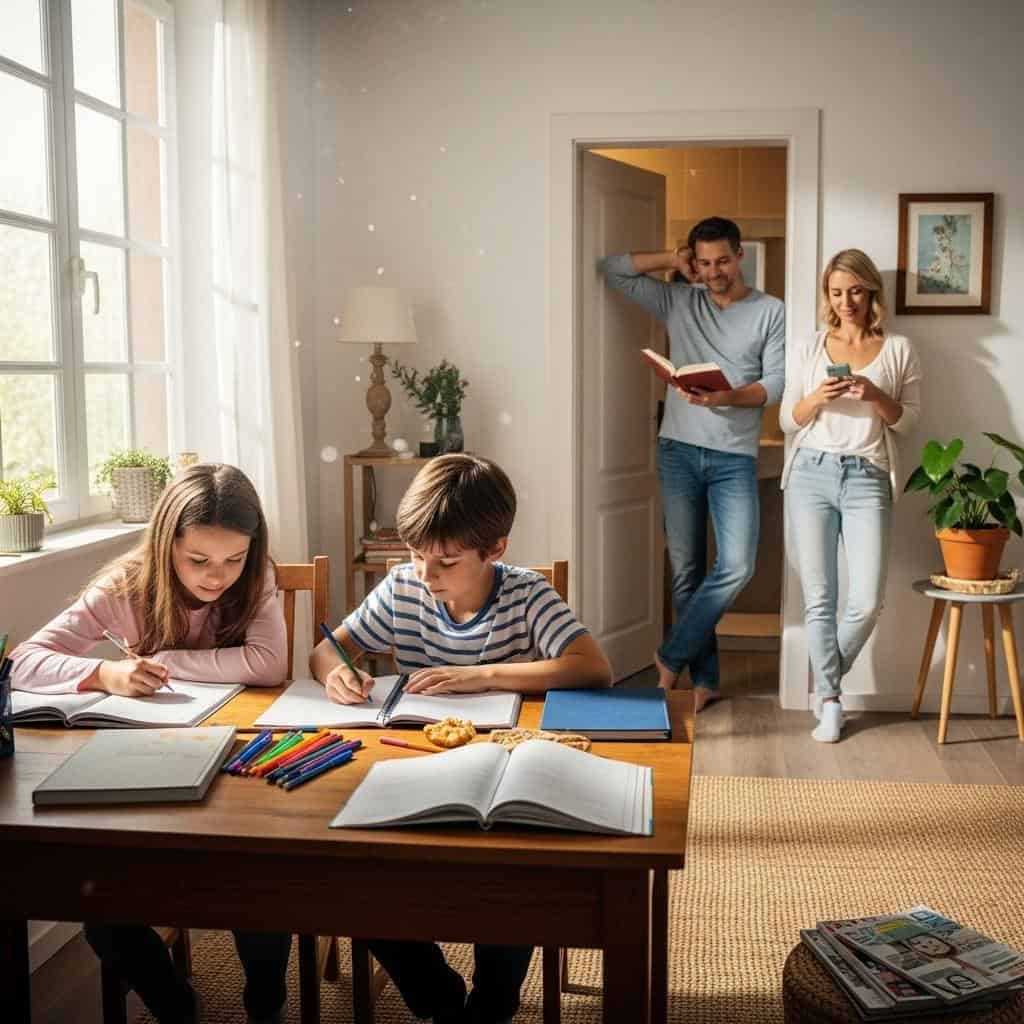
In a small house, patience is a daily necessity—whether it’s waiting your turn for the bathroom or sharing a desk for homework. These repeated experiences foster tolerance and the capacity to compromise, skills that prove invaluable throughout life. Research highlights how environments demanding patience can help develop emotional maturity and resilience.

12. Valuing Outdoor Spaces

12. Valuing Outdoor Spaces
Image Source: Generated by Google Gemini

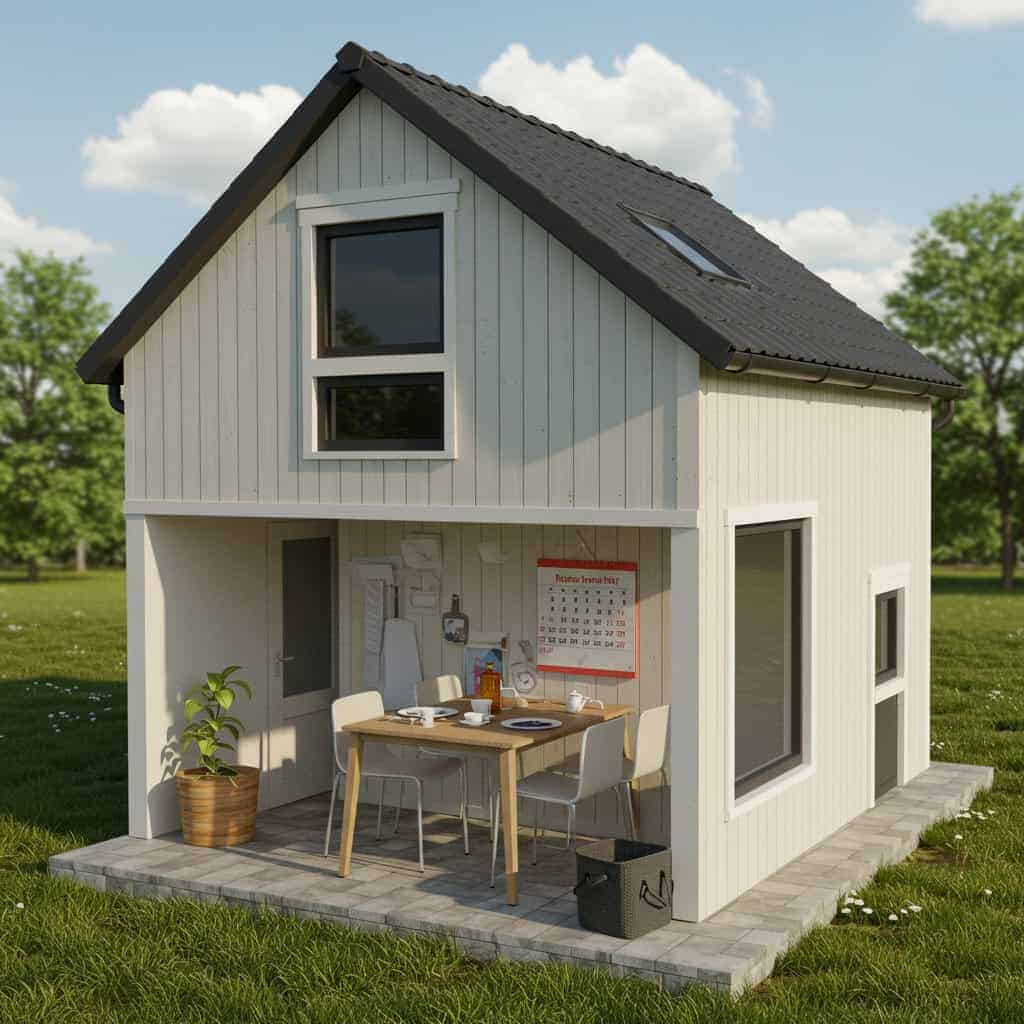
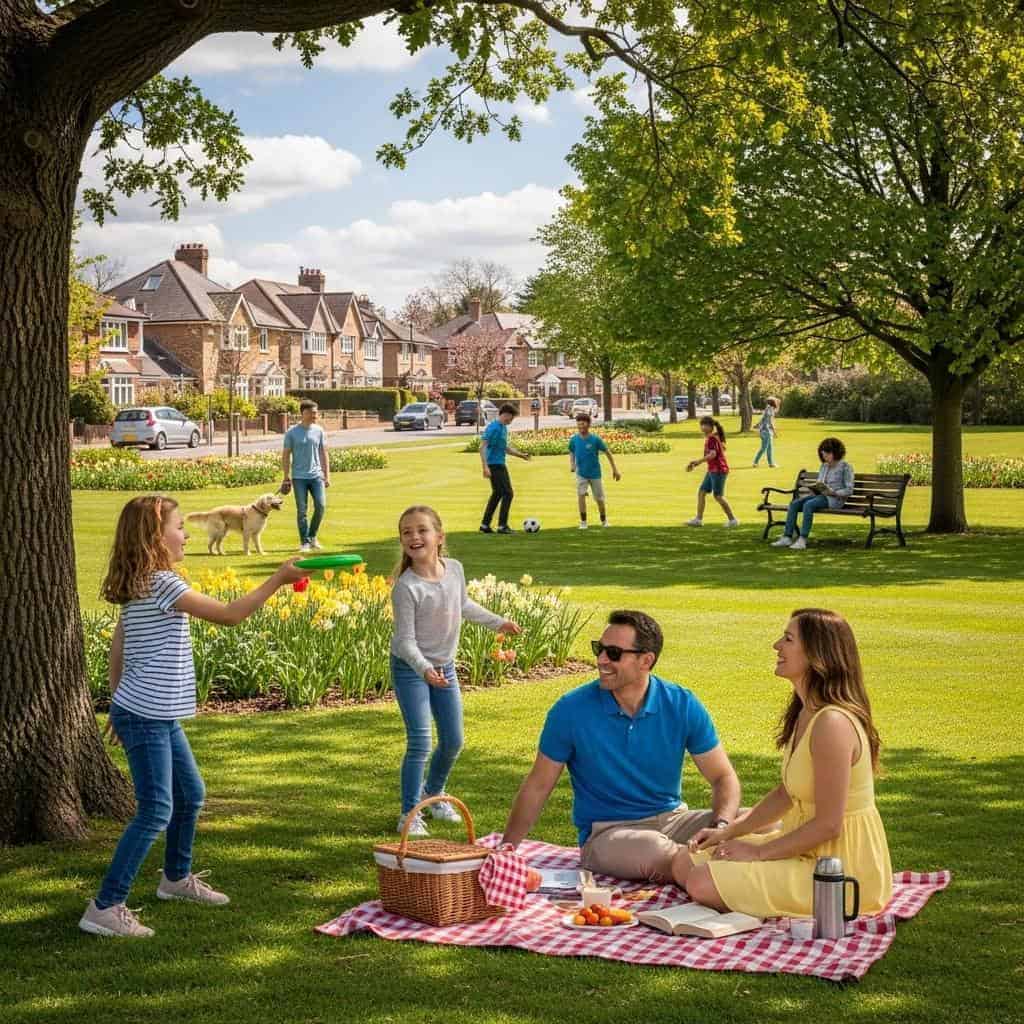
When indoor space is limited, families often seek out parks, backyards, or local community areas for recreation and relaxation. This habit not only fosters a deeper connection with nature but also encourages engagement with the broader neighborhood. Research shows that access to outdoor spaces enhances physical and emotional well-being for all ages.

13. Embracing Imperfection

13. Embracing Imperfection
Image Source: Generated by Google Gemini

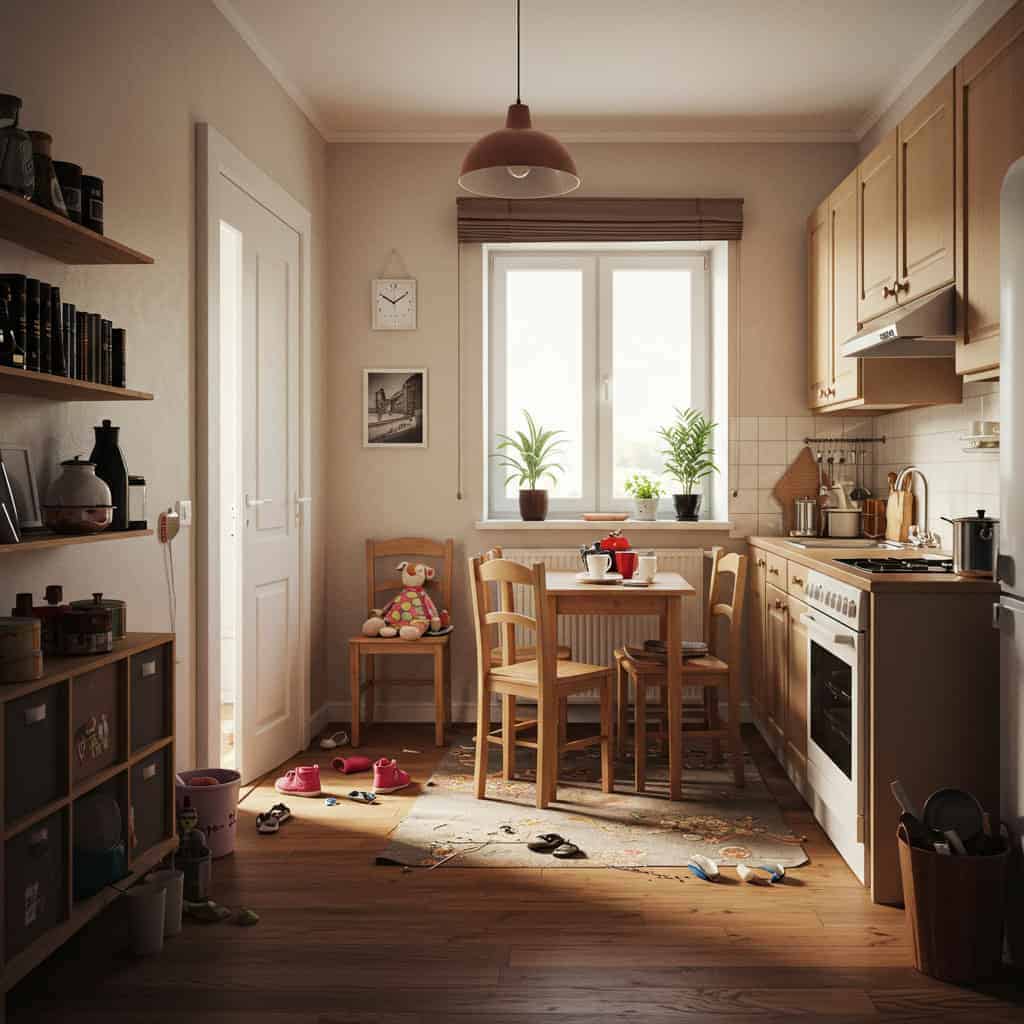
Living in a small, busy home means that messes and chaos are part of daily life. Accepting these imperfections can help reduce stress and cultivate resilience. Over time, families often develop a sense of humor and perspective about life’s unpredictability.

14. Gratitude for What You Have

14. Gratitude for What You Have
Image Source: Generated by Google Gemini

Living with limitations teaches the value of appreciating the essentials—family, comfort, and small joys—over material abundance. This mindset fosters lasting gratitude and contentment, qualities linked to greater happiness and well-being throughout life. Research shows that regularly practicing gratitude can enhance overall satisfaction and mental health.

Conclusion

Conclusion
Image Source: Generated by Google Gemini

Growing up in a small house instills powerful lessons that extend far beyond childhood. The constant togetherness, creativity, and adaptability required in close quarters shape strong character, deepen family relationships, and build lasting resilience. These experiences encourage gratitude, resourcefulness, and a focus on what truly matters. Ultimately, the lessons learned in small spaces become invaluable tools for navigating life’s challenges and joys.

Advertisement