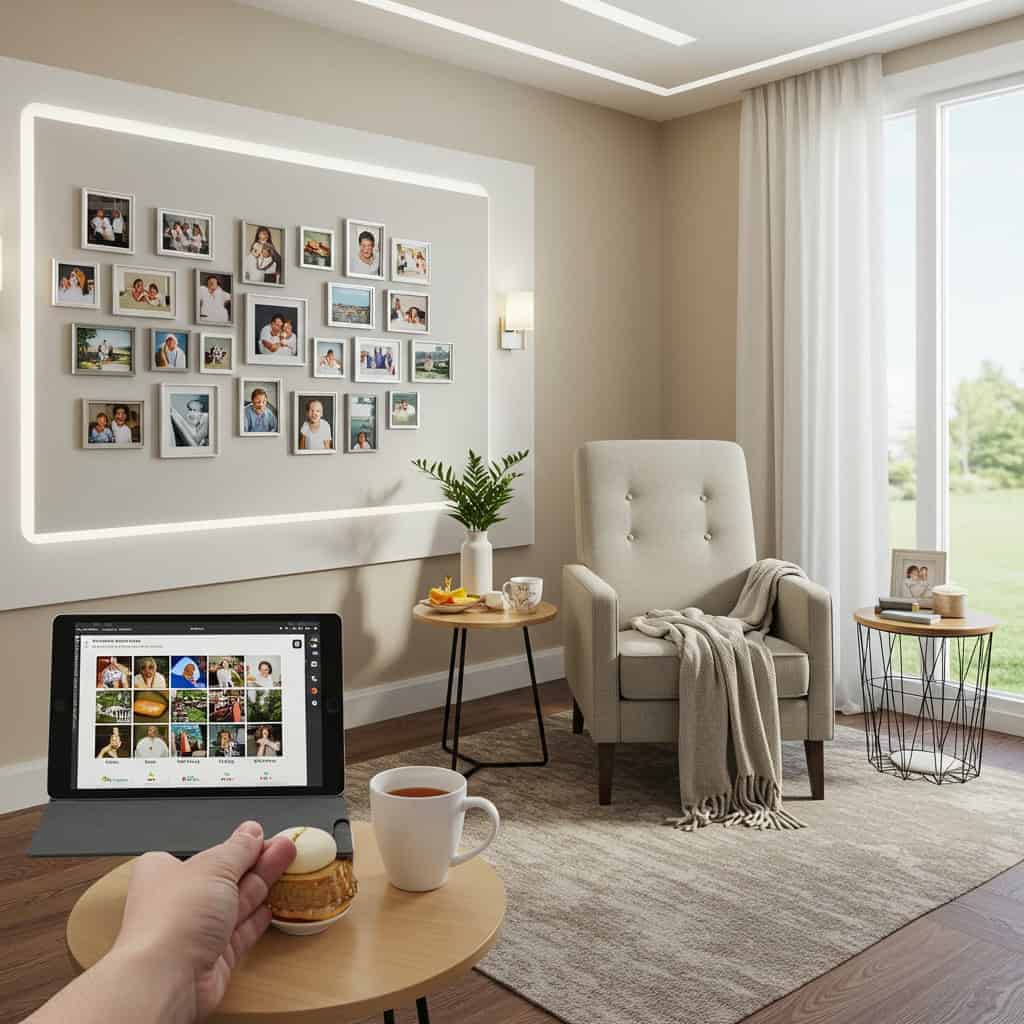
12 Design Ideas That Help People Heal After Loss

Julie Ann - October 27, 2025
Share

In moments of profound grief, our surroundings can serve as both a source of comfort and a pathway to healing. Thoughtfully designed spaces have the power to soothe, support reflection, and foster emotional recovery. From tranquil environments to personalized memorials, the way we shape our homes and public places can help ease the burden of loss.

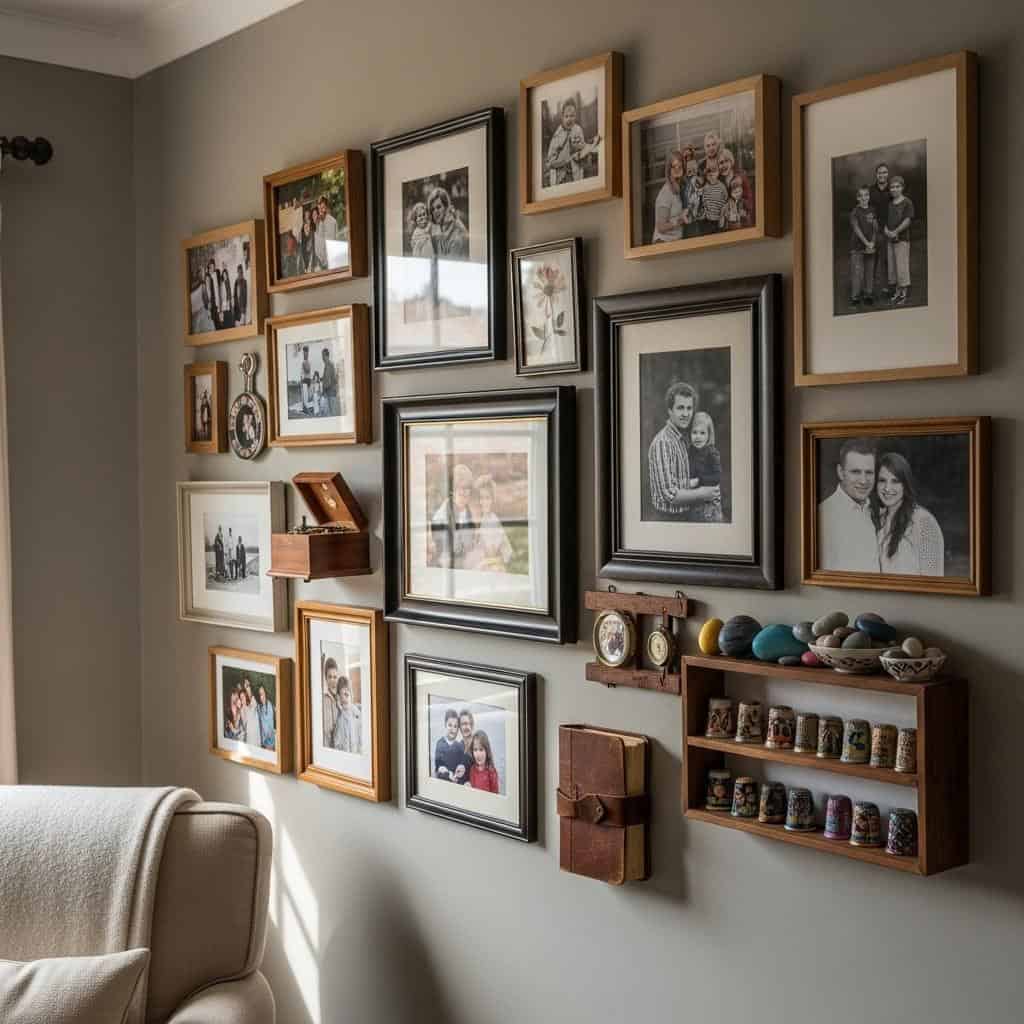
1. Memory Walls

1. Memory Walls
Image Source: Generated by Google Gemini

Memory walls offer a heartfelt way to honor those we’ve lost by displaying cherished photos, mementos, and handwritten messages. Whether arranged as a framed gallery or a creative collage of personal artifacts, these visual tributes become powerful focal points in any space. They invite reflection, spark meaningful conversations, and help keep memories alive.

2. Healing Gardens

2. Healing Gardens
Image Source: Generated by Google Gemini

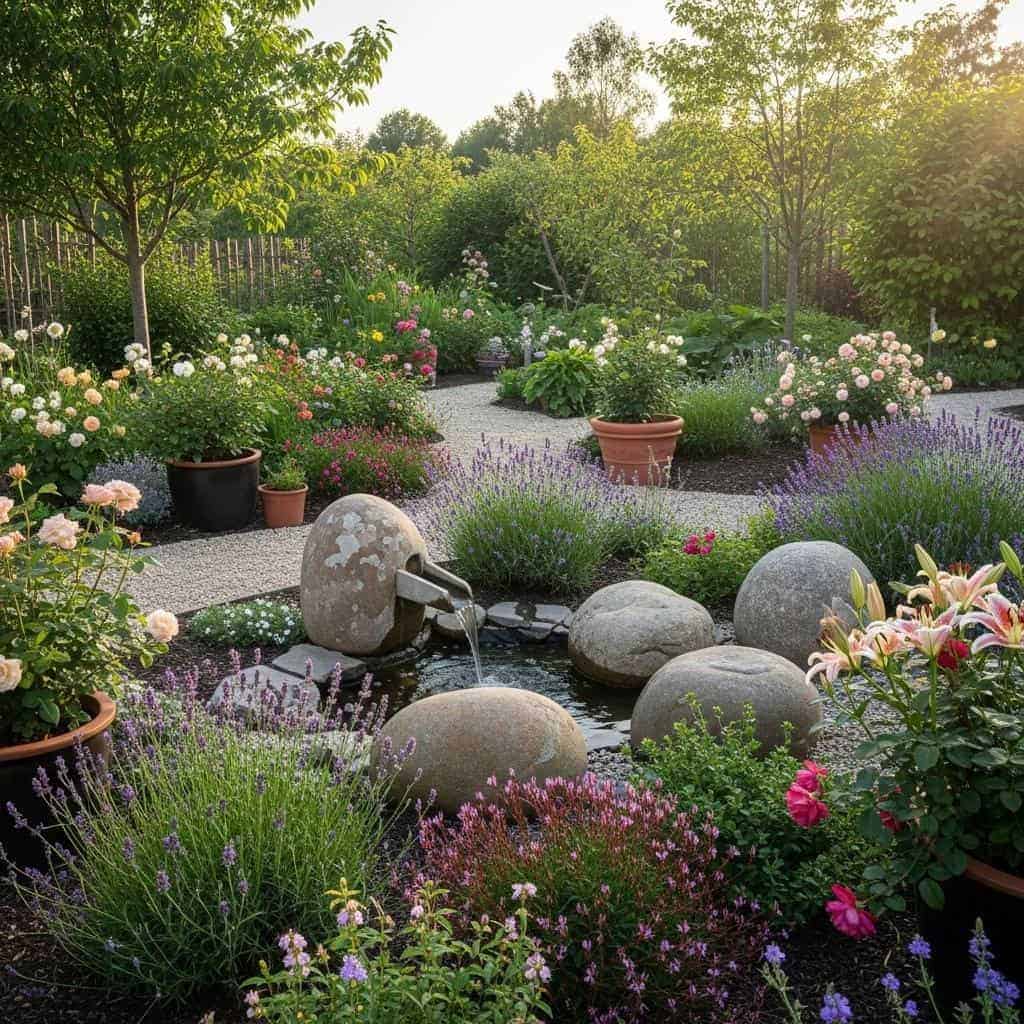
A healing garden, whether a dedicated outdoor space or a collection of potted plants, offers a tranquil zone for quiet reflection and solace. Incorporating soothing elements such as water features, memorial stones, or fragrant flowers can transform these gardens into restorative retreats. Such environments have been shown to lower stress and foster emotional well-being.

3. Personalized Candles and Lighting

3. Personalized Candles and Lighting
Image Source: Generated by Google Gemini

Soft, personalized lighting is a gentle way to nurture comfort after loss. Custom candles, perhaps engraved with a loved one’s name or meaningful dates, provide a tangible connection, while adjustable lamps can create a warm, calming environment. Thoughtfully chosen lighting can ease emotional strain and enhance peacefulness.

4. Remembrance Benches

4. Remembrance Benches
Image Source: Generated by Google Gemini

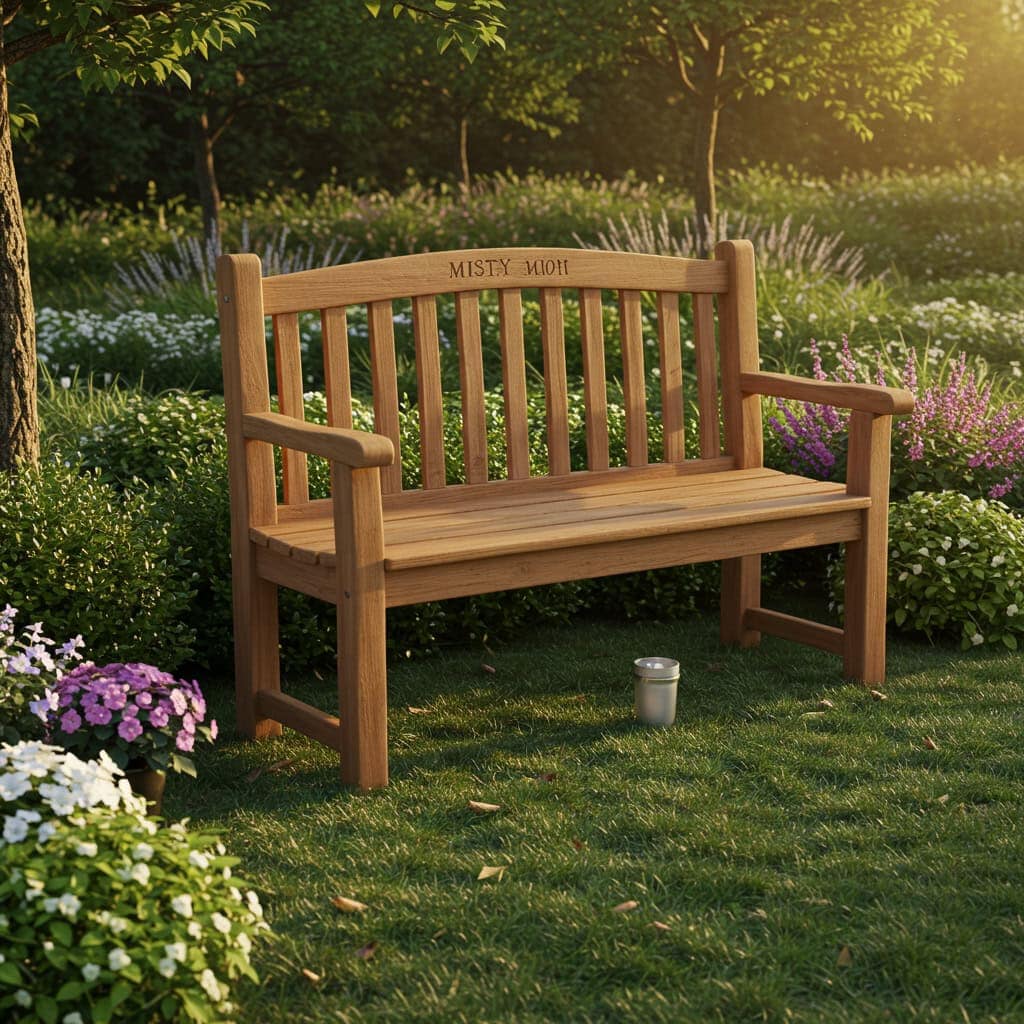
A remembrance bench serves as a lasting tribute, offering a dedicated spot for contemplation and remembrance in gardens or public spaces. Personalized with engravings—such as names, dates, or meaningful quotes—these benches become cherished landmarks for quiet reflection and connection. They invite loved ones and visitors alike to pause and honor a memory.

5. Comfort Corners

5. Comfort Corners
Image Source: Generated by Google Gemini

A comfort corner is a small, inviting space designed for relaxation and emotional healing. Outfitted with soft blankets, plush pillows, and treasured keepsakes, this nook provides a private sanctuary for anyone navigating grief. Creating such a personal retreat can help individuals feel safe as they process their emotions.

6. Art Therapy Spaces

6. Art Therapy Spaces
Image Source: Generated by Google Gemini

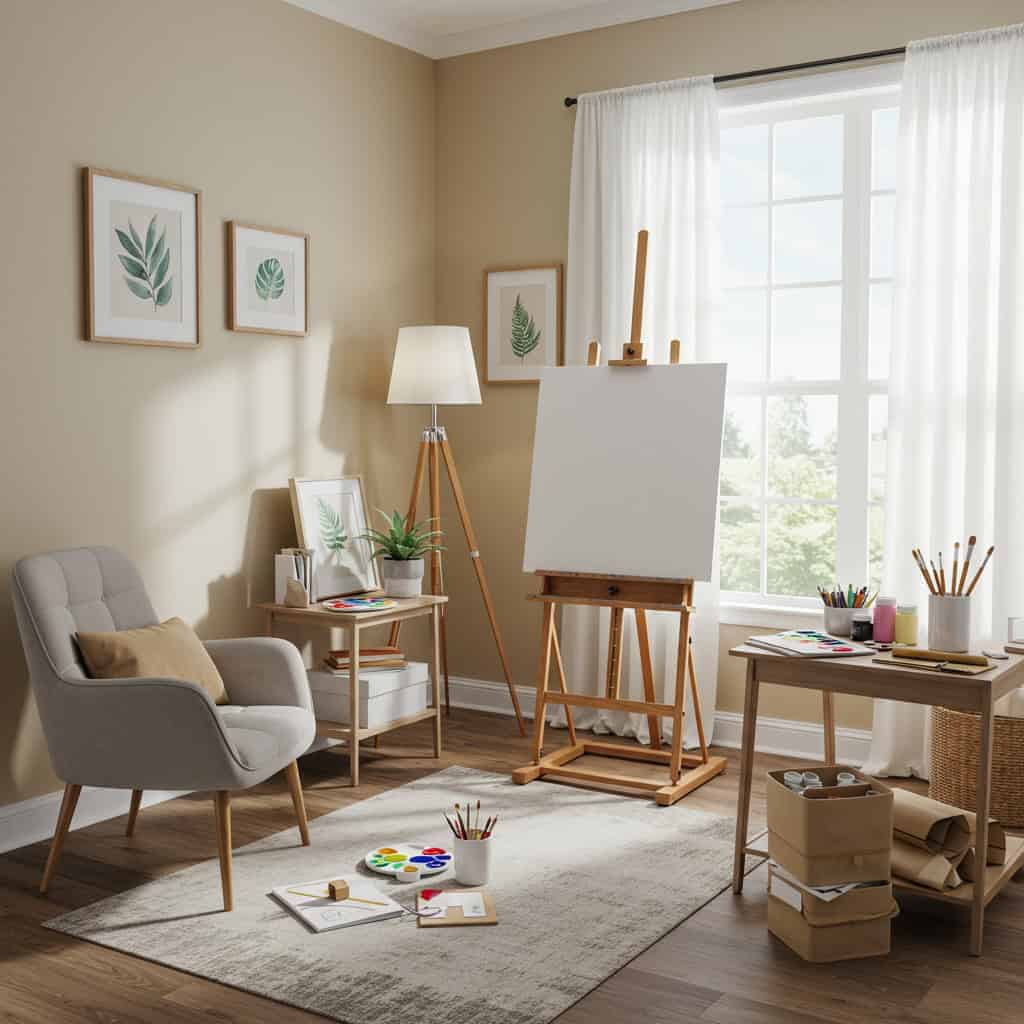
Setting aside an area for artistic expression, such as a corner for painting, drawing, or crafting, provides a constructive outlet for navigating grief. Engaging in art therapy enables individuals to process complex emotions and communicate feelings that may be difficult to verbalize. Creating a dedicated art space at home encourages ongoing healing and personal growth.

7. Soundscapes and Music Rooms

7. Soundscapes and Music Rooms
Image Source: Generated by Google Gemini

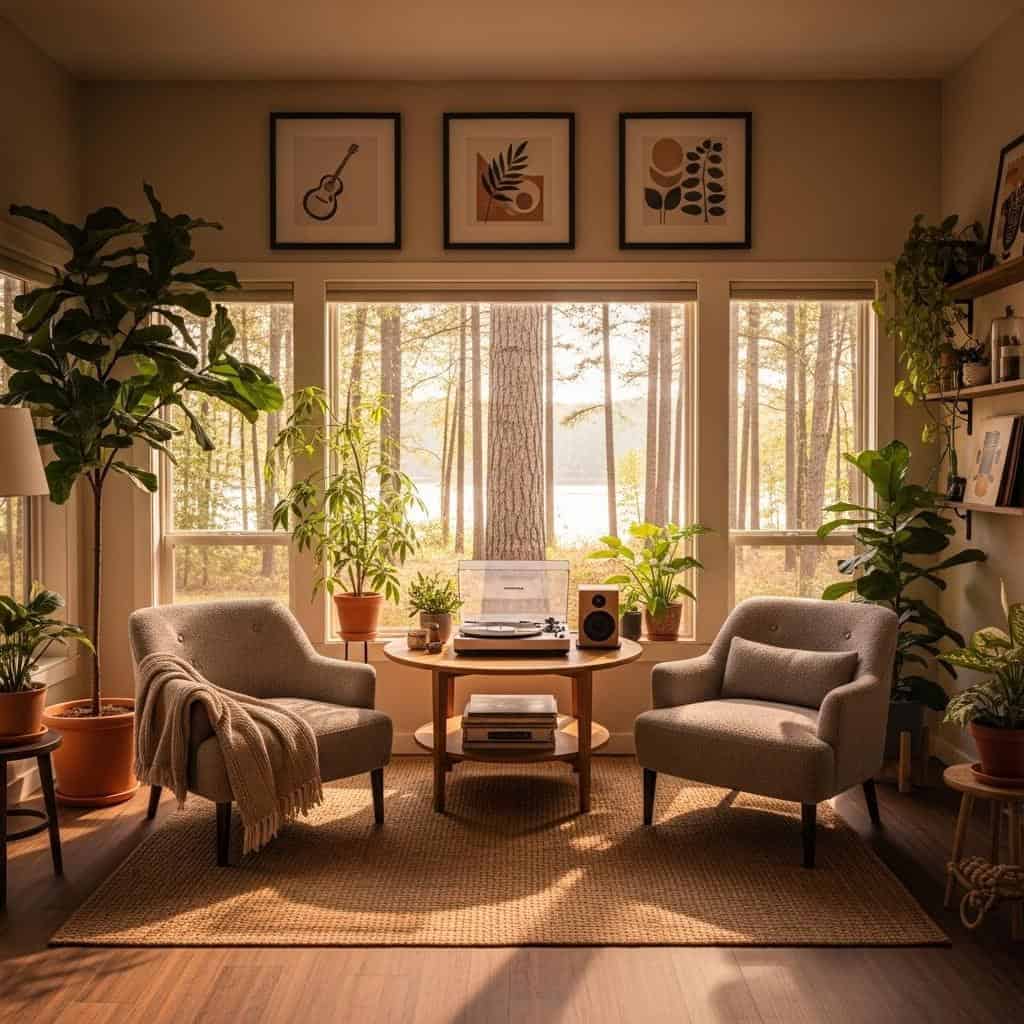
Incorporating gentle music or soothing nature sounds into a dedicated space can provide significant comfort during times of loss. Whether through a cozy music room or a thoughtfully placed speaker for calming playlists, these soundscapes help nurture emotional balance and relaxation.

8. Legacy Libraries

8. Legacy Libraries
Image Source: Generated by Google Gemini

Creating a legacy library—a space or shelf displaying the cherished books, journals, or literary favorites of a loved one—offers a meaningful tribute. This special area encourages moments of quiet reflection while celebrating the unique interests and stories of those who have passed. Such libraries can become gathering points for shared memories and inspiration.

9. Memorial Jewelry Displays

9. Memorial Jewelry Displays
Image Source: Generated by Google Gemini

Arranging a special display for treasured jewelry—such as lockets, rings, or bracelets—allows meaningful pieces to remain visible and cherished. Using shadow boxes or elegant glass cases both preserves and honors these keepsakes, making memories tangible and accessible.

10. Sensory Spaces

10. Sensory Spaces
Image Source: Generated by Google Gemini

Designing spaces that gently stimulate the senses can significantly support emotional healing. Features like aromatherapy diffusers, plush textured pillows, or soothing color palettes help regulate mood and promote relaxation. These sensory elements are often integrated into grief therapy environments to provide comfort and stability.

11. Handwritten Letter Boxes

11. Handwritten Letter Boxes
Image Source: Generated by Google Gemini

Keeping a decorative box filled with handwritten notes, letters, or cards creates a meaningful and tangible connection to loved ones who have passed. The simple act of opening the box and reading these heartfelt messages can become a comforting ritual, offering solace and cherished memories.

12. Digital Memory Albums

12. Digital Memory Albums
Image Source: Generated by Google Gemini

Digital memory albums, whether in the form of rotating photo frames or curated online galleries, provide a convenient and accessible way to celebrate treasured moments. These albums can be easily updated and shared with family and friends, making them a living tribute to loved ones. Displaying digital memories in the home keeps connections strong and stories alive.

Conclusion

Conclusion
Image Source: Generated by Google Gemini

Thoughtful design can be a vital part of the healing journey, providing solace and an ongoing sense of connection to those we have lost. Each idea—whether a memory wall, sensory space, or digital album—offers unique ways to remember, reflect, and find comfort. By incorporating personal touches and creating intentional spaces, we honor our loved ones and nurture our own emotional well-being. For further guidance on healing after loss, visit Psychology Today’s grief resources.

Advertisement