The Future of Living Starts Here: What’s Next in Home Design

Julie Ann - October 23, 2025
Share

The landscape of home design is evolving rapidly, driven by transformative trends such as the adoption of sustainable materials, the rise of smart technology, and the need for flexible living spaces. Innovations in architecture and interior design now prioritize comfort, efficiency, and well-being, responding to both environmental challenges and shifting lifestyles. As homes become smarter and more adaptable, these advancements promise a future where our living spaces truly enhance daily life.

1. Smart Home Integration

1. Smart Home Integration
Image Source: Generated by Google Gemini

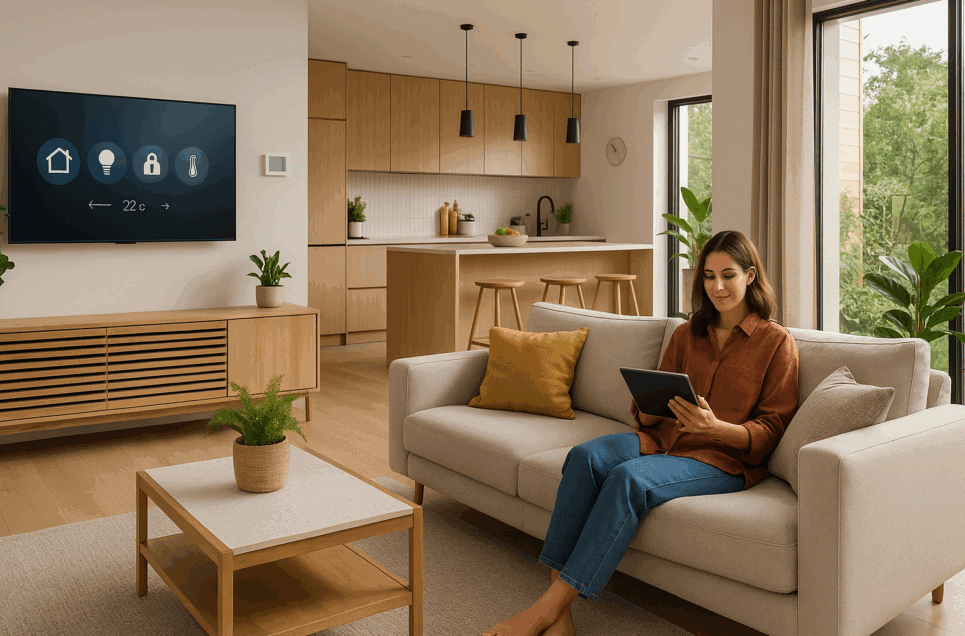
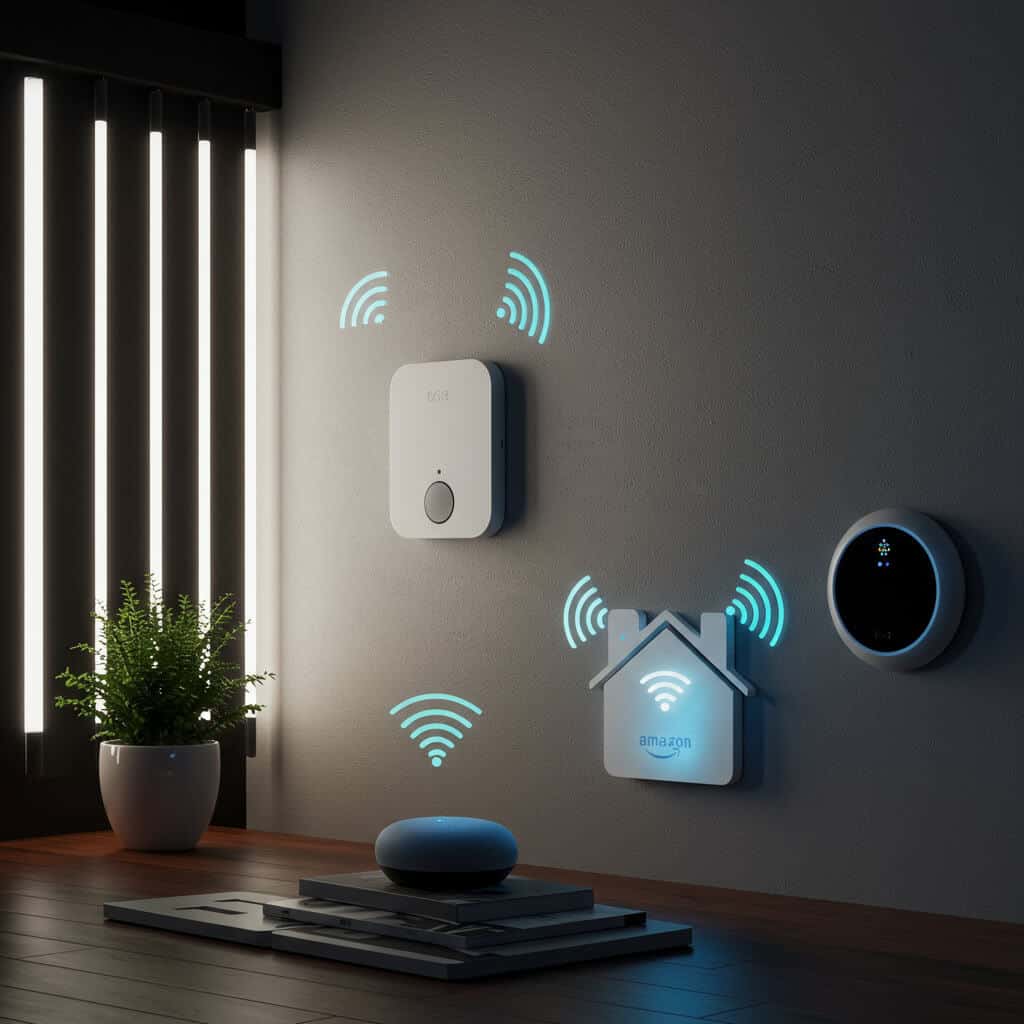
Smart home ecosystems are rapidly becoming the norm, connecting everything from lighting and security to climate control and appliances for effortless management. Voice assistants such as Amazon Alexa and Google Home showcase this evolution, enabling users to automate routines and control their homes from anywhere. With growing connectivity, device interoperability is steadily improving, paving the way for truly intelligent living environments. These advancements are shaping a future where convenience and efficiency are deeply integrated into everyday life.

2. Sustainable Materials

2. Sustainable Materials
Image Source: Generated by Google Gemini

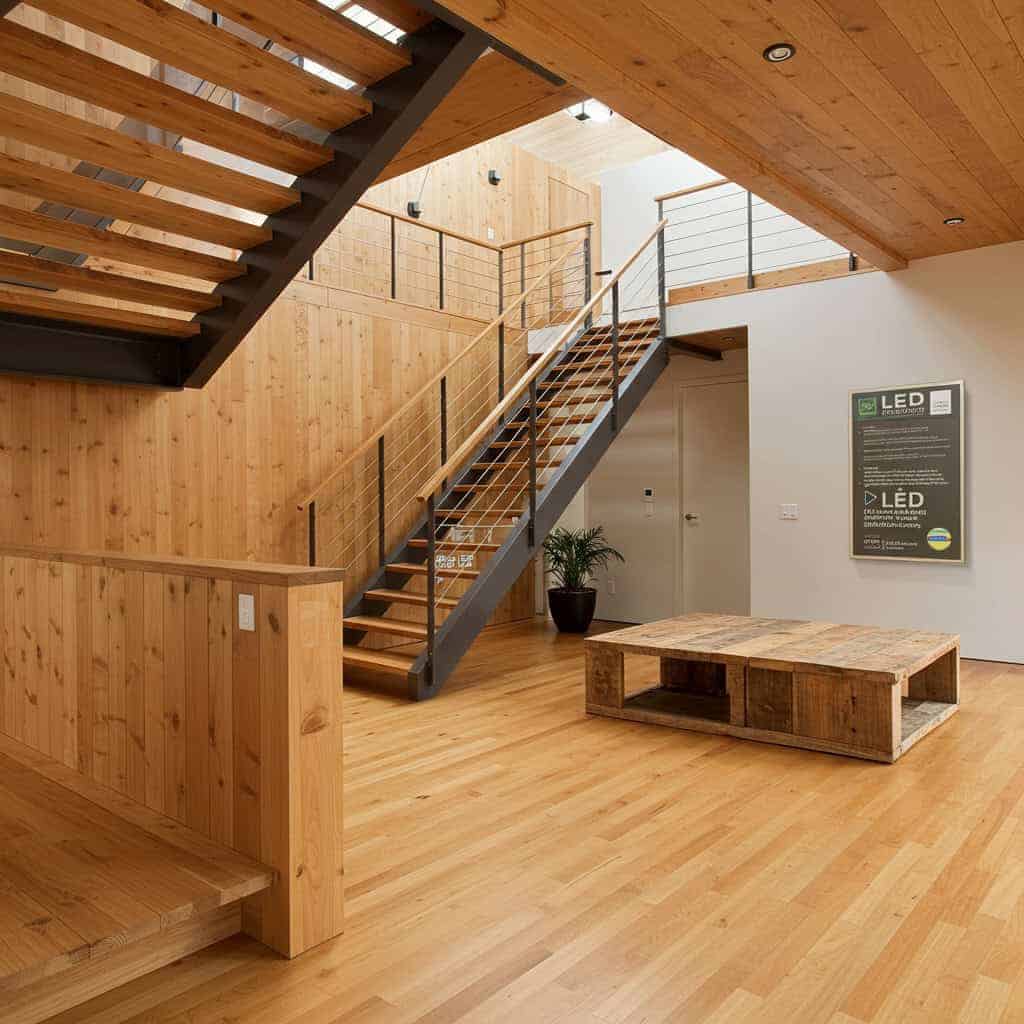
Eco-friendly construction is on the rise, as architects and designers increasingly opt for renewable resources like bamboo, recycled steel, and reclaimed wood. Green building standards, such as LEED certification, are propelling the shift toward sustainability, helping reduce environmental impact and boost energy efficiency. Today’s homes effortlessly combine style with responsibility, proving that design can benefit both people and the planet.

3. Flexible Living Spaces

3. Flexible Living Spaces
Image Source: Generated by Google Gemini

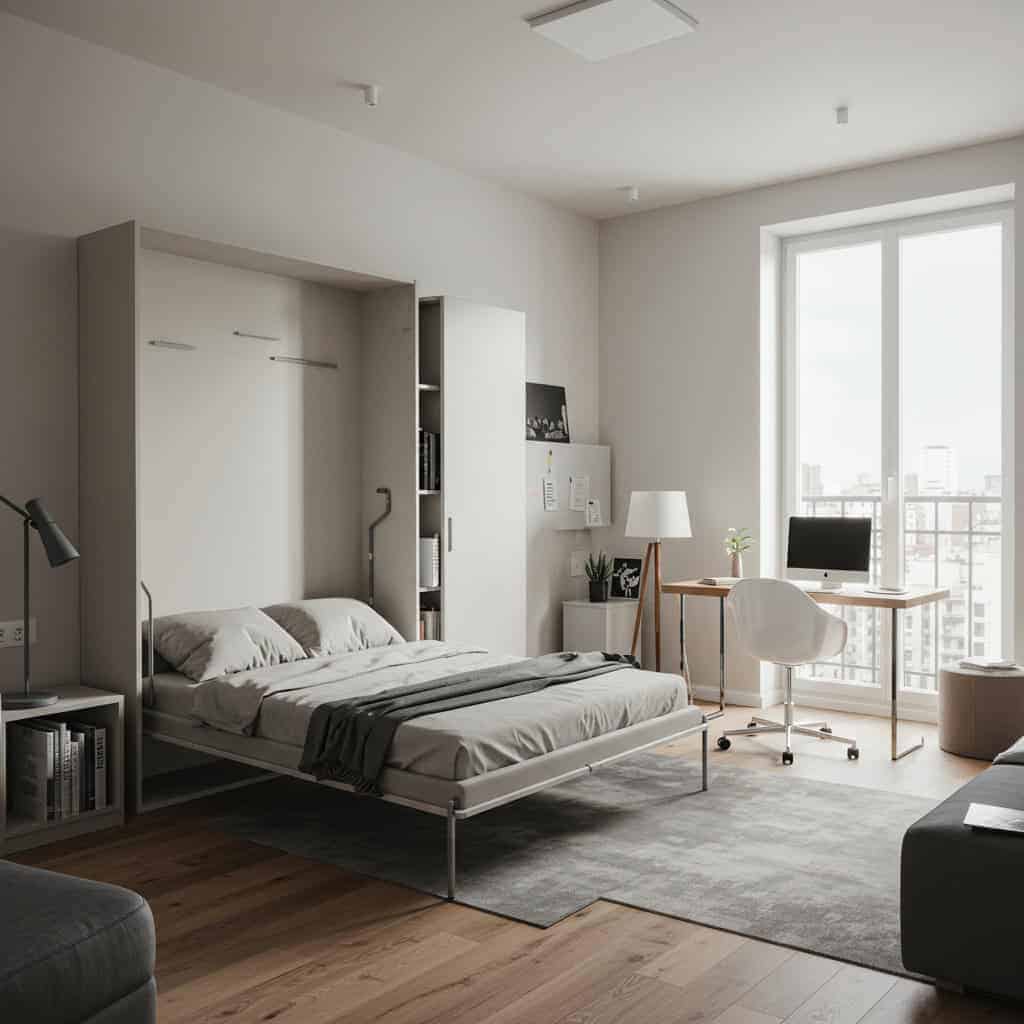
Adaptable floor plans that cater to work, study, and relaxation are increasingly sought after, especially in urban environments where space is limited. Features like movable walls, Murphy beds, and modular furniture enable rooms to serve multiple functions throughout the day. This flexible approach empowers homeowners to maximize every square foot, accommodating changing routines and preferences. As lifestyles continue to evolve, the demand for versatile living solutions is reshaping the way homes are designed.

4. Biophilic Design

4. Biophilic Design
Image Source: Generated by Google Gemini

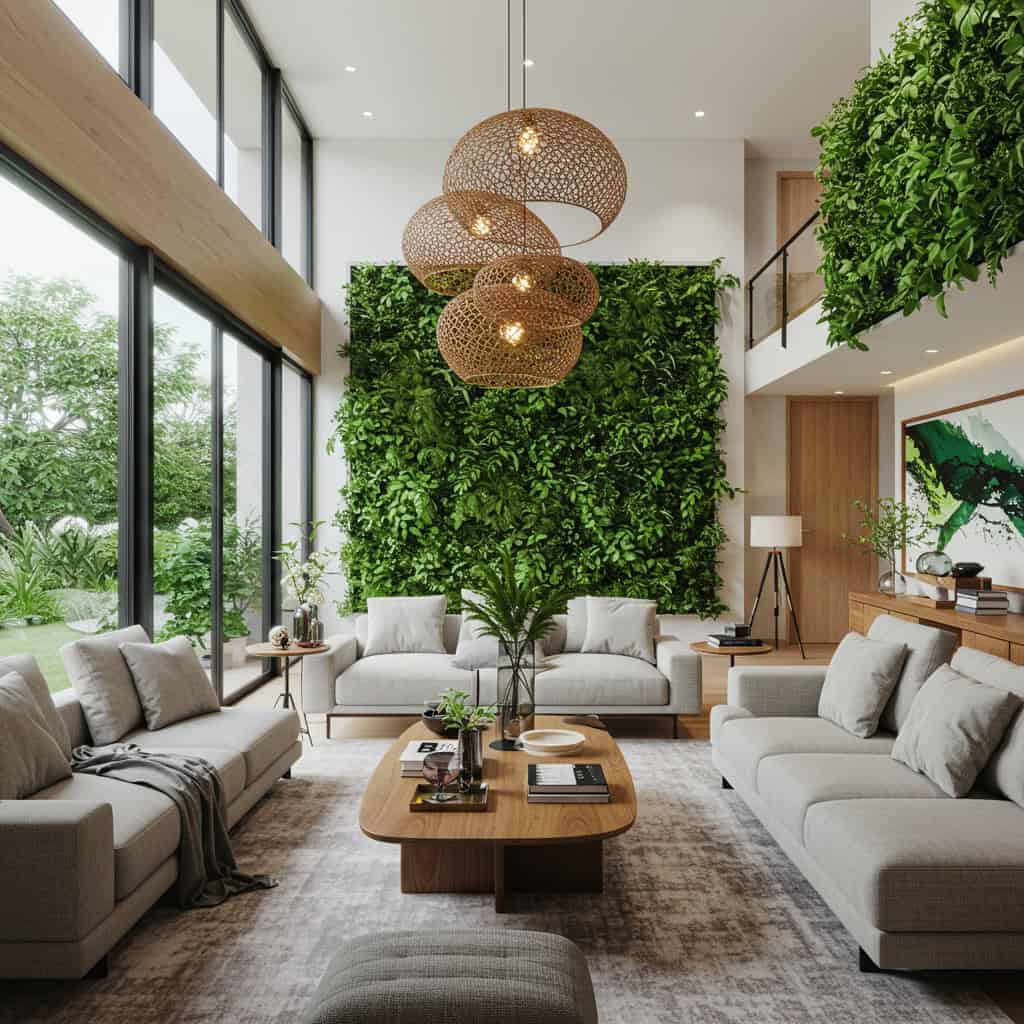
Biophilic design seeks to strengthen the connection between indoor spaces and nature by incorporating elements like natural light, indoor gardens, and organic materials. This approach is proven to enhance mental health and productivity, with studies showing that greenery supports overall well-being. Hallmarks of this trend include living walls, expansive windows, and abundant natural textures, all of which are increasingly featured in modern homes.

5. Net-Zero Energy Homes

5. Net-Zero Energy Homes
Image Source: Generated by Google Gemini

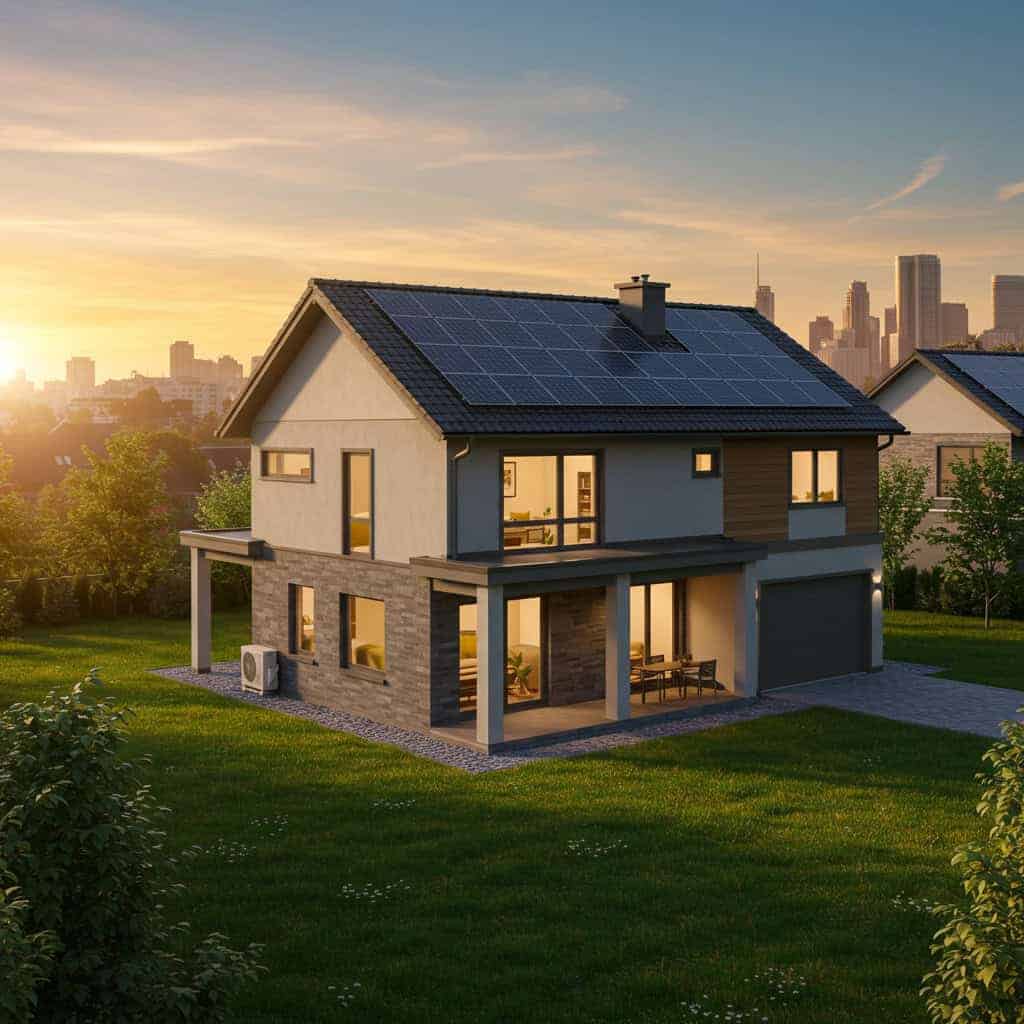
Net-zero energy homes—designed to generate as much energy as they consume—are becoming increasingly popular. By integrating solar panels, advanced insulation, and smart HVAC systems, these residences significantly reduce energy consumption and lower utility costs. This innovative approach not only supports sustainability but also offers a pathway for resilient urban development in the face of climate change. As more homeowners and builders embrace net-zero principles, these homes are setting a new standard for eco-friendly living.

6. Aging-in-Place Design

6. Aging-in-Place Design
Image Source: Generated by Google Gemini

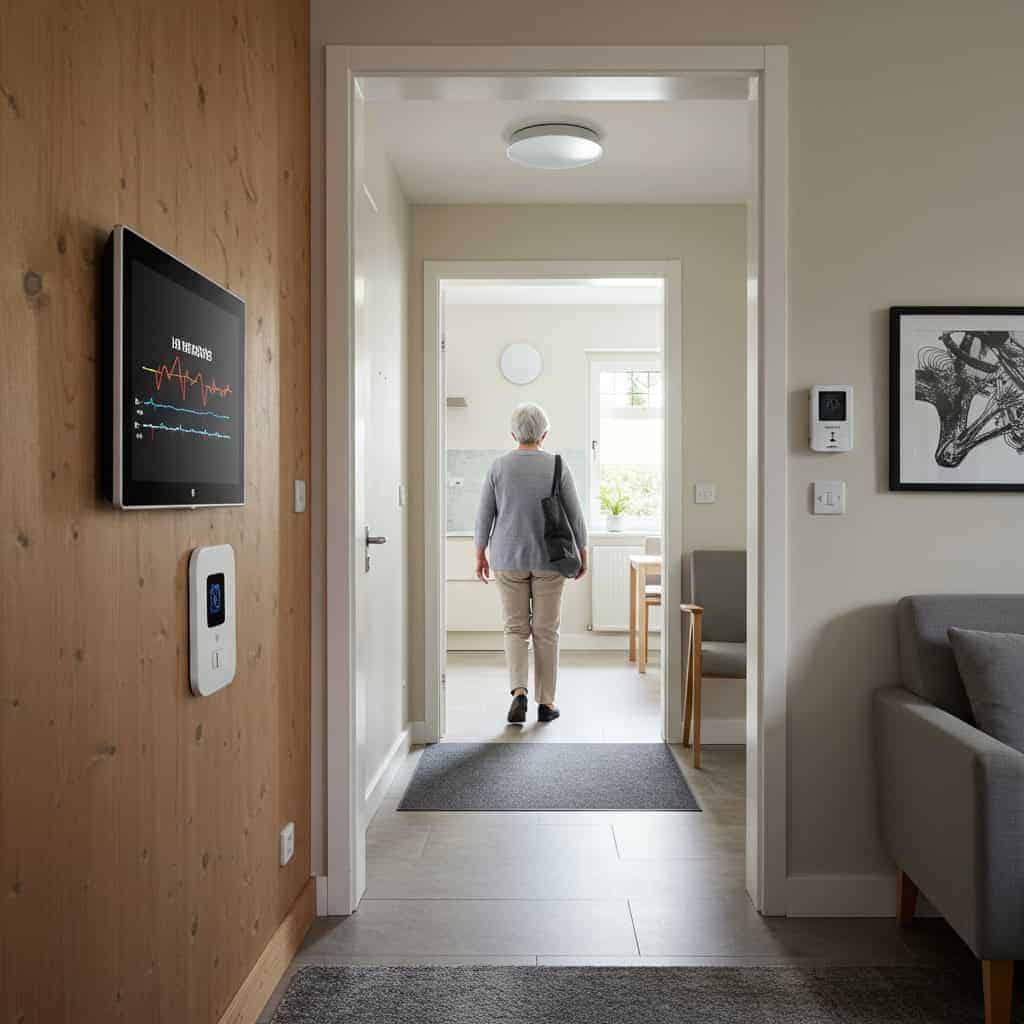
Universal design is transforming homes into accessible spaces suitable for people of all ages and abilities. Key features such as wider doorways, no-step entries, and integrated smart health monitoring systems allow residents to remain comfortable and independent as they age. This thoughtful approach minimizes the need for expensive renovations or relocation, making lifelong living at home a practical reality for many.

7. Advanced Home Security

7. Advanced Home Security
Image Source: Generated by Google Gemini

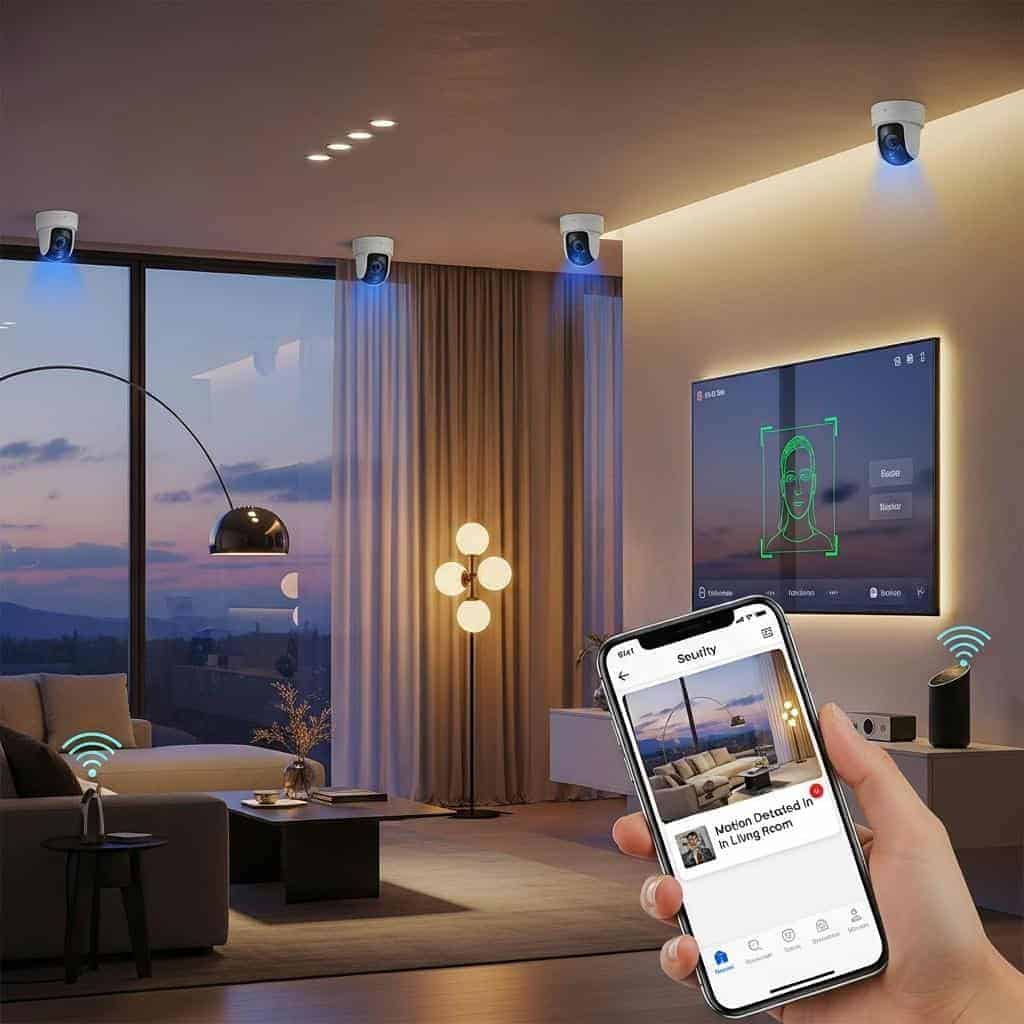
Home security is evolving rapidly thanks to AI-powered cameras, facial recognition technology, and sophisticated remote monitoring systems. These innovations deliver real-time alerts and seamlessly integrate with broader smart home platforms, ensuring comprehensive and convenient protection. Enhanced user interfaces and proactive threat detection make modern security systems easier to use and more effective in preventing incidents. As technology progresses, homeowners benefit from increased peace of mind and control over their environment.

8. Wellness-Oriented Features

8. Wellness-Oriented Features
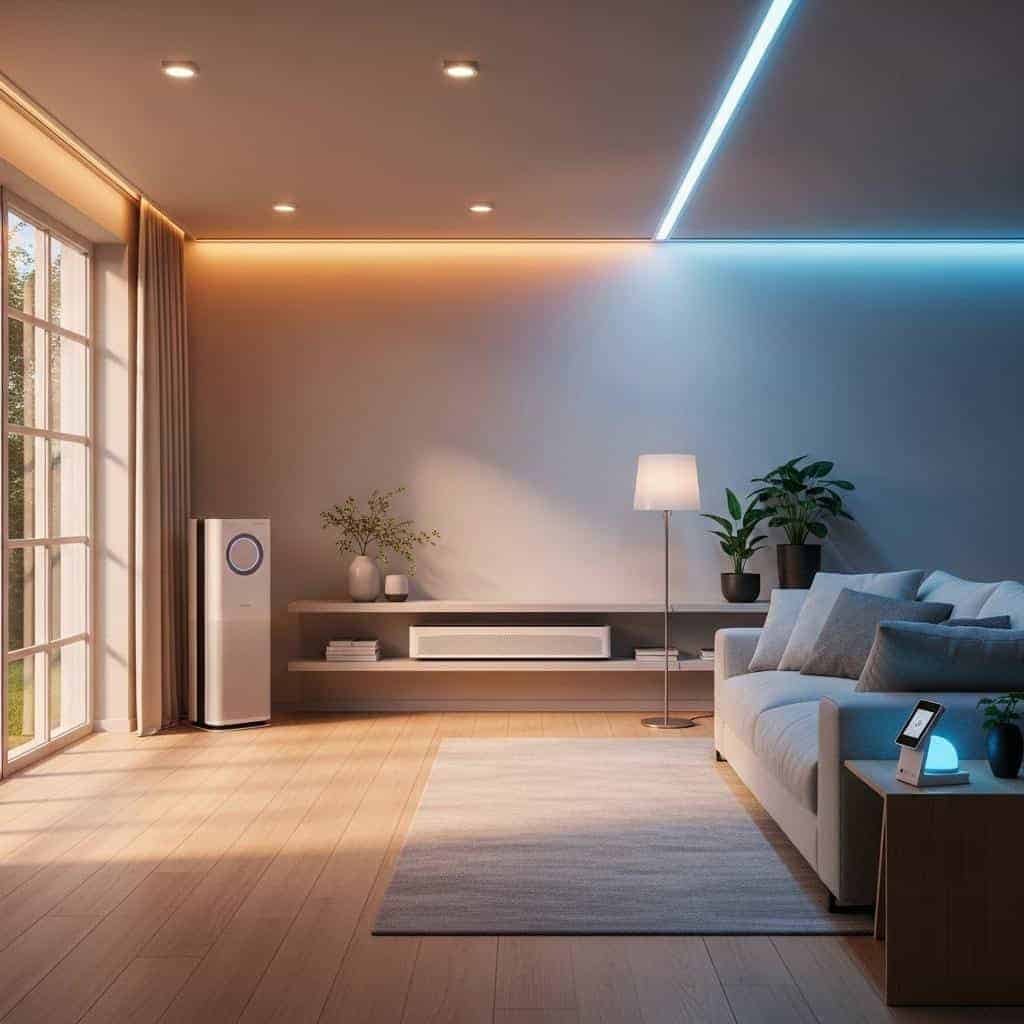
Modern homes integrate circadian lighting and air purification, prioritizing wellness and healthier living environments.

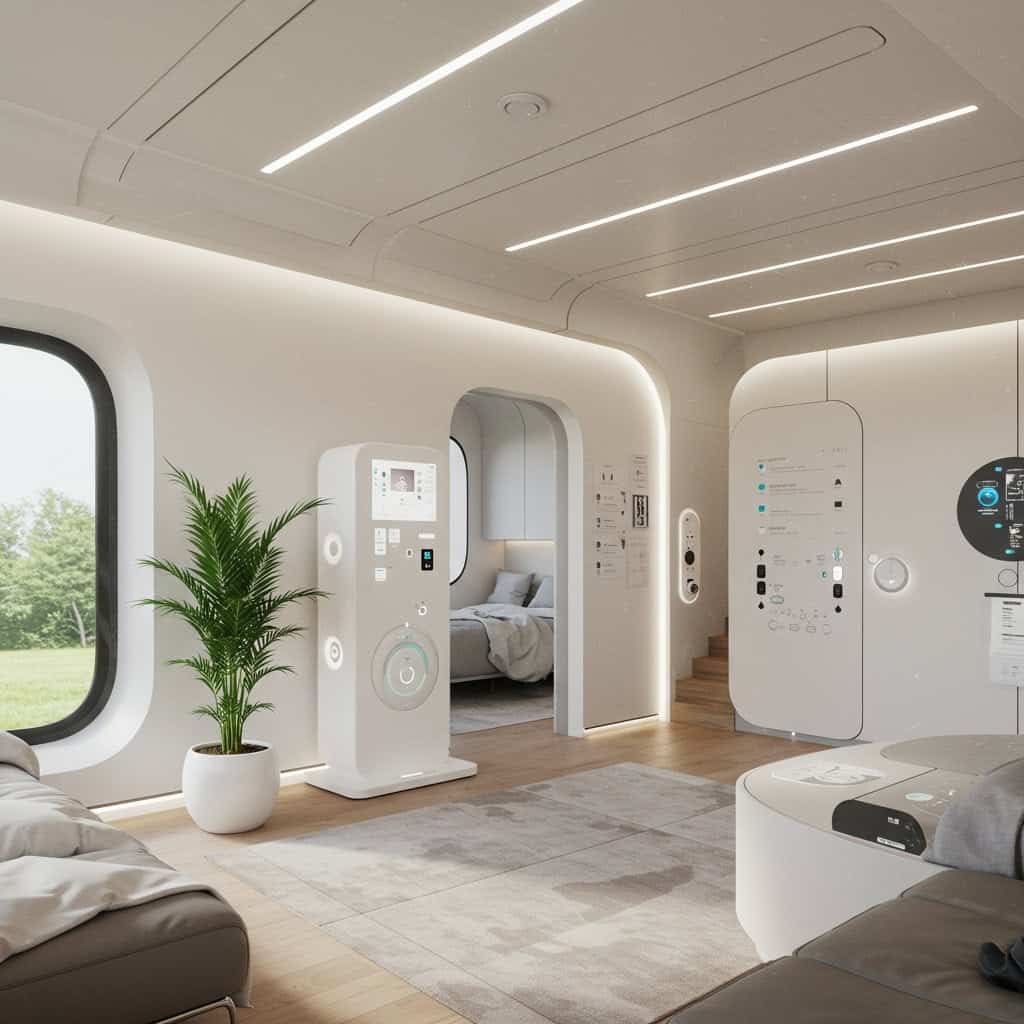
Modern home design is increasingly focused on wellness, with features like circadian lighting, advanced air purification systems, and touchless fixtures becoming standard. These innovations are designed to enhance both physical and mental health by optimizing indoor air quality and supporting natural sleep cycles. By prioritizing well-being, these features help create healthier living environments that cater to the needs of today’s homeowners.

9. Home Automation for Sustainability

9. Home Automation for Sustainability
Image Source: Generated by Google Gemini

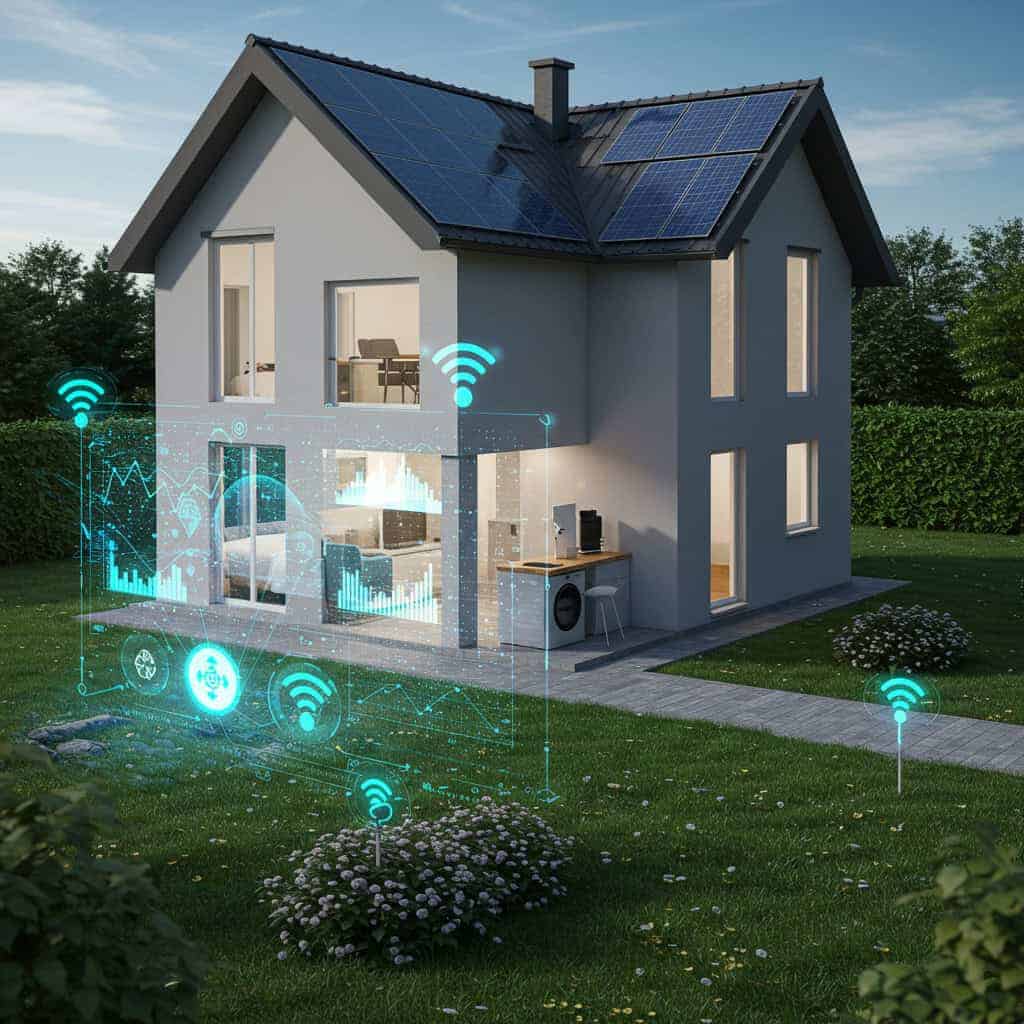
Automated home systems are revolutionizing sustainability by precisely managing energy, water, and waste to minimize consumption. Smart irrigation, adaptive lighting, and intelligent appliances adjust their usage according to occupancy patterns and weather conditions, ensuring optimal efficiency. These technologies not only reduce utility costs but also promote environmentally responsible living. The fusion of convenience and conservation is setting a new standard for the future of residential spaces.

10. 3D-Printed Homes

10. 3D-Printed Homes
Image Source: Generated by Google Gemini

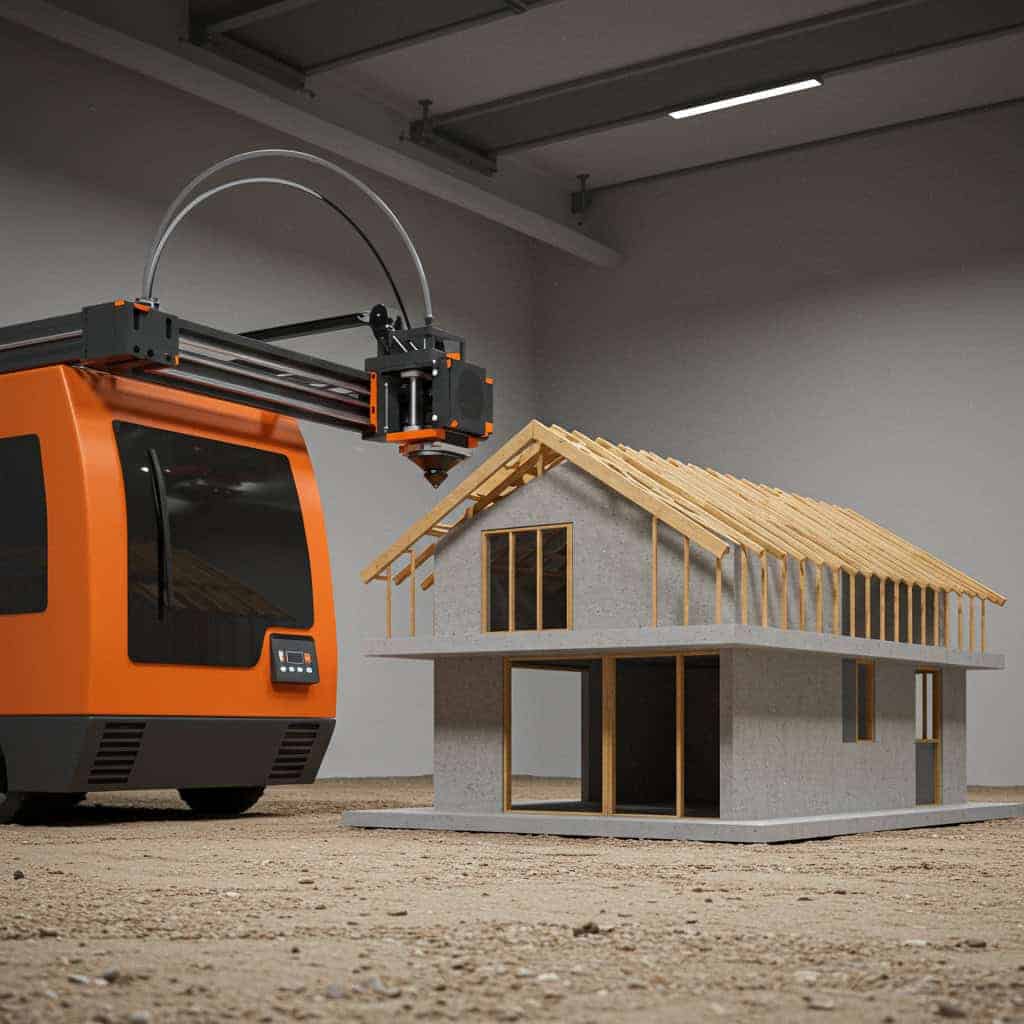
3D printing technology is transforming how homes are built, offering a faster and more cost-effective approach to construction. Entire houses can now be printed using materials like concrete or recycled composites, significantly reducing both waste and labor expenses. This innovative method opens up new possibilities for affordable and customizable housing, addressing global shortages and sustainability challenges. As adoption grows, 3D-printed homes are set to become a key solution for the future of residential living.

Conclusion

Conclusion
Image Source: Generated by Google Gemini

Emerging trends in home design are fundamentally redefining our living spaces. From smart home integration and wellness-oriented features to sustainable construction and adaptive layouts, these innovations create environments that are more efficient, comfortable, and responsive to our needs. The future of home design strikes a thoughtful balance between cutting-edge technology, environmental stewardship, and personal well-being, setting new standards for how we live.

Advertisement