10 Garden Layout Secrets That Change the Way You Use a Yard

Julie Ann - October 16, 2025
Share

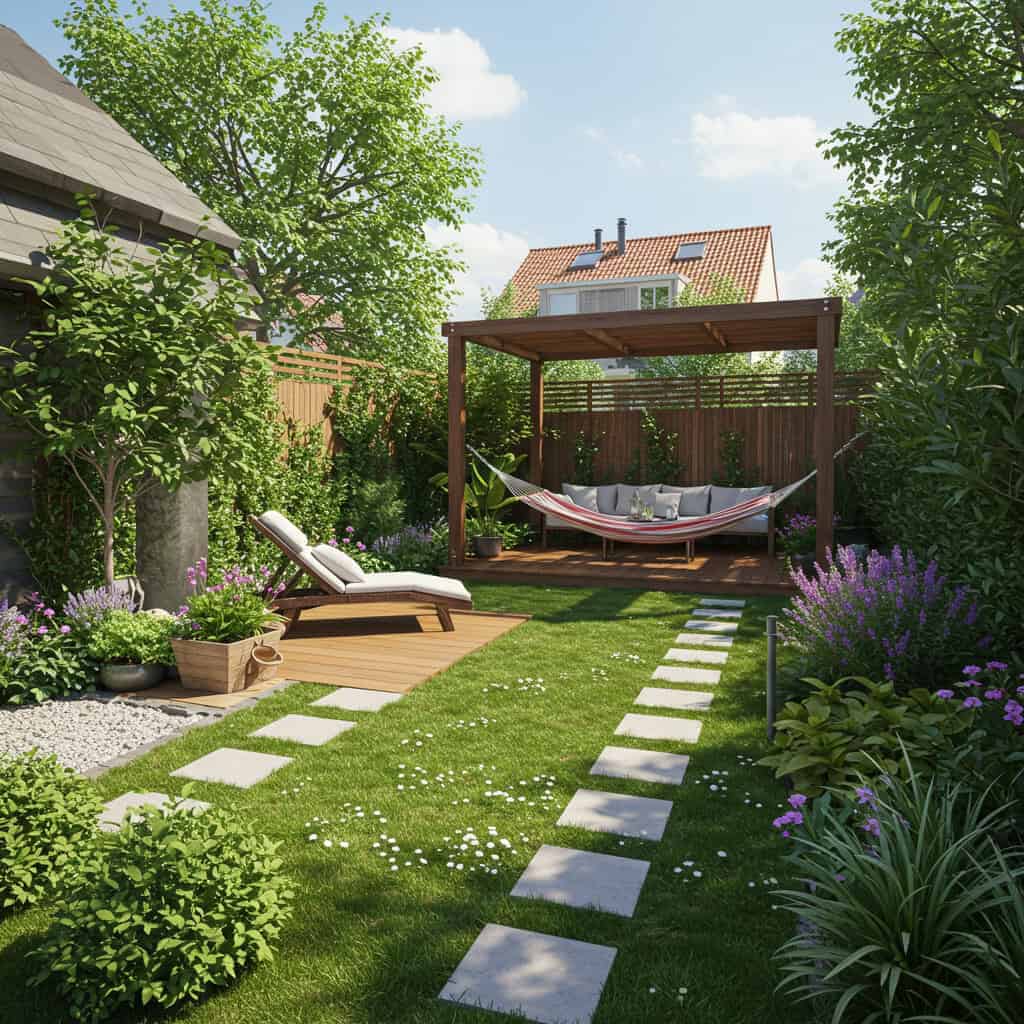
Discover how strategic garden layouts can transform outdoor spaces, maximizing function, beauty, and enjoyment. These expert-approved secrets go beyond traditional planting, revealing ways to create inviting retreats, productive beds, and visually stunning landscapes. Explore techniques that work in yards big or small, and uncover new possibilities for relaxation, entertaining, and sustainable living.

1. Embrace Zones for Different Activities

1. Embrace Zones for Different Activities
Image Source: Generated by Google Gemini

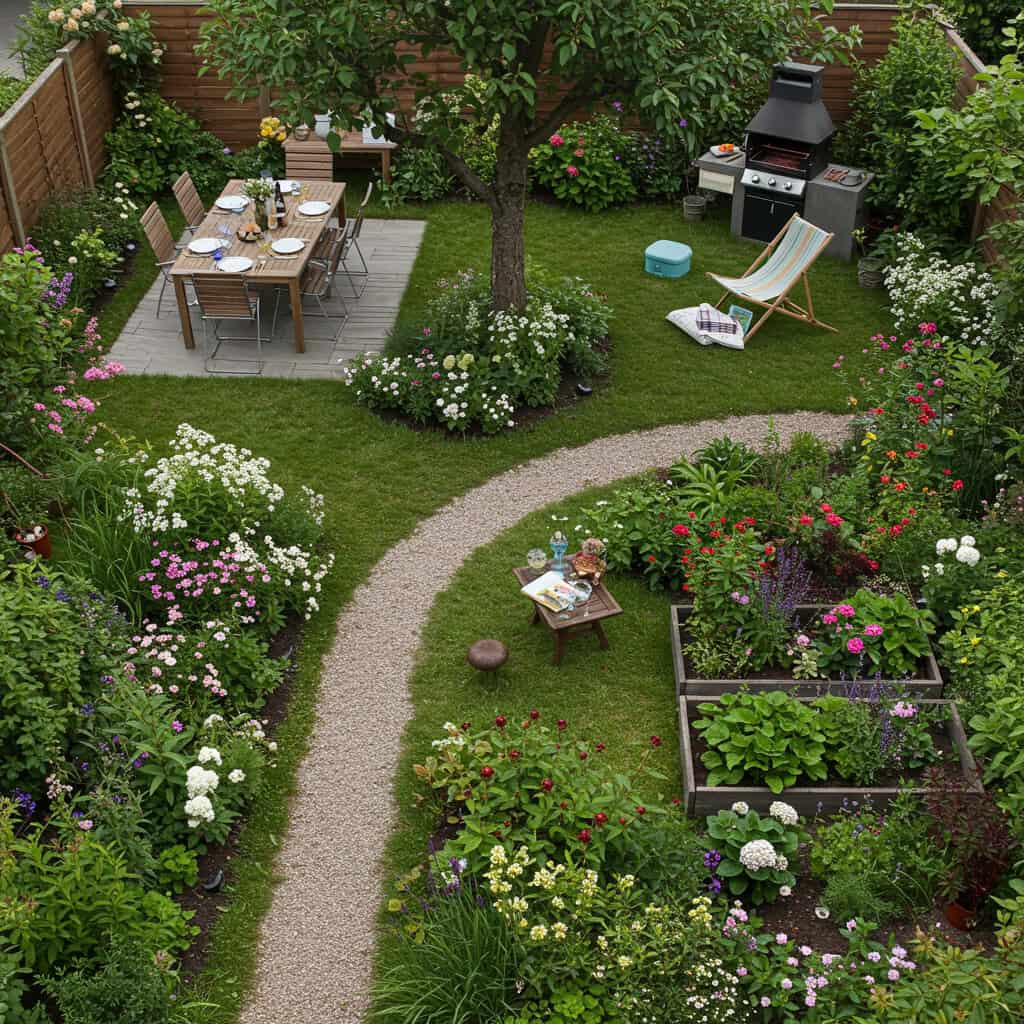
Designating zones—such as dining, relaxing, and gardening—maximizes every inch of your yard. For example, a quiet reading nook under a tree can coexist with a lively barbecue area. Zoning helps avoid clutter and ensures each activity has its own dedicated space. Creating defined areas encourages purposeful use and a more harmonious flow.

2. Use Paths to Guide Movement

2. Use Paths to Guide Movement
Image Source: Generated by Google Gemini

Well-laid paths create flow and guide visitors through your garden, connecting focal points and adding structure. Materials like gravel, stepping stones, or brick can define edges and invite exploration, ensuring no area is overlooked. Thoughtfully designed paths also help protect plants and manage foot traffic, making your yard more accessible and visually pleasing.

3. Layer Your Plantings for Depth

3. Layer Your Plantings for Depth
Image Source: Generated by Google Gemini

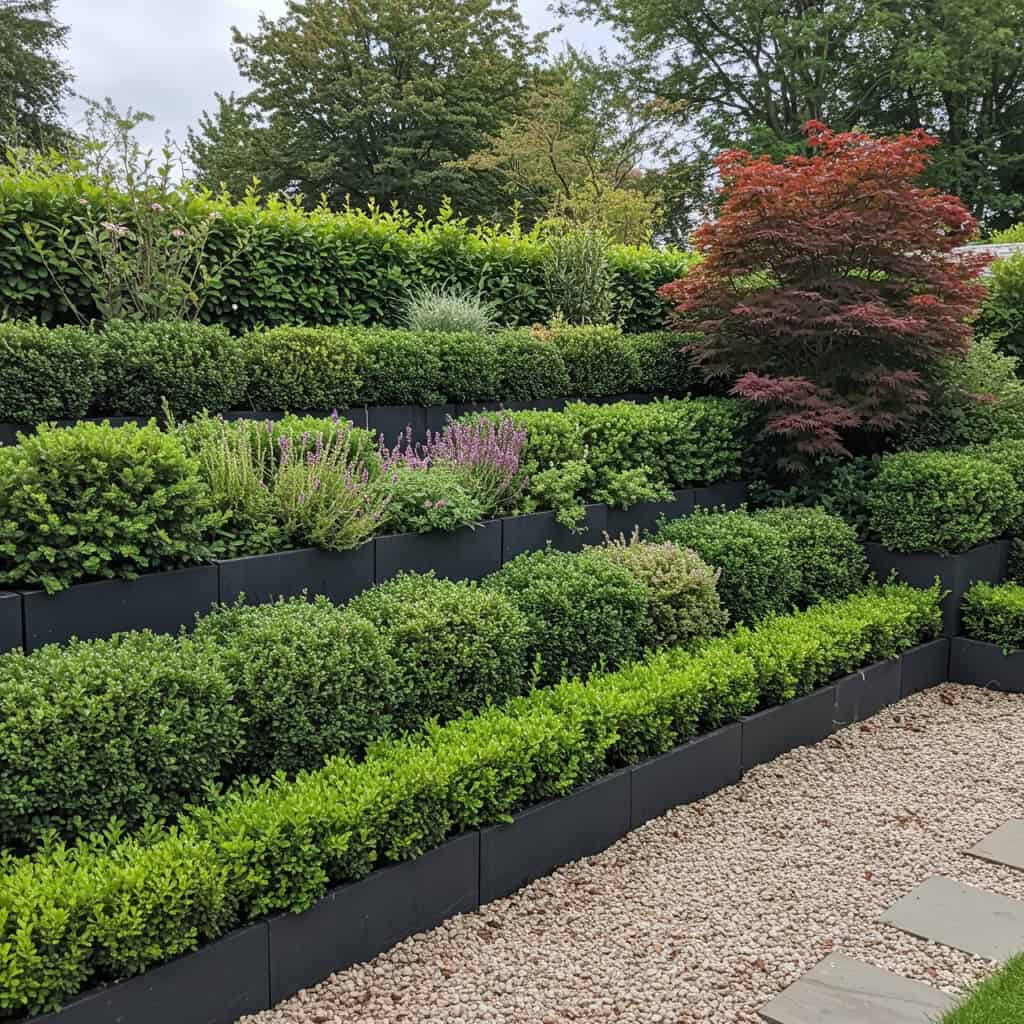
Layering tall, medium, and low plants adds dimension and lushness to any garden bed. This technique mimics natural ecosystems, helping to create a sense of fullness and movement while making even small yards appear more expansive. For best results, place shrubs or small trees at the back, perennials in the middle, and ground covers at the front. This structured approach enhances visual interest throughout the seasons.

4. Incorporate Vertical Elements

4. Incorporate Vertical Elements
Image Source: Generated by Google Gemini

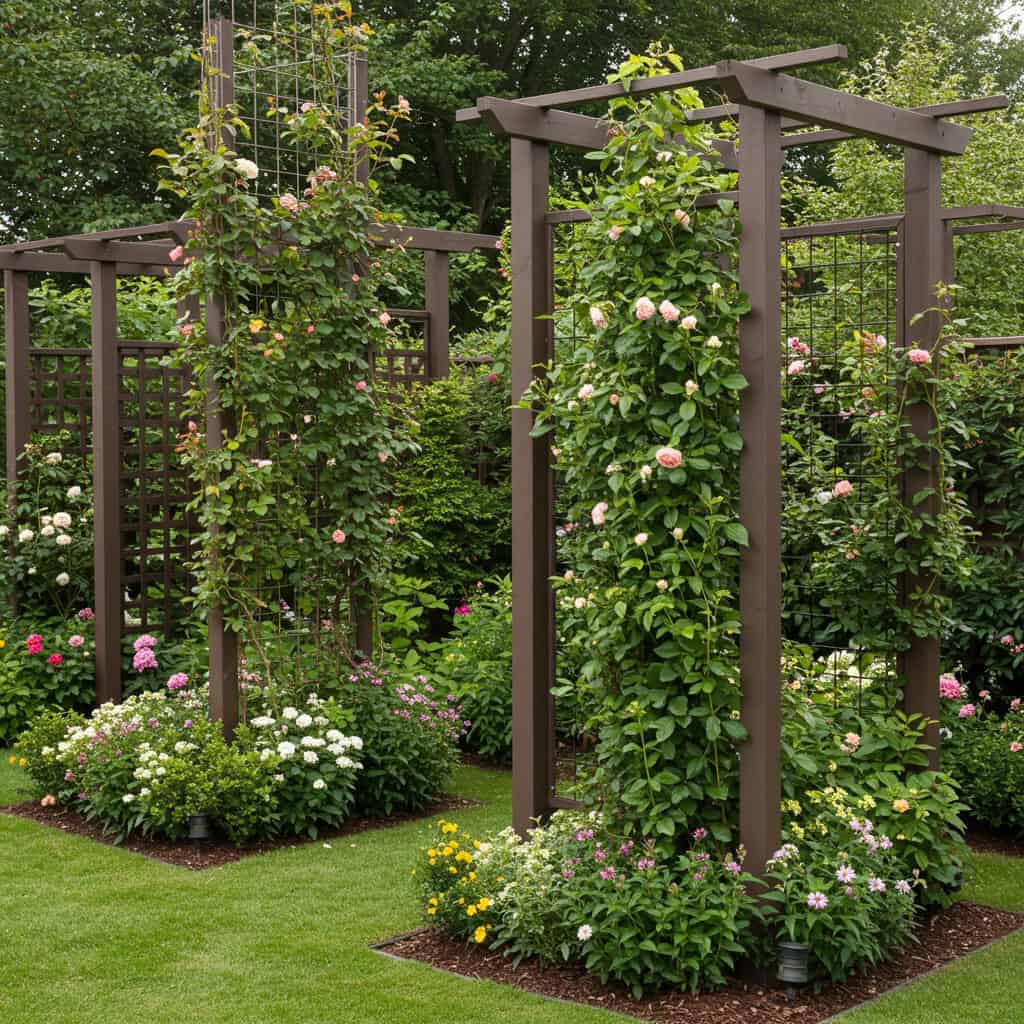
Trellises, arbors, and vertical gardens free up ground space while adding privacy or shade to your yard. Vertical elements are especially valuable in small gardens, allowing you to grow climbing roses, edible vines, or lush flowering plants upward instead of outward. These structures not only maximize planting area but also create visual interest and natural screening.

5. Plan for Year-Round Interest

5. Plan for Year-Round Interest
Image Source: Generated by Google Gemini

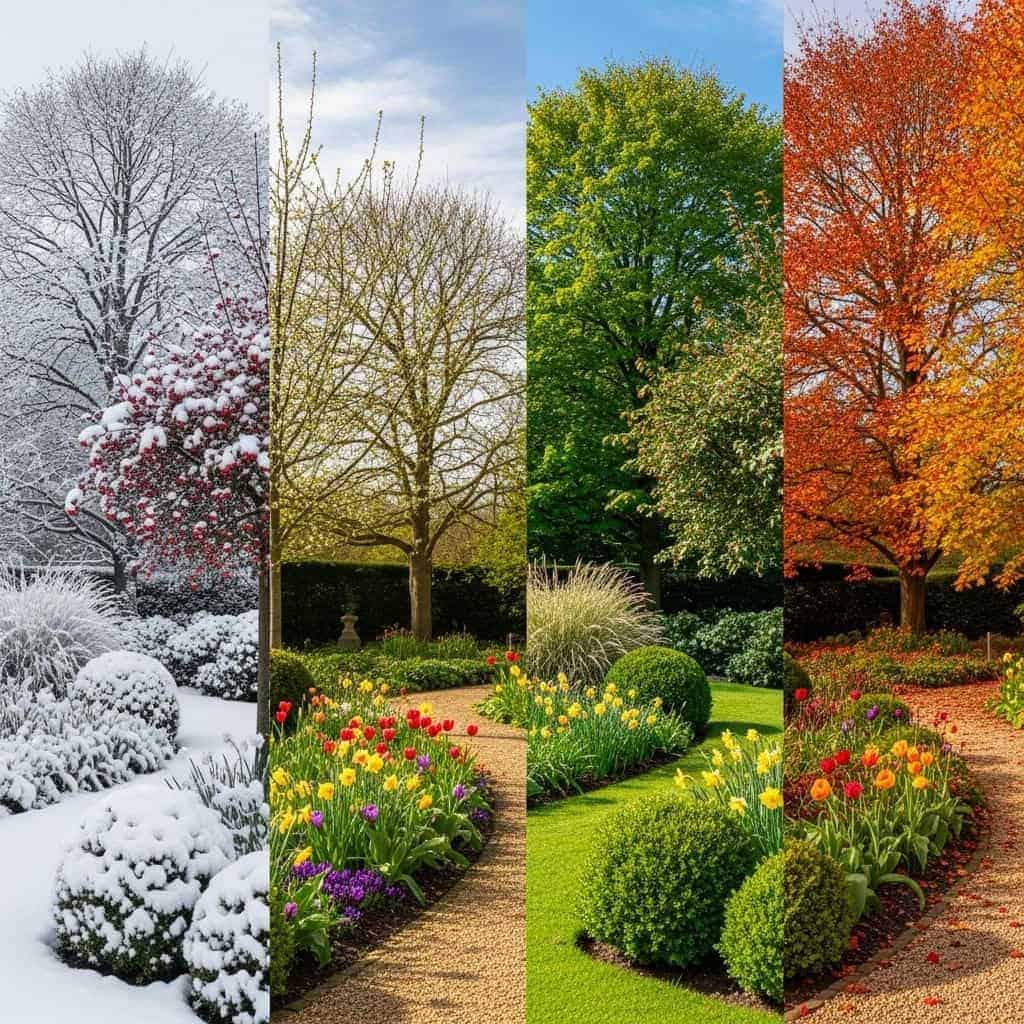
Mixing evergreen and deciduous plants, along with species that bloom at different times, ensures your garden remains attractive in every season. By including winter berries, ornamental grasses, and vibrant spring bulbs, you create ongoing visual appeal, even during the colder months. This thoughtful approach keeps your outdoor space lively and engaging year-round.

6. Create Focal Points

6. Create Focal Points
Image Source: Generated by Google Gemini

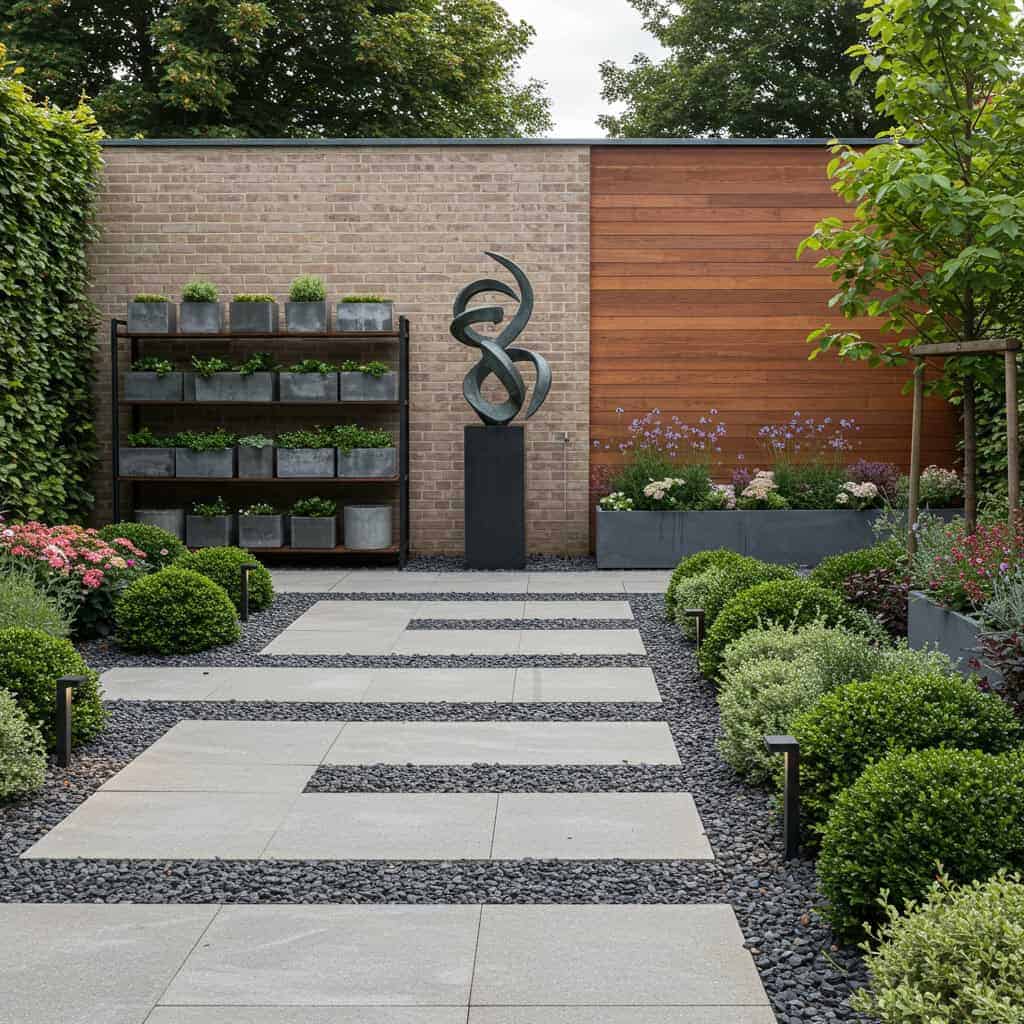
A standout feature, such as a sculpture, fountain, or specimen tree, draws the eye and anchors your garden design. Focal points help organize the layout and provide a sense of balance, making your space feel intentional and cohesive. Thoughtfully chosen focal elements also encourage exploration and add personality.

7. Use Edging to Define Spaces

7. Use Edging to Define Spaces
Image Source: Generated by Google Gemini

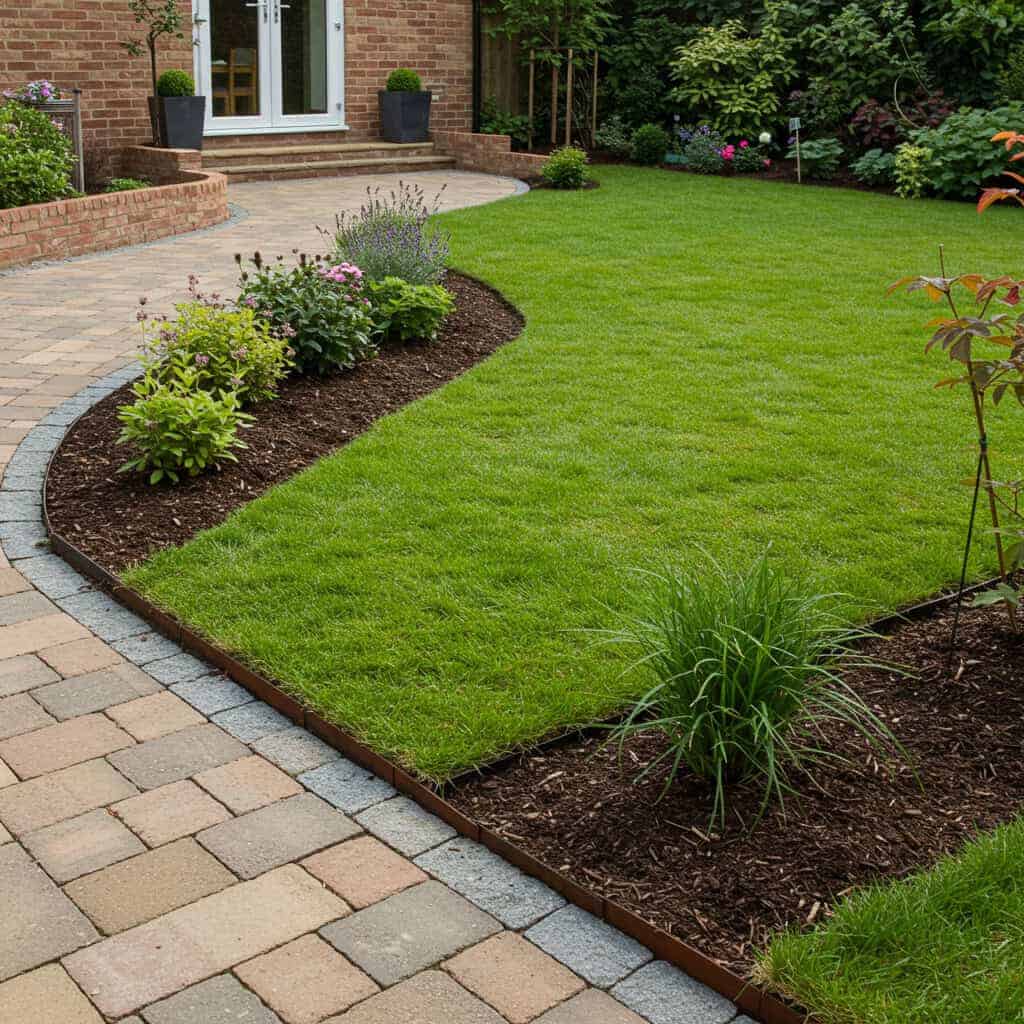
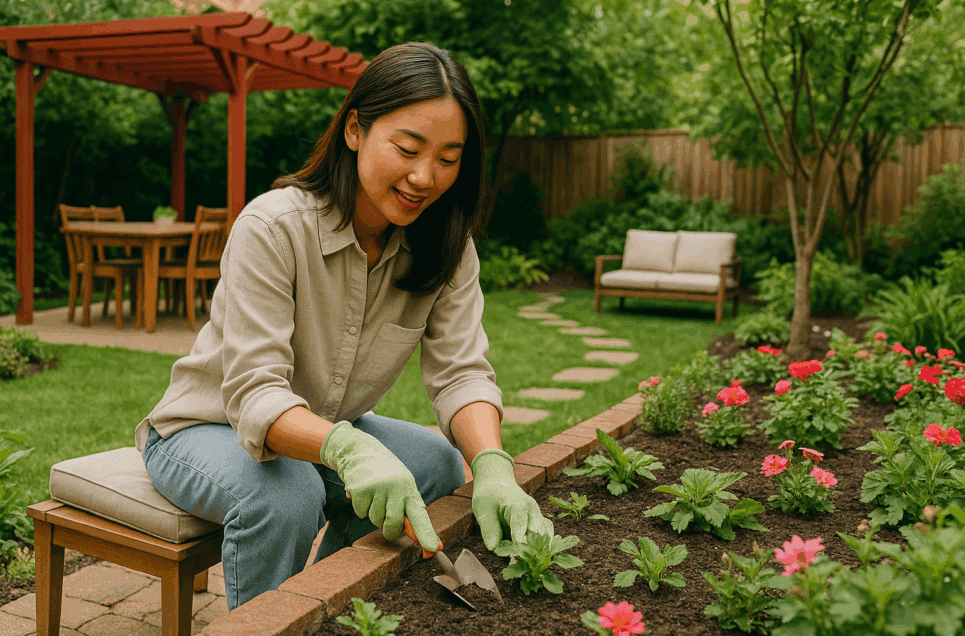
Crisp edging—using brick, stone, or metal—clearly separates your lawn, garden beds, and paths, giving your landscape a polished, organized appearance. Proper edging makes maintenance easier by keeping grass and weeds out of planting areas and reducing cleanup time.

8. Think About Sun and Shade

8. Think About Sun and Shade
Image Source: Generated by Google Gemini

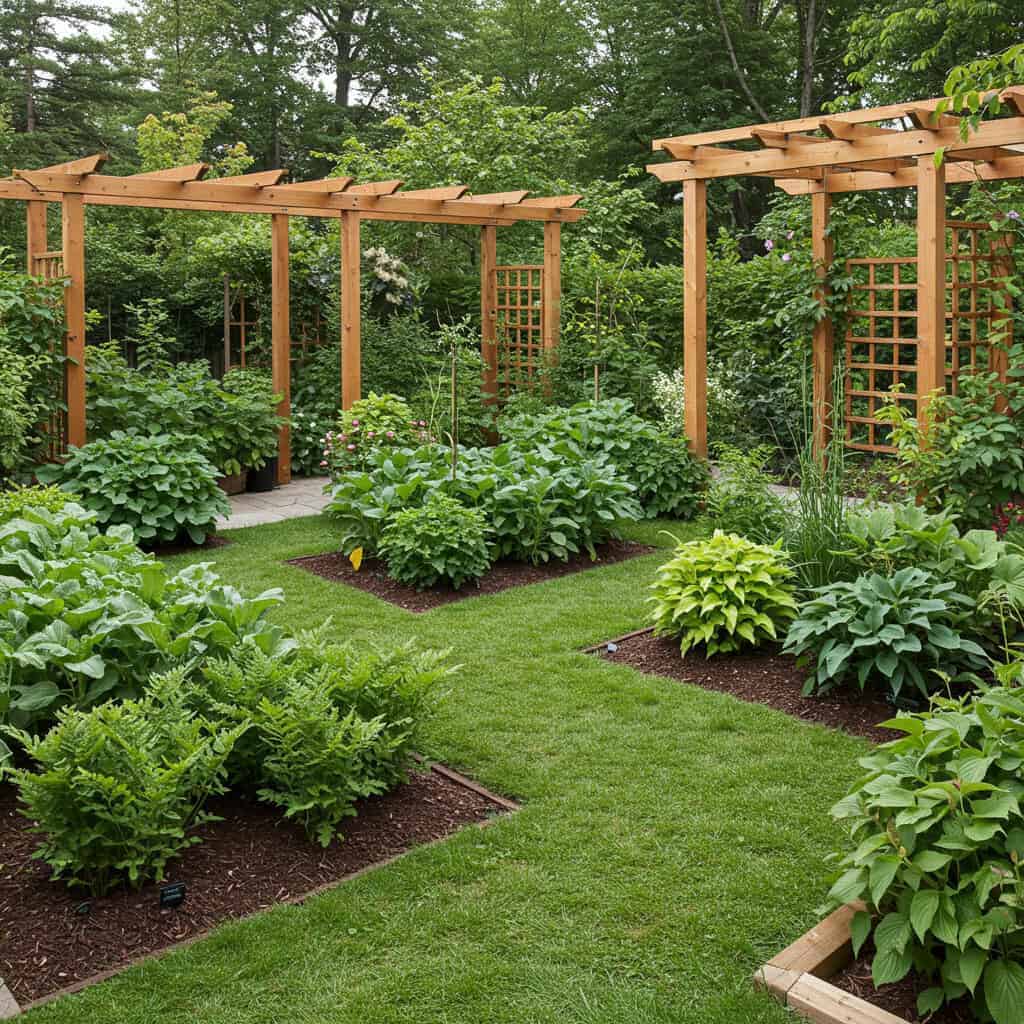
Mapping your yard’s sun and shade patterns is essential for placing the right plants in the right spots. Sun-loving vegetables thrive in full sun, while shade-tolerant ferns and hostas do best in cooler, sheltered areas. Incorporate taller plants, pergolas, or trellises to create shade where needed and improve plant health.

9. Integrate Seating and Gathering Spaces

9. Integrate Seating and Gathering Spaces
Image Source: Generated by Google Gemini

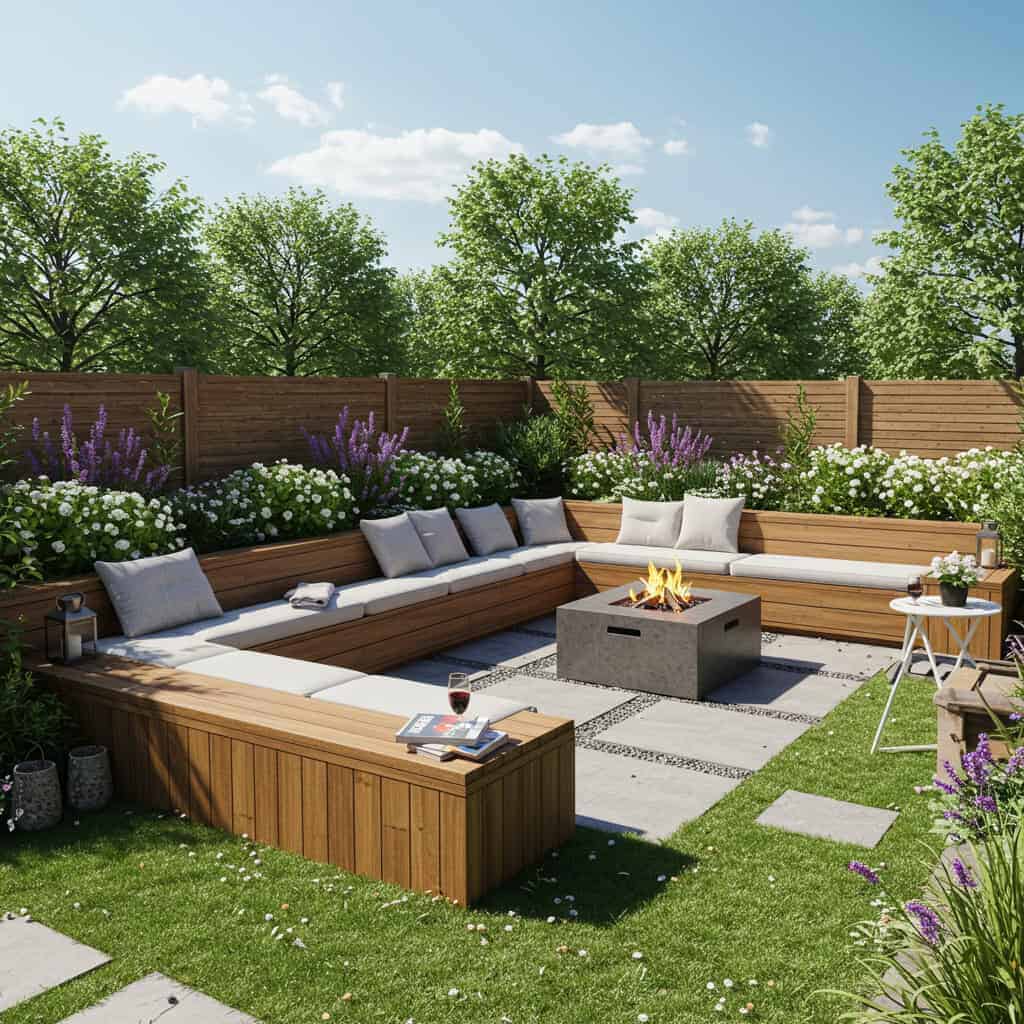
Benches, built-in seating, or a fire pit area transform your garden into a space for socializing and relaxation. Position seating to take in beautiful views or to benefit from natural shade, making your yard more inviting. Even compact options, like a bistro set tucked into a corner, can create a cozy retreat.

10. Add Water for Tranquility

10. Add Water for Tranquility
Image Source: Generated by Google Gemini

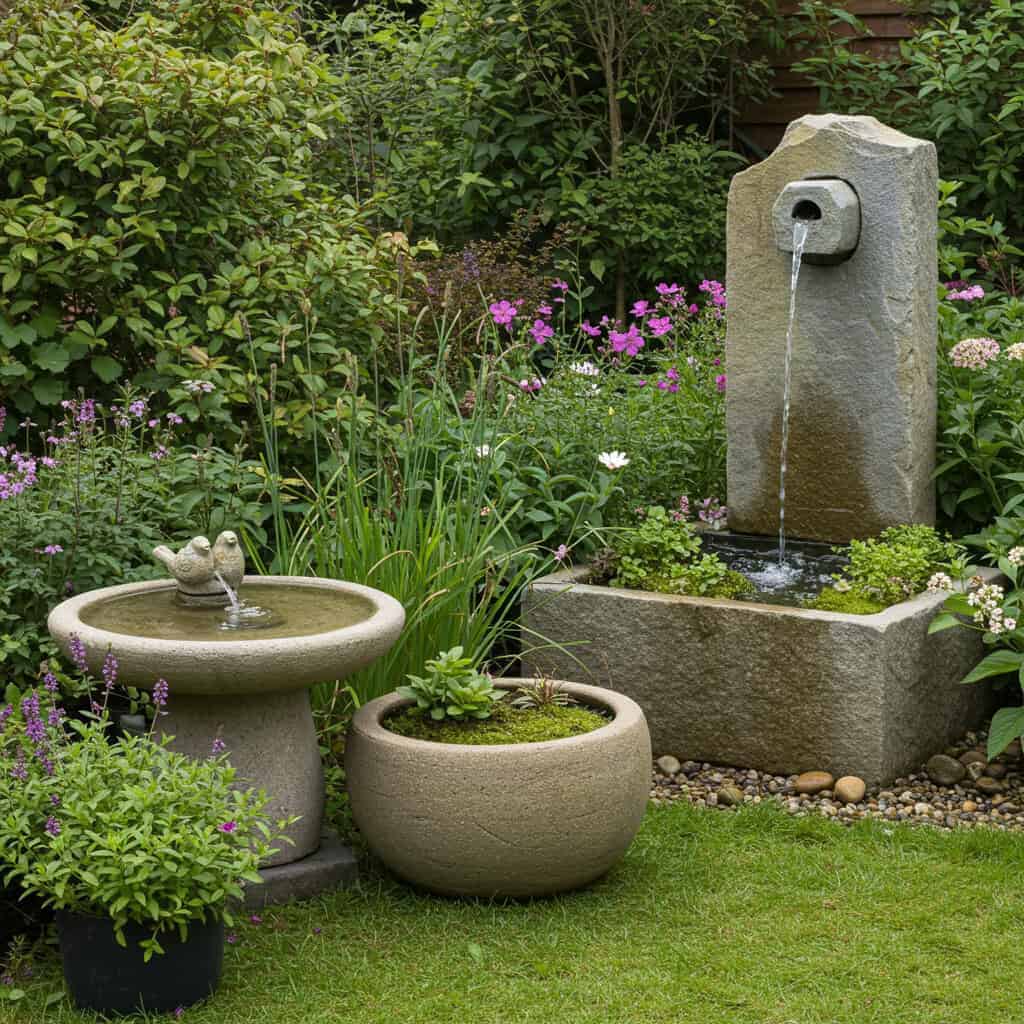
Water features, whether bubbling fountains, serene ponds, or simple birdbaths, bring soothing sounds and attract birds and pollinators to your yard. Even a small container water garden adds a sense of calm and enhances the atmosphere. Water elements can be adapted for any size space and are surprisingly easy to install.

Conclusion

Conclusion
Image Source: Generated by Google Gemini

Reimagining a yard with these layout secrets leads to a more functional, beautiful, and enjoyable outdoor space. By combining thoughtful design and creative touches, any garden can become a personal haven and a hub for gathering, relaxation, and growth.

Advertisement