13 Things in Your Home That Hold More History Than You Think

Julie Ann - October 9, 2025
Share

Many of the items scattered throughout your home carry a surprising legacy, shaped by centuries of innovation, culture, and everyday life. From the humble teacup to the unassuming light switch, these objects are more than just functional—they’re miniature time capsules. Join us as we delve into the fascinating origins and unexpected stories behind ordinary household possessions, revealing how the past lingers in the details of modern living.

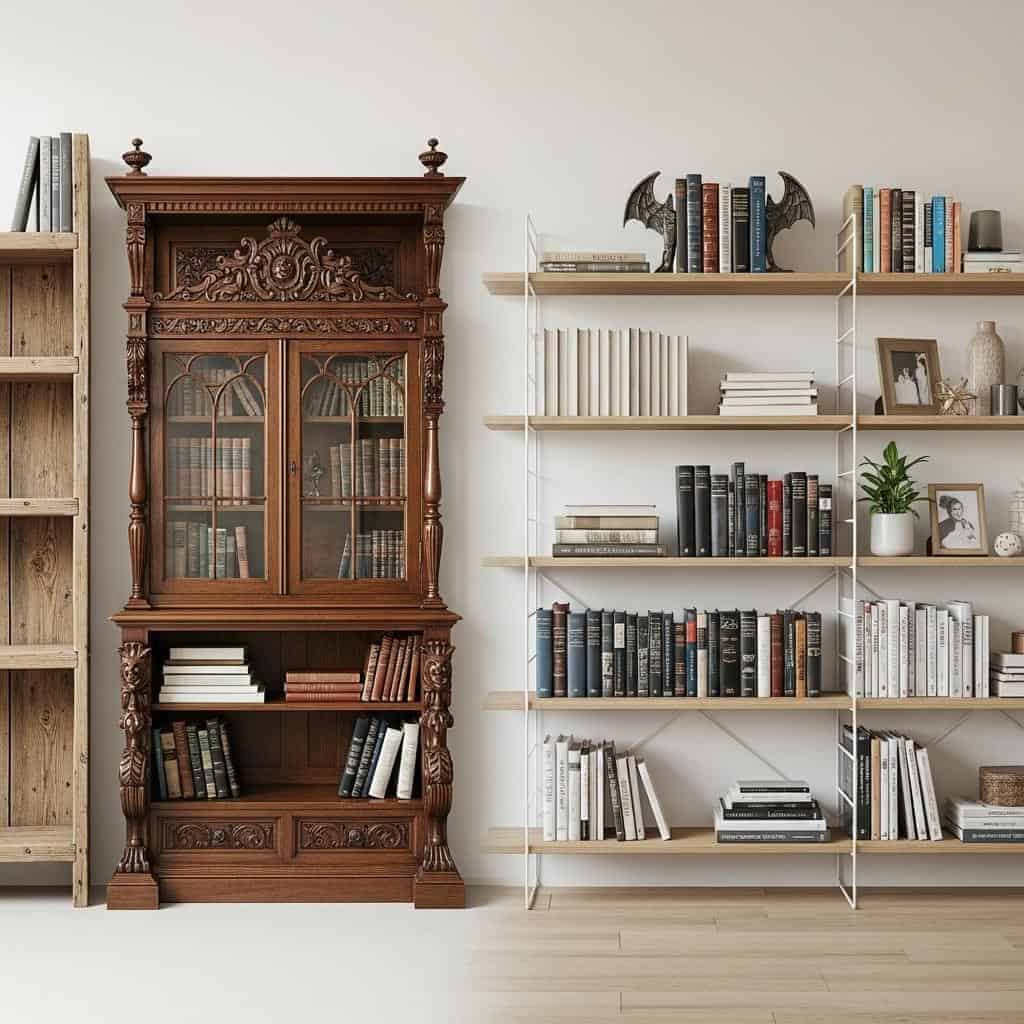
1. Bookshelves

1. Bookshelves
Image Source: Generated by Google Gemini

Bookshelves have a rich history, evolving from the rudimentary planks of ancient libraries to the intricate, decorative pieces prominent in Victorian homes. Their changing design across eras reflects shifting attitudes toward education, literacy, and the importance of display. The popularity of open shelving in the 20th century mirrored broader architectural and societal trends, emphasizing accessibility and openness. Today, a bookshelf continues to tell the story of a home and its inhabitants.

2. Mason Jars

2. Mason Jars
Image Source: Generated by Google Gemini

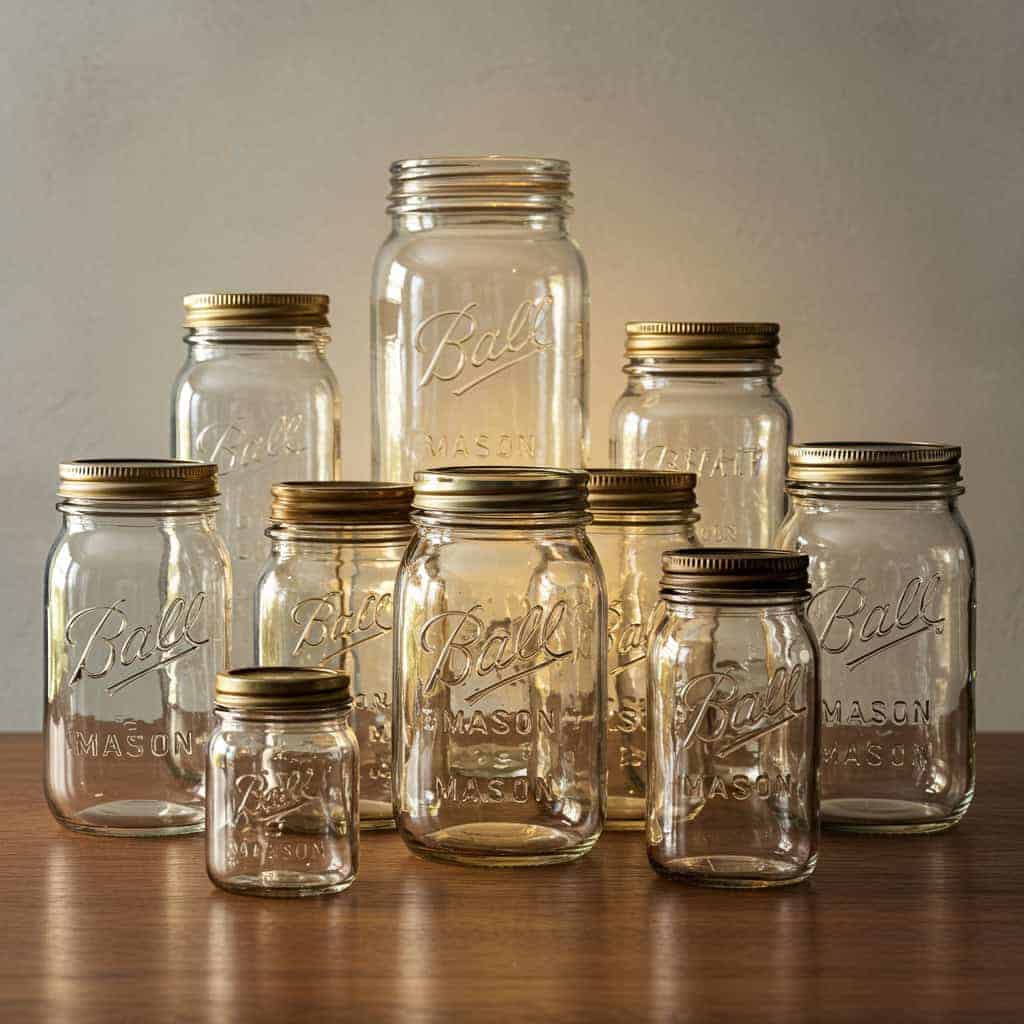
Invented in 1858 by John Landis Mason, mason jars transformed food preservation by providing an airtight seal that helped prevent spoilage. These jars became essential in American kitchens, especially during the Great Depression and World Wars, when home canning surged in popularity. Today, their vintage charm has sparked a revival, with mason jars now used for everything from storage to home décor.

3. Clocks

3. Clocks
Image Source: Generated by Google Gemini

Clocks, whether in the form of grand, ornate grandfather clocks or sleek, minimalist wall clocks, have long been symbols of both timekeeping and technological innovation. The earliest mechanical clocks appeared in the 14th century, revolutionizing the way people tracked time. Later, the advent of electric and digital clocks mirrored broader changes in industrialization, technology, and design sensibilities. Every household clock serves as a subtle marker of its historical context.

4. Quilts

4. Quilts
Image Source: Generated by Google Gemini

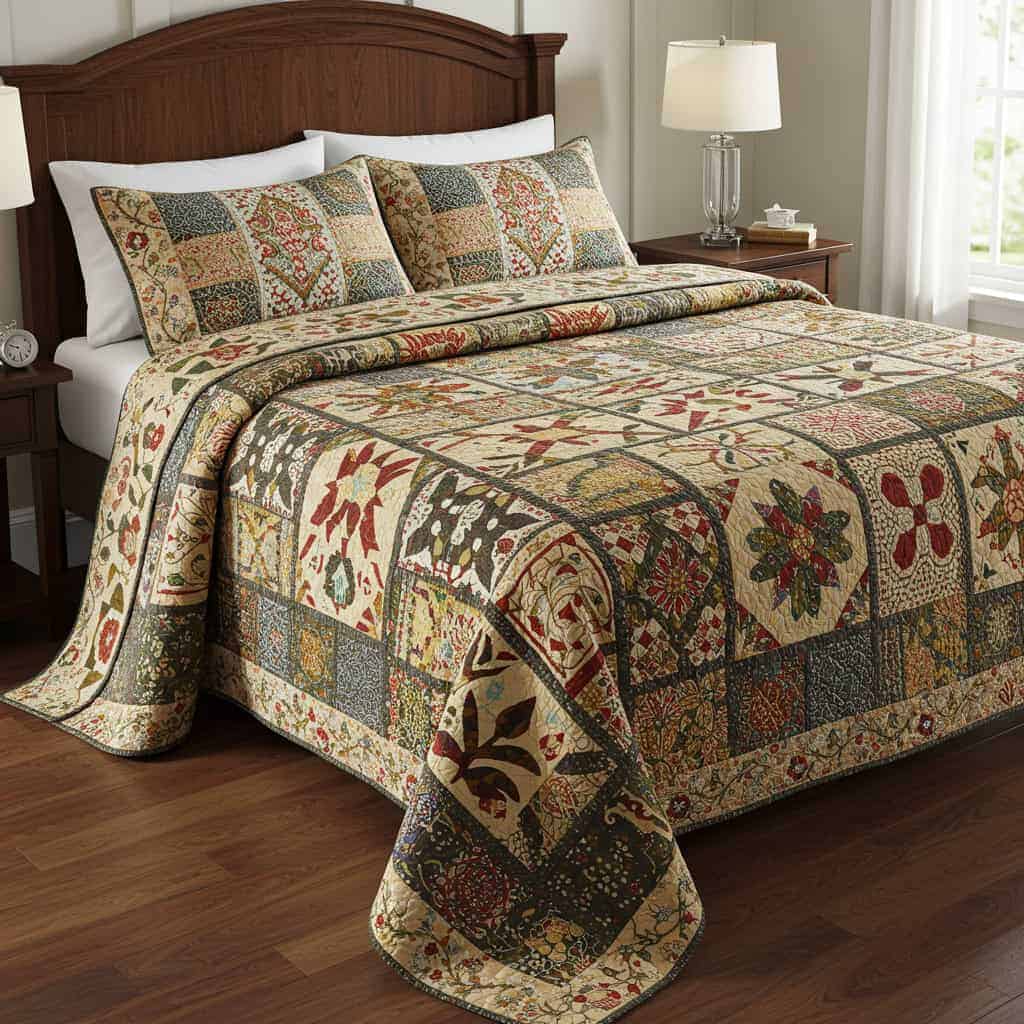
Quilts are far more than functional bedding—they are vibrant historical records stitched together with meaning. In North America, quilt patterns have often been used to commemorate important events, celebrate milestones, or express cultural identity. Some quilts are believed to have served as covert signals on the Underground Railroad, guiding those seeking freedom. Passed down through generations, heirloom quilts can reveal intricate stories about a family’s lineage and the times they lived in.

5. China Cabinets

5. China Cabinets
Image Source: Generated by Google Gemini

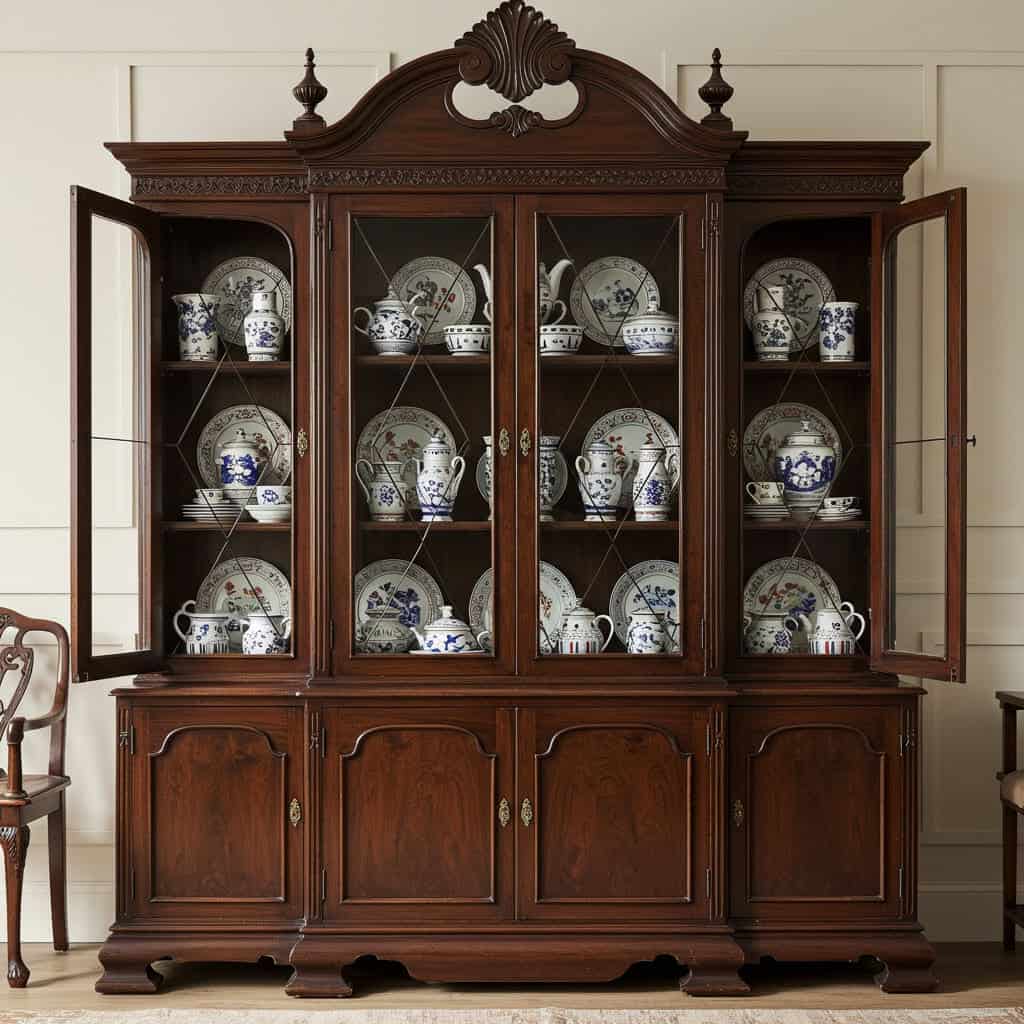
China cabinets emerged as coveted furniture pieces in the 18th century, symbolizing social status and wealth by showcasing fine porcelain from Asia and Europe. Their ornate designs and carefully curated contents highlighted the owner’s taste and connections to global trade. As design trends and household priorities shifted, these cabinets adapted, reflecting broader changes in culture and commerce. Each china cabinet stands as a silent witness to evolving domestic and aesthetic preferences.

6. Cast Iron Pans

6. Cast Iron Pans
Image Source: Generated by Google Gemini

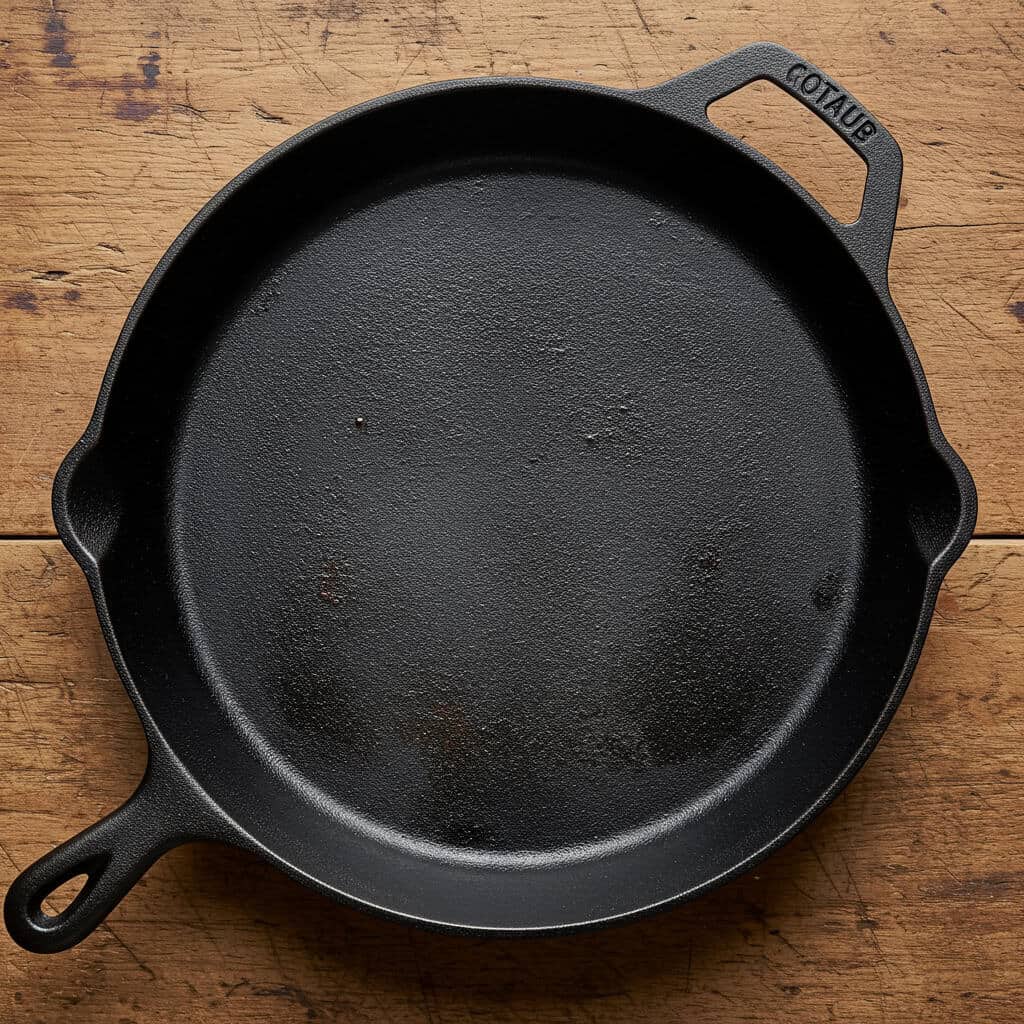
Cast iron pans have a storied history, valued for centuries for their exceptional durability and even heat distribution. These resilient pans are often handed down through multiple generations, becoming family heirlooms that outlast their original owners. The seasoned, blackened surface of each pan bears the imprint of countless meals, techniques, and traditions, making every piece a culinary time capsule.

7. Doorknobs

7. Doorknobs
Image Source: Generated by Google Gemini

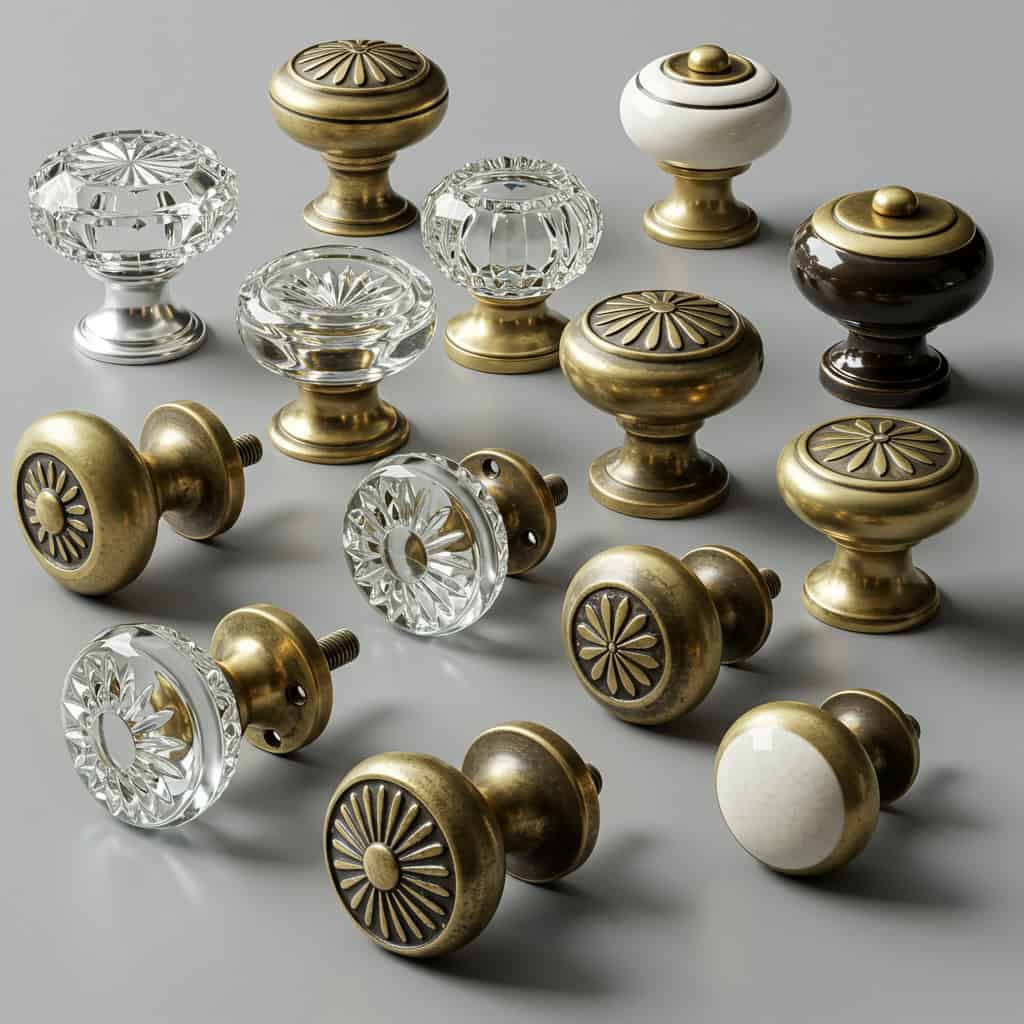
Doorknobs made from glass, brass, or ceramic are more than mere hardware; they provide clues to a home’s age and the prevailing tastes of their era. Ornate Victorian glass knobs, for example, have become prized collectibles, while simpler designs highlight the rise of mass production during the Industrial Revolution. These small fixtures serve as tangible links to architectural and manufacturing trends throughout history.

8. Vinyl Records

8. Vinyl Records
Image Source: Generated by Google Gemini

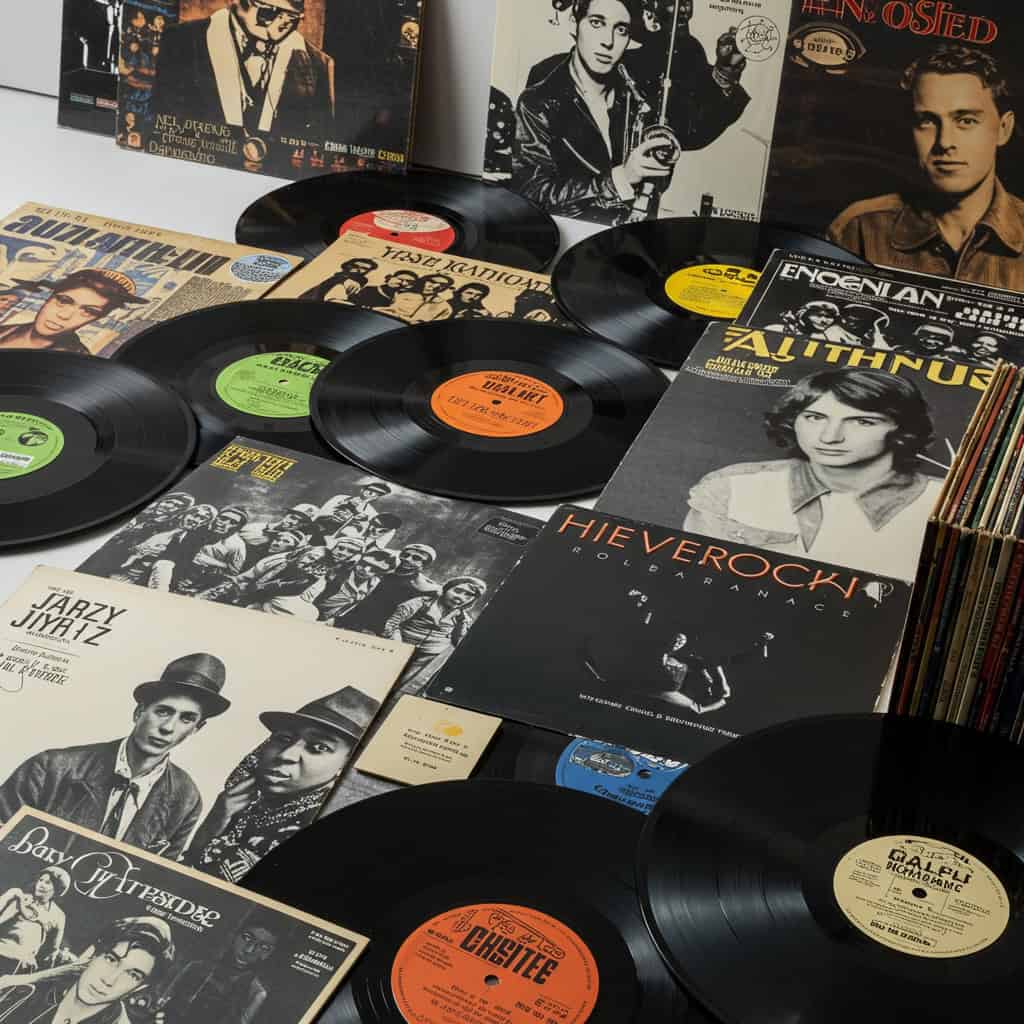
Vinyl records are more than a way to listen to music—they’re tangible pieces of cultural history. From early 78 RPM jazz recordings to iconic rock-era LPs, each record captures the sound and spirit of its time. Collecting and playing vinyl connects listeners to pivotal musical and social moments, while the album covers themselves serve as a visual timeline of evolving artistic and design trends.

9. Mirrors

9. Mirrors
Image Source: Generated by Google Gemini

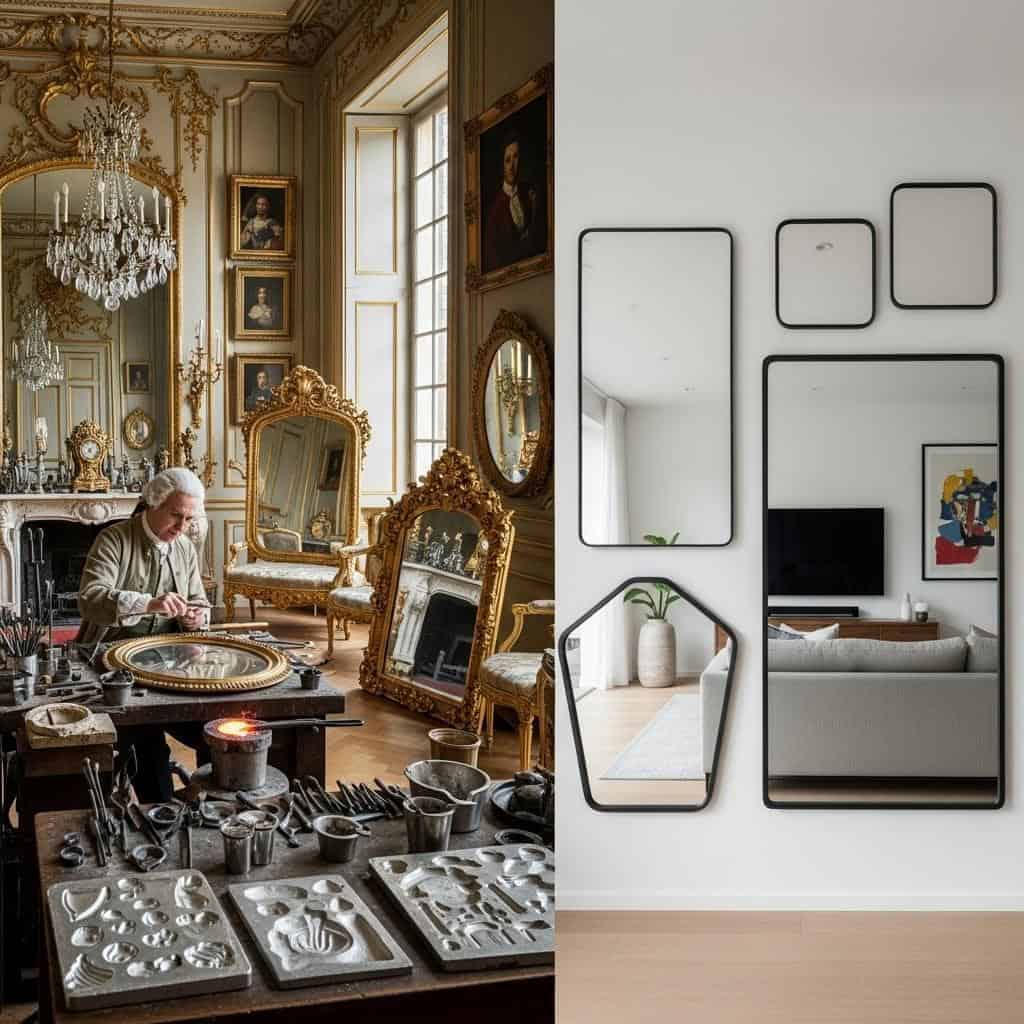
Mirrors were once rare and expensive possessions, painstakingly crafted by skilled artisans and reserved for the affluent. Early versions used mercury-backed glass, making them both beautiful and hazardous. Over time, technological advancements made mirrors more affordable and accessible, transforming them into everyday household staples. The journey from luxury to ubiquity reflects broader shifts in industry and society.

10. Rugs

10. Rugs
Image Source: Generated by Google Gemini

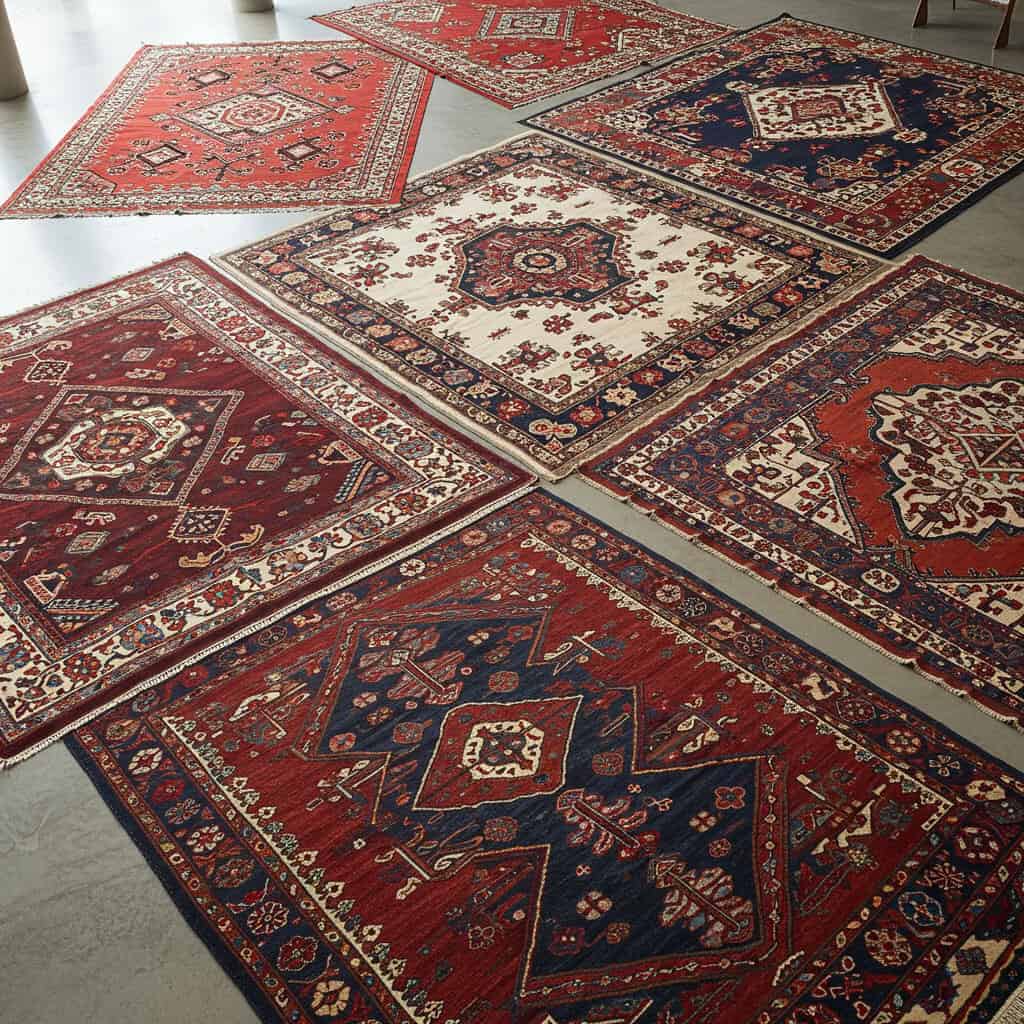
Handwoven rugs are more than decorative floor coverings—they are works of art that preserve traditional patterns and techniques handed down through generations. Persian, Turkish, and Navajo rugs each offer a window into their makers’ histories, reflecting stories of trade, craftsmanship, and cultural identity. Even machine-made rugs reveal much about industrial innovation and changing preferences in interior design. Every rug, whether handmade or factory-produced, carries the legacy of its origins.

11. Typewriters

11. Typewriters
Image Source: Generated by Google Gemini

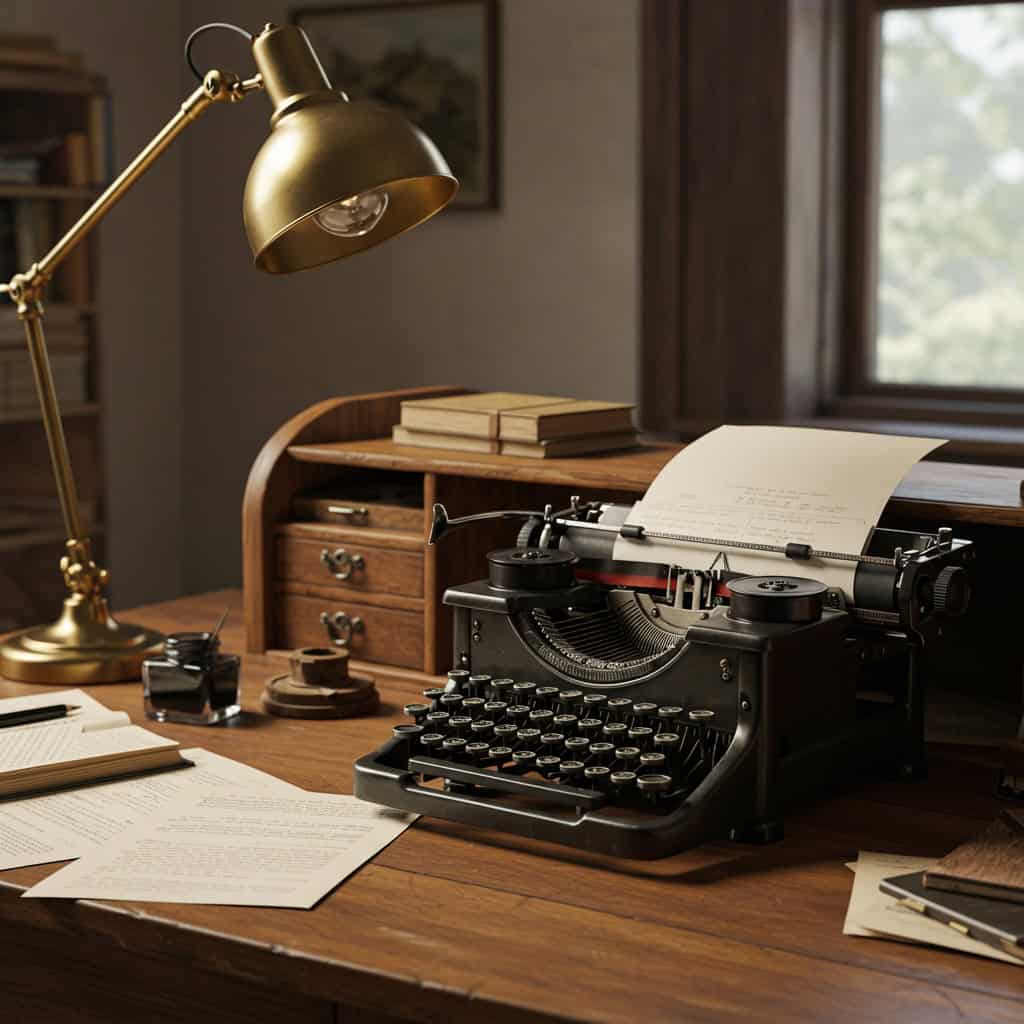
Typewriters dramatically transformed communication in the late 19th and early 20th centuries, making written correspondence faster and more accessible. Their presence in home offices evokes a time of manual creativity and precision, as well as the increasing participation of women in clerical roles. Each typewriter model reflects key moments in technological advancement and social change, offering insights into the era in which it was produced.

12. Photographs

12. Photographs
Image Source: Generated by Google Gemini

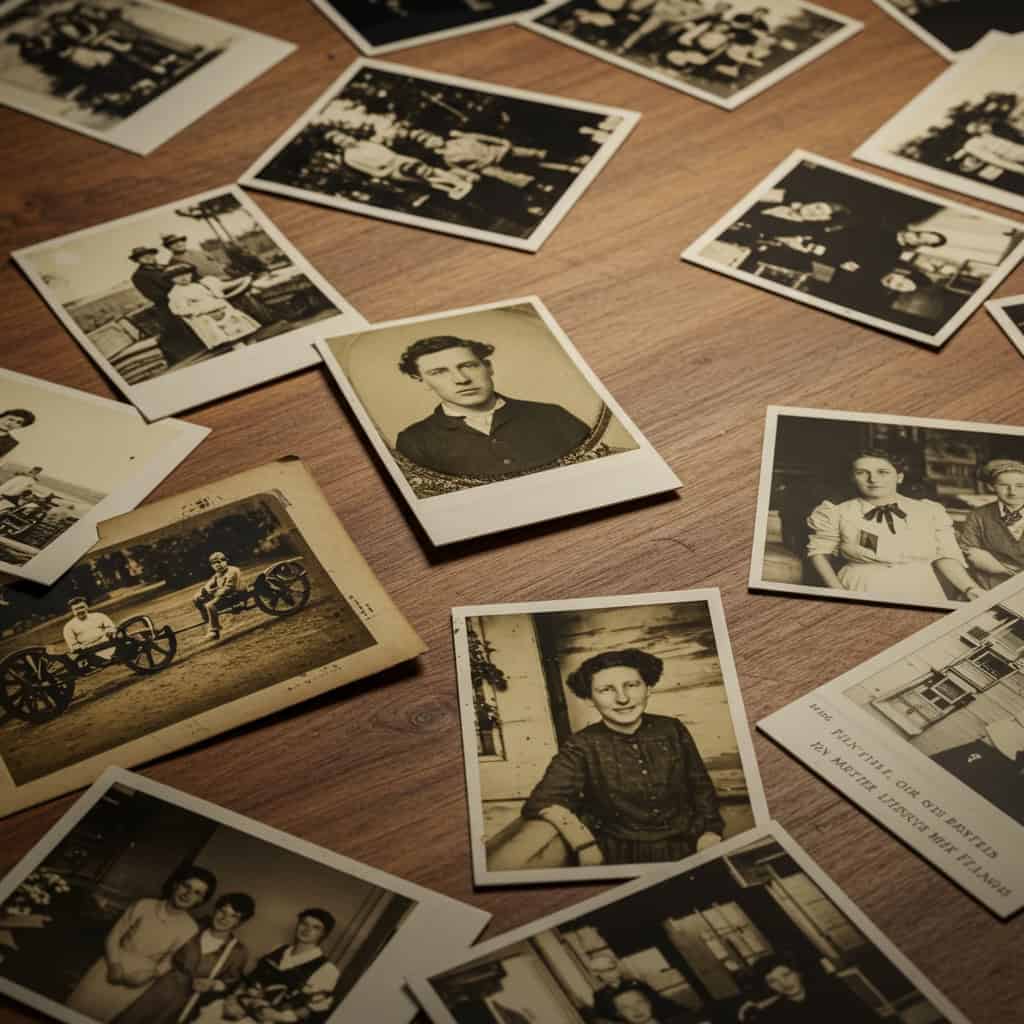
Family photo albums and framed portraits are more than sentimental keepsakes; they document changing fashions, hairstyles, and social customs across generations. Early daguerreotypes, with their distinct metallic sheen, and later Polaroids, capturing instant moments, serve as both historical artifacts and intimate glimpses into personal and cultural history. Each image tells a unique story about the people and eras they represent.

13. Sewing Machines

13. Sewing Machines
Image Source: Generated by Google Gemini

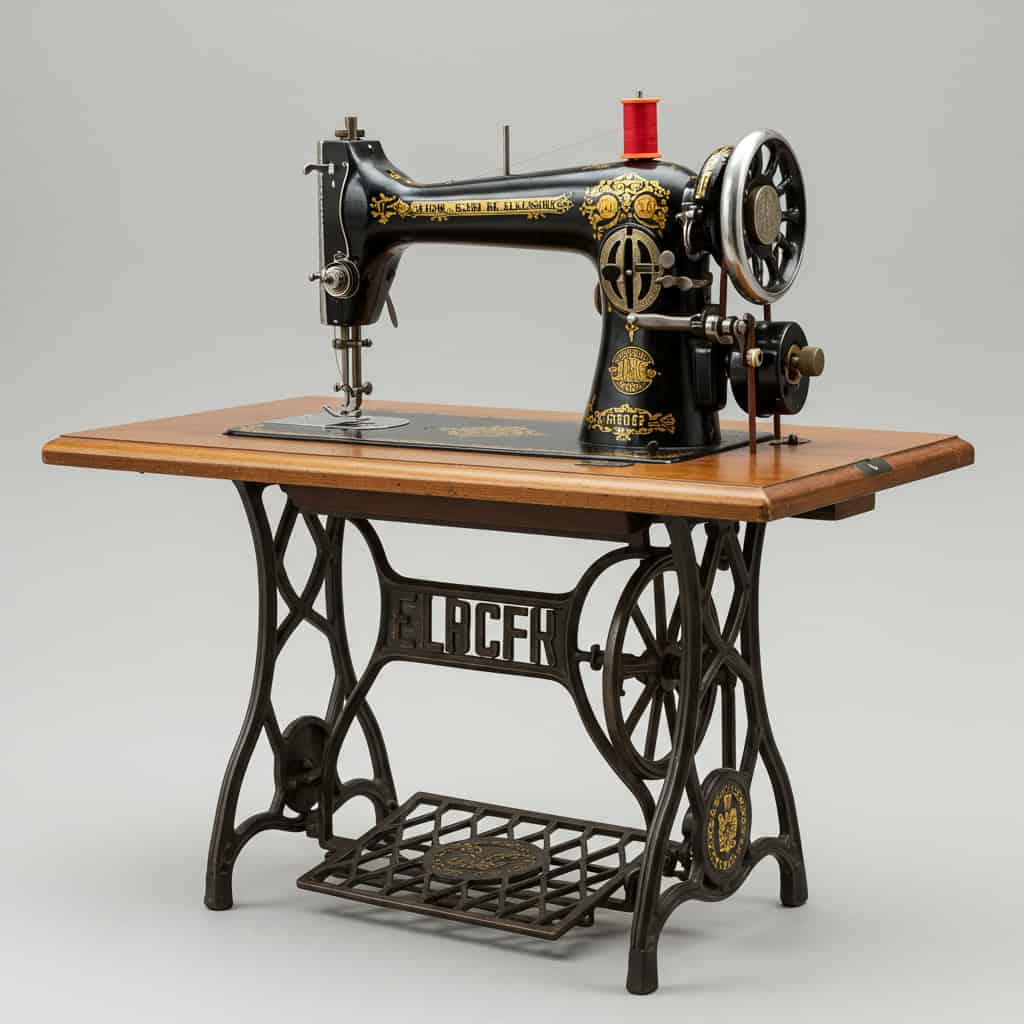
Sewing machines, particularly classic treadle and early electric models, are powerful symbols of both domestic ingenuity and the sweeping changes of the industrial revolution. Brands such as Singer and Pfaff played major roles in transforming global economies and expanding opportunities for women’s work, both at home and in factories. These machines not only revolutionized garment making but also contributed to social and economic shifts.

Conclusion

Conclusion
Image Source: Generated by Google Gemini

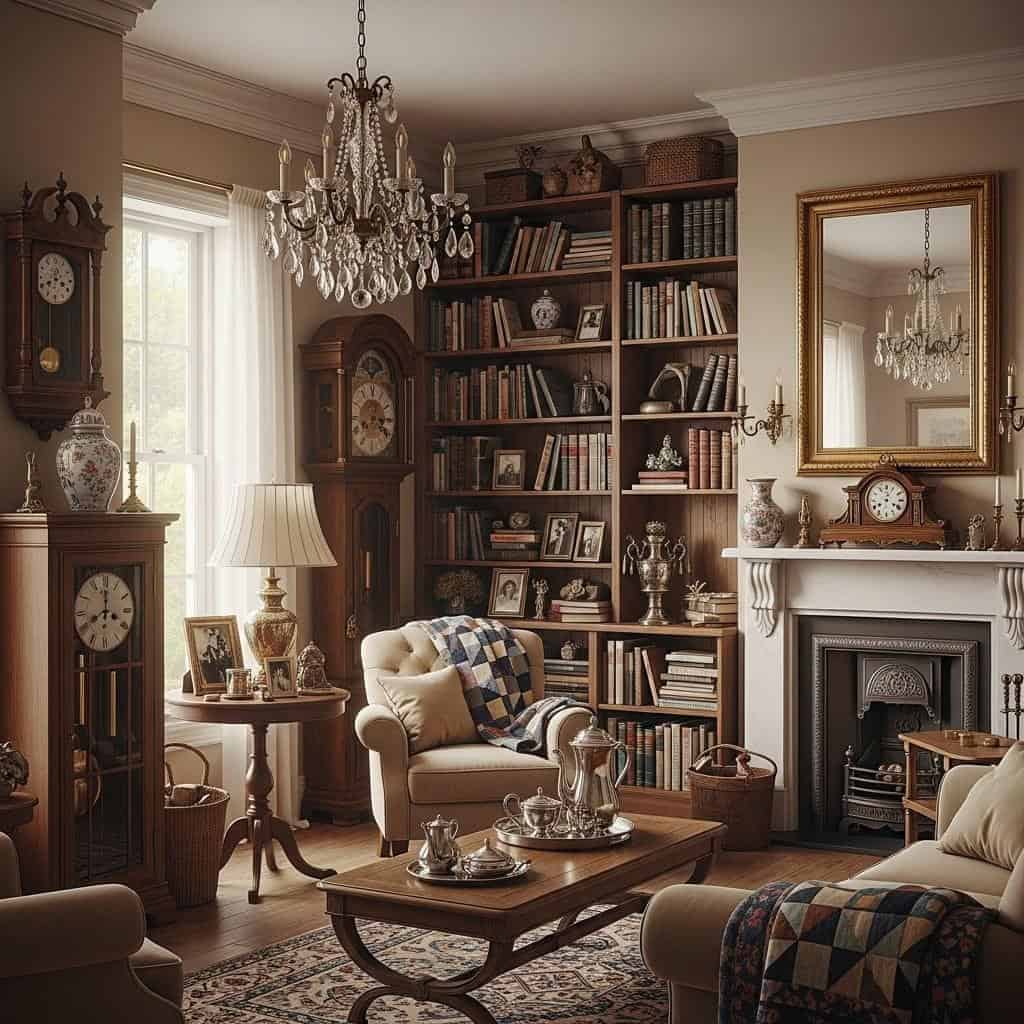
Everyday household items are more than mere possessions—they’re vessels of cultural, technological, and personal stories. From bookshelves to light fixtures, these objects reflect the evolution of society and our own life journeys. By recognizing their layered histories, we gain a deeper appreciation for the past woven throughout our homes, often hiding in plain sight. Explore more about the stories objects tell at Smithsonian Magazine and Britannica.

Advertisement