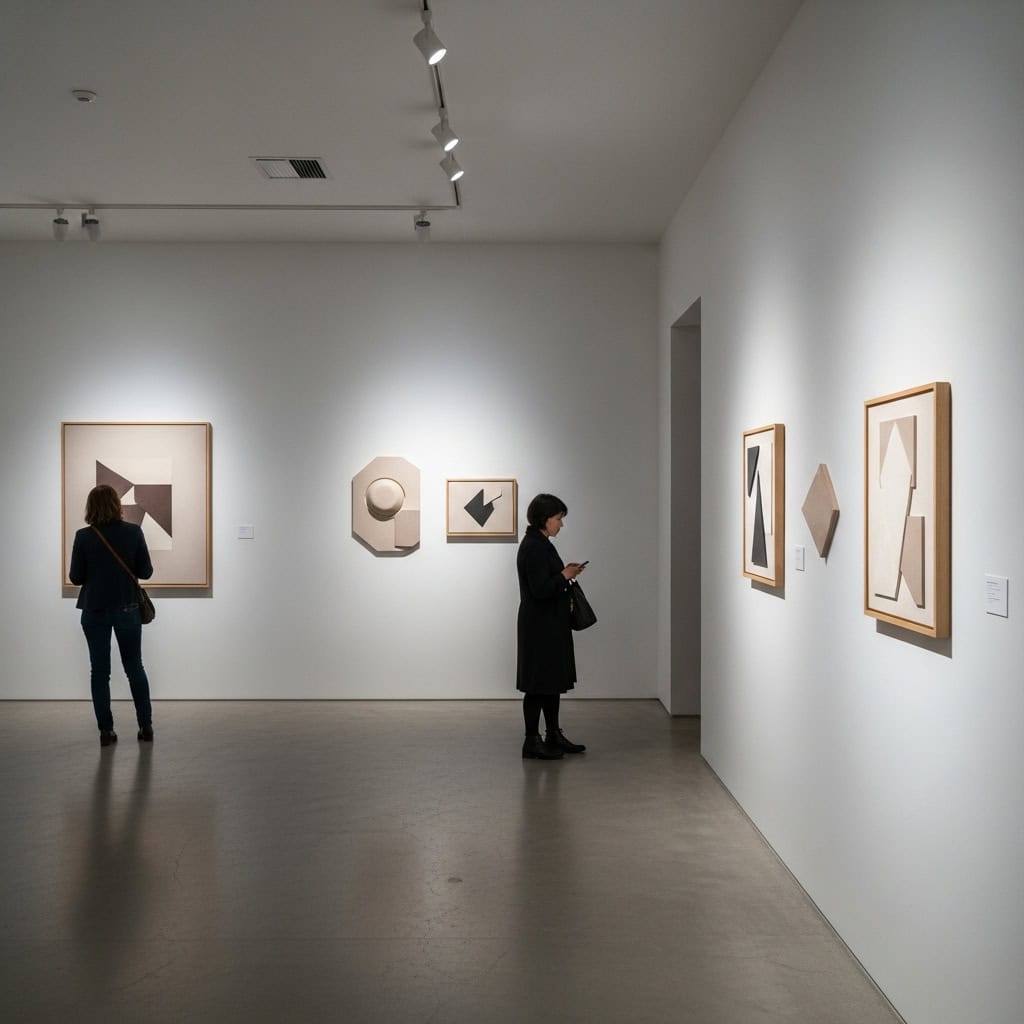
Why Minimalist Art Still Captivates Modern Audiences

Robin - October 4, 2025
Share

Minimalist art has long fascinated viewers with its striking simplicity and evocative power. In a world often overwhelmed by information and visual noise, its clean lines and pared-down forms offer a refreshing pause. Understanding this movement provides insight into how art can communicate profound ideas using the bare essentials. This guide will explore what makes minimalist art so compelling today, how it shapes our visual culture, and why its influence continues to grow. For a deeper dive into the origins of minimalism, visit the Tate’s Minimalism overview.

The Core Principles of Minimalist Art

Step 1: Understand the Core Principles of Minimalist Art
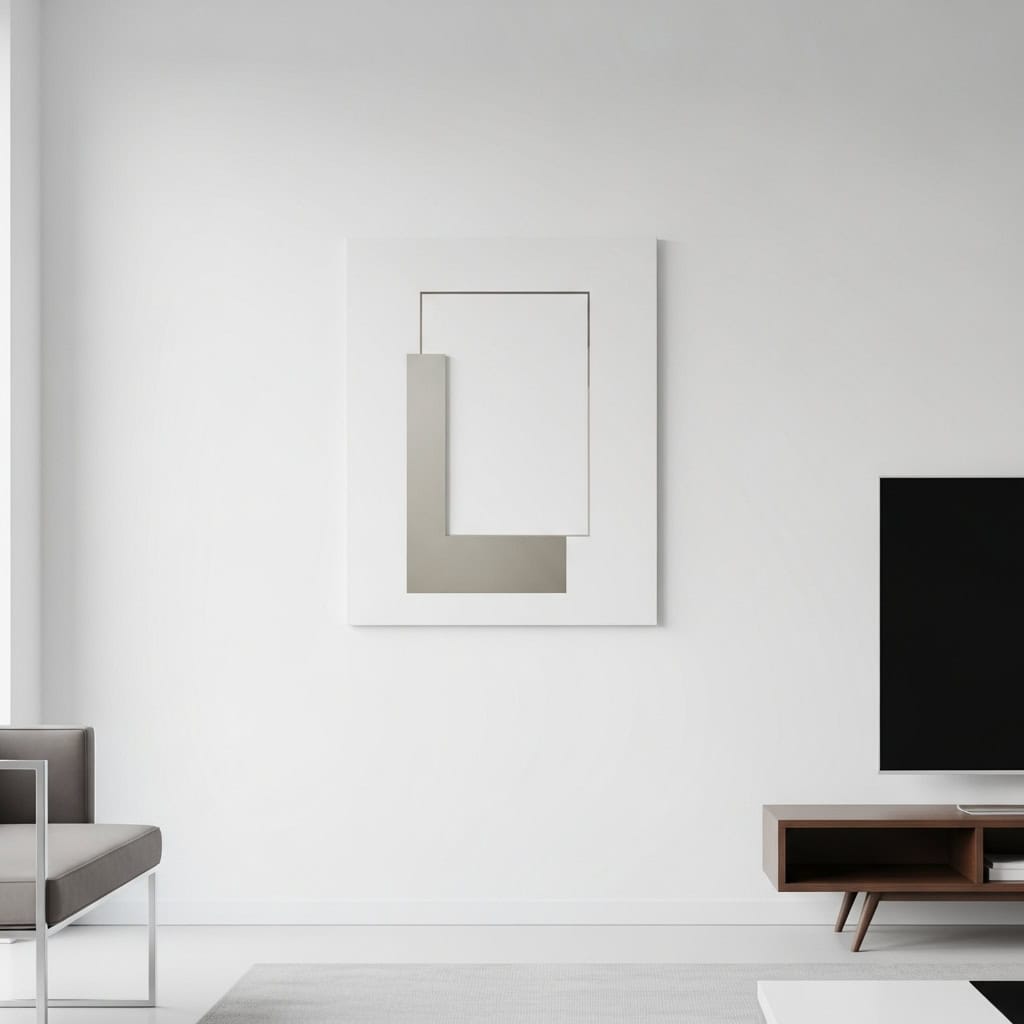
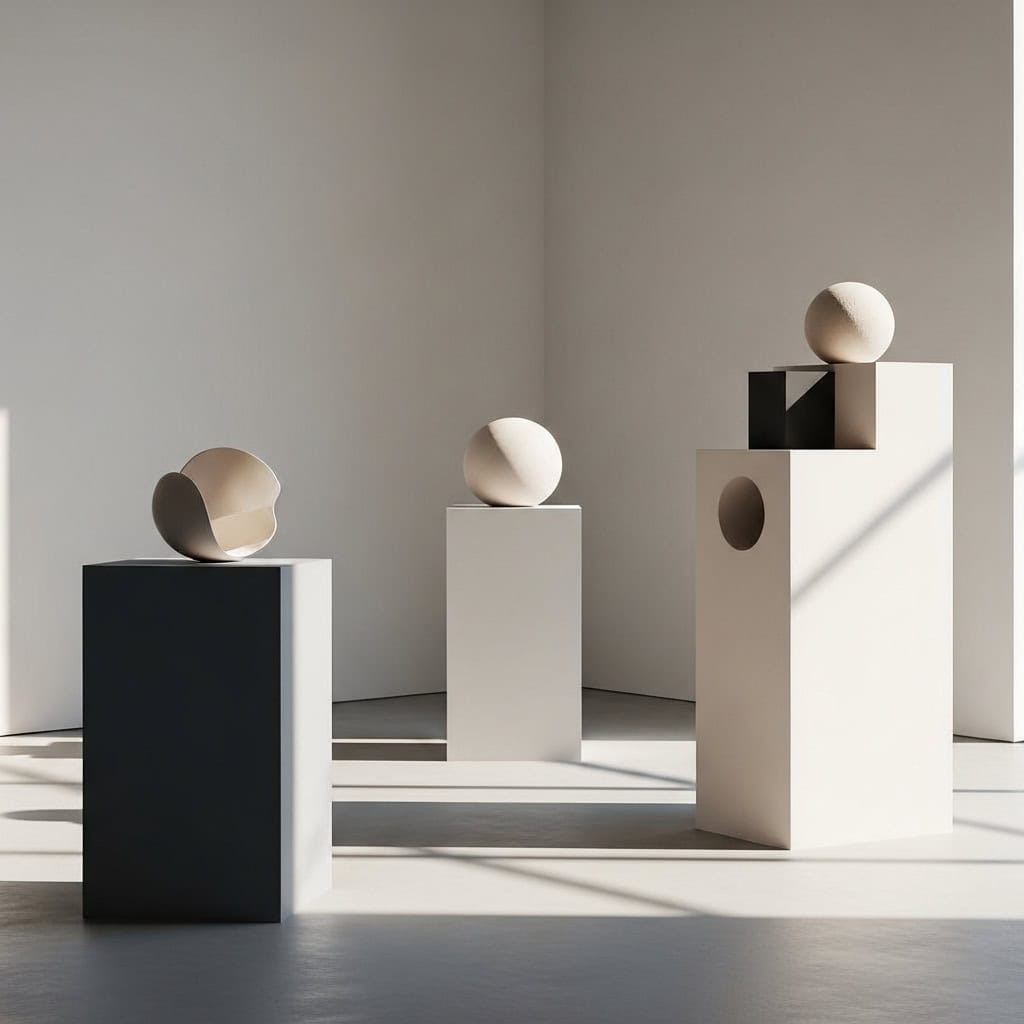
A single white geometric shape rests on a clean, neutral background, embodying the essence of simplicity and minimalism. | Generated by Google Gemini

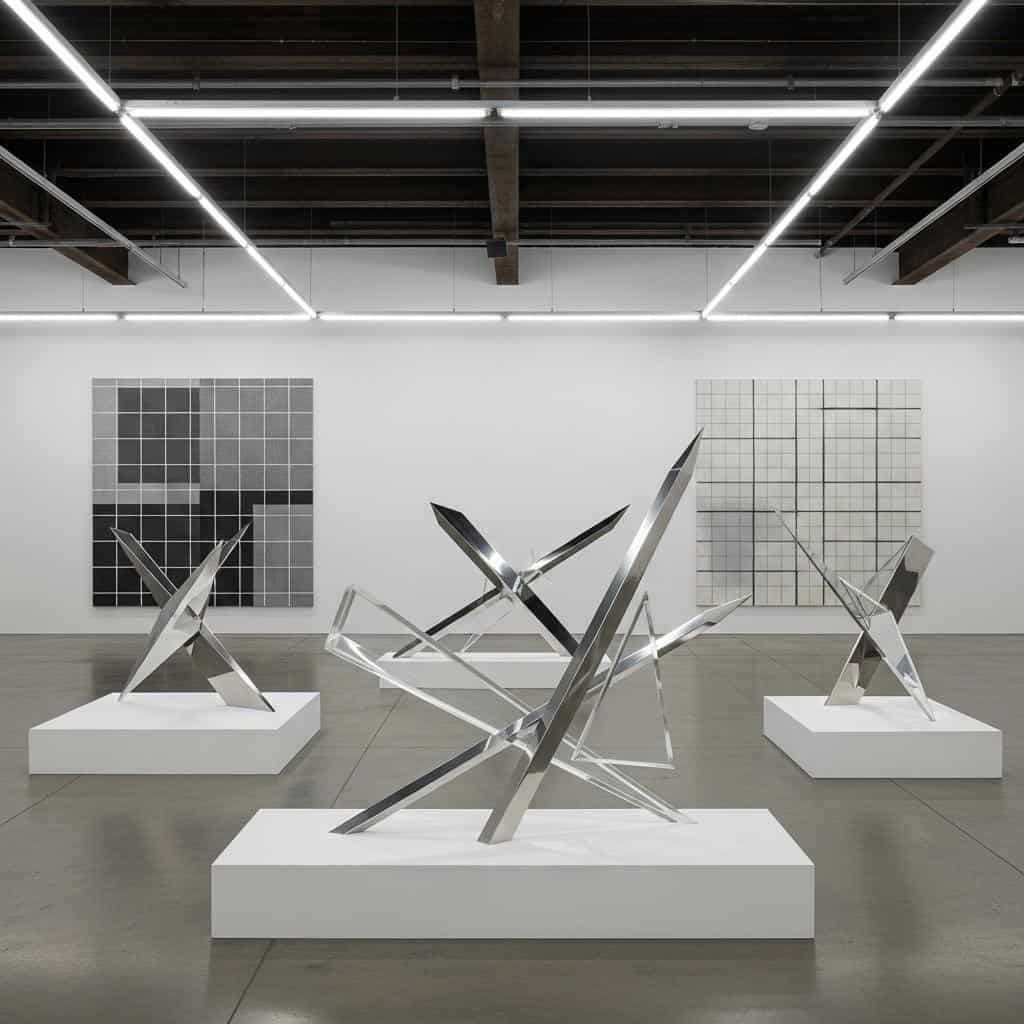
Minimalist art is defined by its radical simplicity, reliance on geometric forms, and intentional use of negative space. Rather than elaborate detail, minimalist artists emphasize purity of shape, color, and material, prompting viewers to focus on the essentials.

This aesthetic philosophy values “less is more,” aligning closely with contemporary preferences for clarity and calm in a fast-paced world. By stripping away the superfluous, minimalist art invites contemplation and mindfulness. For more on these foundational ideas, the Museum of Modern Art’s Minimalism resource offers in-depth insights.

Explore the Historical Context and Evolution

Step 2: Explore the Historical Context and Evolution
Minimalist art’s evolution: from 1960s pioneers to its enduring impact on modern aesthetics. | Generated by Google Gemini

Minimalist art emerged in the late 1950s and 1960s as a reaction against the emotional intensity of Abstract Expressionism. Artists like Donald Judd, Agnes Martin, and Dan Flavin pioneered a movement that valued objectivity, repetition, and industrial materials.

Over the decades, minimalism evolved, influencing architecture, design, and digital aesthetics. Its roots in simplicity and reduction continue to inspire modern creators and audiences. By understanding key milestones and figures, viewers gain a richer appreciation for its enduring relevance. Learn more about the movement’s timeline and pivotal artists at The Art Story.

Analyze How Minimalism Engages Modern Viewers

Step 3: Analyze How Minimalism Engages Modern Viewers
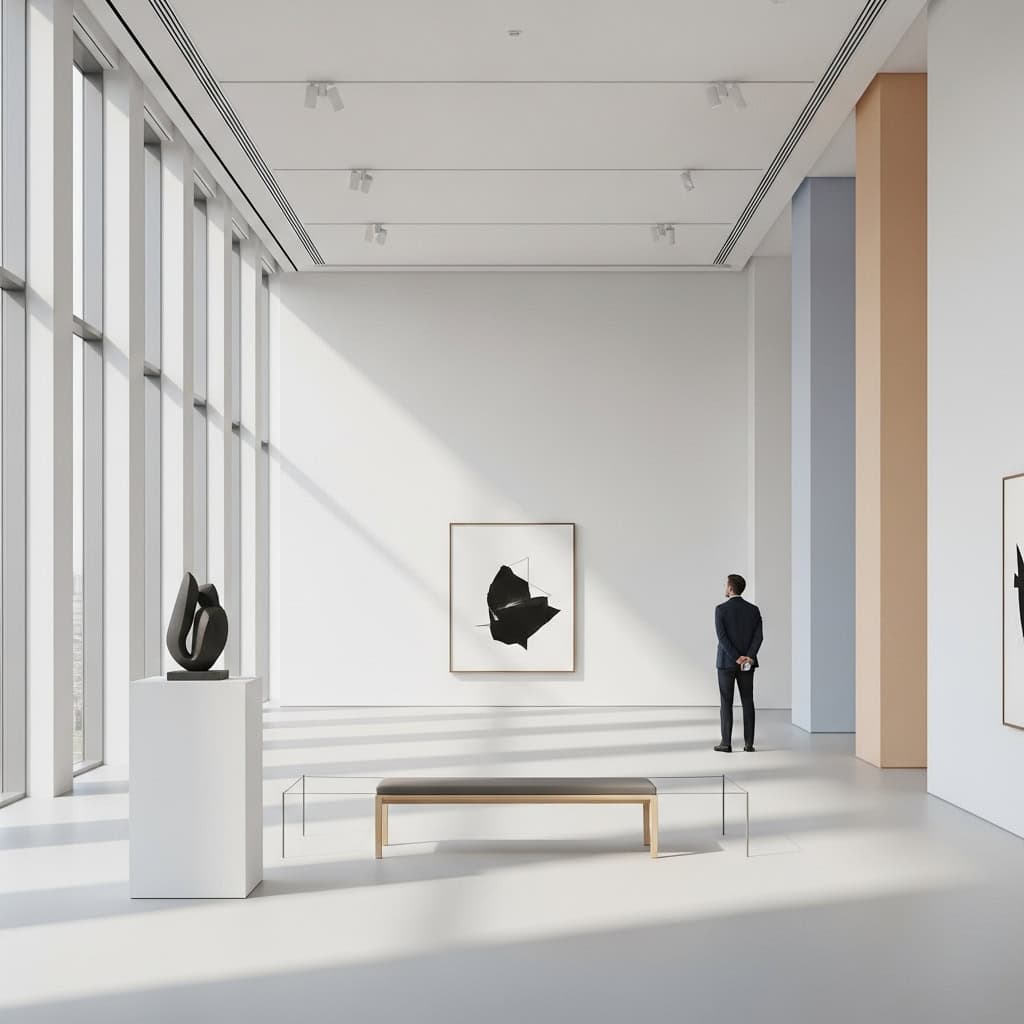
A solitary visitor stands in a tranquil, minimalist gallery space, quietly absorbing the serene beauty of calm, abstract art. | Generated by Google Gemini

Minimalist art resonates deeply with modern audiences seeking refuge from daily distractions and overstimulation. Its uncluttered compositions foster a sense of mindfulness, encouraging viewers to pause, reflect, and find meaning in simplicity.

The emphasis on open space and subtle form promotes visual calm and clarity, offering psychological relief in a fast-paced digital age. This tranquil aesthetic supports mental wellness and appeals to those craving order and serenity. For more on the impact of minimalism on well-being and perception, explore Psychology Today’s take on why we love minimalism.

Identify Minimalist Art in Everyday Life

Step 4: Identify Minimalist Art in Everyday Life
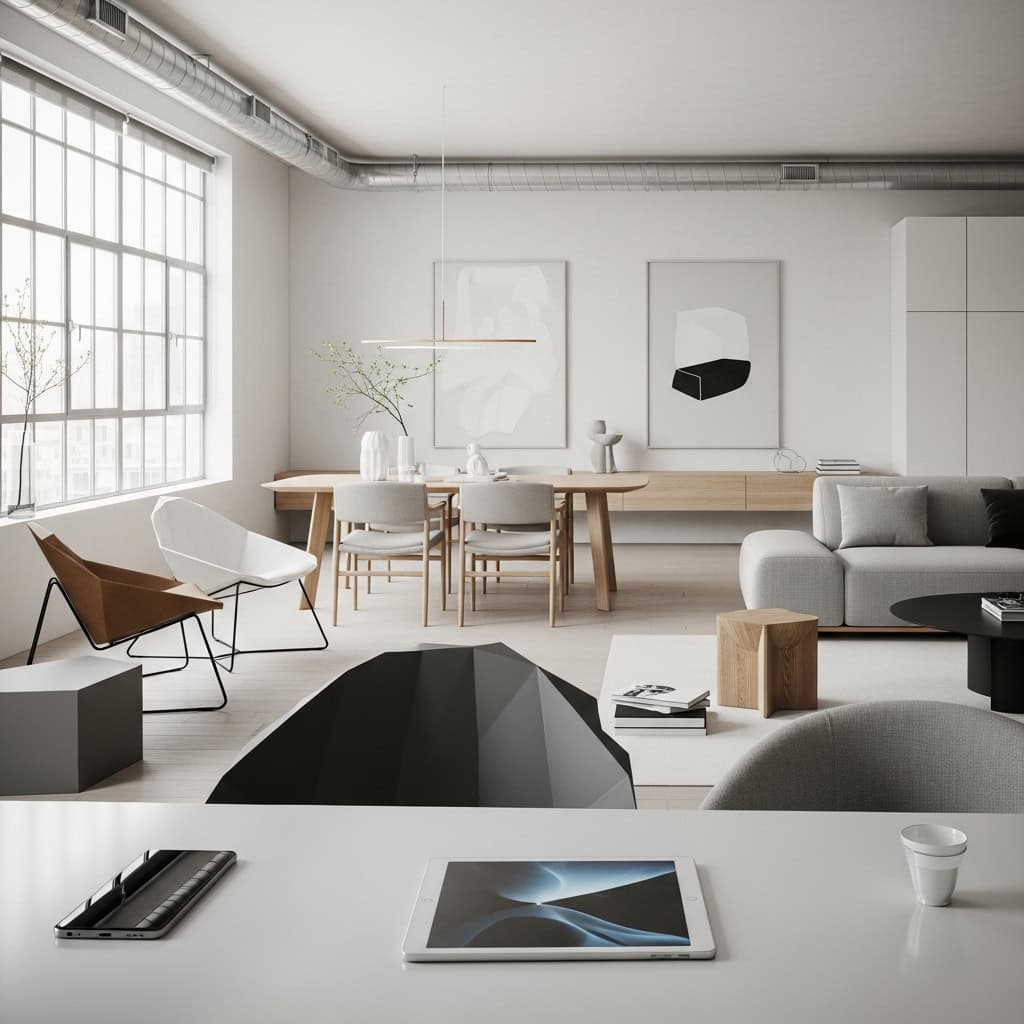
A bright, airy living room features sleek furniture, neutral tones, and uncluttered surfaces, embodying everyday minimalism. | Generated by Google Gemini

Minimalist art extends far beyond gallery walls, shaping the look and feel of modern design, architecture, and even digital interfaces. Clean lines, neutral palettes, and uncluttered spaces are now hallmarks of everything from smartphone apps to urban lofts.

This pervasive influence makes the minimalist aesthetic instantly recognizable in branding, furniture, and visual media. By noticing these elements in daily surroundings, individuals can appreciate how the movement continues to define contemporary taste. For examples of minimalism in current design trends, visit ArchDaily’s guide to minimalist interiors.

Appreciate Minimalist Art Through Personal Experience

Step 5: Appreciate Minimalist Art Through Personal Experience
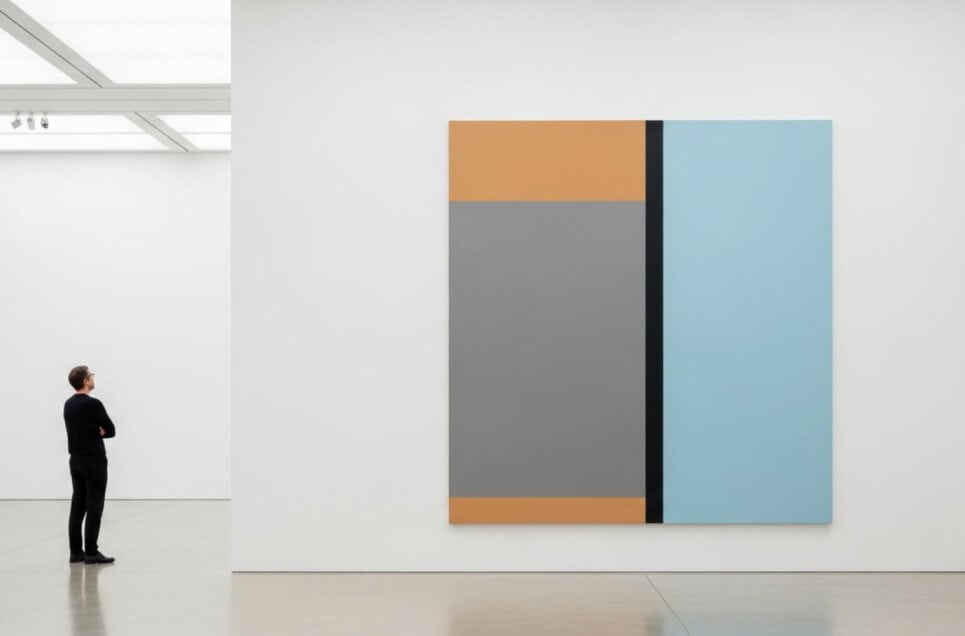
A thoughtful gallery visitor stands quietly before a vibrant painting, lost in reflective appreciation of the artwork’s details. | Generated by Google Gemini

To truly connect with minimalist art, engage with it firsthand. Visit galleries or museums known for their minimalist collections and take time to observe each piece’s subtle details, such as texture, light, and spatial relationships.

Practice slowing down and noting your emotional responses, allowing space for reflection and interpretation. Even small moments of contemplation can reveal new layers of meaning. For inspiration and locations to experience minimalist works in person, explore the offerings at the Guggenheim Museum’s Minimalism collection.

Conclusion

Conclusion
A sleek minimalist painting hangs on a white wall as an inspired audience listens to an art summary nearby. | Generated by Google Gemini

Minimalist art continues to captivate modern audiences through its elegant simplicity, historical depth, and emotional resonance. By understanding its core principles, tracing its evolution, and recognizing its influence in everyday life, we can better appreciate why this movement endures.

Experiencing minimalist art firsthand reveals its power to inspire mindfulness and clarity in an often chaotic world. As you explore further, let your own reactions and interpretations guide a deeper personal connection. For continued learning and discovery, consider exploring resources like the Metropolitan Museum of Art’s overview of Minimalism.

Advertisement