Concrete and Wood Could Soon Be Outdated—Here’s What’s Next

Julie Ann - October 3, 2025
Share

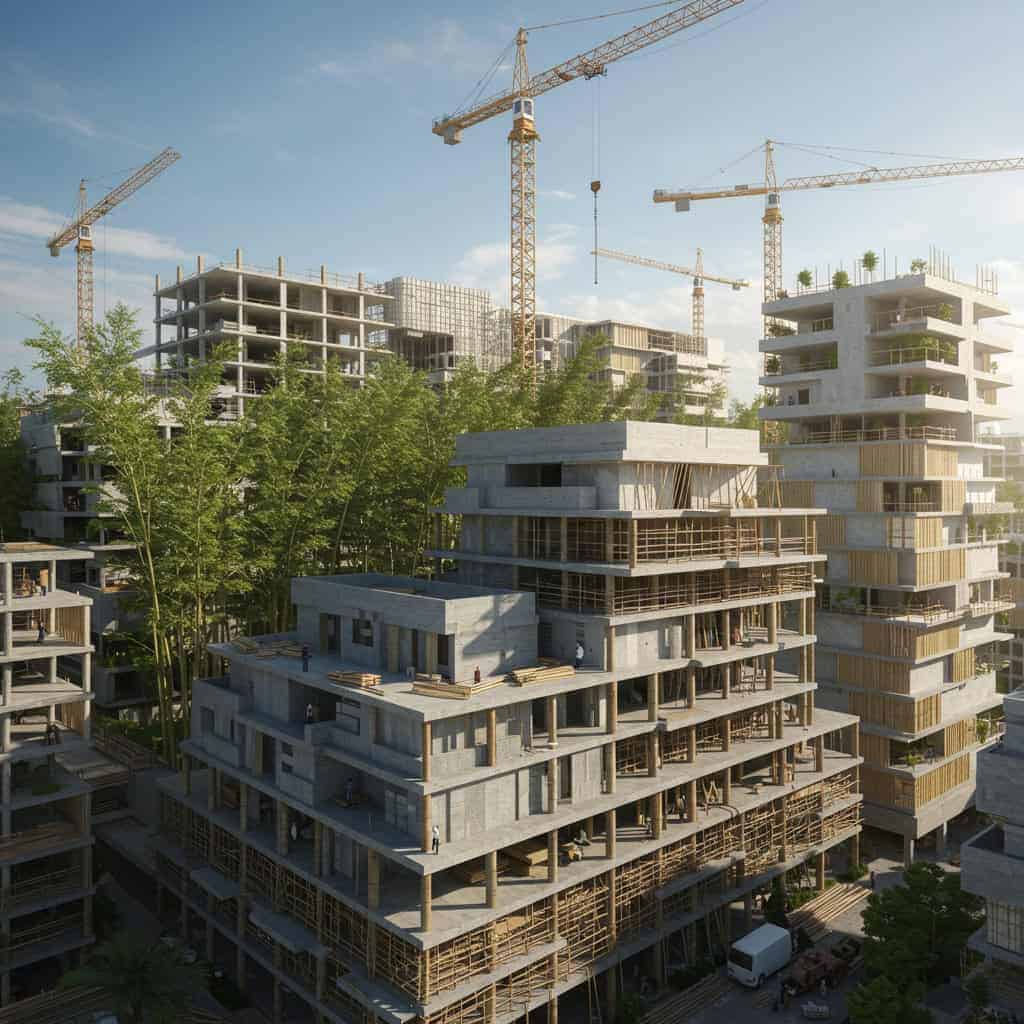
The construction industry faces growing pressure to revolutionize its material choices as environmental concerns, resource scarcity, and rapid technological progress reshape the landscape. Traditional materials like concrete and wood have significant carbon footprints and contribute to habitat loss. As the world seeks more sustainable options, innovative building materials are emerging.

1. Cross-Laminated Timber (CLT) 2.0

1. Cross-Laminated Timber (CLT) 2.0
Image Source: Generated by Google Gemini

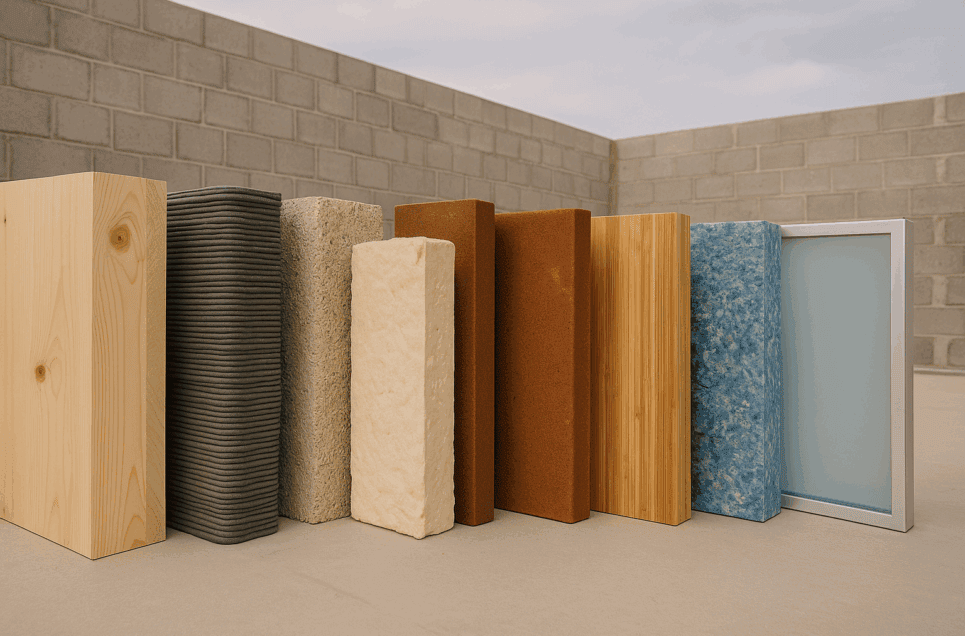
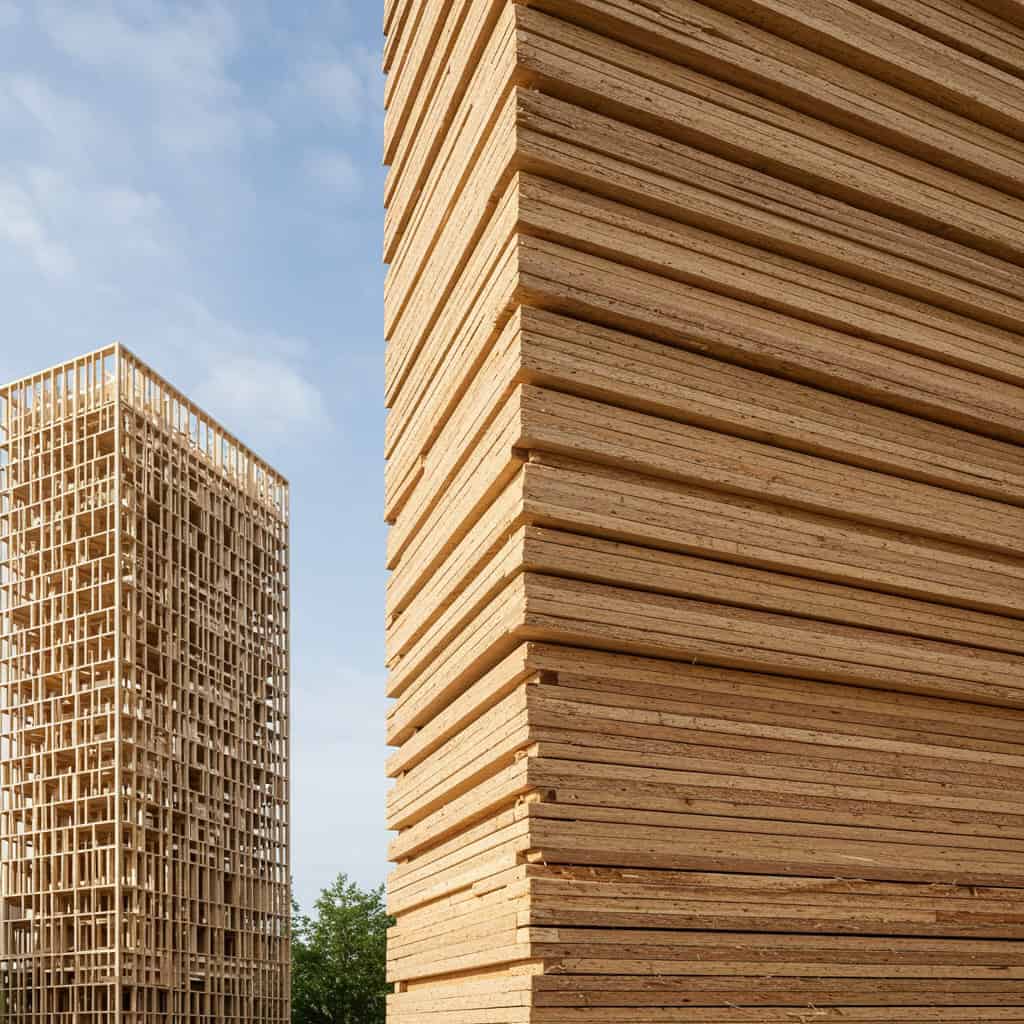
Next-generation Cross-Laminated Timber (CLT) 2.0 represents a breakthrough in engineered wood technology. By layering thin pieces of wood in alternating directions, CLT 2.0 achieves high strength with less raw material. Its improved fire resistance and structural flexibility allow for the creation of taller and more resilient wooden buildings. Compared to traditional wood, CLT 2.0 is both more sustainable and versatile, playing a vital role in eco-friendly construction.

2. 3D-Printed Concrete Alternatives

2. 3D-Printed Concrete Alternatives
Image Source: Generated by Google Gemini

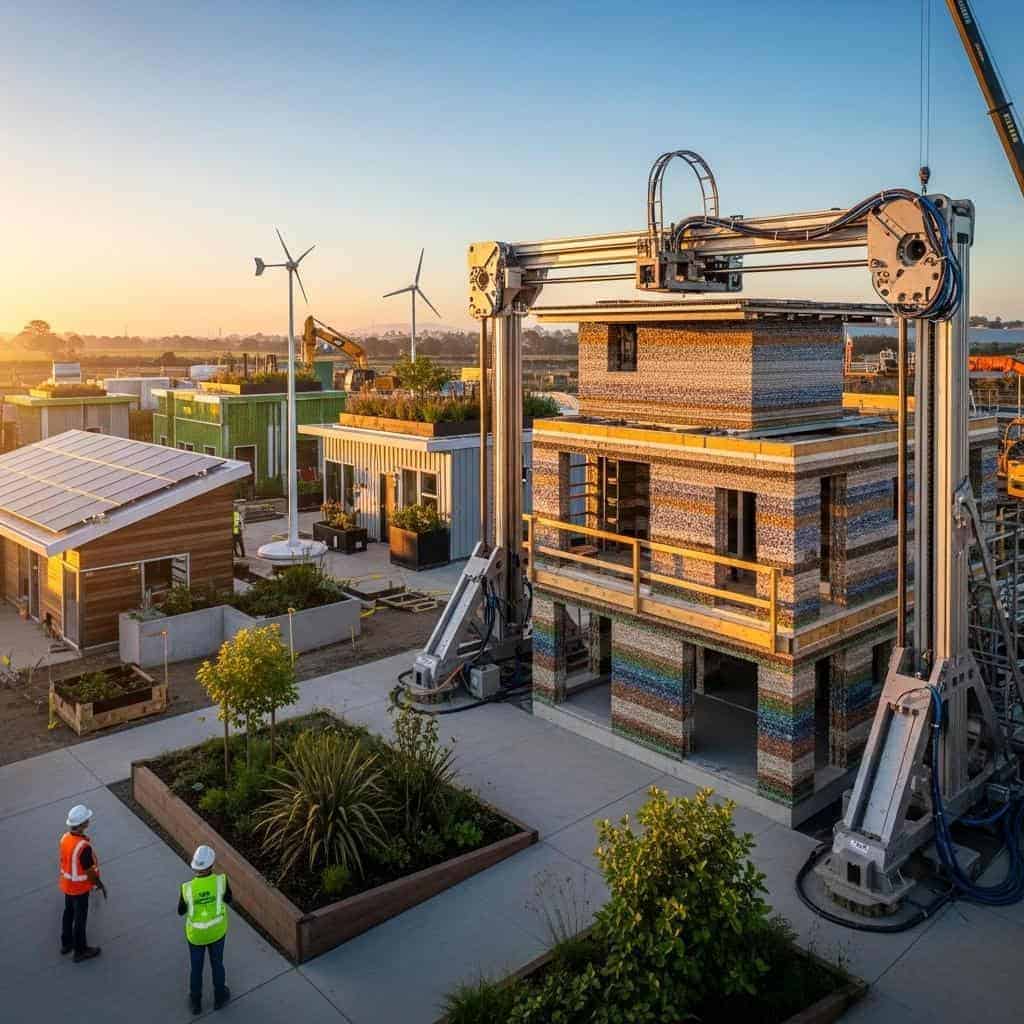
Innovations in 3D printing technology are transforming construction by enabling the use of composite materials such as recycled plastics and bio-based binders. These alternatives allow for the creation of custom-designed, low-waste structures that reduce reliance on traditional concrete. Around the world, 3D-printed houses are being piloted, demonstrating faster and more affordable construction methods with significantly reduced environmental impact. As this technology matures, it promises to redefine how we build our homes and cities.

3. Hempcrete

3. Hempcrete
Image Source: Generated by Google Gemini

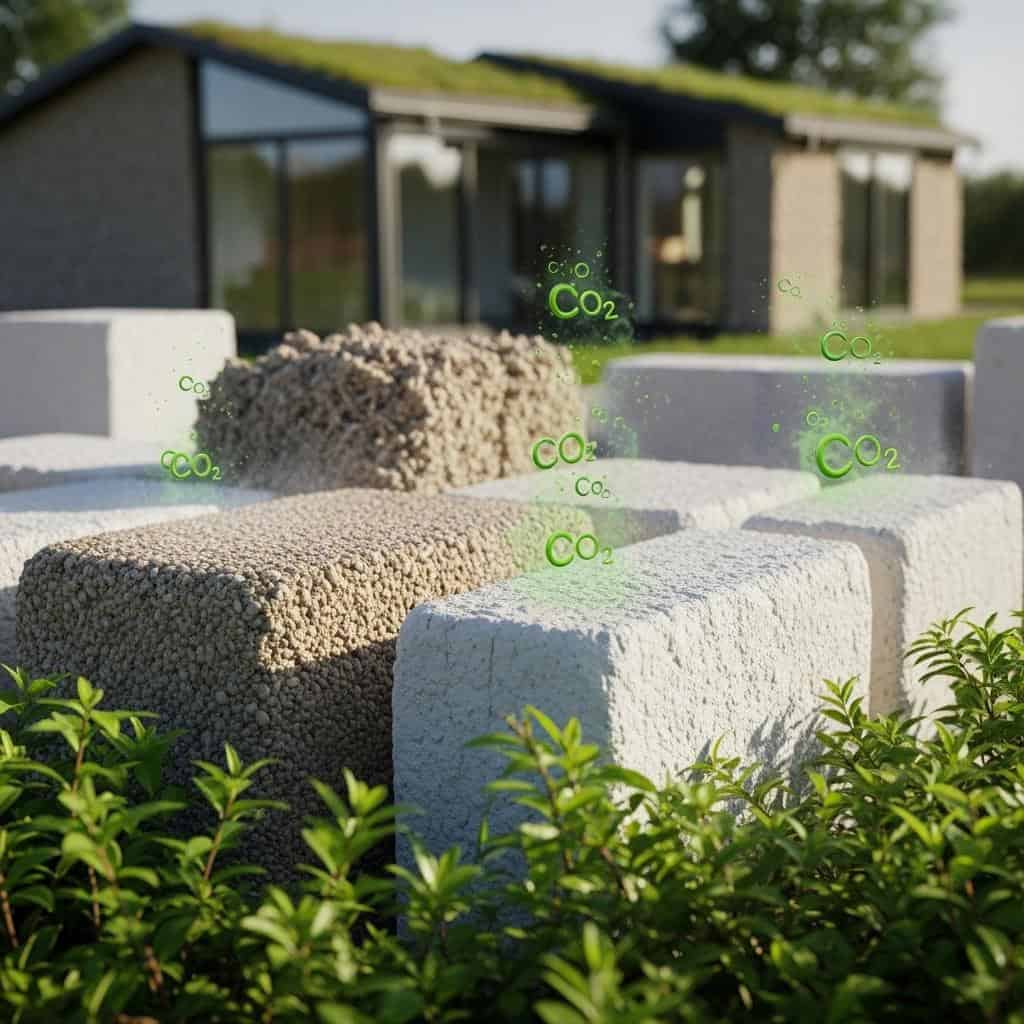
Hempcrete is a sustainable biocomposite made from the inner fibers of the hemp plant mixed with lime. This material is lightweight, highly insulating, and uniquely carbon-negative—meaning it actually absorbs CO2 from the atmosphere as it cures. Unlike traditional concrete, hempcrete significantly reduces environmental impact and is increasingly favored in eco-friendly construction projects. Its natural properties promote healthier indoor environments and energy efficiency, making it a promising alternative for the future of building.

4. Mycelium Composites

4. Mycelium Composites
Image Source: Generated by Google Gemini

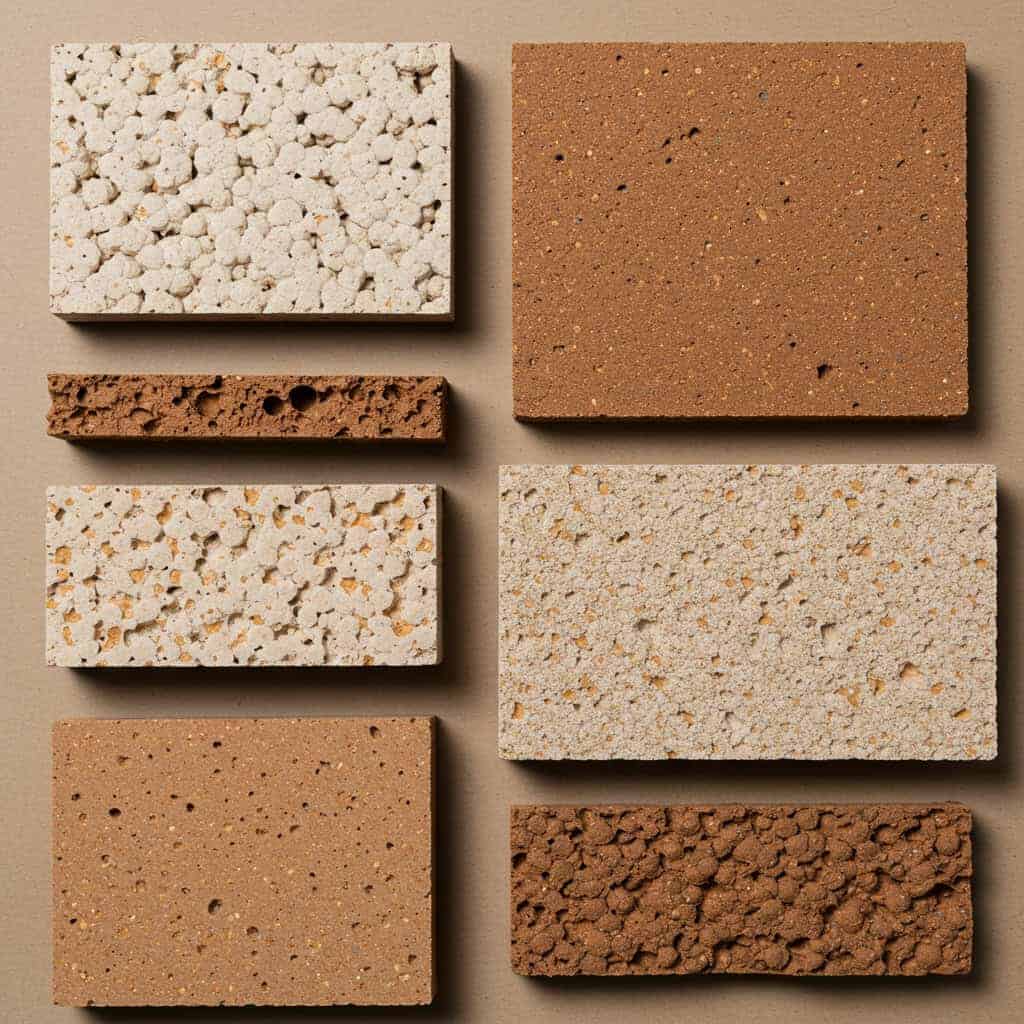
Mycelium composites harness the root systems of fungi, which are grown into molds to form strong, lightweight bricks and panels. These innovative materials are fully biodegradable and naturally fire-resistant, making them an attractive alternative to conventional synthetic insulations and foams. As the construction industry seeks greener options, mycelium’s ability to be shaped with minimal energy input and its end-of-life compostability offer significant sustainability advantages.

5. Transparent Wood

5. Transparent Wood
Image Source: Generated by Google Gemini

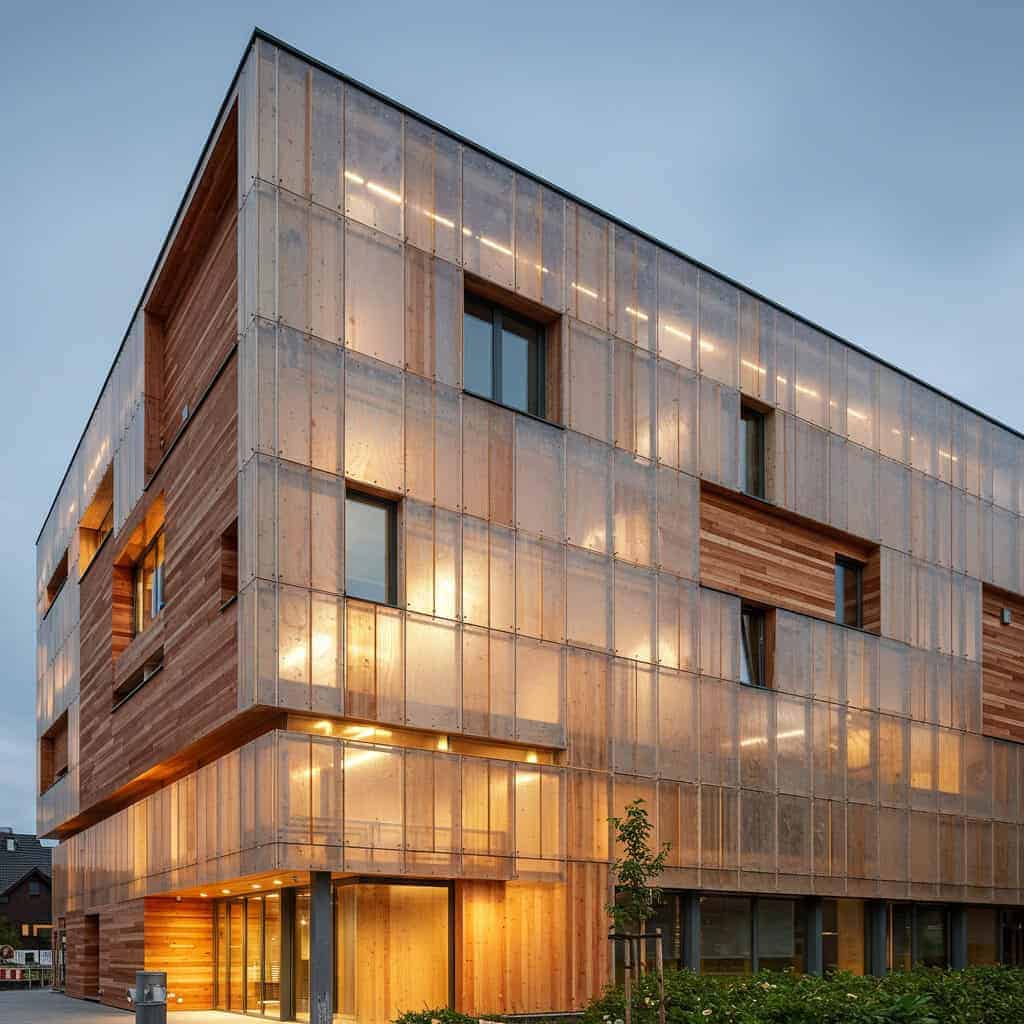
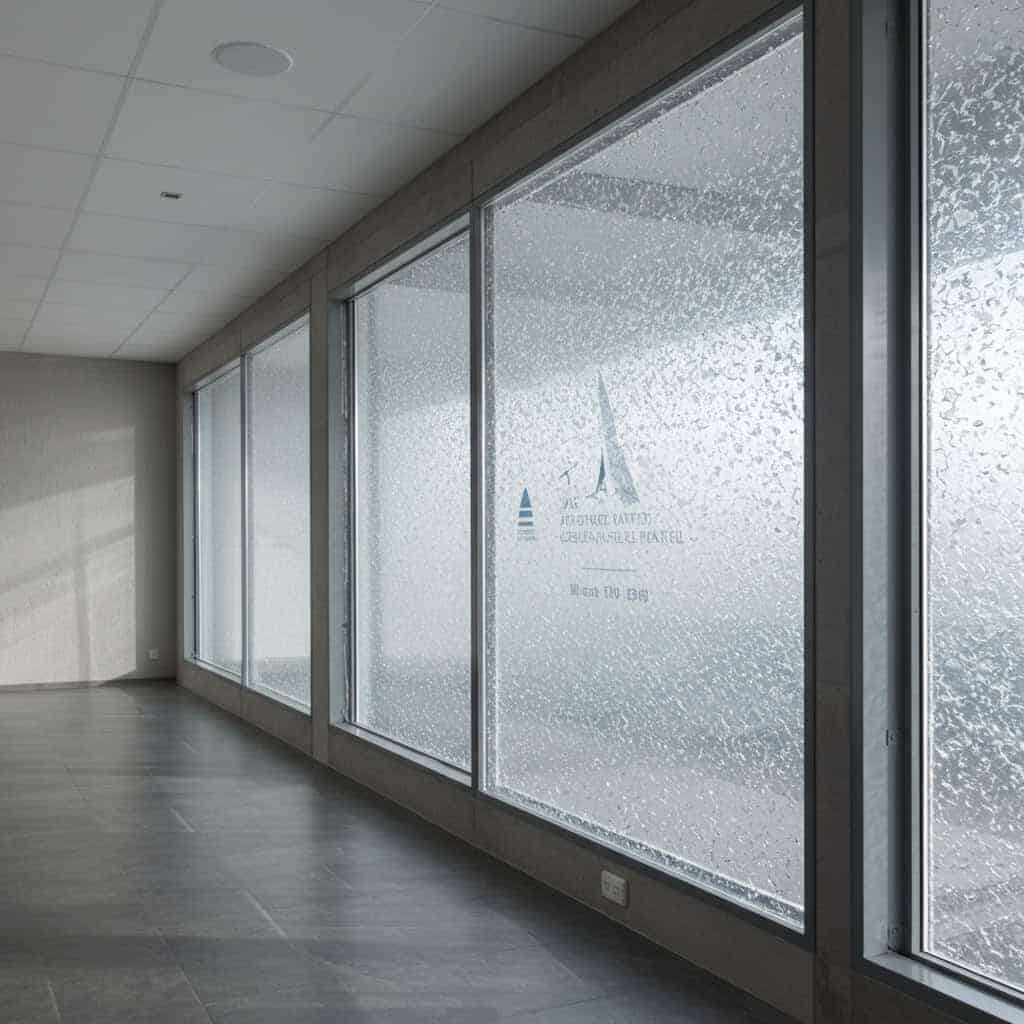
Transparent wood is engineered by removing the lignin from natural wood and then infusing it with clear polymers. This process creates a material that is both strong and capable of transmitting light. Transparent wood stands out as a sustainable, shatter-resistant alternative to glass and plastics, making it ideal for use in windows and building facades while reducing energy consumption.

6. Ferrock

6. Ferrock
Image Source: Generated by Google Gemini

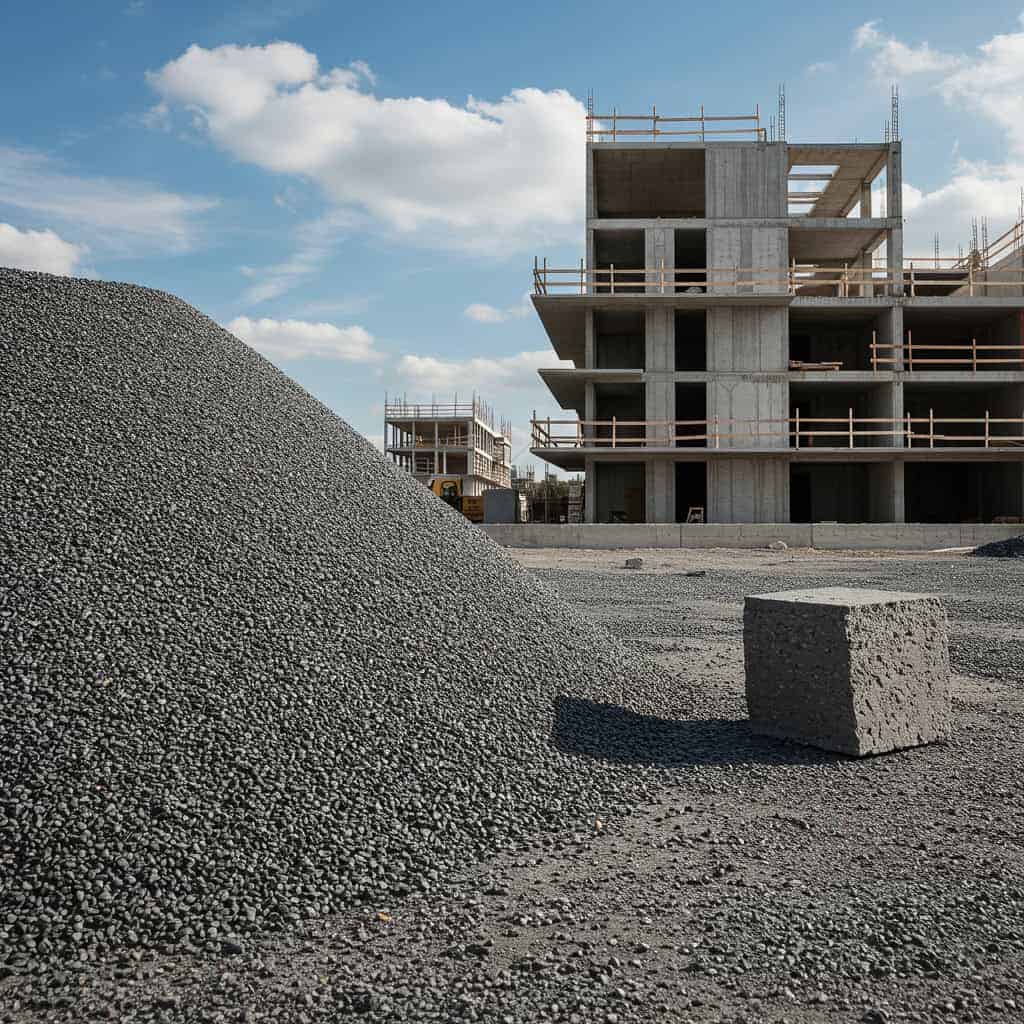
Ferrock is an innovative building material that offers a sustainable alternative to traditional concrete. Made from recycled steel dust and silica, Ferrock is not only stronger than conventional concrete but also has the unique ability to sequester carbon dioxide during its curing process. This feature makes Ferrock a highly attractive choice for reducing the environmental impact of construction projects while reusing industrial waste materials.

7. Engineered Bamboo

7. Engineered Bamboo
Image Source: Generated by Google Gemini

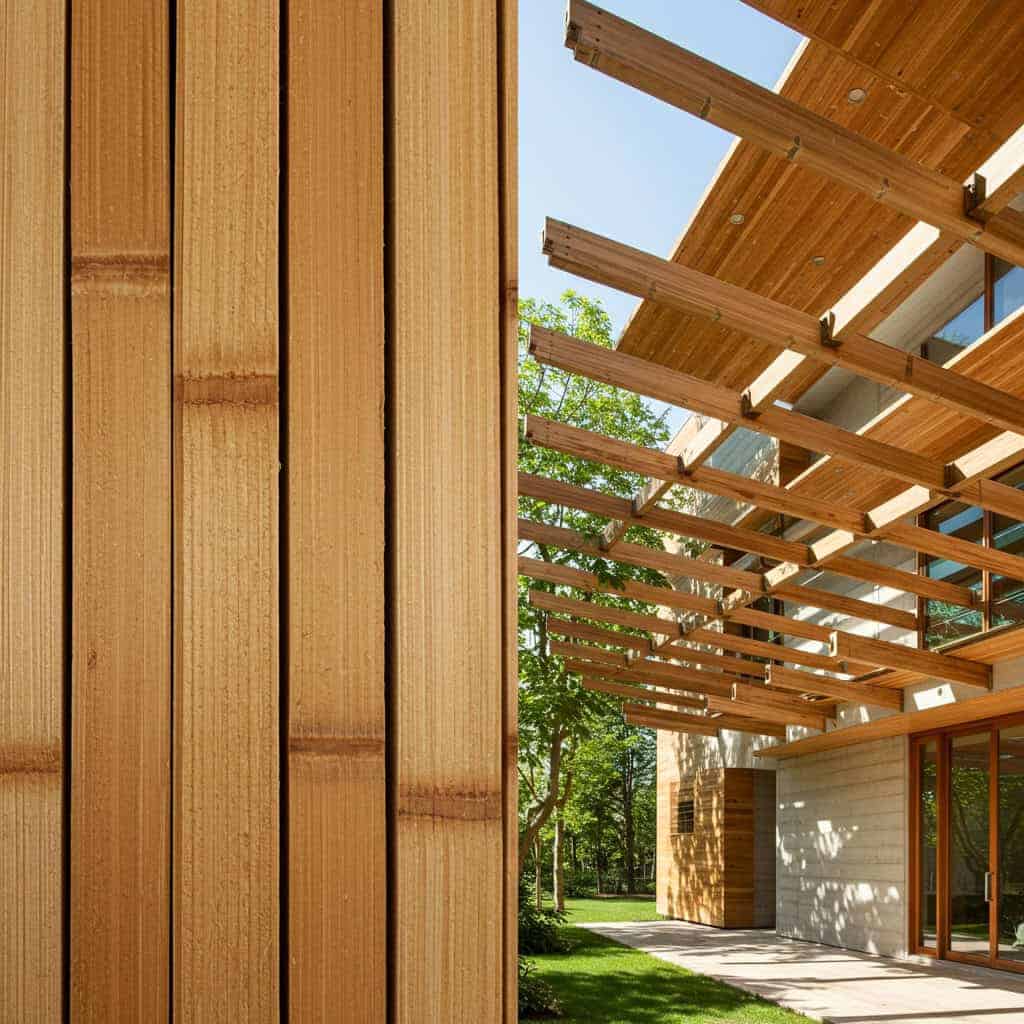
Engineered bamboo is created by processing and laminating bamboo strips, resulting in a material with impressive strength and durability. This advancement allows bamboo to be used as a structural substitute for steel and concrete, particularly in beams and flooring systems. Bamboo’s rapid growth rate and renewability give it a much lower carbon footprint compared to conventional building materials, making it a standout choice for sustainable construction.

8. Recycled Plastic Bricks

8. Recycled Plastic Bricks
Image Source: Generated by Google Gemini

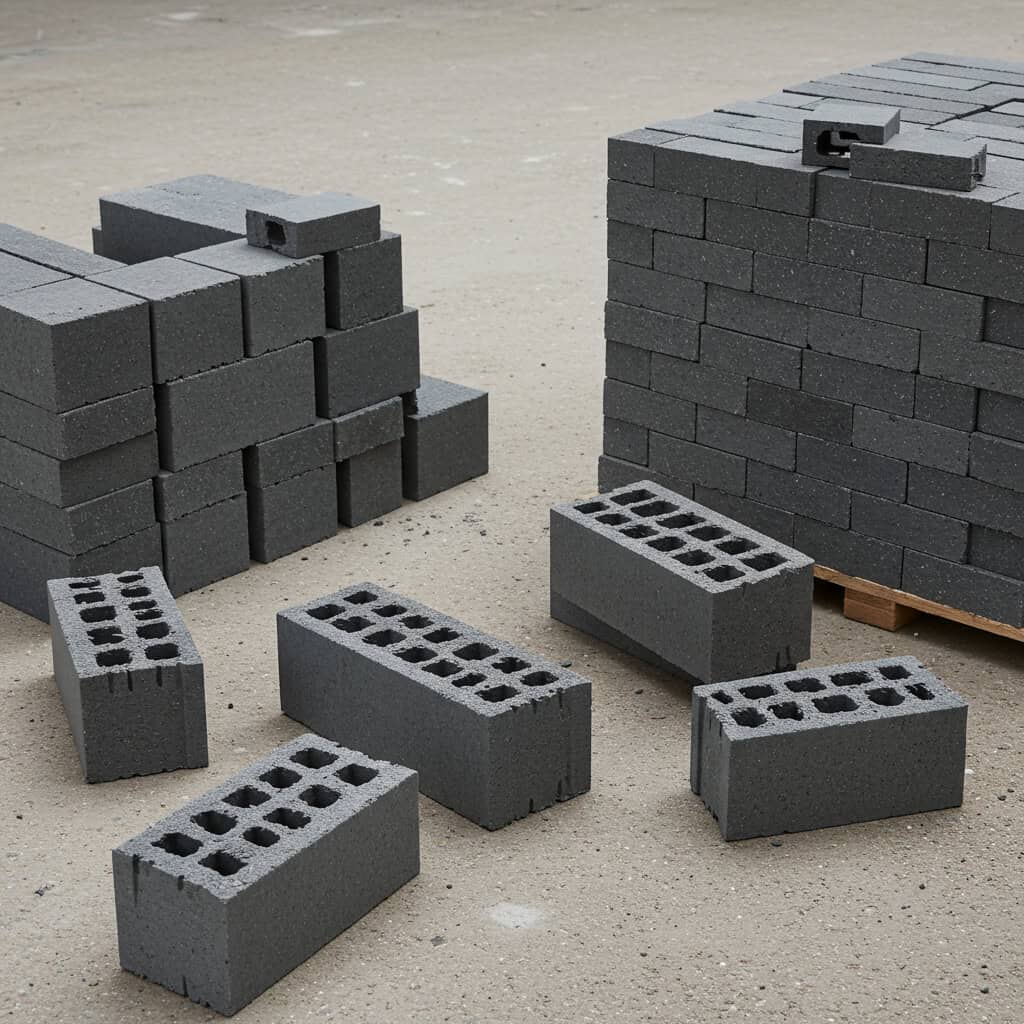
Recycled plastic bricks are manufactured by compressing post-consumer plastic waste into durable, lightweight, and water-resistant building blocks. These innovative bricks not only provide a practical and affordable construction material but also play a crucial role in reducing global plastic pollution. Their quick production process and resistance to weather make them an attractive solution for both low-cost and sustainable building projects.

9. Self-Healing Concrete

9. Self-Healing Concrete
Image Source: Generated by Google Gemini

Self-healing concrete is a groundbreaking material embedded with bacteria or microcapsules that spring into action when cracks develop. These agents produce limestone or other substances that fill and seal the cracks automatically, significantly extending the lifespan of concrete structures. This innovation reduces the need for costly repairs and minimizes the consumption of new materials, making it a more sustainable choice for infrastructure. As cities grow, self-healing concrete promises to revolutionize maintenance and durability.

10. Aerogel Insulation Panels

10. Aerogel Insulation Panels
Image Source: Generated by Google Gemini

Aerogel insulation panels are ultra-light, highly insulating materials first developed for the aerospace industry. These advanced panels offer superior thermal performance compared to traditional insulation, helping buildings stay energy-efficient year-round. Transparent and versatile, aerogel panels can be seamlessly integrated into walls or windows, allowing natural light while maintaining excellent insulation. Their remarkable properties are driving adoption in modern architecture focused on sustainability.

Conclusion

Conclusion
Image Source: Generated by Google Gemini

The rise of innovative building materials—from engineered bamboo to self-healing concrete—signals a transformative shift in how we design and construct our built environment. These advancements offer significant opportunities to reduce the environmental footprint of construction while enhancing durability and efficiency. Continued research, investment, and widespread adoption are essential to realize the full potential of these materials and create resilient, sustainable cities for future generations.

Advertisement