House Floor Plans That Blend Dream-Home Style With Everyday Practicality

Julie Ann - September 24, 2025
Share

Choosing the right floor plan is essential to creating a home that is both visually stunning and perfectly suited for daily life. Thoughtful layout decisions can greatly influence comfort, convenience, and long-term happiness. By blending inspired design with functional features, homeowners enjoy spaces that are as livable as they are beautiful.

1. Open-Concept Living Spaces

1. Open-Concept Living Spaces
Image Source: Generated by Google Gemini

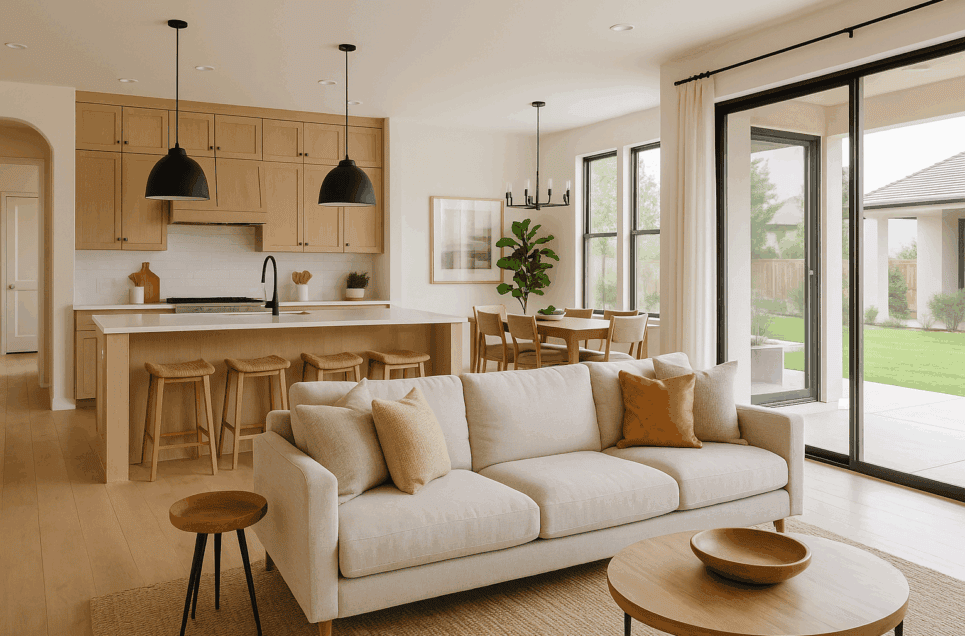
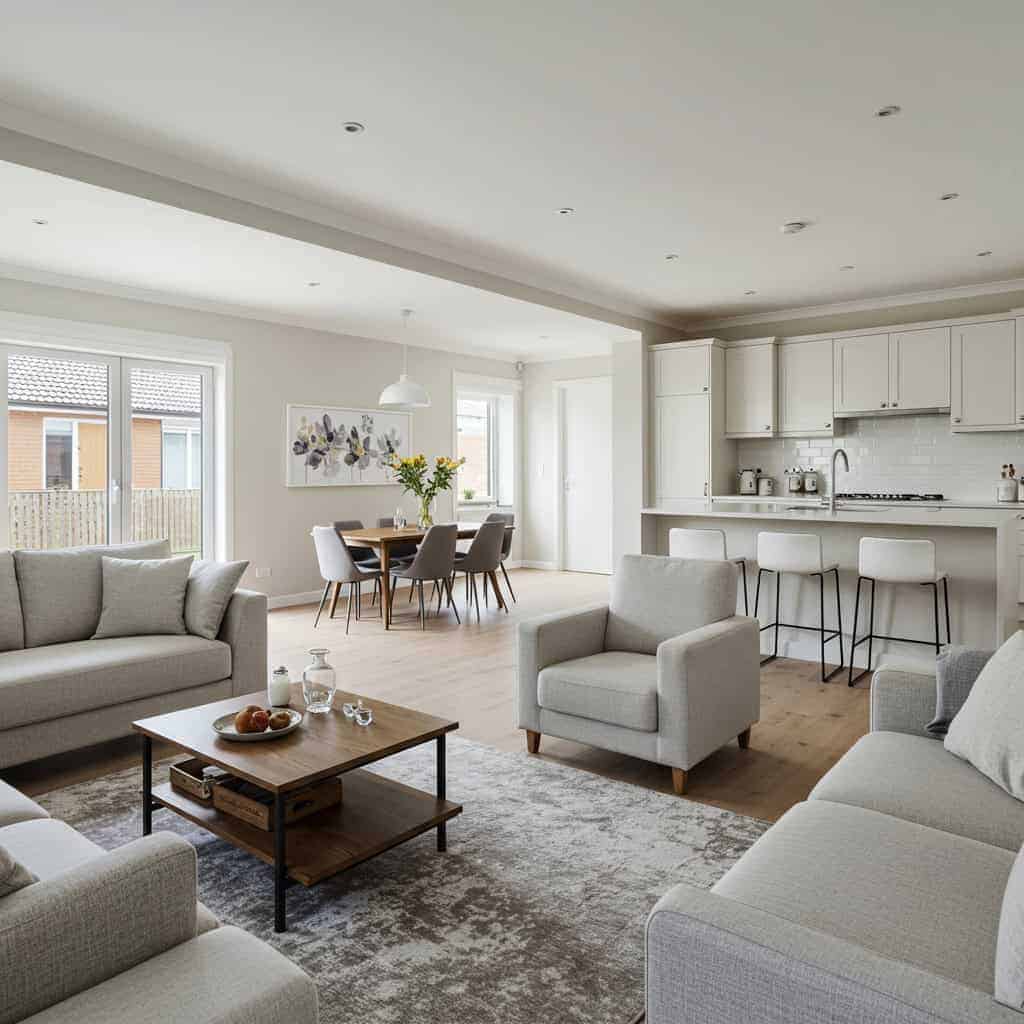
Open-concept floor plans remain a favorite for their ability to foster connection and flexibility. By merging the kitchen, dining, and living areas, these layouts create spacious, inviting environments that are ideal for both entertaining and everyday family life. This design not only maximizes usable square footage but also allows natural light to permeate throughout the home.

2. Split Bedroom Layouts

2. Split Bedroom Layouts
Image Source: Generated by Google Gemini

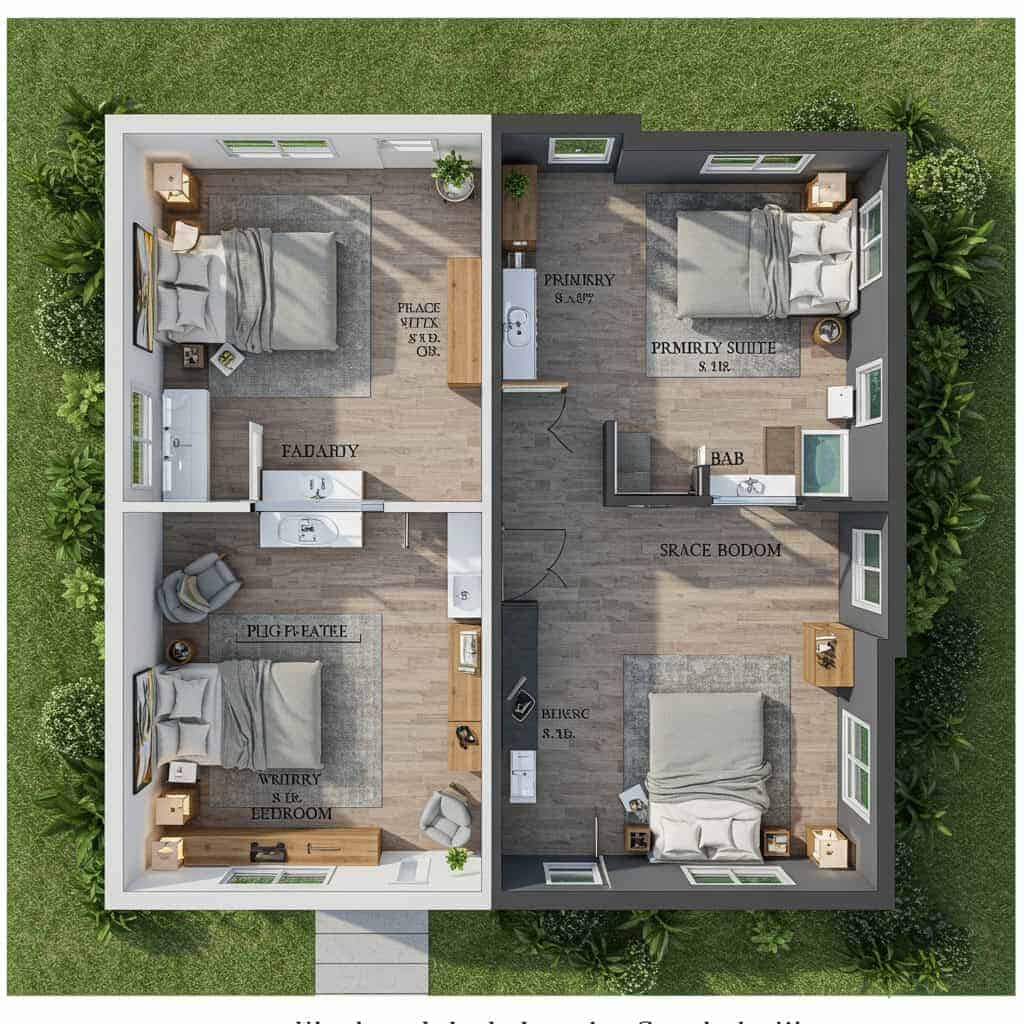
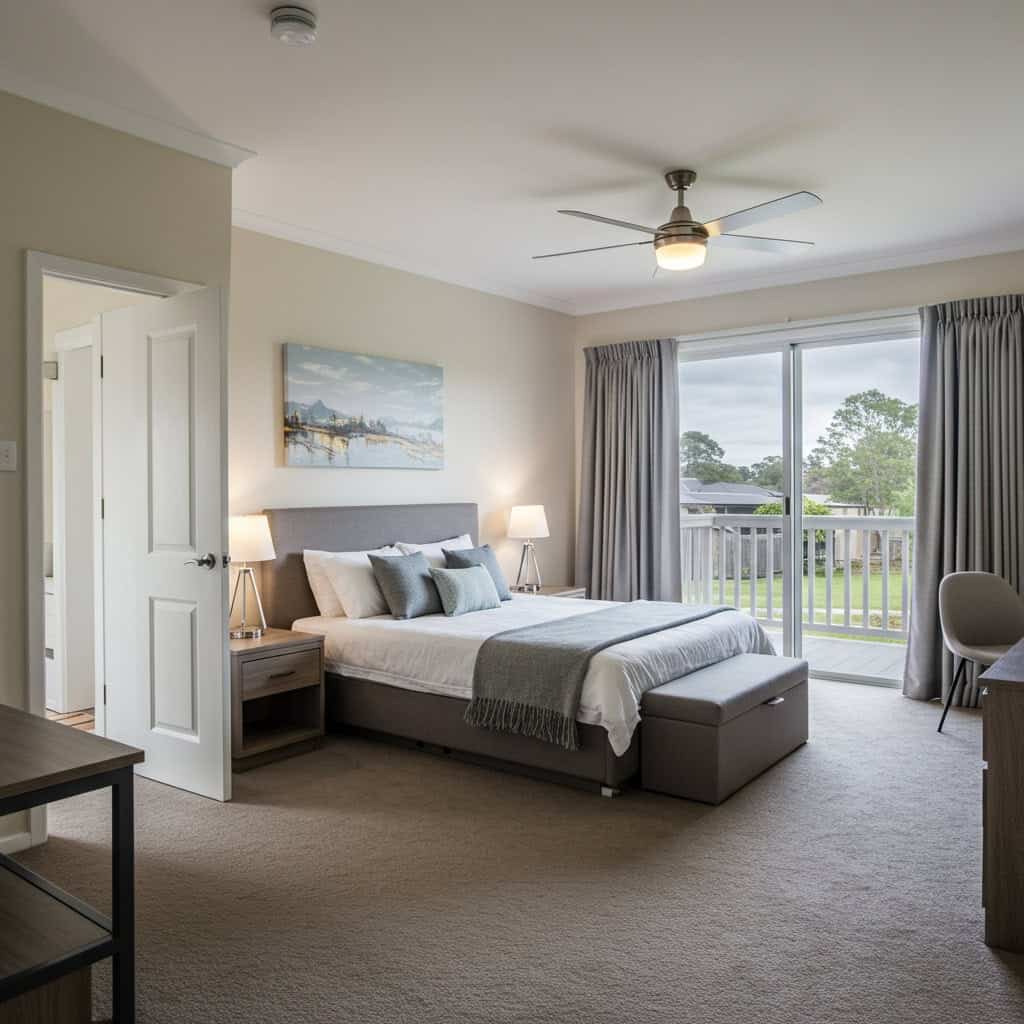
The split-bedroom layout strategically locates the primary suite on one side of the home, with secondary bedrooms positioned on the opposite end. This thoughtful separation provides enhanced privacy and is especially beneficial for multi-generational households or parents seeking a peaceful sanctuary away from busy family areas. Unlike traditional clustered bedroom arrangements, split layouts minimize noise and offer personal space for everyone.

3. Dedicated Home Office Spaces

3. Dedicated Home Office Spaces
Image Source: Generated by Google Gemini

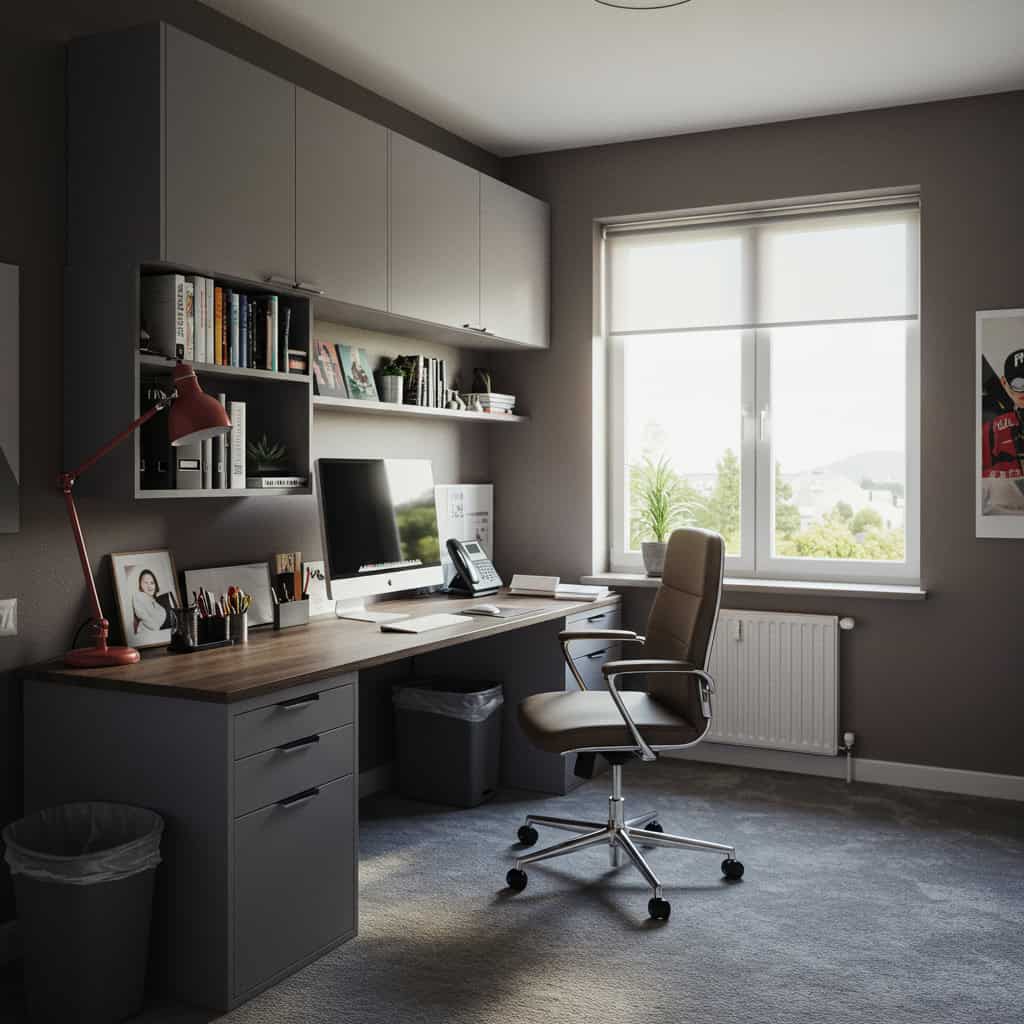
As remote work becomes increasingly common, dedicated home office spaces are essential in today’s floor plans. Unlike improvised workstations in shared rooms, a purpose-designed office enhances both productivity and comfort. Features like natural light, ergonomic layouts, and soundproofing contribute to a focused environment.

4. Mudrooms and Drop Zones

4. Mudrooms and Drop Zones
Image Source: Generated by Google Gemini

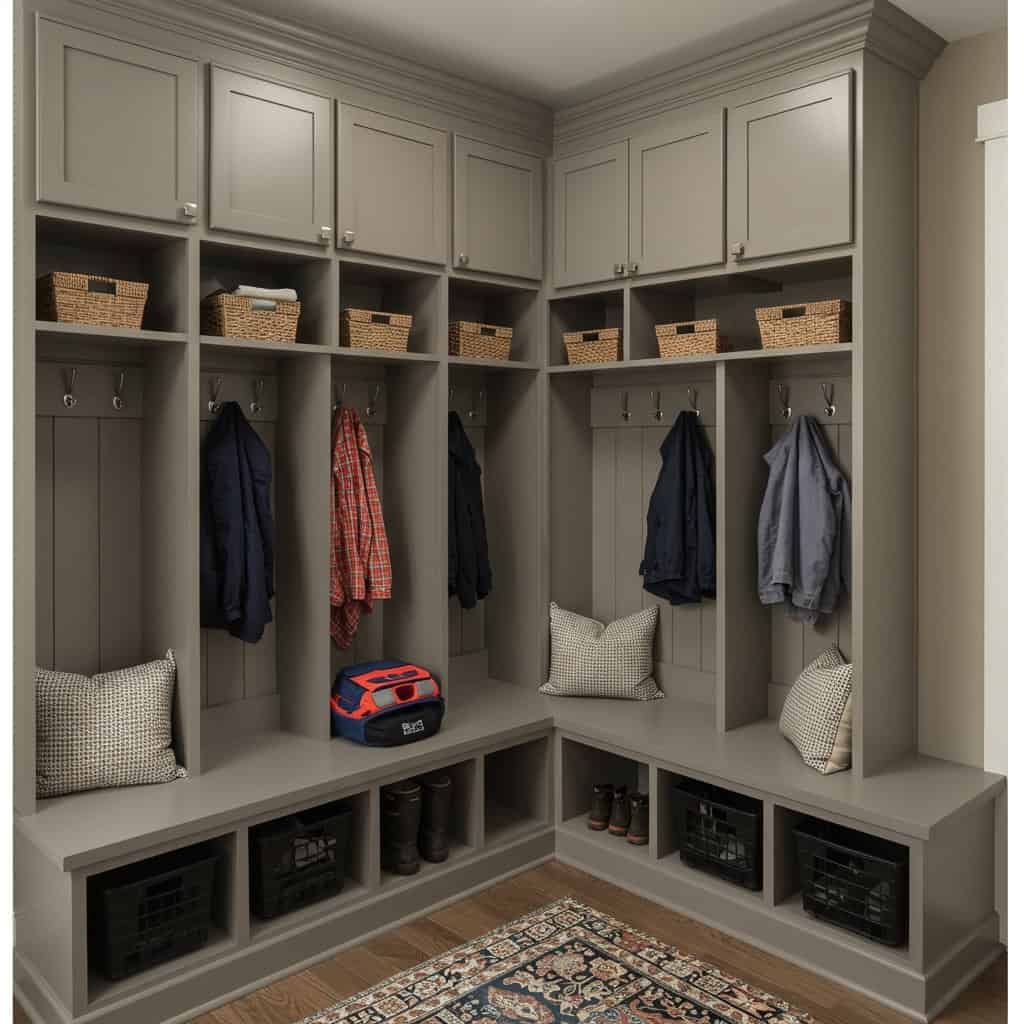
Mudrooms and drop zones offer a highly functional entryway solution, helping families stay organized by providing dedicated space for coats, shoes, backpacks, and pet gear. Unlike traditional foyers, these practical areas significantly reduce clutter and streamline busy routines, making them especially valuable for active households. Many modern homes feature built-in cubbies, storage cabinets, and benches to further enhance utility and convenience.

5. Flexible Bonus Rooms

5. Flexible Bonus Rooms
Image Source: Generated by Google Gemini

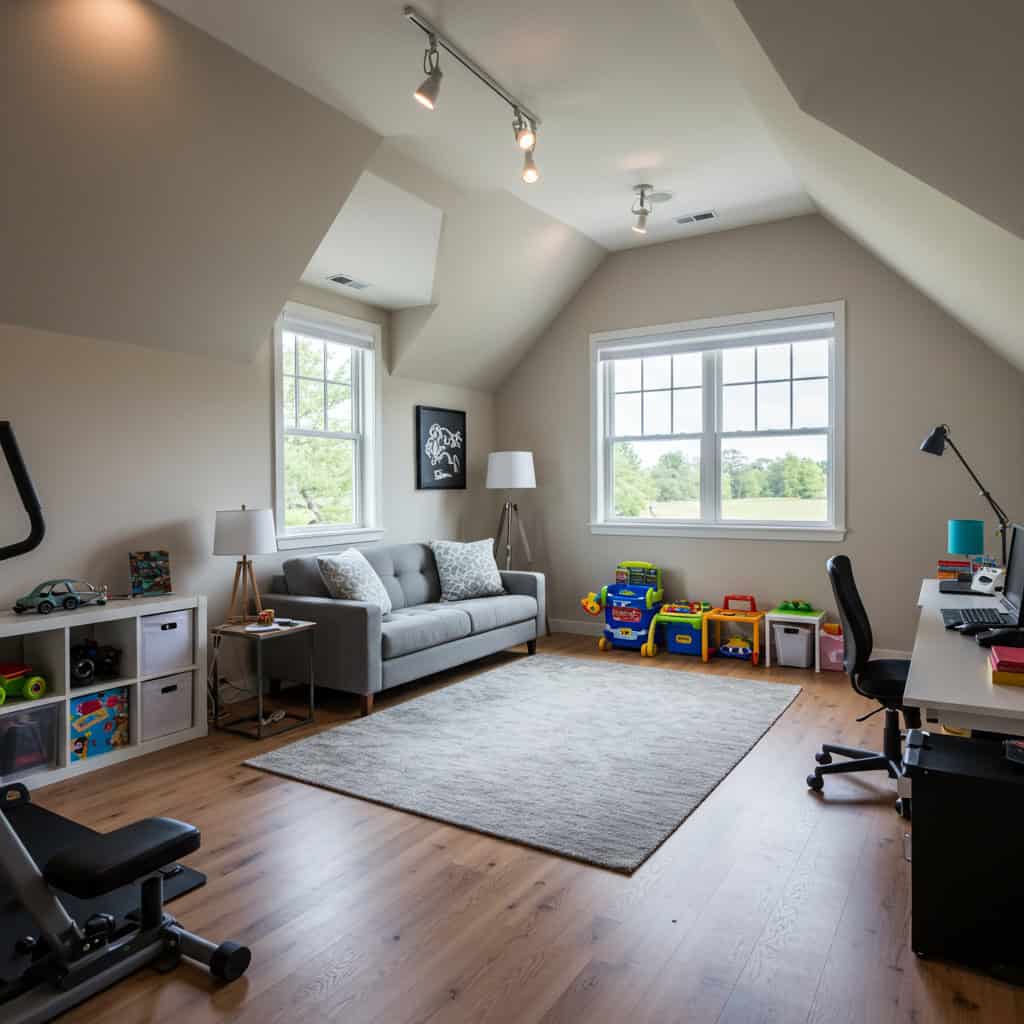
Flexible bonus rooms add tremendous adaptability to a home’s layout, functioning as playrooms, guest bedrooms, workout areas, or hobby spaces depending on changing needs. Unlike rooms with a single purpose, these spaces can transform over time, ensuring the home continues to support a family’s evolving lifestyle. Many architects now include at least one such room in modern house plans to maximize utility and future-proof the property.

6. Indoor-Outdoor Living Connections

6. Indoor-Outdoor Living Connections
Image Source: Generated by Google Gemini

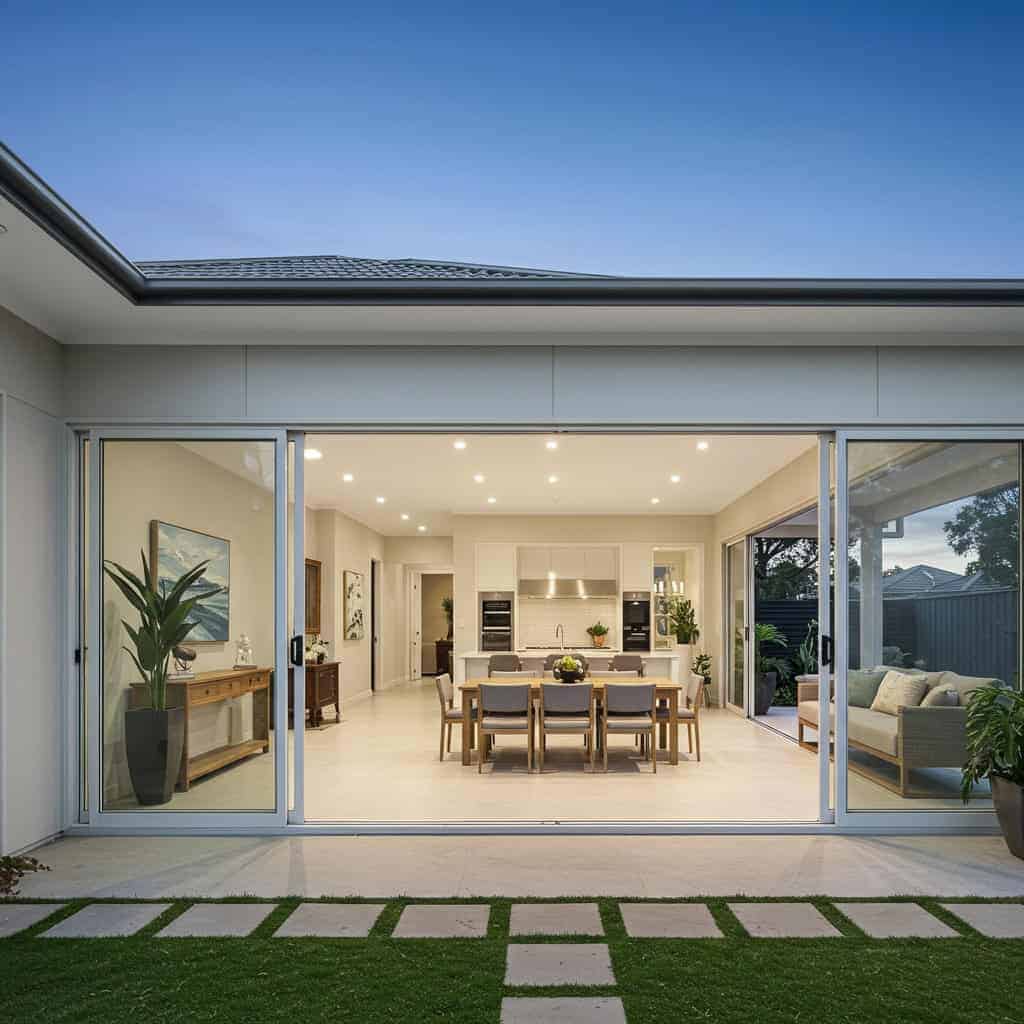
Modern homes increasingly emphasize seamless connections between indoor and outdoor spaces, using features like expansive sliding glass doors, patios, and covered porches. These transitions not only enhance daily living and entertaining options but also visually expand the home’s usable space and invite nature indoors. Unlike traditional segmented layouts, this design approach creates a healthier, more vibrant atmosphere and maximizes natural light and fresh air.

7. Ample Storage Solutions

7. Ample Storage Solutions
Image Source: Generated by Google Gemini

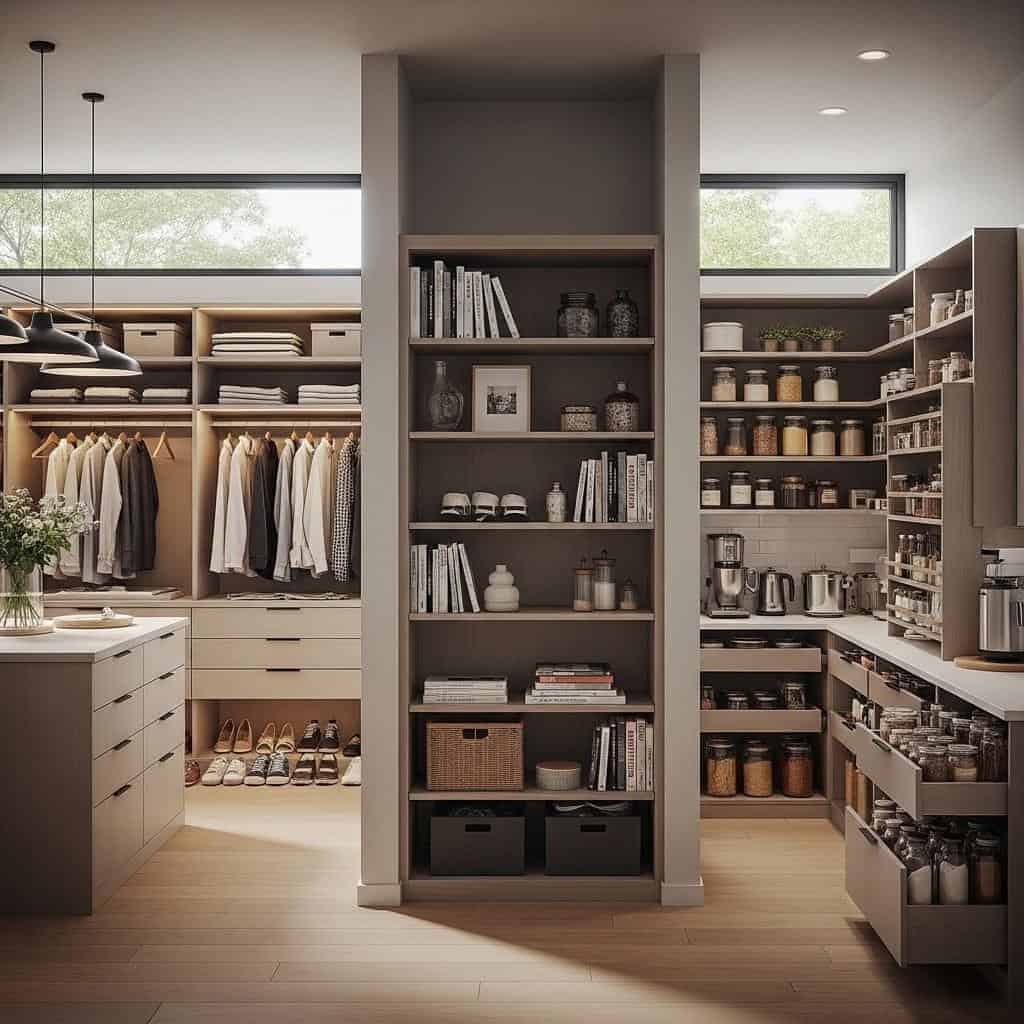
Effective storage solutions, such as walk-in closets, built-in shelving, and generous pantry spaces, are crucial for keeping homes organized and clutter-free. Contemporary floor plans prioritize creative and integrated storage throughout the house, a significant improvement over older layouts with minimal closet space. This focus on storage enhances both functionality and aesthetics, supporting streamlined, stress-free living.

8. Kitchen-Centric Layouts

8. Kitchen-Centric Layouts
Image Source: Generated by Google Gemini

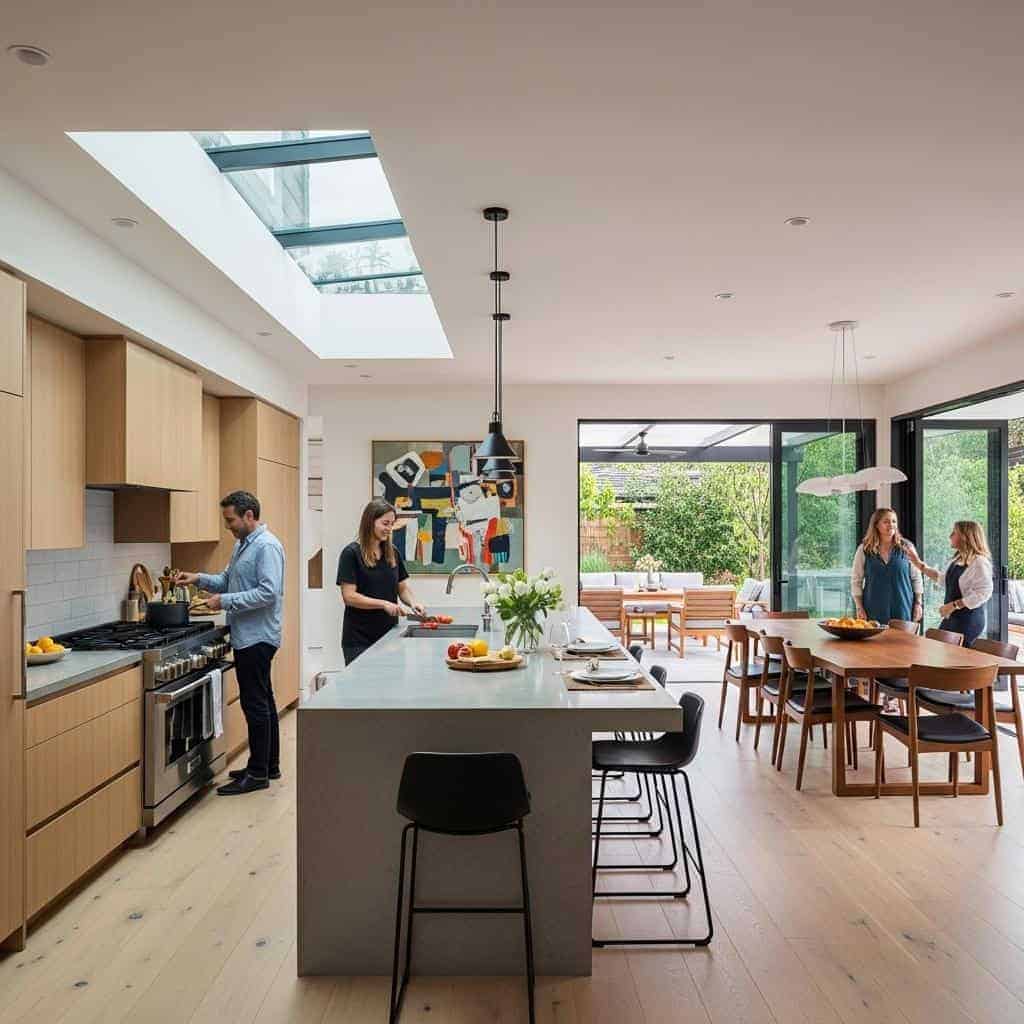
Positioning the kitchen at the center of the home underscores its importance as both a functional workspace and a lively gathering spot. Open sightlines, islands with seating, and easy access to dining or outdoor areas make cooking and entertaining seamless and enjoyable. Unlike closed-off kitchens of the past, these layouts encourage connection and communication among family and guests.

9. Accessible and Aging-in-Place Features

9. Accessible and Aging-in-Place Features
Image Source: Generated by Google Gemini

Integrating accessible features such as wider doorways, step-free entrances, and main-level bedrooms ensures homes remain comfortable and functional as families’ needs evolve. Known as ‘universal design,’ this approach makes living spaces safer and more convenient for everyone, regardless of age or mobility. Many modern floor plans thoughtfully include these elements from the outset to support long-term independence.

10. Energy-Efficient Flow and Orientation

10. Energy-Efficient Flow and Orientation
Image Source: Generated by Google Gemini

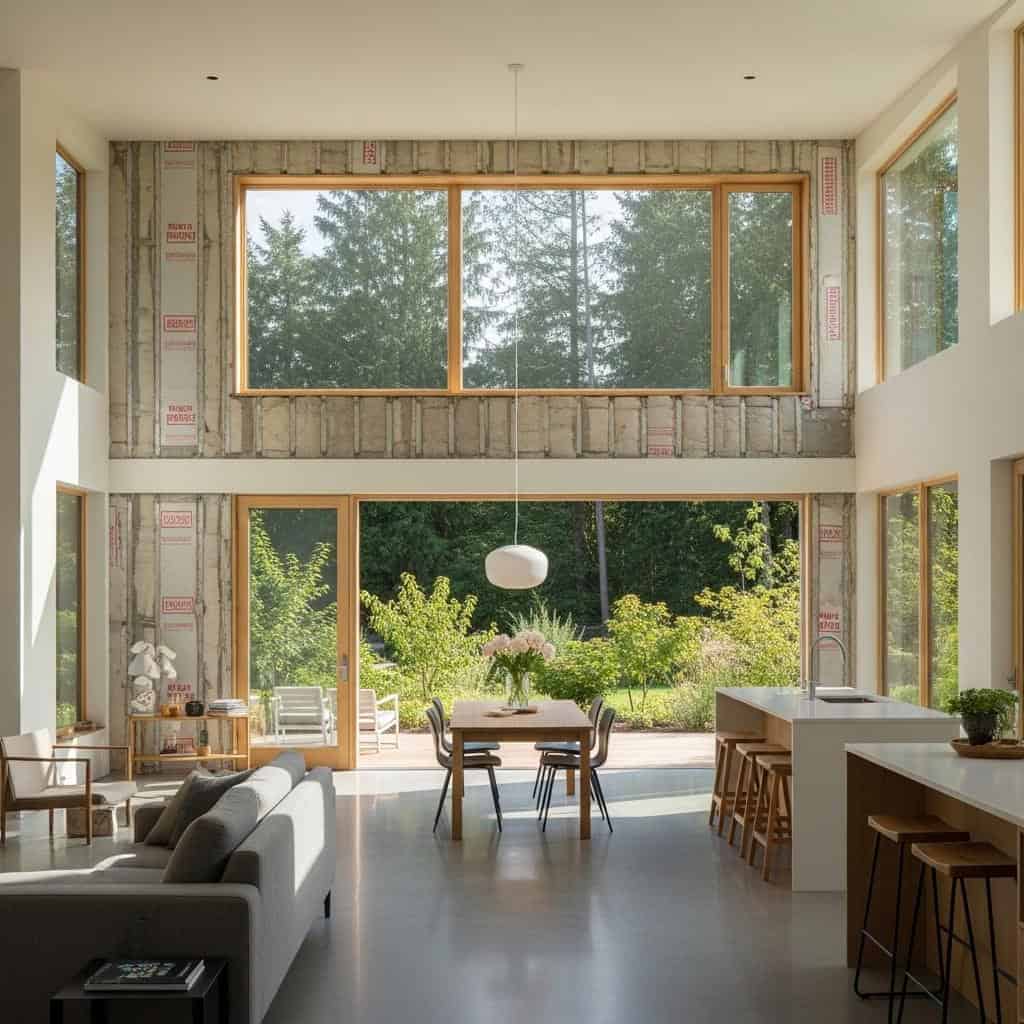
Designing a home with energy efficiency in mind involves more than just appliances—it starts with the floor plan. Thoughtful orientation, the use of strategically placed windows, and well-insulated zones increase comfort and allow homes to harness natural light and ventilation, leading to lower utility costs. Passive solar principles and smart design choices set these homes apart from traditional layouts.

Advertisement